
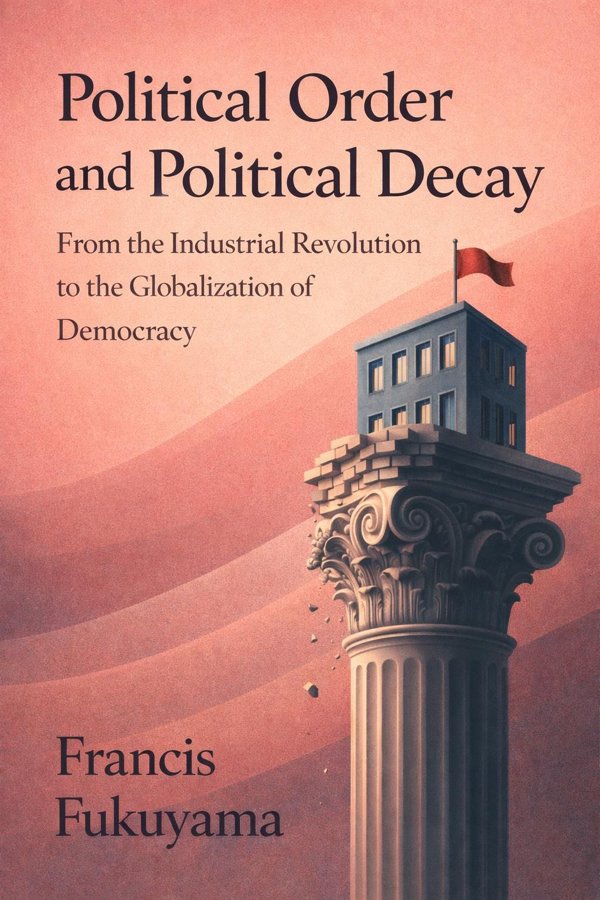
Political Order and Political Decay: From the Industrial Revolution to the Globalization of Democracy: Summary & Key Insights
 10 min12 chaptersAudio available
What Is Political Order and Political Decay: From the Industrial Revolution to the Globalization of Democracy About?
Political Order and Political Decay: From the Industrial Revolution to the Globalization of Democracy by Francis Fukuyama is a politics book spanning 12 pages. In this sweeping work, Francis Fukuyama examines how political institutions develop, why they decay, and how societies can achieve stable governance. Building on his earlier book 'The Origins of Political Order', Fukuyama explores the evolution of modern states from the Industrial Revolution to the present, analyzing the challenges of corruption, weak institutions, and democratic decline. He draws on examples from around the world to explain how political order is maintained or lost in the face of modernization and globalization.
This FizzRead summary covers all 12 key chapters of Political Order and Political Decay: From the Industrial Revolution to the Globalization of Democracy in approximately 10 minutes, distilling the most important ideas, arguments, and takeaways from Francis Fukuyama's work. Also available as an audio summary and Key Quotes Podcast.
Political Order and Political Decay: From the Industrial Revolution to the Globalization of Democracy
In this sweeping work, Francis Fukuyama examines how political institutions develop, why they decay, and how societies can achieve stable governance. Building on his earlier book 'The Origins of Political Order', Fukuyama explores the evolution of modern states from the Industrial Revolution to the present, analyzing the challenges of corruption, weak institutions, and democratic decline. He draws on examples from around the world to explain how political order is maintained or lost in the face of modernization and globalization.
Who Should Read Political Order and Political Decay: From the Industrial Revolution to the Globalization of Democracy?
This book is perfect for anyone interested in politics and looking to gain actionable insights in a short read. Whether you're a student, professional, or lifelong learner, the key ideas from Political Order and Political Decay: From the Industrial Revolution to the Globalization of Democracy by Francis Fukuyama will help you think differently.
- ✓Readers who enjoy politics and want practical takeaways
- ✓Professionals looking to apply new ideas to their work and life
- ✓Anyone who wants the core insights of Political Order and Political Decay: From the Industrial Revolution to the Globalization of Democracy in just 10 minutes
Want the full summary?
Get instant access to this book summary and 100K+ more with Fizz Moment.
Get Free SummaryAvailable on App Store • Free to download
Key Chapters
From the very beginning, I’ve maintained that political order rests on three interlocking institutions: the state, the rule of law, and accountability. Each has its own history and logic, and none can sustain effective governance alone. The state embodies authority—it is the structure capable of enforcing rules and providing public goods. The rule of law represents constraint; it tells the state what it cannot do and protects individual rights. Accountability infuses legitimacy—it ensures that those who wield power answer to those they govern.
The tension among these pillars drives the evolution of modern politics. A strong state without law becomes despotic; a society ruled by law without state capacity remains powerless; accountability without administrative strength turns governance into populism and paralysis. Political development occurs when these elements mature together and reinforce each other.
In the modern era, nations that integrated these pillars most effectively—Britain after its bureaucratic reforms, Japan under Meiji, and the Scandinavian states—achieved stability and prosperity. Yet history also teaches that the balance is fragile. Patronage, corruption, factionalism, and rigid institutions can upset it, sending nations back into cycles of decay.
The Industrial Revolution heralded not only economic transformation but a profound political one. When factories began to dominate landscapes and populations surged toward urban centers, old systems of governance strained under new complexities. Traditional agrarian states lacked the capacity to manage industrial societies; they had to reinvent themselves.
Britain exemplified this transformation. With industrialization came demands for infrastructure, regulation, and welfare administration. Bureaucracy became indispensable, and state institutions evolved into more professional bodies oriented toward merit rather than lineage. In contrast, countries that failed to expand state institutions appropriately—such as Spain or Italy in the 19th century—faced instability, as industrialization generated social discontent their old elites could not address.
The rise of industry forced states to become adaptive engines. Economic modernization required policy professionalism, and social mobilization drove political participation. Yet this same dynamism made institutions vulnerable to stress—once formed in response to industrial needs, they had to constantly reinvent their legitimacy.
+ 10 more chapters — available in the FizzRead app
All Chapters in Political Order and Political Decay: From the Industrial Revolution to the Globalization of Democracy
About the Author
Francis Fukuyama is an American political scientist, political economist, and author known for his work on political development and international relations. He is best known for 'The End of History and the Last Man' and has served as a professor at Stanford University and Johns Hopkins University. His research focuses on the origins of political institutions, governance, and the challenges of modern democracy.
Get This Summary in Your Preferred Format
Read or listen to the Political Order and Political Decay: From the Industrial Revolution to the Globalization of Democracy summary by Francis Fukuyama anytime, anywhere. FizzRead offers multiple formats so you can learn on your terms — all free.
Available formats: App · Audio · PDF · EPUB — All included free with FizzRead
Download Political Order and Political Decay: From the Industrial Revolution to the Globalization of Democracy PDF and EPUB Summary
Key Quotes from Political Order and Political Decay: From the Industrial Revolution to the Globalization of Democracy
“From the very beginning, I’ve maintained that political order rests on three interlocking institutions: the state, the rule of law, and accountability.”
“The Industrial Revolution heralded not only economic transformation but a profound political one.”
Frequently Asked Questions about Political Order and Political Decay: From the Industrial Revolution to the Globalization of Democracy
Political Order and Political Decay: From the Industrial Revolution to the Globalization of Democracy by Francis Fukuyama is a politics book that explores key ideas across 12 chapters. In this sweeping work, Francis Fukuyama examines how political institutions develop, why they decay, and how societies can achieve stable governance. Building on his earlier book 'The Origins of Political Order', Fukuyama explores the evolution of modern states from the Industrial Revolution to the present, analyzing the challenges of corruption, weak institutions, and democratic decline. He draws on examples from around the world to explain how political order is maintained or lost in the face of modernization and globalization.
More by Francis Fukuyama
The Origins of Political Order: From Prehuman Times to the French Revolution
Francis Fukuyama
10 min
The End of History and the Last Man
Francis Fukuyama
10 min
Liberalism and Its Discontents
Francis Fukuyama
10 min
Trust: The Social Virtues and the Creation of Prosperity
Francis Fukuyama
10 minYou Might Also Like
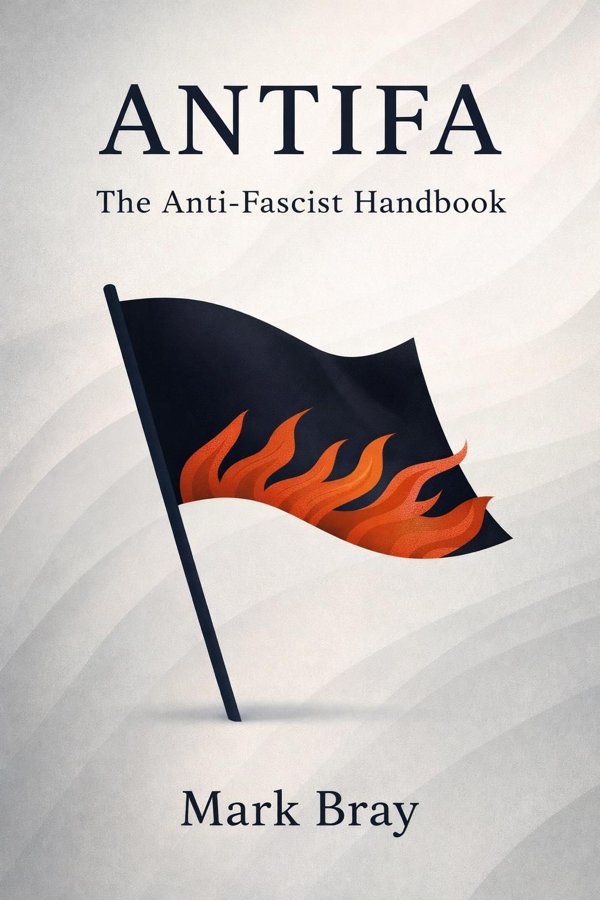
Antifa: The Anti-Fascist Handbook
Mark Bray
10 min
Attack from Within: How Disinformation Is Sabotaging America
Barbara McQuade
10 min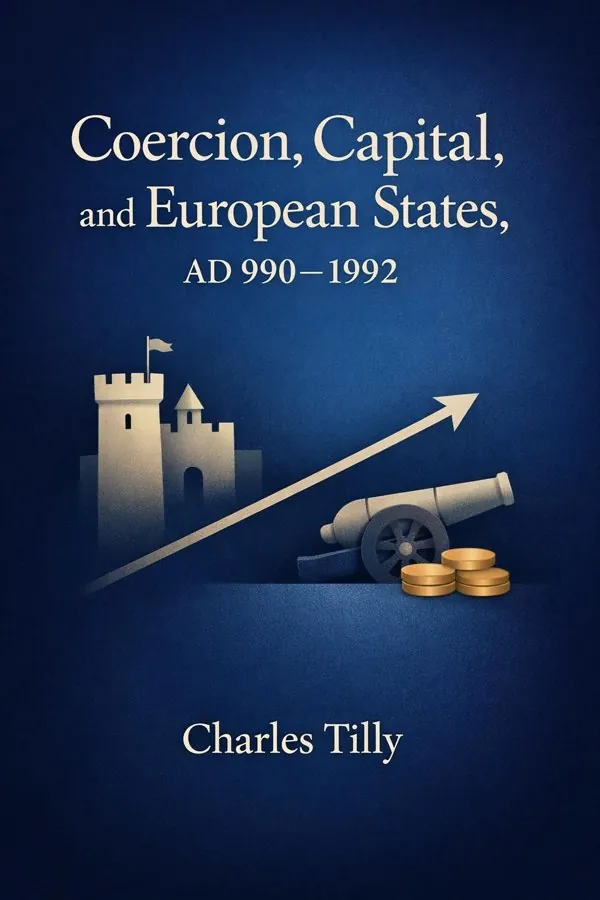
Coercion, Capital, and European States, AD 990–1992
Charles Tilly
10 min
Digital Democracy: Concepts, Methodologies, Tools, and Applications
Various Authors
10 min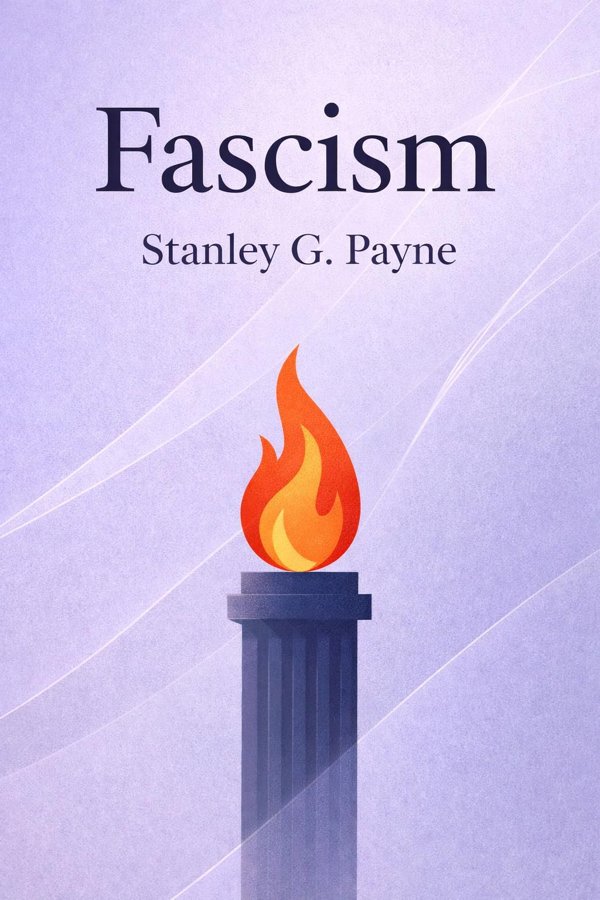
Fascism
Stanley G. Payne
10 min
Fire And Fury: Inside The Trump White House
Michael Wolff
10 minBrowse by Category
Ready to read Political Order and Political Decay: From the Industrial Revolution to the Globalization of Democracy?
Get the full summary and 100K+ more books with Fizz Moment.