

Francis Fukuyama Books
Francis Fukuyama is an American political scientist, political economist, and author known for his work on political order, development, and democracy. He is a senior fellow at Stanford University's Freeman Spogli Institute for International Studies.
Known for: Liberalism and Its Discontents, Political Order and Political Decay: From the Industrial Revolution to the Globalization of Democracy, The End of History and the Last Man, The Origins of Political Order: From Prehuman Times to the French Revolution, Trust: The Social Virtues and the Creation of Prosperity
Books by Francis Fukuyama
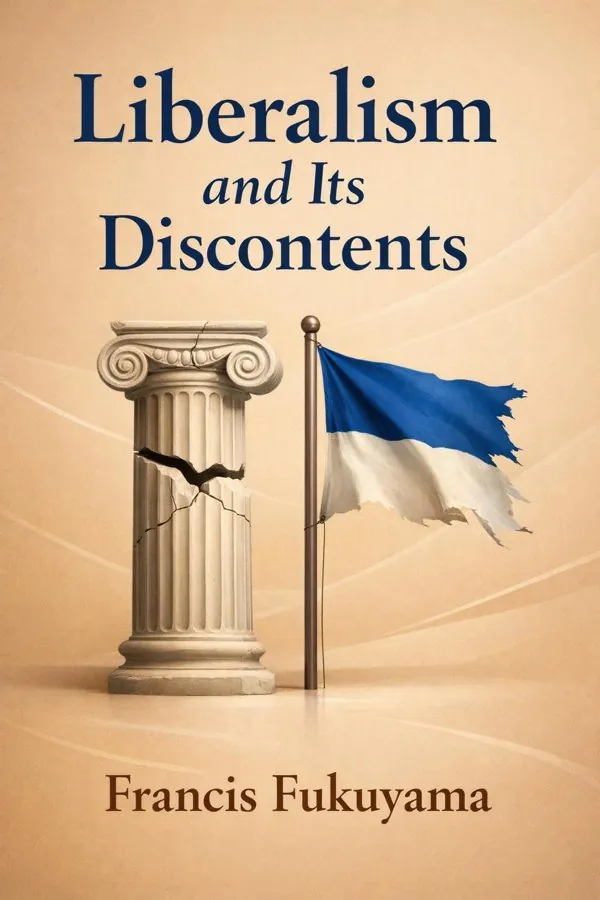
Liberalism and Its Discontents
In this book, Francis Fukuyama explores the challenges facing liberal democracy in the twenty-first century. He examines how liberalism, once the dominant political ideology, has come under attack fro...
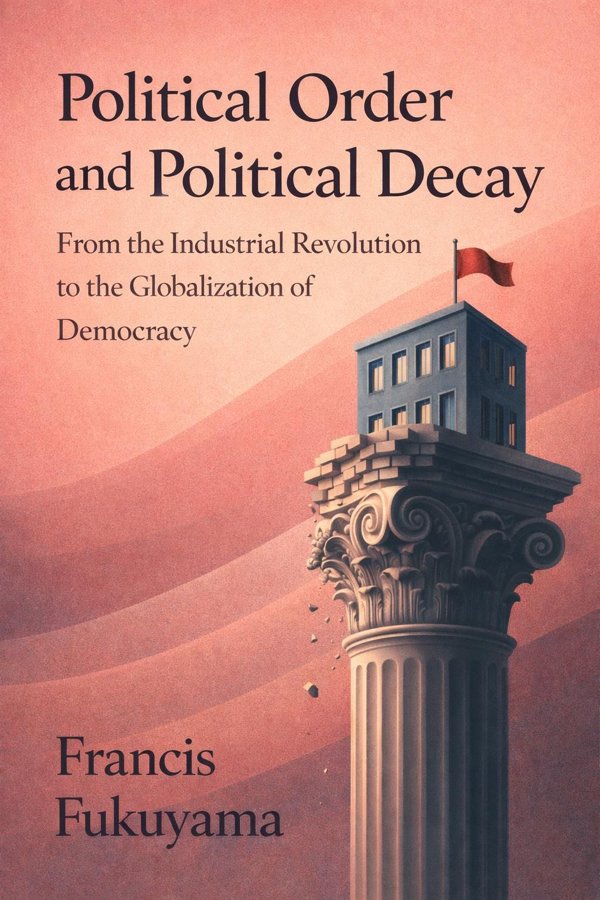
Political Order and Political Decay: From the Industrial Revolution to the Globalization of Democracy
In this sweeping work, Francis Fukuyama examines how political institutions develop, why they decay, and how societies can achieve stable governance. Building on his earlier book 'The Origins of Polit...

The End of History and the Last Man
In this influential work, Francis Fukuyama argues that the end of the Cold War marked not just the conclusion of a particular historical period but the endpoint of mankind’s ideological evolution. He ...
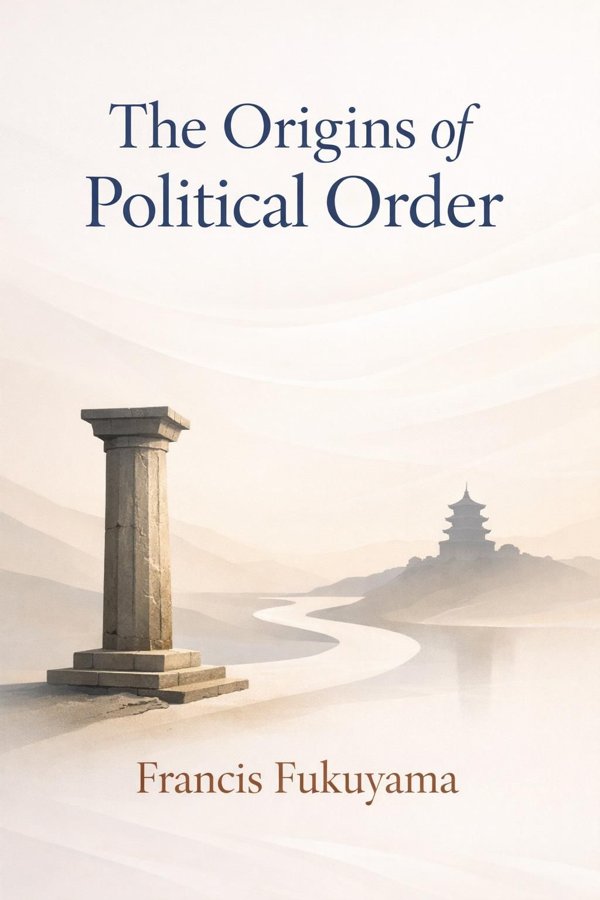
The Origins of Political Order: From Prehuman Times to the French Revolution
This book explores the development of political institutions from the earliest human societies to the French Revolution. Francis Fukuyama examines how states, rule of law, and accountable government e...
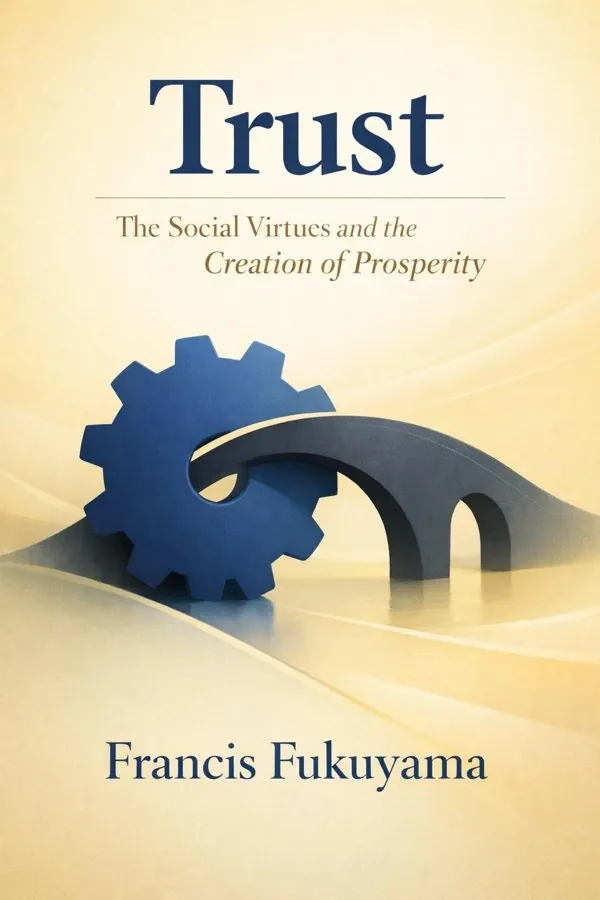
Trust: The Social Virtues and the Creation of Prosperity
In this influential work, political economist Francis Fukuyama explores how social trust shapes economic prosperity and the functioning of societies. He argues that cultural factors—particularly the d...
Key Insights from Francis Fukuyama
Historical Origins
To understand our current crisis, we must return to the origins of liberalism. The idea did not emerge fully formed, but evolved out of Europe’s violent struggles between faiths and monarchies. Thinkers like John Locke, Thomas Hobbes, and Montesquieu articulated visions of political order that would...
From Liberalism and Its Discontents
Core Principles
At its essence, liberalism rests on three interlocking principles: individual rights, the rule of law, and limited government. Everything else flows from these. As I have argued, these principles were not simply philosophical abstractions; they provided a practical answer to Europe's sectarian blood...
From Liberalism and Its Discontents
Conceptual Framework: The Three Pillars of Political Order
From the very beginning, I’ve maintained that political order rests on three interlocking institutions: the state, the rule of law, and accountability. Each has its own history and logic, and none can sustain effective governance alone. The state embodies authority—it is the structure capable of enf...
From Political Order and Political Decay: From the Industrial Revolution to the Globalization of Democracy
The Industrial Revolution and State Formation
The Industrial Revolution heralded not only economic transformation but a profound political one. When factories began to dominate landscapes and populations surged toward urban centers, old systems of governance strained under new complexities. Traditional agrarian states lacked the capacity to man...
From Political Order and Political Decay: From the Industrial Revolution to the Globalization of Democracy
The Concept of History
To speak of the end of history, we must first clarify what history itself means. I adopt here a philosophical conception of history, one that reaches beyond chronicles of events into the evolution of human consciousness and political institutions. Hegel offered the foundational insight that history ...
From The End of History and the Last Man
The End of Ideological Evolution
Over centuries, humanity experimented with divergent ideologies—monarchic divine order, fascist nationalism, communist egalitarianism. Each promised salvation through obedience, discipline, or unity. Each ultimately succumbed to its internal contradictions. The modern world, particularly after 1989,...
From The End of History and the Last Man
About Francis Fukuyama
Francis Fukuyama is an American political scientist, political economist, and author known for his work on political order, development, and democracy. He is a senior fellow at Stanford University's Freeman Spogli Institute for International Studies.


Frequently Asked Questions
Francis Fukuyama is an American political scientist, political economist, and author known for his work on political order, development, and democracy. He is a senior fellow at Stanford University's Freeman Spogli Institute for International Studies.
Read Francis Fukuyama's books in 15 minutes
Get AI-powered summaries with key insights from 5 books by Francis Fukuyama.