

On the Move: A Life: Summary & Key Insights
by Oliver Sacks
 10 min11 chaptersAudio available
What Is On the Move: A Life About?
On the Move: A Life by Oliver Sacks is a biographies book spanning 11 pages. A memoir by neurologist and writer Oliver Sacks, recounting his extraordinary life, from his early years in London to his career in medicine and writing in New York. The book explores his adventures, intellectual passions, and personal struggles, offering a deeply human portrait of a scientist who changed how we understand the mind.
This FizzRead summary covers all 11 key chapters of On the Move: A Life in approximately 10 minutes, distilling the most important ideas, arguments, and takeaways from Oliver Sacks's work. Also available as an audio summary and Key Quotes Podcast.
On the Move: A Life
A memoir by neurologist and writer Oliver Sacks, recounting his extraordinary life, from his early years in London to his career in medicine and writing in New York. The book explores his adventures, intellectual passions, and personal struggles, offering a deeply human portrait of a scientist who changed how we understand the mind.
Who Should Read On the Move: A Life?
This book is perfect for anyone interested in biographies and looking to gain actionable insights in a short read. Whether you're a student, professional, or lifelong learner, the key ideas from On the Move: A Life by Oliver Sacks will help you think differently.
- ✓Readers who enjoy biographies and want practical takeaways
- ✓Professionals looking to apply new ideas to their work and life
- ✓Anyone who wants the core insights of On the Move: A Life in just 10 minutes
Want the full summary?
Get instant access to this book summary and 100K+ more with Fizz Moment.
Get Free SummaryAvailable on App Store • Free to download
Key Chapters
I was born in London in 1933, the youngest of four children in a family of doctors, scientists, and thinkers. My mother, a surgeon—the first woman in the field at our hospital—was both brilliant and fierce; my father, a general practitioner, carried a gentle warmth that anchored my fascination with healing. In our home, dinner-table conversations could easily switch from Shakespeare to blood chemistry. Science was not merely a profession—it was a language of life.
The London of my childhood was marked by war and rationing, but also by an unending sense of intellectual possibility. I found myself drawn early to chemistry, particularly to the strange poetry of transformation—how elements combined, altered, became something new. This fascination with change would later manifest in my medical work, as I watched how illness could transform personality, perception, and identity. My passion for scientific exploration was never cold or clinical; it was deeply emotional, almost aesthetic. I collected minerals, drew diagrams, and immersed myself in textbooks with a kind of love that felt both solitary and ecstatic.
At school, I was awkward and introspective, often more comfortable with equations than with conversation. Yet in the private space of study, I began to sense what it meant to be alive in the company of ideas. When one weekend my mother discovered my growing awareness of my sexuality and responded with anguish, I internalized a silence that would shape my adult life. Still, rather than extinguish my curiosity, the experience drove me deeper into thought and solitude. The seeds of empathy and introspection were planted here—in the tension between love and distance, acceptance and secrecy.
Oxford was the next chapter in my formation, a place where idealism and rigor met. I entered with a strong sense of myself as a chemist, but left transformed by medicine. The transition was not instantaneous. It came from encounters—with anatomy, with pathology, and most powerfully, with the human mind’s fragility and resilience. That shift from studying the structure to understanding the experience was irreversible.
During clinical rotations, I witnessed cases that pulled me from the abstract world of molecules into the human narrative. A patient recovering from a stroke, another struggling with Parkinsonism: each presented a mystery that could not be solved through biochemistry alone. Neurology, I learned, was a field at the crossroads of science and humanity. It demanded observation, but also imagination—the kind that attempts to step inside another’s consciousness.
Oxford was also a place of personal discovery. I found companionship in the body, in swimming and weightlifting, a counterbalance to my intellectual pursuits. Physical exertion seemed to fuse body and mind in ways that mirrored my own longing for wholeness. In the lab and in the gym alike, I understood that motion—both muscular and mental—was at the center of life itself.
+ 9 more chapters — available in the FizzRead app
All Chapters in On the Move: A Life
About the Author
Oliver Sacks (1933–2015) was a British neurologist and author known for his case studies of patients with neurological disorders. His works, including 'Awakenings' and 'The Man Who Mistook His Wife for a Hat', brought neuroscience to a wide audience through compassionate storytelling.
Get This Summary in Your Preferred Format
Read or listen to the On the Move: A Life summary by Oliver Sacks anytime, anywhere. FizzRead offers multiple formats so you can learn on your terms — all free.
Available formats: App · Audio · PDF · EPUB — All included free with FizzRead
Download On the Move: A Life PDF and EPUB Summary
Key Quotes from On the Move: A Life
“I was born in London in 1933, the youngest of four children in a family of doctors, scientists, and thinkers.”
“Oxford was the next chapter in my formation, a place where idealism and rigor met.”
Frequently Asked Questions about On the Move: A Life
On the Move: A Life by Oliver Sacks is a biographies book that explores key ideas across 11 chapters. A memoir by neurologist and writer Oliver Sacks, recounting his extraordinary life, from his early years in London to his career in medicine and writing in New York. The book explores his adventures, intellectual passions, and personal struggles, offering a deeply human portrait of a scientist who changed how we understand the mind.
More by Oliver Sacks

You Might Also Like

An American Marriage
Tayari Jones
10 min
Benjamin Franklin: An American Life
Walter Isaacson
10 min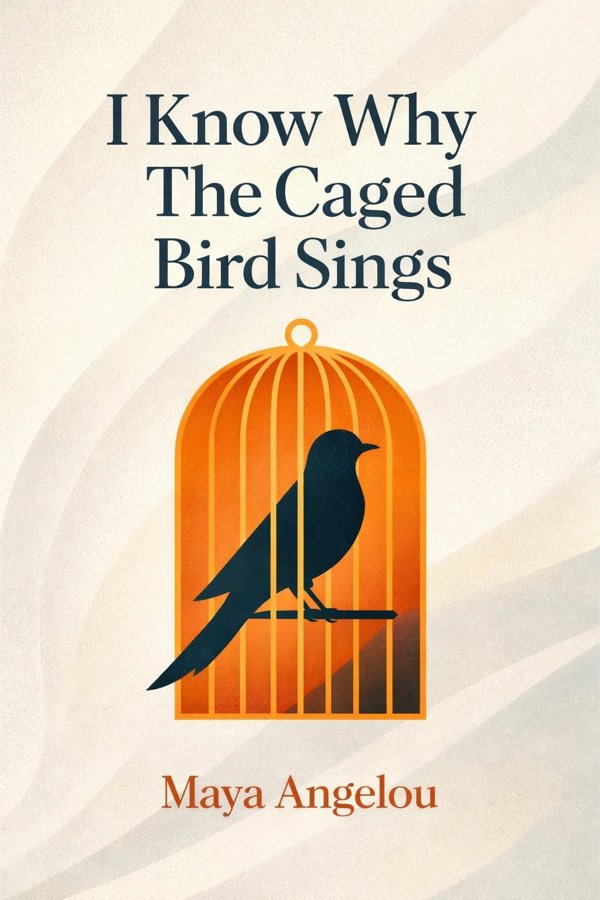
I Know Why The Caged Bird Sings
Maya Angelou
10 min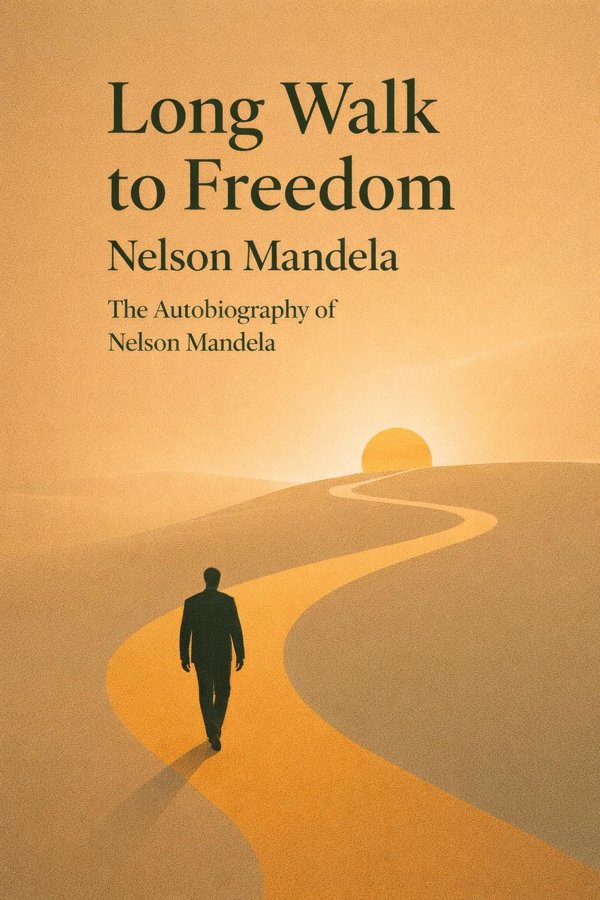
Long Walk to Freedom
Nelson Mandela
10 min
Persepolis
Marjane Satrapi
10 min
Surely You're Joking, Mr. Feynman!
Richard P. Feynman
10 minBrowse by Category
Ready to read On the Move: A Life?
Get the full summary and 100K+ more books with Fizz Moment.