
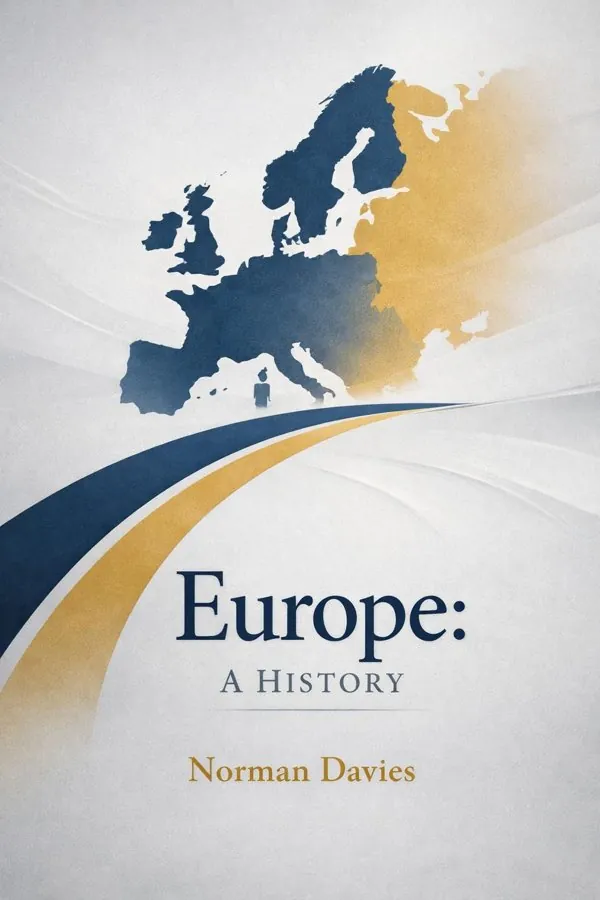
Europe: A History: Summary & Key Insights
 10 min13 chaptersAudio available
What Is Europe: A History About?
Europe: A History by Norman Davies is a world_history book spanning 13 pages. Europe: A History is a comprehensive narrative of the European continent from prehistory to the late 20th century. Norman Davies presents a panoramic view of Europe’s political, cultural, and social evolution, emphasizing the interconnectedness of its diverse regions and peoples. The book challenges traditional Western-centric perspectives by including Eastern Europe and lesser-known historical episodes, offering a balanced and inclusive account of Europe’s past.
This FizzRead summary covers all 13 key chapters of Europe: A History in approximately 10 minutes, distilling the most important ideas, arguments, and takeaways from Norman Davies's work. Also available as an audio summary and Key Quotes Podcast.
Europe: A History
Europe: A History is a comprehensive narrative of the European continent from prehistory to the late 20th century. Norman Davies presents a panoramic view of Europe’s political, cultural, and social evolution, emphasizing the interconnectedness of its diverse regions and peoples. The book challenges traditional Western-centric perspectives by including Eastern Europe and lesser-known historical episodes, offering a balanced and inclusive account of Europe’s past.
Who Should Read Europe: A History?
This book is perfect for anyone interested in world_history and looking to gain actionable insights in a short read. Whether you're a student, professional, or lifelong learner, the key ideas from Europe: A History by Norman Davies will help you think differently.
- ✓Readers who enjoy world_history and want practical takeaways
- ✓Professionals looking to apply new ideas to their work and life
- ✓Anyone who wants the core insights of Europe: A History in just 10 minutes
Want the full summary?
Get instant access to this book summary and 100K+ more with Fizz Moment.
Get Free SummaryAvailable on App Store • Free to download
Key Chapters
Before there was Europe, there were the countless bands of hunters, gatherers, and migrants who traversed Ice Age landscapes tens of thousands of years ago. The prehistoric continent was no barren wilderness; it was a laboratory of human adaptation. As climates shifted, so did people, leaving behind traces in caves at Altamira and Lascaux, and stone monuments at Carnac and Stonehenge. The story of Europe begins not with nations but with migrations, with the slow movement of peoples across river valleys and mountain passes. Agriculture—imported from the Near East around 7000 BCE—transformed this world, anchoring settlements and birthing the first sense of landscape that was truly European.
To understand Europe’s origins, we must also look at the dawn of metallurgy, which ushered in new forms of labor and hierarchy. The Bronze and Iron Ages connected scattered communities into wider trade networks. What we today call ‘European civilization’ rests upon these ancient pathways of exchange. By the time of the Celts and early Greeks, the continent was already a tapestry of cultures whose identities were shaped by mobility, innovation, and adaptation—a dynamic that would persist throughout its history.
With Greece and Rome emerged the first great civilizations of Europe. The Greek polis was not only a political experiment but a revolution in the human imagination. It birthed philosophy, drama, and a sense of civic belonging that endures to this day. Rome extended this legacy, uniting the Mediterranean under a single imperial authority. Law, language, and urbanism flowed out from the Eternal City to regions far beyond Italy. Yet, Rome’s greatness was as much a story of inclusion as conquest. The incorporation of Gauls, Iberians, Dacians, and others helped blend multiple traditions into what we might call the classical identity of Europe.
Still, the ancient world was fragile. Its achievements—the architecture, the rationalism, even the democratic ideals—were precariously perched between freedom and tyranny, prosperity and collapse. When the Western Empire fell, much was lost, but much also endured, absorbed into new forms that would shape medieval Christendom. I see in Antiquity not a golden age to be mourned but a seedbed from which countless later European ideas would grow.
+ 11 more chapters — available in the FizzRead app
All Chapters in Europe: A History
About the Author
Norman Davies is a British historian known for his extensive works on European and Polish history. Educated at Oxford and the University of Sussex, he has taught at several universities and is a Fellow of the British Academy. His major works include 'God’s Playground: A History of Poland' and 'Europe: A History', both acclaimed for their depth and narrative clarity.
Get This Summary in Your Preferred Format
Read or listen to the Europe: A History summary by Norman Davies anytime, anywhere. FizzRead offers multiple formats so you can learn on your terms — all free.
Available formats: App · Audio · PDF · EPUB — All included free with FizzRead
Download Europe: A History PDF and EPUB Summary
Key Quotes from Europe: A History
“Before there was Europe, there were the countless bands of hunters, gatherers, and migrants who traversed Ice Age landscapes tens of thousands of years ago.”
“With Greece and Rome emerged the first great civilizations of Europe.”
Frequently Asked Questions about Europe: A History
Europe: A History by Norman Davies is a world_history book that explores key ideas across 13 chapters. Europe: A History is a comprehensive narrative of the European continent from prehistory to the late 20th century. Norman Davies presents a panoramic view of Europe’s political, cultural, and social evolution, emphasizing the interconnectedness of its diverse regions and peoples. The book challenges traditional Western-centric perspectives by including Eastern Europe and lesser-known historical episodes, offering a balanced and inclusive account of Europe’s past.
More by Norman Davies
You Might Also Like
The Age of Capital
Eric Hobsbawm
10 min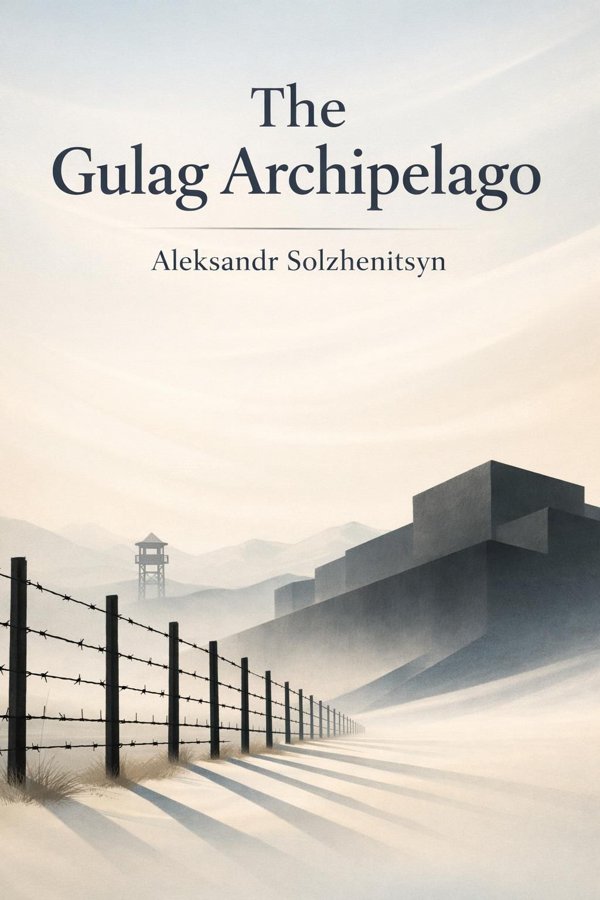
The Gulag Archipelago
Aleksandr Solzhenitsyn
10 min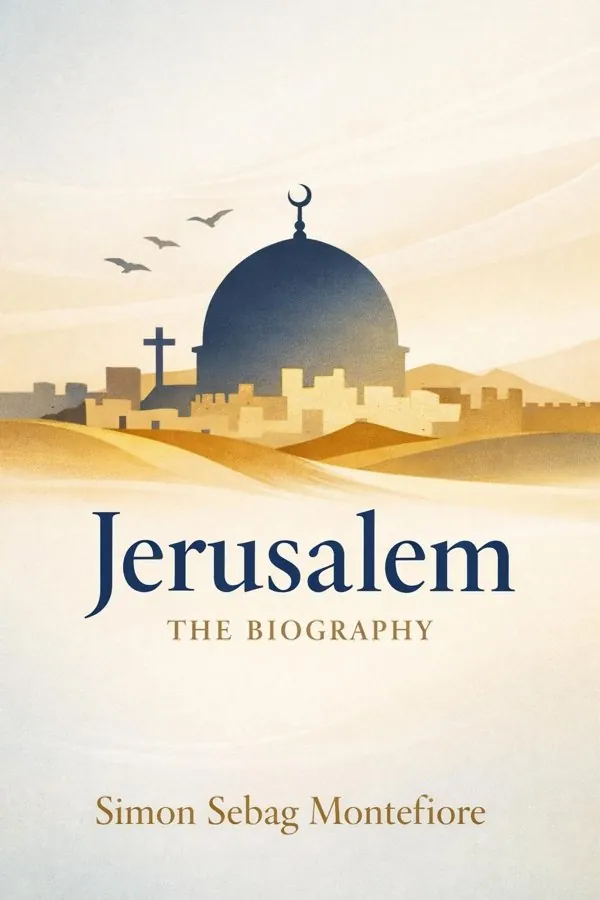
Jerusalem: The Biography
Simon Sebag Montefiore
10 min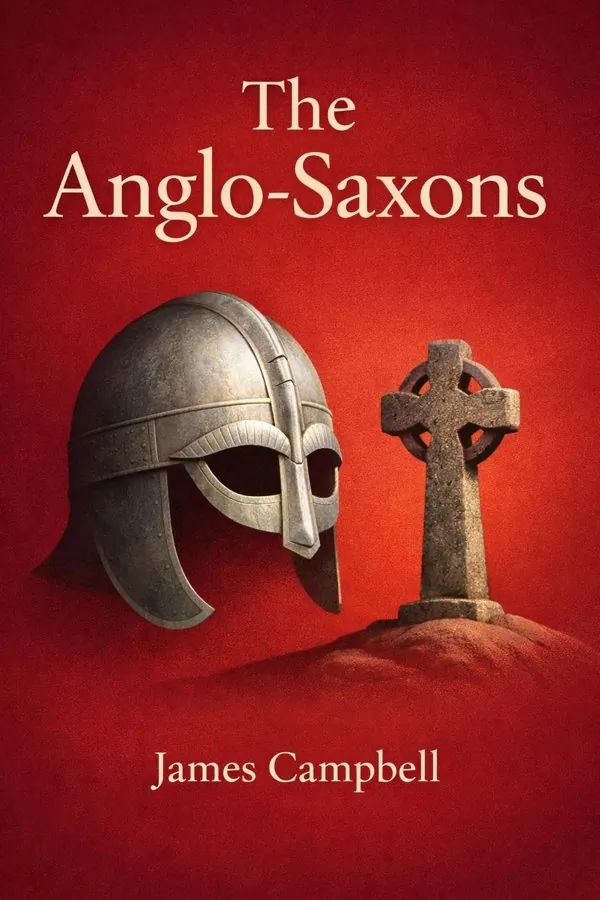
The Anglo-Saxons
James Campbell
10 min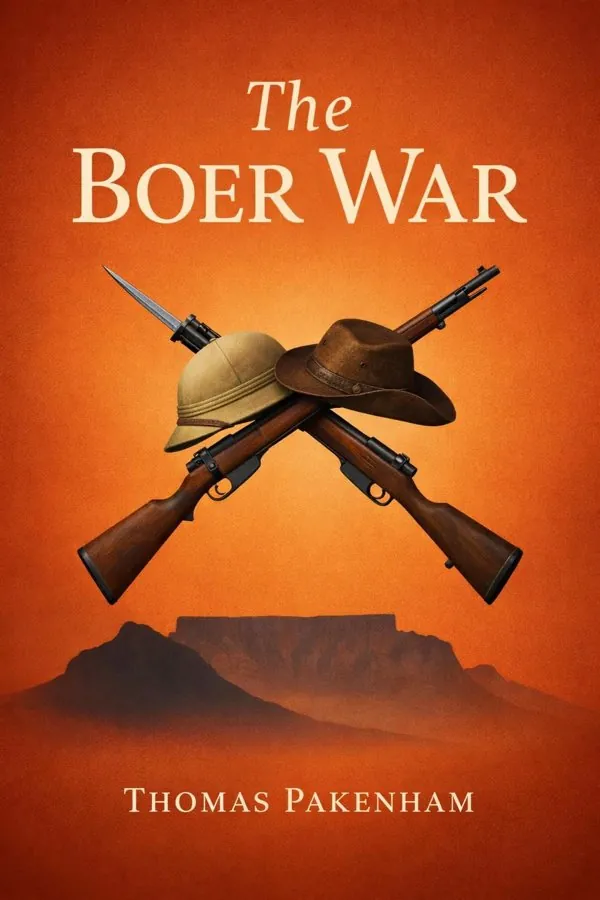
The Boer War
Thomas Pakenham
10 min
The Industrial Revolutionaries: The Making of the Modern World 1776–1914
Gavin Weightman
10 minBrowse by Category
Ready to read Europe: A History?
Get the full summary and 100K+ more books with Fizz Moment.