
Robert B. Reich Books
Robert B. Reich is an American economist, professor, author, and political commentator.
Known for: Saving Capitalism: For the Many, Not the Few, Supercapitalism: The Transformation of Business, Democracy, and Everyday Life, The Common Good, The System: Who Rigged It, How We Fix It, The Work of Nations: Preparing Ourselves for 21st Century Capitalism
Books by Robert B. Reich
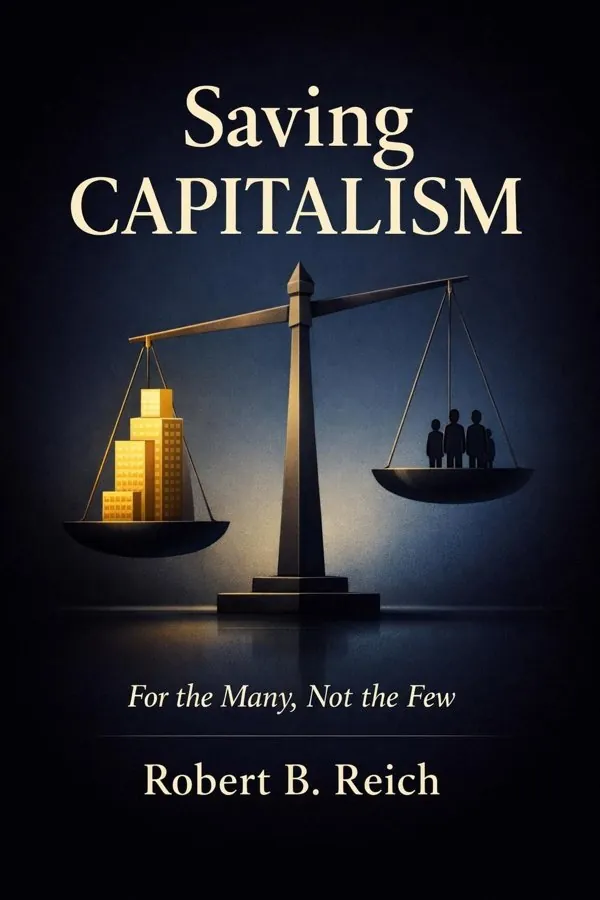
Saving Capitalism: For the Many, Not the Few
In this influential work, Robert B. Reich examines how economic power has become concentrated in the hands of a few, undermining democracy and fairness. He argues that capitalism itself is not the pro...
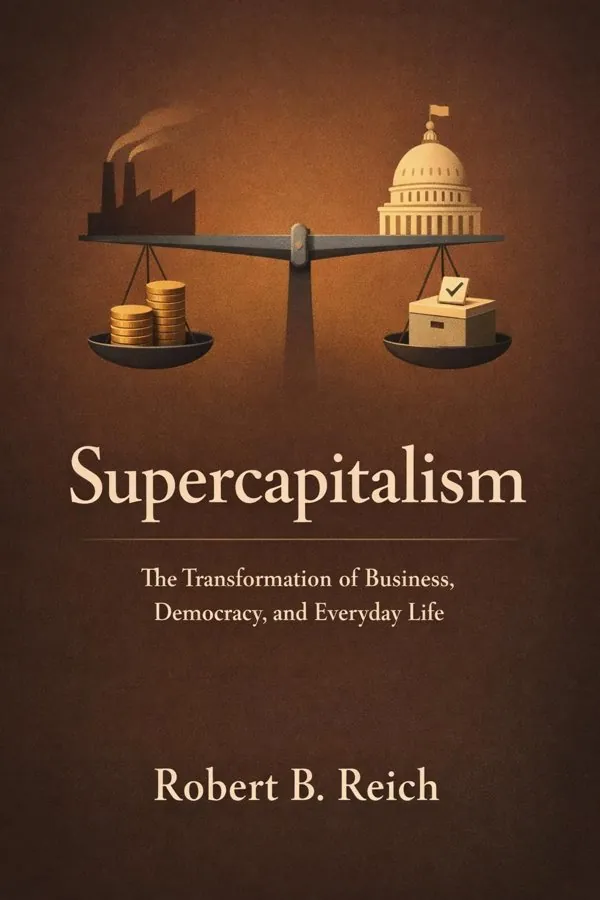
Supercapitalism: The Transformation of Business, Democracy, and Everyday Life
In Supercapitalism, Robert B. Reich explores how the rise of global capitalism since the 1970s has transformed the relationship between business, government, and citizens. He argues that while markets...
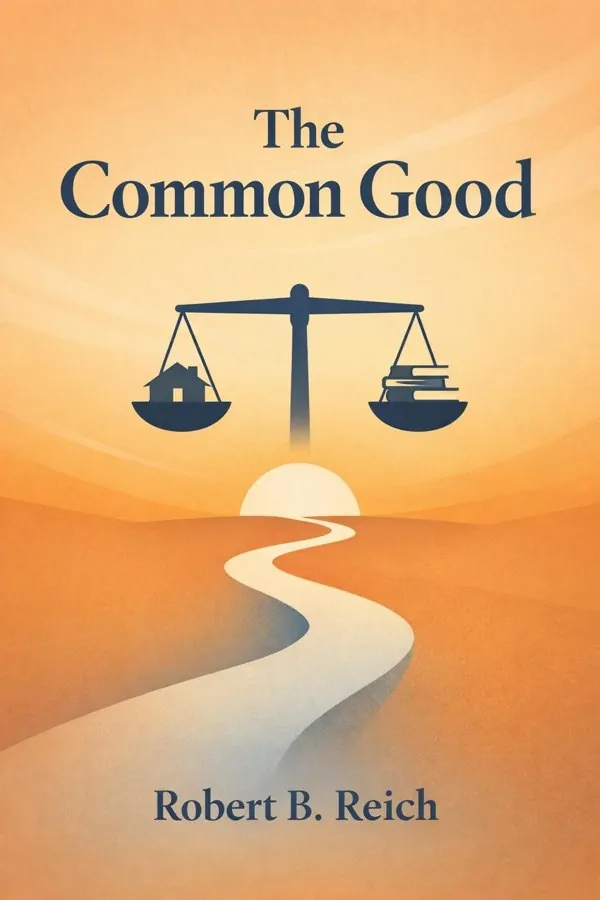
The Common Good
In this book, Robert B. Reich argues for the restoration of America's moral imagination and civic virtue. He explores how the idea of the common good—once central to American identity—has eroded under...
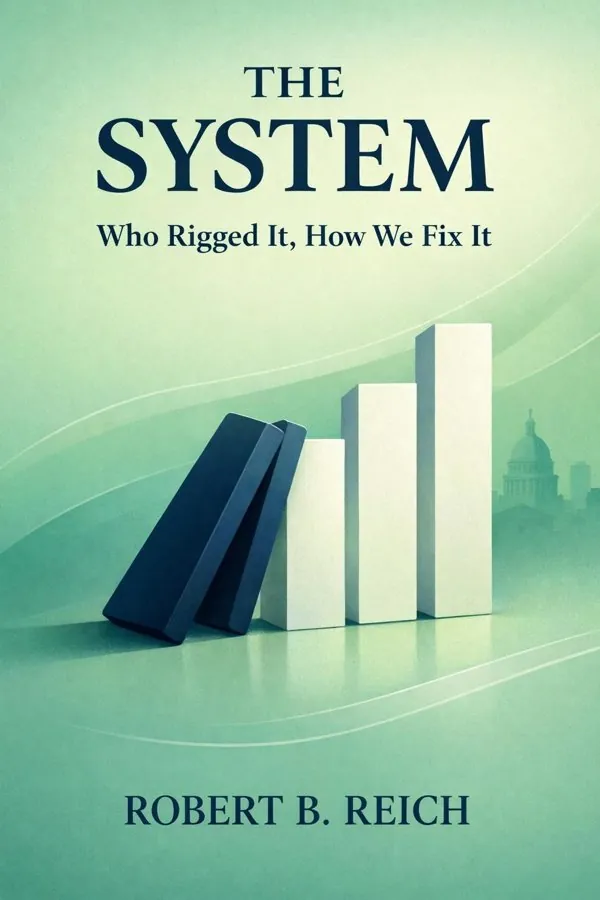
The System: Who Rigged It, How We Fix It
In this incisive work, Robert B. Reich examines how the American political and economic system has been structured to favor the wealthy and powerful. He explores the mechanisms of inequality, corporat...

The Work of Nations: Preparing Ourselves for 21st Century Capitalism
In this influential work, economist and former U.S. Labor Secretary Robert B. Reich examines how globalization and technological change have transformed the nature of work and the structure of economi...
Key Insights from Robert B. Reich
The Myth of the Free Market
From the earliest pages, I challenge one of the most persistent myths in modern political discourse — that markets exist somehow outside of government. Whenever someone tells you the market should be left alone, I urge you to ask: whose rules define that market? Property rights, contracts, bankruptc...
From Saving Capitalism: For the Many, Not the Few
The Five Building Blocks of Capitalism
To understand how markets function and who benefits from them, I examine five foundational areas that define capitalism’s architecture: property, monopoly, contracts, bankruptcy, and enforcement. Each of these institutions forms the scaffolding of the market, and each has been systematically reshape...
From Saving Capitalism: For the Many, Not the Few
The Rise and Fall of Democratic Capitalism
Looking back at the decades following World War II, I see a period that many Americans recall as the age of democratic capitalism. During those years, business, labor, and government worked together not perfectly, but effectively enough to create growth shared by a broad middle class. Corporations w...
From Supercapitalism: The Transformation of Business, Democracy, and Everyday Life
The Disruption of the 1970s and the Birth of Supercapitalism
If I were to pinpoint a turning point, the 1970s were the decade when everything changed. New technologies revolutionized production and communication. Deregulation, promoted in the name of efficiency, dismantled many of the constraints that had balanced corporate power. Globalization opened markets...
From Supercapitalism: The Transformation of Business, Democracy, and Everyday Life
Historical Context: The Roots of Civic Virtue
The idea of the common good has deep roots in American life. The Founders, though far from perfect in practice, understood that democracy is sustained not by self-interest alone but by a commitment to shared values. They warned of the dangers of factionalism—what James Madison called the tyranny of ...
From The Common Good
The Rise of Individualism: From Citizenship to Consumerism
Somewhere in the last half-century, America’s identity shifted. Where earlier generations spoke of duty, service, and public faith, our rhetoric began to glorify choice, competition, and personal freedom above all else. This transformation was cultural as much as economic. The ‘Me Decade’ of the 197...
From The Common Good
About Robert B. Reich
Robert B. Reich is an American economist, professor, author, and political commentator. He served as U.S. Secretary of Labor under President Bill Clinton and has written extensively on economics, inequality, and social justice. Reich is a professor of public policy at the University of California, B...
Read more
Robert B. Reich is an American economist, professor, author, and political commentator. He served as U.S. Secretary of Labor under President Bill Clinton and has written extensively on economics, inequality, and social justice. Reich is a professor of public policy at the University of California, B...
Robert B. Reich is an American economist, professor, author, and political commentator. He served as U.S. Secretary of Labor under President Bill Clinton and has written extensively on economics, inequality, and social justice. Reich is a professor of public policy at the University of California, Berkeley.


Frequently Asked Questions
Robert B. Reich is an American economist, professor, author, and political commentator.
Read Robert B. Reich's books in 15 minutes
Get AI-powered summaries with key insights from 5 books by Robert B. Reich.