
Neil deGrasse Tyson Books
Neil deGrasse Tyson is an American astrophysicist, author, and science communicator. He is the director of the Hayden Planetarium at the American Museum of Natural History and is known for his work in popularizing science through books, television, and public lectures.
Known for: Astrophysics for People in a Hurry, Death by Black Hole: And Other Cosmic Quandaries, Origins: Fourteen Billion Years of Cosmic Evolution, The Pluto Files: The Rise and Fall of America’s Favorite Planet, The Sky Is Not the Limit: Adventures of an Urban Astrophysicist, Welcome to the Universe: An Astrophysical Tour
Books by Neil deGrasse Tyson
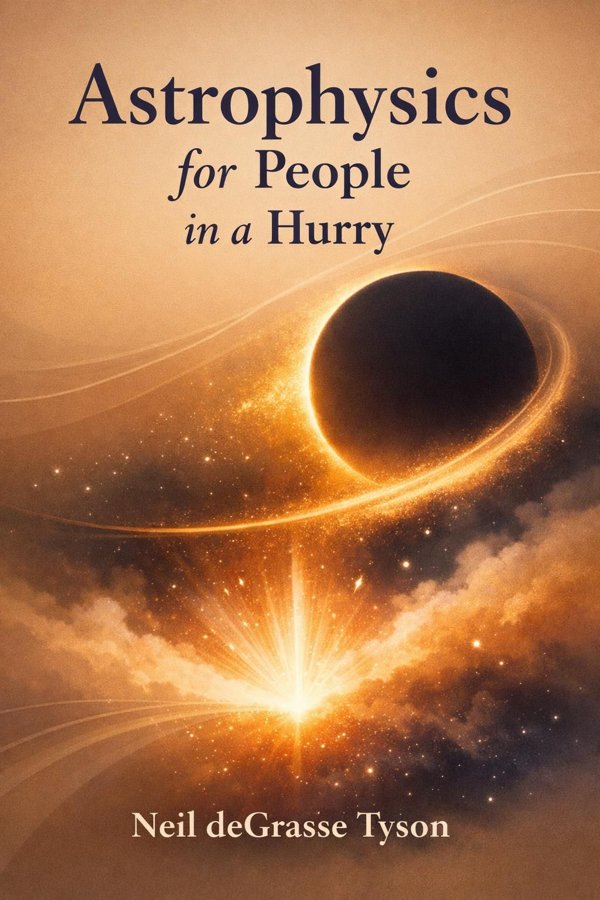
Astrophysics for People in a Hurry
Astrophysics for People in a Hurry offers a concise and accessible overview of the universe, explaining complex cosmic phenomena such as black holes, dark matter, and the Big Bang in clear, engaging l...
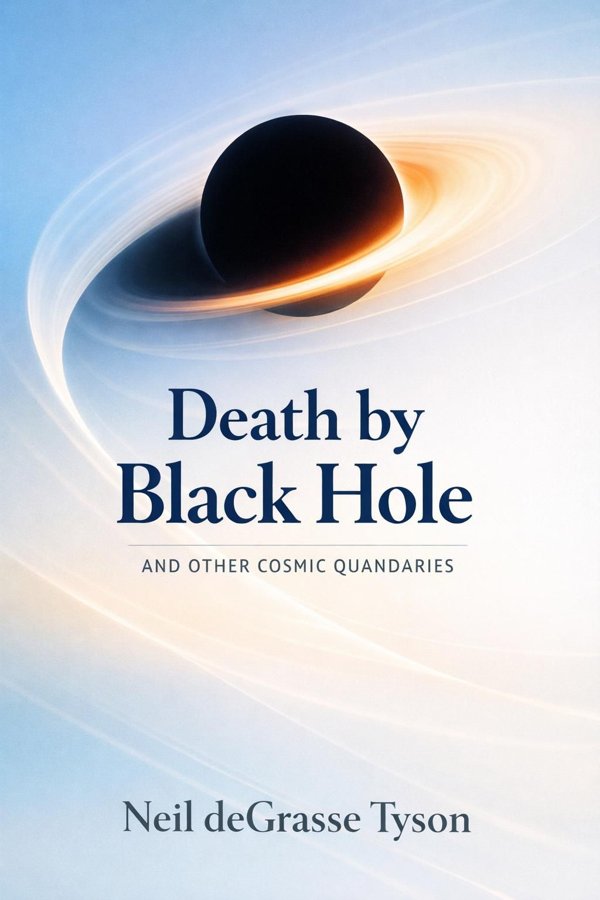
Death by Black Hole: And Other Cosmic Quandaries
What happens when one of modern science’s most gifted communicators invites you to think like an astrophysicist? In Death by Black Hole: And Other Cosmic Quandaries, Neil deGrasse Tyson turns the univ...
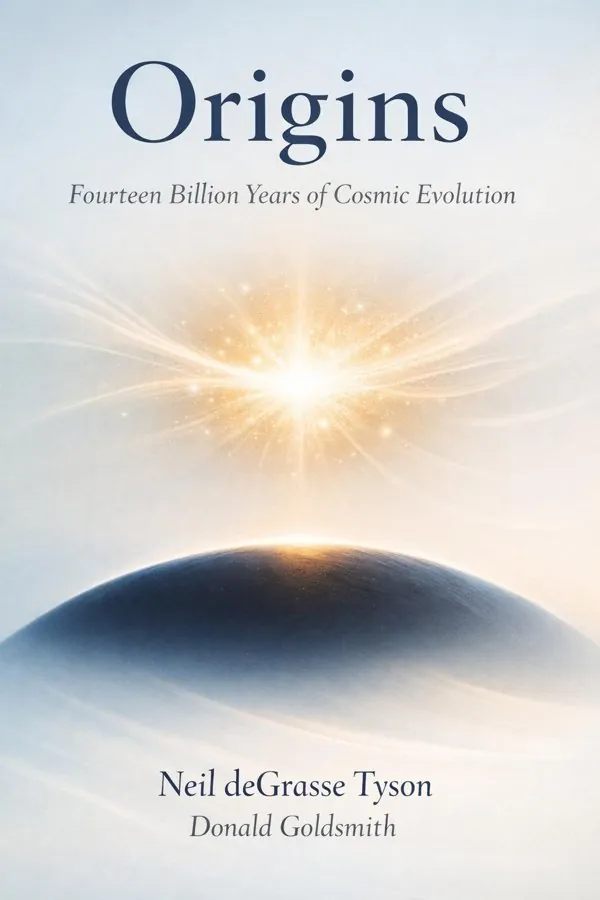
Origins: Fourteen Billion Years of Cosmic Evolution
This book explores the story of the universe from the Big Bang to the emergence of life and intelligence. Tyson and Goldsmith trace cosmic evolution across 14 billion years, explaining how galaxies, s...
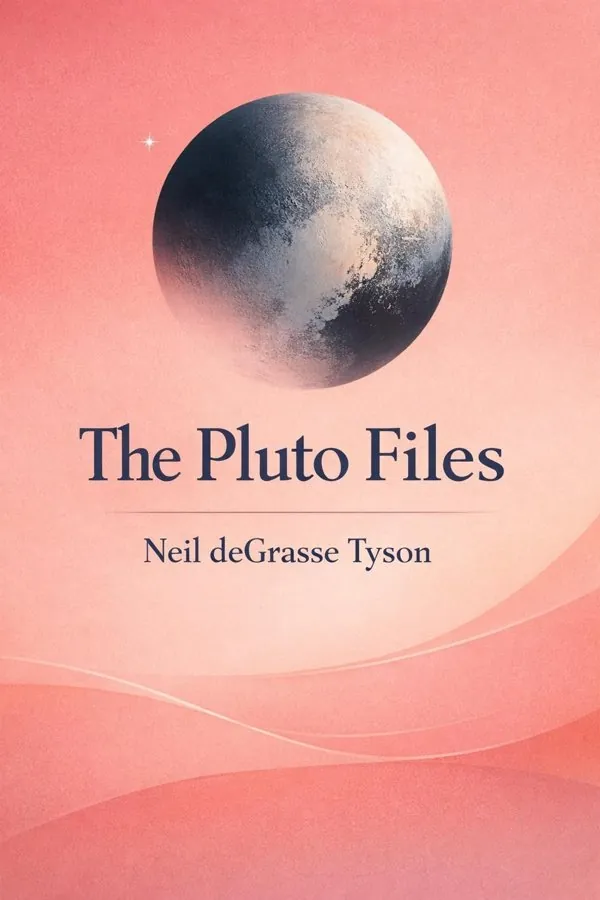
The Pluto Files: The Rise and Fall of America’s Favorite Planet
In this engaging and humorous exploration, Neil deGrasse Tyson recounts the cultural and scientific saga surrounding Pluto’s demotion from planet status. Drawing from letters, media reactions, and pub...
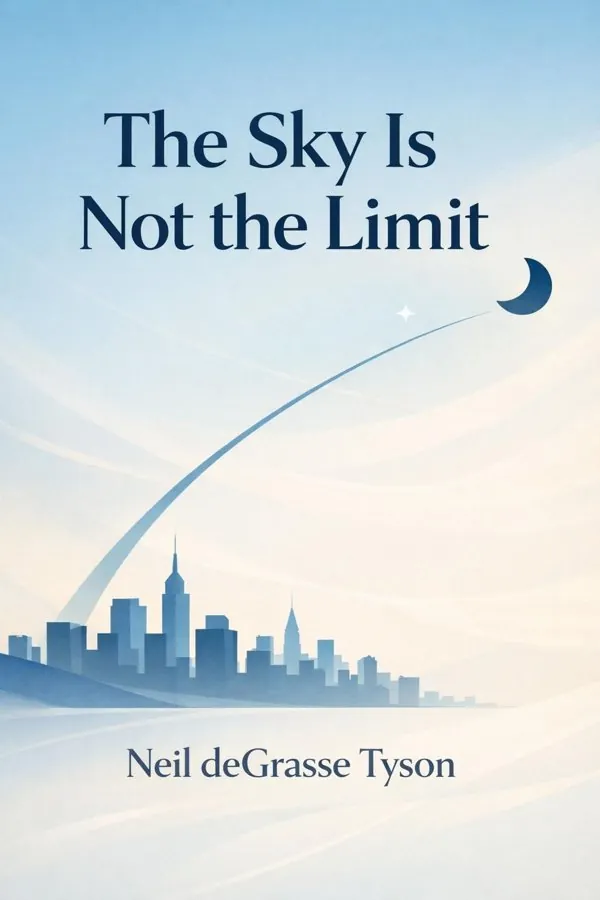
The Sky Is Not the Limit: Adventures of an Urban Astrophysicist
Neil deGrasse Tyson’s The Sky Is Not the Limit: Adventures of an Urban Astrophysicist is part memoir, part cultural reflection, and part celebration of scientific curiosity. Through a series of essays...
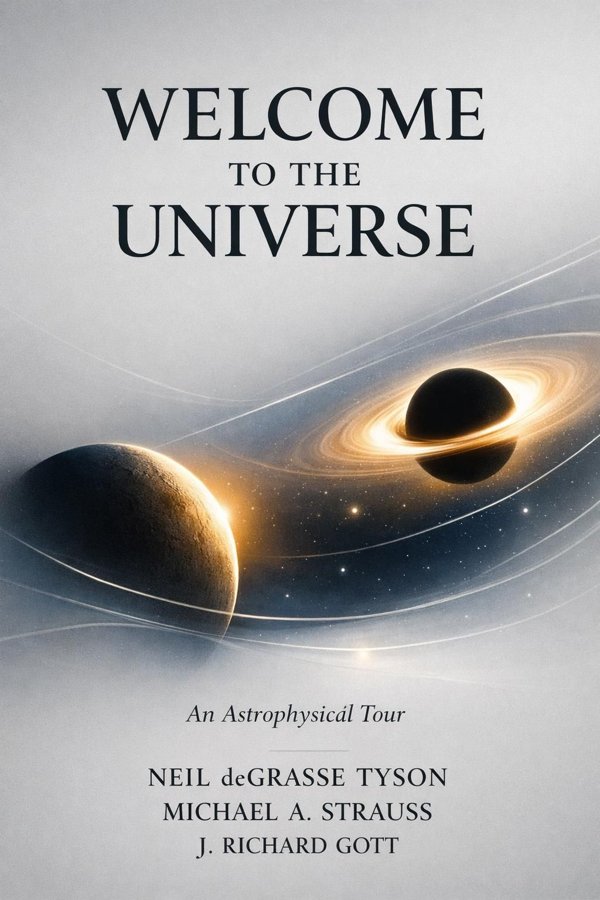
Welcome to the Universe: An Astrophysical Tour
Welcome to the Universe is an expansive and engaging introduction to astrophysics, based on the popular Princeton University course taught by Neil deGrasse Tyson, Michael A. Strauss, and J. Richard Go...
Key Insights from Neil deGrasse Tyson
The Greatest Story Ever Told
Every origin story shapes how we understand ourselves, and ours begins not in myth but in an explosion — the Big Bang. Thirteen-point-eight billion years ago, everything we know — space, time, energy, and matter — burst forth from a single, infinitesimal point. It wasn’t an explosion into space; it ...
From Astrophysics for People in a Hurry
On Earth as in the Heavens
We humans once believed Earth to be a realm apart from the heavens, a unique center around which everything revolved. But the more we learned, the clearer it became that the same laws governing an apple’s fall also steer the moon’s orbit and the stars’ dance. In physics, there is no distinction betw...
From Astrophysics for People in a Hurry
Knowledge Is Earned, Not Declared
One of science’s most radical ideas is that no person, institution, or tradition gets to decide what is true. Tyson repeatedly returns to this principle: scientific knowledge is not built on authority but on evidence. We know the Earth orbits the Sun, stars are born and die, and the universe evolves...
From Death by Black Hole: And Other Cosmic Quandaries
The Universe Lives Inside Everyday Life
It is easy to imagine the cosmos as remote, a glittering backdrop with little to do with daily life. Tyson shows the opposite: the universe is woven into the ordinary. The atoms in your body were forged in ancient stars. The tides respond to the Moon’s gravity. Seasons reflect Earth’s tilt, not its ...
From Death by Black Hole: And Other Cosmic Quandaries
When the Universe Turns Violent
The universe inspires awe, but Tyson does not let us romanticize it. Space can be catastrophic. Stars explode. Asteroids collide. Black holes shred matter. Radiation sterilizes. Gravity crushes. The title essay itself captures this unsentimental truth: if you got too close to a black hole, tidal for...
From Death by Black Hole: And Other Cosmic Quandaries
Light Is the Universe’s Messenger
Nearly everything we know about the universe comes to us on a beam of light. Tyson treats light not as a passive glow but as an information carrier, a cosmic messenger bearing clues about distance, temperature, composition, motion, and age. Since astronomers cannot usually touch, sample, or revisit ...
From Death by Black Hole: And Other Cosmic Quandaries
About Neil deGrasse Tyson
Neil deGrasse Tyson is an American astrophysicist, author, and science communicator. He is the director of the Hayden Planetarium at the American Museum of Natural History and is known for his work in popularizing science through books, television, and public lectures.


Frequently Asked Questions
Neil deGrasse Tyson is an American astrophysicist, author, and science communicator. He is the director of the Hayden Planetarium at the American Museum of Natural History and is known for his work in popularizing science through books, television, and public lectures.
Read Neil deGrasse Tyson's books in 15 minutes
Get AI-powered summaries with key insights from 6 books by Neil deGrasse Tyson.