

Italo Calvino Books
Italo Calvino (1923–1985) was one of the most important Italian writers of the twentieth century. Born in Santiago de Las Vegas, Cuba, and raised in Sanremo, he debuted after World War II with neorealist works such as "The Path to the Nest of Spiders.
Known for: Cosmicomics, Under the Jaguar Sun, If on a Winter's Night a Traveler, Invisible Cities, Marcovaldo, or The Seasons in the City, The Baron In The Trees, The Cosmicomics, The Nonexistent Knight
Books by Italo Calvino
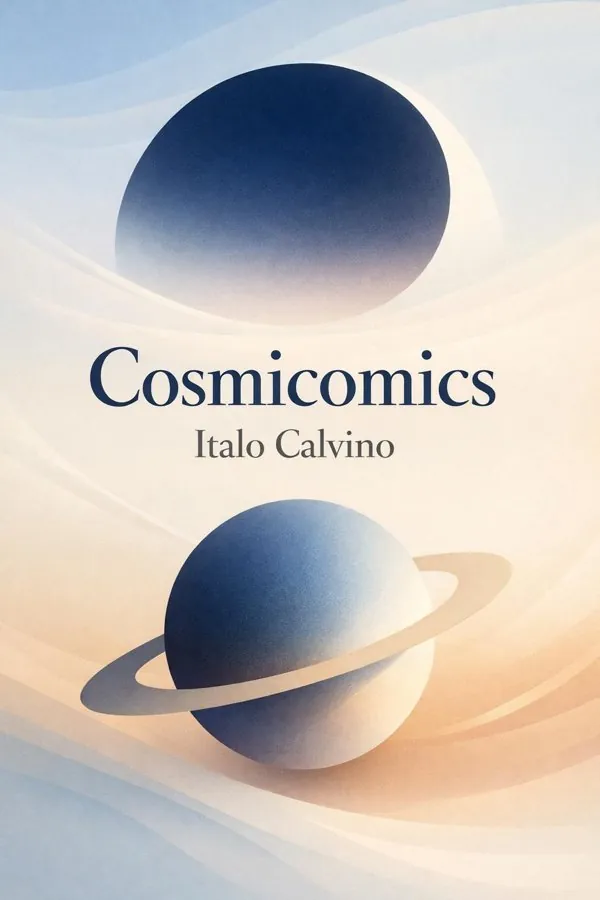
Cosmicomics
What if the history of the universe could be told not as a dry sequence of scientific events, but as a series of intimate, funny, and strangely human memories? That is the exhilarating premise of Cosm...
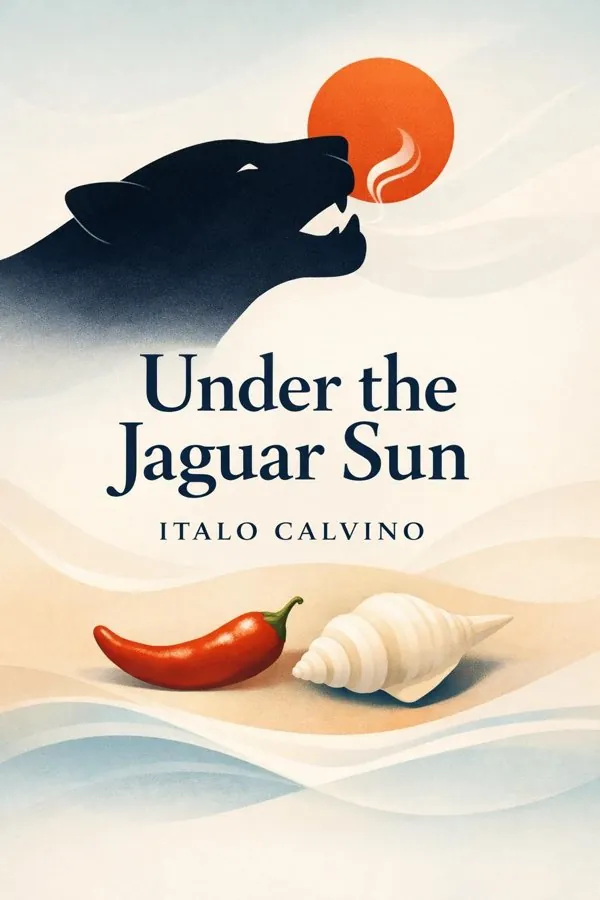
Under the Jaguar Sun
What if the senses were not just ways of perceiving the world, but entire languages through which desire, memory, and culture speak? Under the Jaguar Sun is Italo Calvino’s unfinished, posthumously pu...

If on a Winter's Night a Traveler
Originally published in 1979, If on a Winter’s Night a Traveler is Italo Calvino’s dazzling meditation on what it means to read, to desire stories, and to search for meaning in fragments. The novel be...
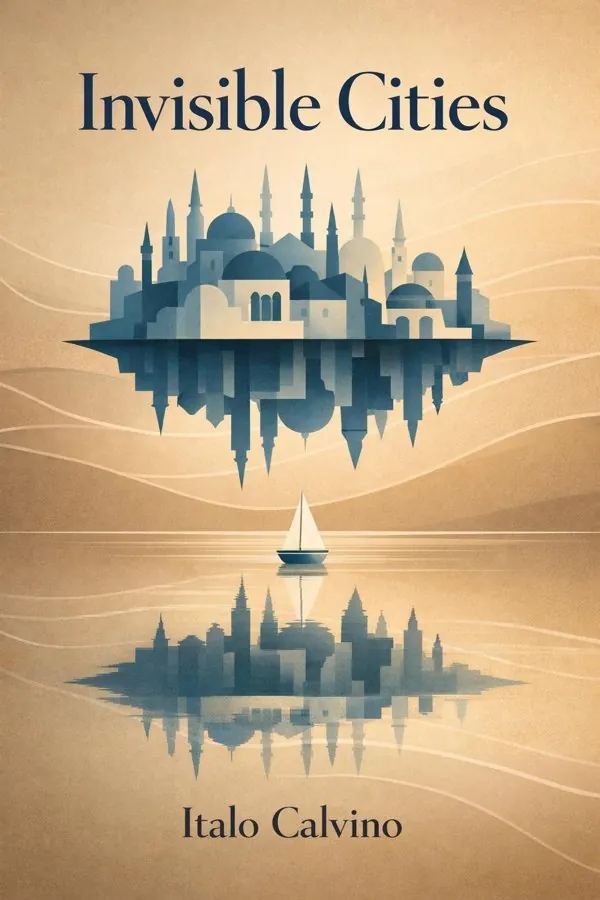
Invisible Cities
Invisible Cities is one of those rare books that feels both weightless and profound. First published in 1972, Italo Calvino’s novel imagines a series of conversations between the aging emperor Kublai ...
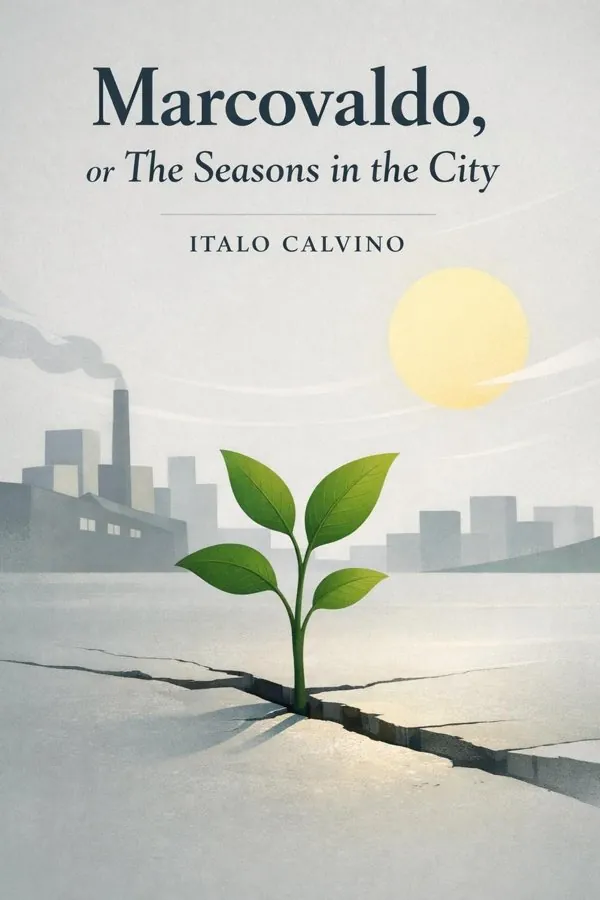
Marcovaldo, or The Seasons in the City
Marcovaldo, or The Seasons in the City is Italo Calvino’s tender, witty, and quietly devastating portrait of an ordinary laborer trying to stay human in an increasingly artificial world. First publish...
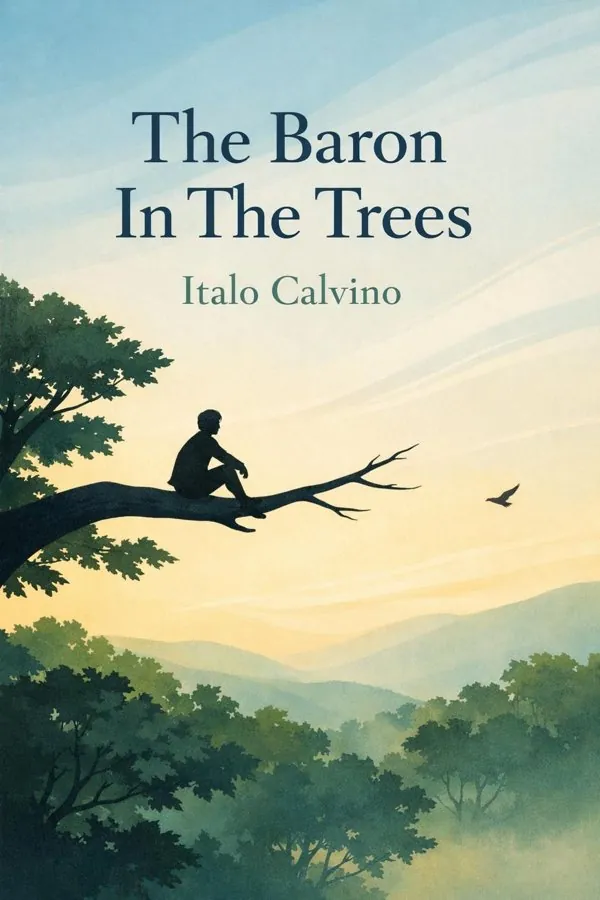
The Baron In The Trees
What if the most serious act of philosophy began with a child refusing dinner? In The Baron In The Trees, Italo Calvino turns a boy’s rebellion into one of modern literature’s most memorable thought e...
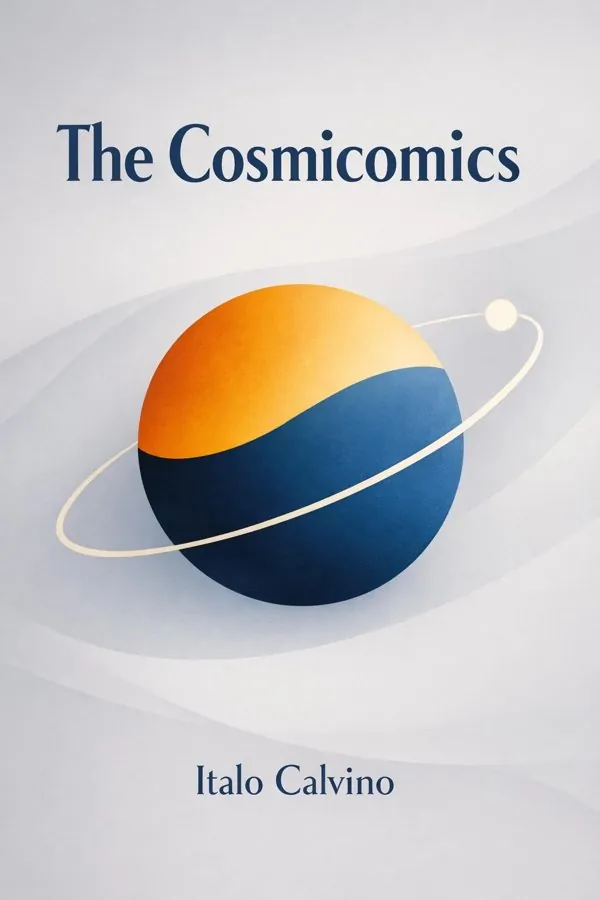
The Cosmicomics
The Cosmicomics is one of Italo Calvino’s most dazzling and original books: a collection of stories that begins with scientific facts and turns them into playful, philosophical fictions. First publish...
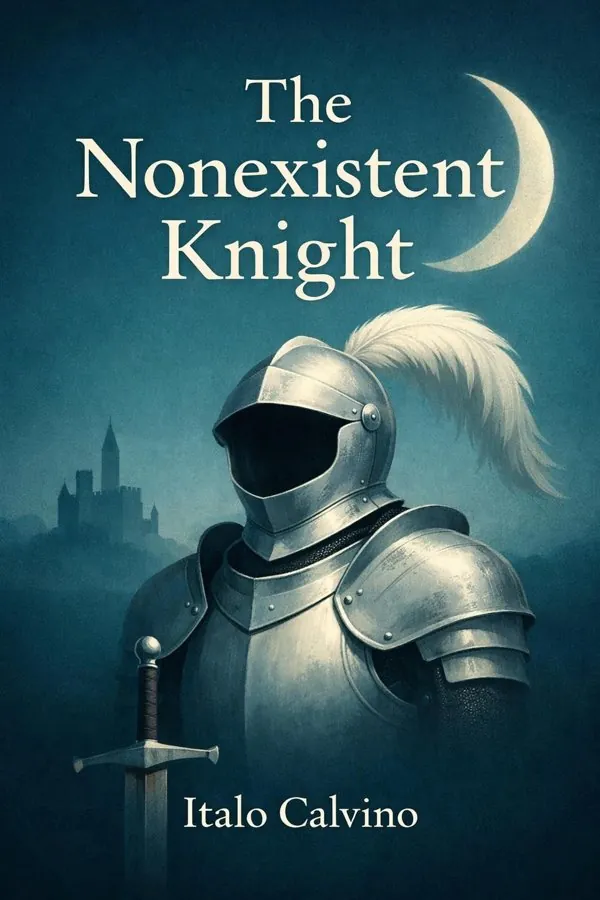
The Nonexistent Knight
What if the most perfect person in the room turned out to be empty inside? That dazzling paradox drives Italo Calvino’s The Nonexistent Knight, a witty, melancholic, and brilliantly inventive novel fi...
Key Insights from Italo Calvino
The Universe Becomes Intimately Human
A striking truth runs through Cosmicomics: even the largest realities become understandable when filtered through lived feeling. Calvino takes events so immense they seem impossible to picture—the formation of galaxies, the cooling of matter, the emergence of life—and gives them emotional texture. I...
From Cosmicomics
Science and Imagination Need Each Other
One of Calvino’s boldest claims is implicit rather than declared: imagination is not the enemy of science, but one of its natural companions. Each story in Cosmicomics begins with a scientific premise or hypothesis, often drawn from astronomy, physics, or evolutionary thought. Yet instead of treatin...
From Cosmicomics
Myth Survives Inside Modern Knowledge
Even in an age shaped by science, humans still reach for myth. Cosmicomics reveals that modern knowledge has not erased our need for symbolic storytelling; it has simply changed the materials from which stories are made. Calvino takes contemporary scientific ideas and treats them as if they were the...
From Cosmicomics
Time Changes Everything Except Desire
Cosmicomics repeatedly suggests that while forms, environments, and physical conditions change dramatically, certain emotional patterns persist. Qfwfq survives impossible spans of time, from primordial eras to more recognizable forms of existence, yet his reactions remain deeply familiar: he envies,...
From Cosmicomics
Comedy Makes Vast Ideas Bearable
A universe without humor would be unbearable, and Cosmicomics understands this instinctively. Calvino tackles subjects that could easily become solemn: cosmic origins, extinction, evolutionary struggle, the remorseless expansion of space. Yet the stories are light on their feet, filled with irony, a...
From Cosmicomics
Identity Is Fluid Across Every Age
One of the quiet marvels of Cosmicomics is its treatment of identity as something flexible, adaptive, and never fully fixed. Qfwfq is not stable in the ordinary sense. He appears across epochs, species, and states of matter, yet remains recognizably himself. Calvino uses this impossible continuity t...
From Cosmicomics
About Italo Calvino
Italo Calvino (1923–1985) was one of the most important Italian writers of the twentieth century. Born in Santiago de Las Vegas, Cuba, and raised in Sanremo, he debuted after World War II with neorealist works such as "The Path to the Nest of Spiders." He later developed a unique style combining ima...
Read more
Italo Calvino (1923–1985) was one of the most important Italian writers of the twentieth century. Born in Santiago de Las Vegas, Cuba, and raised in Sanremo, he debuted after World War II with neorealist works such as "The Path to the Nest of Spiders." He later developed a unique style combining ima...
Italo Calvino (1923–1985) was one of the most important Italian writers of the twentieth century. Born in Santiago de Las Vegas, Cuba, and raised in Sanremo, he debuted after World War II with neorealist works such as "The Path to the Nest of Spiders." He later developed a unique style combining imagination, philosophy, and structural precision in works like "Invisible Cities" and "Cosmicomics." Calvino is known for his intellectual playfulness and his reflections on literature as a form of construction and exploration.





Frequently Asked Questions
Italo Calvino (1923–1985) was one of the most important Italian writers of the twentieth century. Born in Santiago de Las Vegas, Cuba, and raised in Sanremo, he debuted after World War II with neorealist works such as "The Path to the Nest of Spiders.
Read Italo Calvino's books in 15 minutes
Get AI-powered summaries with key insights from 8 books by Italo Calvino.