

Eric Hobsbawm Books
Eric Hobsbawm (1917–2012) was a British historian known for his influential works on the history of capitalism, socialism, and revolution. He was a professor at Birkbeck College, University of London, and a member of the British Academy.
Known for: The Age of Capital, The Age of Extremes: 1914–1991: The Short Twentieth Century, The Age Of Empire: 1875–1914, The Age Of Extremes: The Short Twentieth Century, 1914–1991, The Age of Revolution: 1789–1848, The Invention of Tradition
Books by Eric Hobsbawm
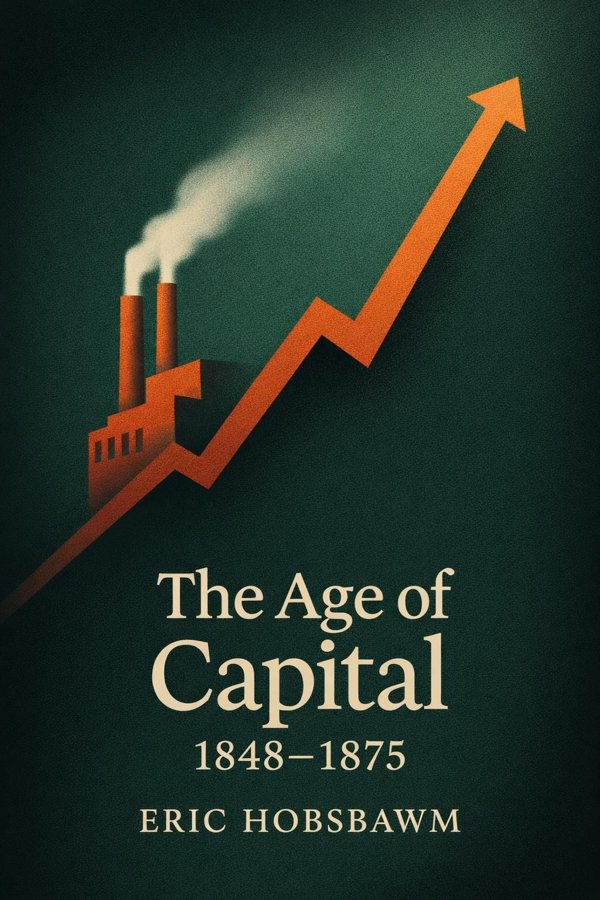
The Age of Capital
The Age of Capital: 1848–1875 is Eric Hobsbawm’s sweeping account of the decades in which capitalism moved from disruptive force to organizing principle of the modern world. Beginning in the aftermath...
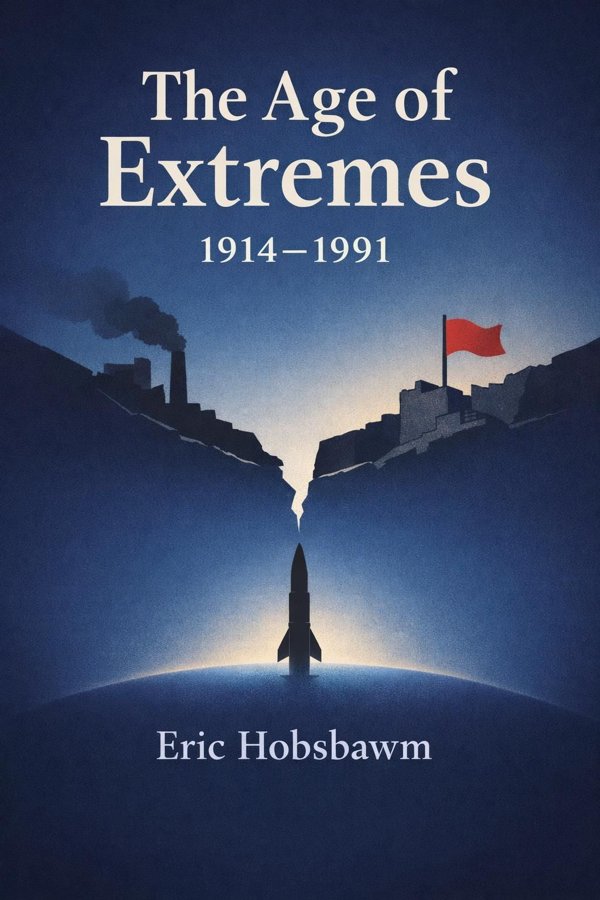
The Age of Extremes: 1914–1991: The Short Twentieth Century
Eric Hobsbawm’s The Age of Extremes: 1914–1991: The Short Twentieth Century is one of the most ambitious histories ever written about the modern world. Instead of treating the twentieth century as a s...
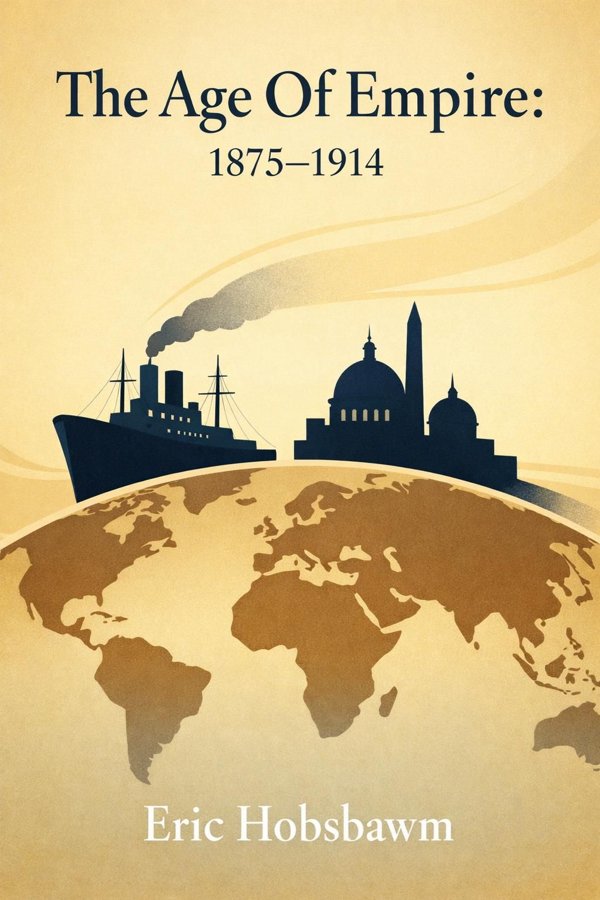
The Age Of Empire: 1875–1914
Eric Hobsbawm’s The Age Of Empire: 1875–1914 is a sweeping account of the world in the decades before the First World War, when industrial capitalism reached new heights, European empires expanded acr...
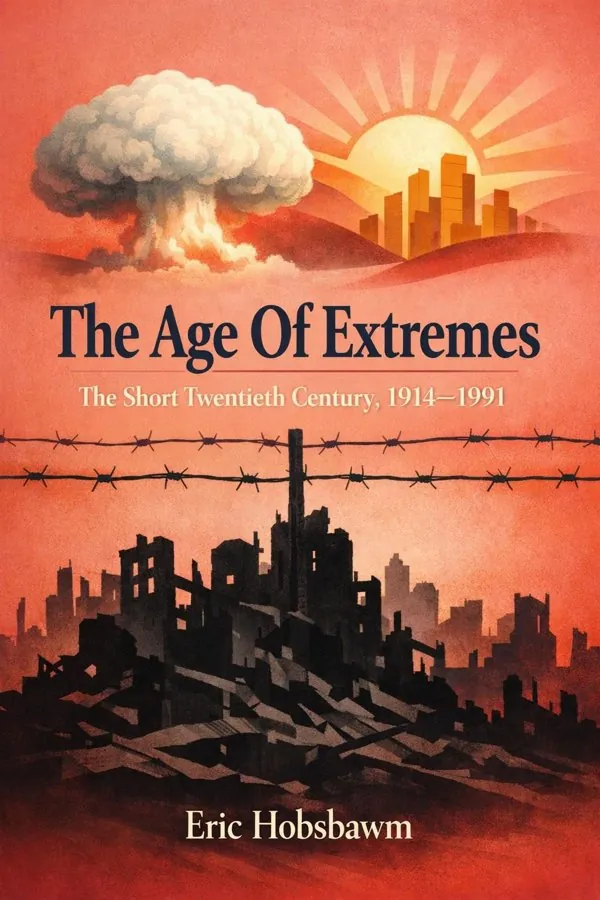
The Age Of Extremes: The Short Twentieth Century, 1914–1991
The Age of Extremes: The Short Twentieth Century, 1914–1991 is a historical analysis of the twentieth century by British historian Eric Hobsbawm. The book divides the century into three distinct perio...
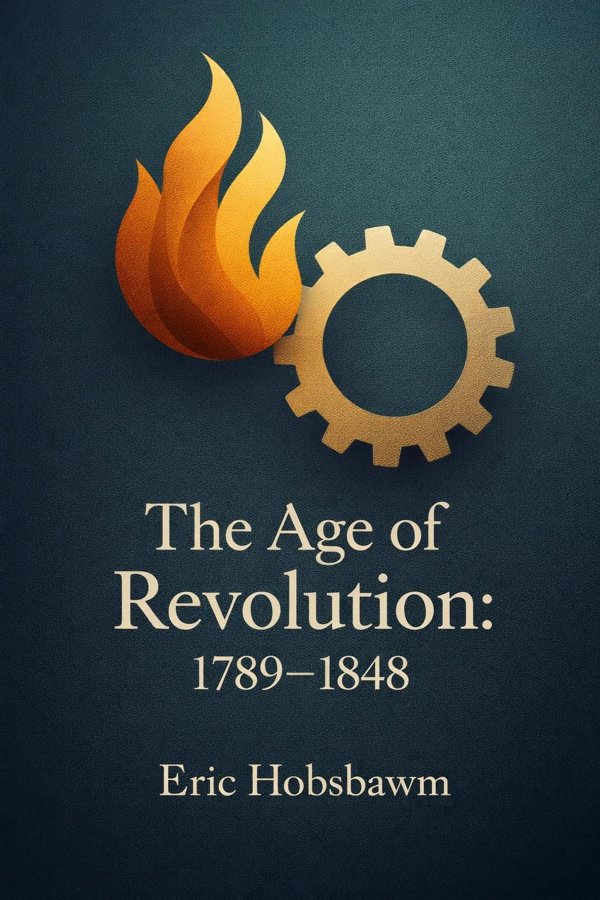
The Age of Revolution: 1789–1848
Eric Hobsbawm’s The Age of Revolution: 1789–1848 is one of the most influential interpretations of the modern world’s birth. Covering the turbulent decades between the French Revolution and the revolu...
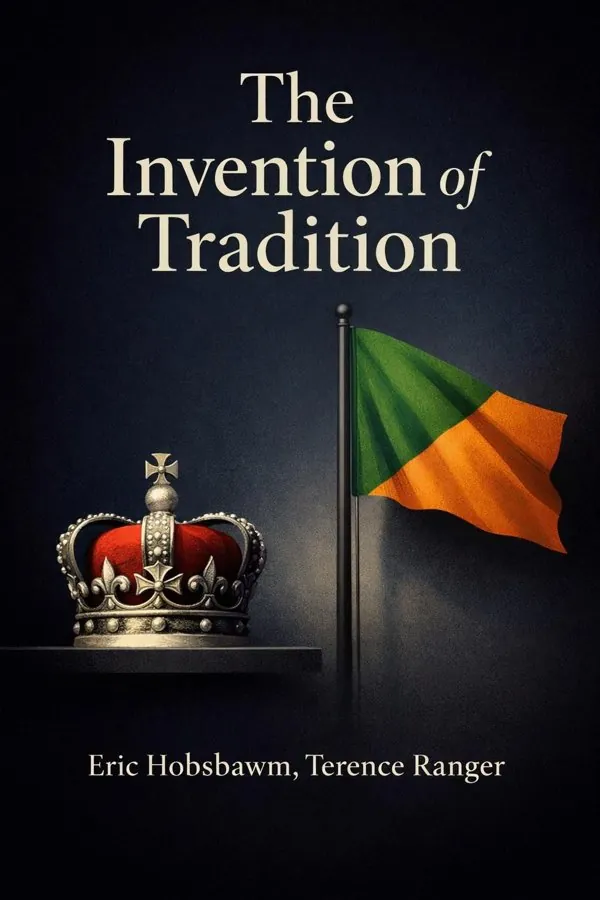
The Invention of Tradition
What if some of the most “ancient” customs in modern society are not ancient at all? In The Invention of Tradition, historians Eric Hobsbawm and Terence Ranger assemble a powerful set of essays arguin...
Key Insights from Eric Hobsbawm
Order Replaced the Spirit of Revolution
History often advances not only through victories, but through the consequences of defeat. Hobsbawm argues that the revolutions of 1848 failed in immediate political terms, yet their collapse helped create the conditions for a more stable and expansive capitalist order. The radical coalitions of wor...
From The Age of Capital
Industrial Capitalism Entered Its Heroic Age
Prosperity can feel natural in retrospect, but Hobsbawm reminds us that the mid-nineteenth century witnessed an extraordinary acceleration in productive power. Between roughly 1850 and 1875, industrial capitalism entered what he portrays as its heroic age. Britain remained the leading industrial pow...
From The Age of Capital
The Bourgeoisie Became Society’s Ruling Class
A class truly rules when its values become common sense. One of Hobsbawm’s central insights is that the age was not defined only by economic growth, but by the cultural and social ascendancy of the bourgeoisie. The middle classes—industrialists, merchants, professionals, financiers, and administrato...
From The Age of Capital
Trade and Finance Bound the World Together
Globalization did not begin in our time; the nineteenth century built one of its earliest powerful versions. Hobsbawm shows that the age of capital was marked by the dramatic integration of world markets through trade, shipping, insurance, banking, and investment. Goods, money, and information moved...
From The Age of Capital
Capitalism Reached Deep Into the Countryside
Modernity is often imagined as an urban story, but Hobsbawm insists that capitalism transformed the countryside as well. Agriculture in the age of capital did not remain a traditional world untouched by markets. Instead, rural life was increasingly reorganized by commercial pressures, technological ...
From The Age of Capital
Progress Became a Secular Faith
Few ideas were more powerful in the nineteenth century than the belief that history was moving forward. Hobsbawm emphasizes that the age of capital was sustained not only by profits and institutions, but by a broad ideology of liberalism, science, and progress. Many educated Europeans came to believ...
From The Age of Capital
About Eric Hobsbawm
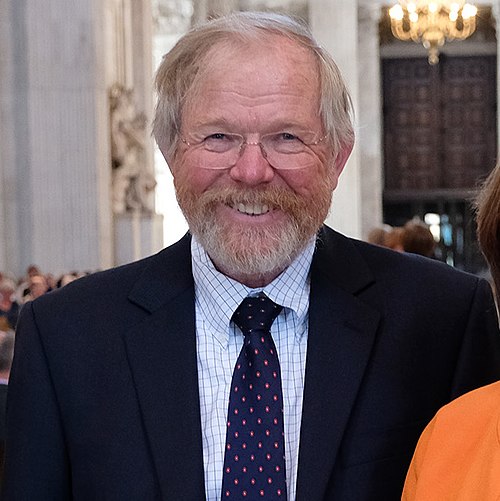
Eric Hobsbawm (1917–2012) was a British historian known for his influential works on the history of capitalism, socialism, and revolution. He was a professor at Birkbeck College, University of London, and a member of the British Academy. His 'Age' series is regarded as a cornerstone of modern histor...
Read more
Eric Hobsbawm (1917–2012) was a British historian known for his influential works on the history of capitalism, socialism, and revolution. He was a professor at Birkbeck College, University of London, and a member of the British Academy. His 'Age' series is regarded as a cornerstone of modern histor...
Eric Hobsbawm (1917–2012) was a British historian known for his influential works on the history of capitalism, socialism, and revolution. He was a professor at Birkbeck College, University of London, and a member of the British Academy. His 'Age' series is regarded as a cornerstone of modern historical scholarship.


Frequently Asked Questions
Eric Hobsbawm (1917–2012) was a British historian known for his influential works on the history of capitalism, socialism, and revolution. He was a professor at Birkbeck College, University of London, and a member of the British Academy.
Read Eric Hobsbawm's books in 15 minutes
Get AI-powered summaries with key insights from 6 books by Eric Hobsbawm.