
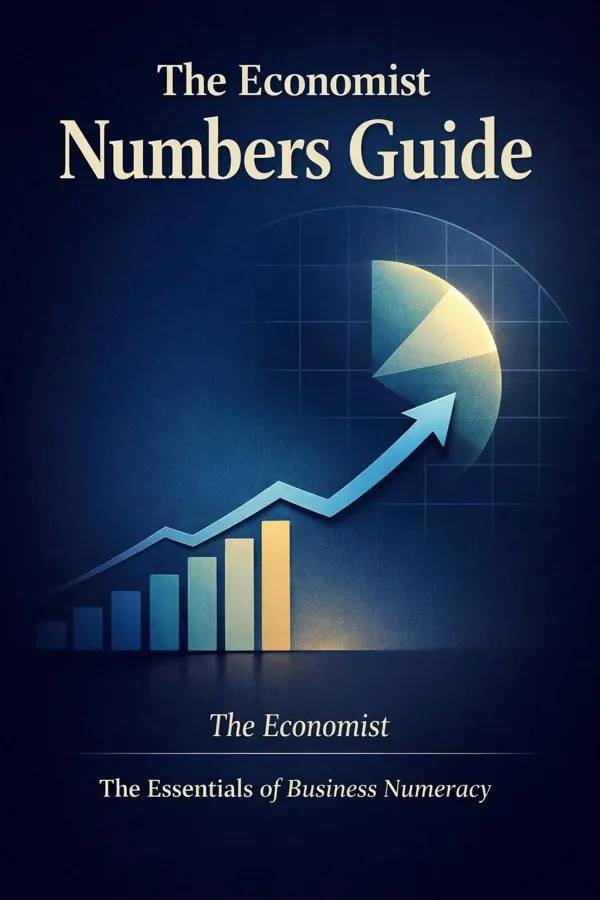
The Spy and the Traitor: Summary & Key Insights
 10 min9 chapters
Key Takeaways from The Spy and the Traitor
The most consequential betrayals often begin not with greed, but with conscience.
In espionage, information matters, but trust decides everything.
A regime obsessed with control often becomes incapable of seeing reality.
The most valuable secret is often not a weapon design, but an intention correctly understood.
Heroism is not always dramatic in the moment; sometimes it is the discipline to live for years under unbearable pressure.
What Is The Spy and the Traitor About?
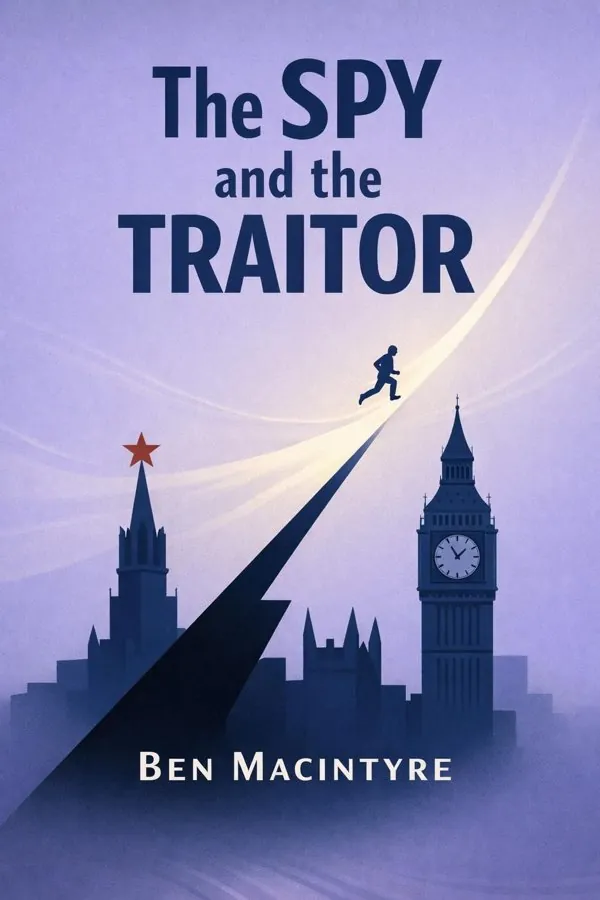
The Spy and the Traitor by Ben Macintyre is a non-fiction book published in 2001 spanning 5 pages. The Spy and the Traitor is a gripping work of narrative nonfiction that recounts one of the most extraordinary espionage stories of the Cold War: the life of Oleg Gordievsky, a senior KGB officer who secretly became a British agent. Rather than treating espionage as glamorous myth, Ben Macintyre reveals it as a world built on fear, deception, ideology, loyalty, and astonishing personal risk. At the center of the book is a profound question: what makes a man betray one system in the name of a higher truth? Through Gordievsky’s double life, Macintyre explores the psychological and political tensions that defined the late Soviet era and shaped East-West relations. The book matters because it turns history into lived experience. It shows how intelligence can alter diplomacy, avert escalation, and expose the inner weaknesses of authoritarian power. Macintyre is uniquely suited to tell this story. Known for transforming archival research and interviews into fast-paced, deeply human narratives, he combines journalistic precision with the suspense of a thriller. The result is both a page-turner and a serious study of courage, trust, and the hidden battles behind world events.
This FizzRead summary covers all 9 key chapters of The Spy and the Traitor in approximately 10 minutes, distilling the most important ideas, arguments, and takeaways from Ben Macintyre's work.
The Spy and the Traitor
The Spy and the Traitor is a gripping work of narrative nonfiction that recounts one of the most extraordinary espionage stories of the Cold War: the life of Oleg Gordievsky, a senior KGB officer who secretly became a British agent. Rather than treating espionage as glamorous myth, Ben Macintyre reveals it as a world built on fear, deception, ideology, loyalty, and astonishing personal risk. At the center of the book is a profound question: what makes a man betray one system in the name of a higher truth? Through Gordievsky’s double life, Macintyre explores the psychological and political tensions that defined the late Soviet era and shaped East-West relations.
The book matters because it turns history into lived experience. It shows how intelligence can alter diplomacy, avert escalation, and expose the inner weaknesses of authoritarian power. Macintyre is uniquely suited to tell this story. Known for transforming archival research and interviews into fast-paced, deeply human narratives, he combines journalistic precision with the suspense of a thriller. The result is both a page-turner and a serious study of courage, trust, and the hidden battles behind world events.
Who Should Read The Spy and the Traitor?
This book is perfect for anyone interested in non-fiction and looking to gain actionable insights in a short read. Whether you're a student, professional, or lifelong learner, the key ideas from The Spy and the Traitor by Ben Macintyre will help you think differently.
- ✓Readers who enjoy non-fiction and want practical takeaways
- ✓Professionals looking to apply new ideas to their work and life
- ✓Anyone who wants the core insights of The Spy and the Traitor in just 10 minutes
Want the full summary?
Get instant access to this book summary and 100K+ more with Fizz Moment.
Get Free SummaryAvailable on App Store • Free to download
Key Chapters
The most consequential betrayals often begin not with greed, but with conscience. One of the central ideas in The Spy and the Traitor is that Oleg Gordievsky did not become a British asset simply because he wanted adventure or personal gain. His transformation began with a growing revulsion toward the Soviet system itself. He saw the brutality behind official rhetoric, especially after events such as the crushing of reform movements in Eastern Europe, and he gradually concluded that the regime he served was morally bankrupt.
This matters because the book challenges the simplistic idea that spies are motivated only by money, blackmail, or ego. Macintyre shows that ideology and ethics can be stronger motivators than material reward. Gordievsky’s inner break with the Soviet Union happened before his formal recruitment. His espionage was therefore not merely a professional betrayal; it was an act of political and moral rebellion.
In practical terms, this idea applies beyond intelligence work. Employees, citizens, and leaders often remain outwardly loyal long after inwardly losing faith in an institution. Organizations that rely on fear, secrecy, and propaganda may appear stable while actually breeding silent dissent. The lesson for governments and companies alike is that legitimacy cannot be manufactured through control alone.
For readers, the takeaway is clear: watch for the gap between outward compliance and inward conviction. Systems collapse first in the mind. If you want to understand loyalty, do not only ask what people are doing. Ask what they have stopped believing.
In espionage, information matters, but trust decides everything. The relationship between Gordievsky and his British handlers is one of the book’s most powerful themes. Here was a man embedded inside the KGB, feeding secrets to the West while living under constant threat of exposure. Yet no intelligence operation could function on data alone. It required trust built patiently over years: trust that messages would be delivered, that meetings would remain secure, that each side would protect the other when pressure intensified.
Macintyre makes clear that this trust was never sentimental. It was disciplined, procedural, and repeatedly tested. Every covert signal, dead drop, and face-to-face contact carried risk. A single mistake could mean imprisonment, torture, or execution. The remarkable achievement of the British services was not just recruiting Gordievsky, but sustaining a relationship robust enough to survive fear, distance, and political uncertainty.
This has broad relevance in modern life. High-stakes environments—whether in intelligence, medicine, law, finance, or entrepreneurship—depend on people sharing sensitive information honestly and reliably. Formal systems matter, but relationships often determine whether critical warnings are believed in time. Leaders who create cultures of fear may receive obedience, but they rarely receive the truth.
A practical example is crisis management. During organizational crises, teams perform best when key individuals trust one another enough to speak candidly and act quickly. Suspicion slows response. Trust accelerates it.
The actionable takeaway: if you want access to the truth, become trustworthy before you become demanding. In any high-pressure system, trust is not a soft virtue. It is operational infrastructure.
The most valuable secret is often not a weapon design, but an intention correctly understood. A major contribution of The Spy and the Traitor is its demonstration that intelligence work is not only about stealing plans or exposing agents; it can also reduce the risk of war. Through Gordievsky, the British and their allies gained insight into Soviet fears, misinterpretations, and internal anxieties during a period of intense Cold War suspicion. That knowledge helped Western leaders understand how dangerously the Kremlin could misread military exercises or political rhetoric.
Macintyre’s account is especially illuminating because it reframes espionage as a stabilizing force rather than simply a shadow war. Good intelligence can clarify motives, test assumptions, and prevent each side from acting on false narratives. In tense geopolitical environments, misunderstanding is often more dangerous than hostility. If one nation mistakes defensive signaling for offensive preparation, escalation can become self-fulfilling.
This insight has practical value beyond statecraft. In business negotiations, personal conflict, and institutional politics, many crises intensify because one side misreads the intentions of the other. Reliable information, gathered patiently and interpreted soberly, can prevent costly overreaction.
A simple example: a manager who seeks direct, verified feedback before responding to rumors is less likely to trigger panic or punish the wrong person. Likewise, policymakers who understand an opponent’s fears may avoid gestures that accidentally provoke aggression.
The actionable takeaway is this: before reacting to behavior, investigate perception. The path to stability often begins with understanding how the other side sees the situation. Accurate intelligence does not merely win contests. It can stop tragedies before they begin.
Heroism is not always dramatic in the moment; sometimes it is the discipline to live for years under unbearable pressure. Gordievsky’s life as a double agent required a form of courage far more sustained than the quick bravery of action scenes. He had to perform loyalty to the KGB while secretly undermining it, knowing that exposure could destroy not only him but also those connected to him. He could not speak freely, trust widely, or relax fully. His heroism was measured in repeated acts of composure.
Macintyre excels at showing the psychological burden of this life. Espionage here is not romanticized as glamorous adventure. It is exhausting. It requires memory, restraint, constant improvisation, and the ability to function while afraid. This is one reason the book resonates so strongly: it reveals courage as something quieter and more durable than popular culture often suggests.
In ordinary life, many important acts of courage look similar. Whistleblowers, reformers, investigative journalists, and ethical leaders often endure long periods of uncertainty before any public recognition arrives. Their challenge is not a single dramatic decision but sustained fidelity to a principle under pressure.
A practical application is to rethink how we judge resilience. Teams often celebrate visible confidence, but the deeper form of strength may be steady, ethical persistence when circumstances are unclear and support is limited.
The takeaway: do not define courage only by bold moments. Often the hardest bravery is maintaining integrity over time, especially when fear is chronic, recognition is absent, and the safest choice would be silence.
In the world of spies, survival depends on details so small that ordinary people would dismiss them. The Spy and the Traitor vividly shows how covert operations rely on tradecraft: coded signals, surveillance detection routes, prearranged messages, inconspicuous objects, and carefully timed movements. These are not decorative flourishes. They are the practical mechanics that keep an agent alive.
Macintyre’s storytelling highlights a critical truth: complex missions succeed because small procedures are executed consistently. A chalk mark in the right place, a glance at the right moment, a routine altered too suddenly—such details can decide whether a source is protected or exposed. Tradecraft is therefore less about clever gadgets than about disciplined process under pressure.
This principle applies widely. In aviation, cybersecurity, medicine, and emergency response, catastrophic failures often come from neglected small steps rather than dramatic blunders. Checklists, protocols, and rehearsed contingency plans can look tedious until they are all that stands between order and disaster.
For example, strong digital security often depends on unglamorous habits: verifying identities, using layered authentication, documenting anomalies, and avoiding predictable routines. Just as in espionage, consistency matters more than flair.
The broader lesson is that professionalism is often invisible. The public notices outcomes, but experts know that outcomes are built from meticulous habits. The successful extraction at the heart of the book is thrilling precisely because it rests on months and years of preparation.
Actionable takeaway: take your small procedures seriously. In any high-stakes domain, repeated attention to minor details creates the conditions for major success. What seems trivial in calm moments becomes decisive when pressure arrives.
When danger peaks, courage alone is not enough; escape requires preparation shaped by realism. One of the most unforgettable sections of The Spy and the Traitor is the operation to get Gordievsky out of the Soviet Union after suspicion fell on him. This sequence is thrilling, but its deeper importance lies in what it teaches about crisis response. The escape worked not because someone improvised brilliantly at the last second, but because contingency plans had been created, memorized, and preserved long before they were needed.
Macintyre shows how effective rescue depends on a combination of patience and speed. Plans must be detailed enough to guide action, yet flexible enough to adapt to changing conditions. Timing is crucial. Move too early and you expose the operation; move too late and the opportunity disappears. Nerve is equally essential, because even the best plan demands people who can execute it while under extreme stress.
This idea has clear practical uses. Individuals and organizations often assume they will “figure it out” in a crisis. But under pressure, options narrow and cognitive performance declines. Preplanned responses—whether for cyberattacks, public relations disasters, legal threats, or personal emergencies—dramatically increase the chance of success.
A useful example is succession or incident planning in companies. Firms that rehearse emergency procedures recover faster than those relying on charismatic improvisation.
The takeaway is decisive: hope is not a strategy. If the stakes are high, create contingency plans before you need them, revisit them regularly, and make sure the people involved understand both the script and the principles behind it.
History often looks impersonal from a distance, but it frequently turns on the decisions of singular individuals. The Spy and the Traitor makes this point with exceptional force. Gordievsky was not a president, a general, or a public dissident. He was an intelligence officer operating in secret. Yet the information he passed to Britain affected how leaders understood Soviet thinking at critical moments. His choices influenced diplomacy, strategic caution, and the Western reading of a hostile superpower’s intentions.
Macintyre avoids exaggeration, but he also refuses the lazy view that only institutions matter. Systems are made of people, and people can act unexpectedly inside them. One individual with access, conviction, and discipline can alter outcomes far beyond what his formal rank might suggest.
This is a useful corrective in everyday life. Many people assume that unless they occupy visible leadership positions, their choices do not matter much. But whistleblowers can expose corruption, analysts can prevent financial mistakes, engineers can avert safety failures, and editors can shape public understanding. Influence is often positional in hidden ways.
The practical application is to take personal responsibility seriously, especially when you possess information others lack. Silence can preserve a system; truth can redirect it.
The actionable takeaway: never underestimate the leverage of one informed, principled person. You may not control the whole system, but your decision at the right moment can change what the system becomes. History is not only made by rulers. It is also made by those who refuse to serve lies.
Statistics and treaties explain eras, but stories explain people. Another key strength of The Spy and the Traitor is the way Macintyre turns the Cold War from an abstract geopolitical rivalry into a deeply human drama. Through Gordievsky and the people around him, readers feel what it meant to live inside systems of surveillance, suspicion, ideology, and fear. This is not just informative; it changes how history is understood.
By focusing on character, motive, and lived experience, Macintyre reveals that major political conflicts are shaped by ordinary human realities: family strain, loneliness, ambition, guilt, conviction, and hope. That human focus helps readers grasp why historical actors behaved as they did. It also prevents the past from becoming emotionally flat. The Cold War was not merely a strategic chessboard. It was a world of private risks and irreversible decisions.
This approach offers a practical lesson for anyone trying to understand complex events today. Whether analyzing politics, organizations, or social movements, facts are necessary but incomplete. To understand why people act, we must ask what they fear, what they desire, and what stories they believe about themselves.
In communication, teaching, and leadership, this means pairing analysis with narrative. Data can persuade the mind, but stories often move judgment and memory more effectively.
The takeaway: if you want to understand large systems, study the human beings inside them. Institutions create pressure, but people create action. The clearest route to deep understanding is often not more abstraction, but more attention to lived experience.
All Chapters in The Spy and the Traitor
About the Author
Ben Macintyre is a British author, historian, and journalist celebrated for his bestselling works of narrative nonfiction, particularly on espionage and wartime deception. A longtime writer for The Times of London, where he has served as a columnist and associate editor, Macintyre is known for combining rigorous historical research with the pacing and character depth of a thriller. His books often draw on archives, interviews, and newly available intelligence material to illuminate hidden episodes of modern history. Among his best-known titles are Agent Zigzag, Operation Mincemeat, Double Cross, A Spy Among Friends, and The Spy and the Traitor. Macintyre’s distinctive strength lies in making complex political and intelligence histories accessible, suspenseful, and emotionally vivid for a broad audience.
Get This Summary in Your Preferred Format
Read or listen to the The Spy and the Traitor summary by Ben Macintyre anytime, anywhere. FizzRead offers multiple formats so you can learn on your terms — all free.
Available formats: App · Audio · PDF · EPUB — All included free with FizzRead
Download The Spy and the Traitor PDF and EPUB Summary
Key Quotes from The Spy and the Traitor
“The most consequential betrayals often begin not with greed, but with conscience.”
“In espionage, information matters, but trust decides everything.”
“A regime obsessed with control often becomes incapable of seeing reality.”
“The most valuable secret is often not a weapon design, but an intention correctly understood.”
“Heroism is not always dramatic in the moment; sometimes it is the discipline to live for years under unbearable pressure.”
Frequently Asked Questions about The Spy and the Traitor
The Spy and the Traitor by Ben Macintyre is a non-fiction book that explores key ideas across 9 chapters. The Spy and the Traitor is a gripping work of narrative nonfiction that recounts one of the most extraordinary espionage stories of the Cold War: the life of Oleg Gordievsky, a senior KGB officer who secretly became a British agent. Rather than treating espionage as glamorous myth, Ben Macintyre reveals it as a world built on fear, deception, ideology, loyalty, and astonishing personal risk. At the center of the book is a profound question: what makes a man betray one system in the name of a higher truth? Through Gordievsky’s double life, Macintyre explores the psychological and political tensions that defined the late Soviet era and shaped East-West relations. The book matters because it turns history into lived experience. It shows how intelligence can alter diplomacy, avert escalation, and expose the inner weaknesses of authoritarian power. Macintyre is uniquely suited to tell this story. Known for transforming archival research and interviews into fast-paced, deeply human narratives, he combines journalistic precision with the suspense of a thriller. The result is both a page-turner and a serious study of courage, trust, and the hidden battles behind world events.
More by Ben Macintyre


You Might Also Like


Browse by Category
Ready to read The Spy and the Traitor?
Get the full summary and 100K+ more books with Fizz Moment.