
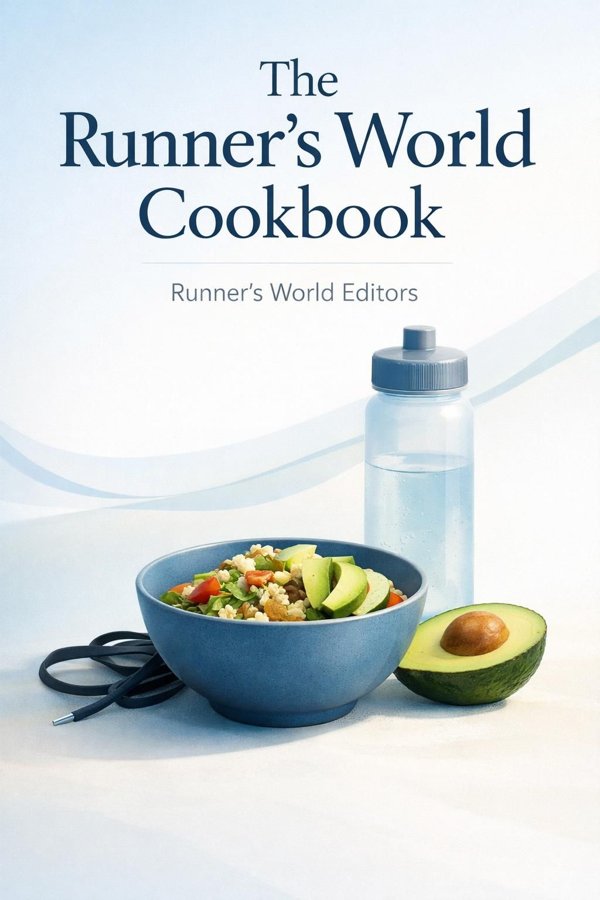
The Runner’s World Cookbook: 150 Ultimate Recipes for Fueling Up and Slimming Down—While Enjoying Every Bite: Summary & Key Insights
 10 min10 chaptersAudio available
Key Takeaways from The Runner’s World Cookbook: 150 Ultimate Recipes for Fueling Up and Slimming Down—While Enjoying Every Bite
Many runners assume performance depends mostly on miles logged, but what happens in the kitchen often determines what happens on the road.
A good run can be ruined long before it starts, often by eating the right foods at the wrong time or the wrong foods in the right amount.
The minutes after a hard run are easy to waste, yet they are among the most nutritionally important parts of the day.
Performance is built less by occasional perfect meals than by ordinary food choices repeated over time.
Breakfast is often treated as optional, but for active people it can function as the day’s first performance decision.
What Is The Runner’s World Cookbook: 150 Ultimate Recipes for Fueling Up and Slimming Down—While Enjoying Every Bite About?
The Runner’s World Cookbook: 150 Ultimate Recipes for Fueling Up and Slimming Down—While Enjoying Every Bite by Runner’s World Editors is a nutrition book spanning 11 pages. The Runner’s World Cookbook is more than a recipe collection for athletes. It is a practical guide to eating in a way that supports performance, recovery, weight management, and long-term health without turning every meal into a math problem. Built around 150 recipes, the book shows runners and active people how to prepare breakfasts, snacks, main meals, drinks, and desserts that fit the real demands of training and everyday life. Its central promise is refreshingly realistic: you can eat well, enjoy your food, and still fuel your body intelligently. What makes this book especially useful is its blend of sports nutrition principles and kitchen practicality. Instead of offering abstract advice alone, the Runner’s World editors translate research-backed guidance into meals people can actually make on busy weekdays. The result is a cookbook that helps readers understand not only what to eat, but when and why. Backed by one of the most trusted names in running media, the book draws on the expertise of editors, coaches, nutrition specialists, and experienced athletes. For beginners trying to eat better or seasoned runners refining their routine, it offers a clear, motivating path from theory to plate.
This FizzRead summary covers all 10 key chapters of The Runner’s World Cookbook: 150 Ultimate Recipes for Fueling Up and Slimming Down—While Enjoying Every Bite in approximately 10 minutes, distilling the most important ideas, arguments, and takeaways from Runner’s World Editors's work. Also available as an audio summary and Key Quotes Podcast.
The Runner’s World Cookbook: 150 Ultimate Recipes for Fueling Up and Slimming Down—While Enjoying Every Bite
The Runner’s World Cookbook is more than a recipe collection for athletes. It is a practical guide to eating in a way that supports performance, recovery, weight management, and long-term health without turning every meal into a math problem. Built around 150 recipes, the book shows runners and active people how to prepare breakfasts, snacks, main meals, drinks, and desserts that fit the real demands of training and everyday life. Its central promise is refreshingly realistic: you can eat well, enjoy your food, and still fuel your body intelligently.
What makes this book especially useful is its blend of sports nutrition principles and kitchen practicality. Instead of offering abstract advice alone, the Runner’s World editors translate research-backed guidance into meals people can actually make on busy weekdays. The result is a cookbook that helps readers understand not only what to eat, but when and why. Backed by one of the most trusted names in running media, the book draws on the expertise of editors, coaches, nutrition specialists, and experienced athletes. For beginners trying to eat better or seasoned runners refining their routine, it offers a clear, motivating path from theory to plate.
Who Should Read The Runner’s World Cookbook: 150 Ultimate Recipes for Fueling Up and Slimming Down—While Enjoying Every Bite?
This book is perfect for anyone interested in nutrition and looking to gain actionable insights in a short read. Whether you're a student, professional, or lifelong learner, the key ideas from The Runner’s World Cookbook: 150 Ultimate Recipes for Fueling Up and Slimming Down—While Enjoying Every Bite by Runner’s World Editors will help you think differently.
- ✓Readers who enjoy nutrition and want practical takeaways
- ✓Professionals looking to apply new ideas to their work and life
- ✓Anyone who wants the core insights of The Runner’s World Cookbook: 150 Ultimate Recipes for Fueling Up and Slimming Down—While Enjoying Every Bite in just 10 minutes
Want the full summary?
Get instant access to this book summary and 100K+ more with Fizz Moment.
Get Free SummaryAvailable on App Store • Free to download
Key Chapters
Many runners assume performance depends mostly on miles logged, but what happens in the kitchen often determines what happens on the road. The book begins with the idea that food is not merely calories; it is information for the body. Carbohydrates replenish glycogen and provide readily available energy, protein repairs muscle tissue and supports adaptation, and fat contributes satiety, hormone function, and endurance support. The challenge is not to glorify one nutrient and fear another, but to match the balance to the body’s needs.
For runners, carbohydrates tend to matter more than they do for sedentary people because they fuel moderate to high-intensity exercise. Yet the book avoids extreme carb-loading logic and instead emphasizes quality sources such as oats, whole grains, fruit, beans, and starchy vegetables. Protein is framed as a daily necessity rather than just a post-workout add-on, with eggs, yogurt, fish, poultry, legumes, tofu, and nuts helping support recovery. Healthy fats from avocado, seeds, olive oil, and nuts make meals more satisfying and nutritionally complete.
The recipes illustrate this balance in action. A breakfast might combine Greek yogurt, berries, and granola. A lunch could pair grains with lean protein and vegetables. Dinner may center on pasta, beans, and greens instead of oversized portions of meat alone. The point is to build meals that are useful, not trendy.
Actionable takeaway: Review your typical daily meals and ask whether each includes a meaningful source of carbohydrates, protein, and healthy fat in proportions that match your activity level.
A good run can be ruined long before it starts, often by eating the right foods at the wrong time or the wrong foods in the right amount. One of the book’s key lessons is that pre-run nutrition should create usable energy without causing digestive discomfort. Before exercise, the goal is not to eat a perfect meal but to choose foods that digest smoothly and leave you feeling light, stable, and ready to move.
The general principle is simple: prioritize easily digestible carbohydrates, keep fiber and fat moderate if the run is close, and avoid large portions right before heading out. A longer gap before the workout allows for a fuller meal such as oatmeal with banana, toast with nut butter, or rice with eggs. If you are eating within 30 to 60 minutes of a run, a smaller snack like a banana, applesauce, half a bagel, or a few crackers may work better. The book’s practical approach is especially valuable because it respects individual variation. Some runners tolerate dairy, coffee, or whole grains before a workout; others do not.
This idea extends beyond race day. Smart pre-run eating helps weekday training feel more consistent, especially for morning runners who often underfuel or eat too heavily. Experimentation is encouraged, but it should be deliberate. Try one variable at a time and notice your energy, stomach comfort, and pace.
Actionable takeaway: Create a short list of two or three pre-run meals and snacks that reliably give you energy without stomach issues, then use them consistently before key workouts.
The minutes after a hard run are easy to waste, yet they are among the most nutritionally important parts of the day. The book emphasizes that recovery is not passive; it is something you actively support with food and fluids. After exercise, the body is primed to replace glycogen, repair muscle fibers, and restore hydration. Waiting too long or skipping recovery nutrition can leave you more fatigued, hungrier later, and less ready for the next session.
A strong recovery meal or snack usually includes both carbohydrates and protein. Carbohydrates refill energy stores, while protein supports muscle repair. This can be simple rather than elaborate: chocolate milk, yogurt with fruit, a smoothie with milk and banana, toast with eggs, or leftovers from dinner. The recipes in the book make this process easier by offering meals that work beyond the gym-bag stereotype of protein shakes. Soups, grain bowls, egg dishes, and wraps can all function as effective recovery meals.
Hydration also belongs in the recovery conversation. If the run was long, hot, or sweaty, replacing fluids and sodium matters just as much as calories. The book’s practical tone reminds readers that recovery food should be available and realistic. The best recovery plan is not the fanciest one; it is the one you will actually use after a tiring session.
Actionable takeaway: Decide in advance what your post-run recovery option will be for busy days, and keep the ingredients or prepared foods available so recovery becomes automatic instead of accidental.
Performance is built less by occasional perfect meals than by ordinary food choices repeated over time. One of the most useful themes in the book is that runners should think beyond workout-specific fueling and pay attention to everyday eating. Training is stressful by design, and the body handles that stress better when breakfast, lunch, dinner, and snacks are generally balanced, sufficient, and nutrient-dense.
This means daily meals should support energy stability, immune function, mood, and recovery. Runners who under-eat on easy days, skip meals because they are busy, or rely on processed convenience foods may find themselves tired, injury-prone, or constantly craving sugar at night. The cookbook addresses this by offering practical meals that fit regular life: hearty breakfasts, portable snacks, satisfying lunches, and simple dinners that do not require gourmet skills.
An important insight here is that runners are not only runners. They are workers, parents, students, and commuters. A useful nutrition strategy must fit real schedules. Batch-cooked grains, chopped vegetables, boiled eggs, soups, and freezer-friendly meals help bridge the gap between ideal intentions and busy reality. The book also quietly reinforces a healthier mindset: eating well should improve life, not dominate it.
When daily eating is thoughtful, workout nutrition becomes easier because the body begins from a stronger baseline. You are less likely to show up depleted, overhungry, or under-recovered.
Actionable takeaway: Build a weekly eating routine around a few dependable breakfasts, lunches, and snacks so your training is supported by consistent nourishment, not last-minute improvisation.
Breakfast is often treated as optional, but for active people it can function as the day’s first performance decision. The book gives breakfast special importance because it can replenish energy after an overnight fast, improve concentration, reduce later overeating, and support morning training. A strong breakfast does not need to be large or complicated; it needs to be purposeful.
The recipes show how breakfast can combine comfort with function. Oatmeal bowls, egg dishes, smoothies, pancakes with healthier twists, and yogurt-based options can all provide carbohydrates for energy and protein for staying power. For runners who train in the morning, breakfast may happen in two stages: a light pre-run bite and a fuller post-run meal. For those who exercise later, breakfast becomes a chance to front-load nutrients and stabilize appetite.
The book also pushes back against bland “diet food” thinking. A healthy breakfast can be flavorful, satisfying, and varied. Fruit adds freshness and carbohydrates, nuts and seeds contribute texture and fat, and spices or herbs can transform simple ingredients. This matters because sustainable nutrition depends on enjoyment. If breakfast is always joyless, it will eventually be skipped or replaced by convenience snacks.
A broader lesson emerges here: meals that support fitness should still feel like meals, not punishments. Breakfast can be both nourishing and appealing, which increases the odds that healthy habits stick.
Actionable takeaway: Choose one protein-rich and one carb-rich breakfast you enjoy enough to repeat during the week, then make them your default options for busy mornings.
After a long day, many runners think a useful dinner has to be either ultra-clean or highly specialized. The book argues for a more practical truth: the best training-day meals are often straightforward combinations of familiar foods prepared well. Main dishes matter because they are a major opportunity to restore energy, eat enough vegetables, include quality protein, and make the next day’s training easier.
The cookbook’s dinner philosophy centers on flexibility. Pasta can be performance food when paired with vegetables, lean meat, beans, or tomato-based sauces. Stir-fries can deliver carbohydrates, protein, and color in one pan. Chili, grain bowls, tacos, soups, and roasted sheet-pan meals can all support athletic goals while feeding families and fitting budgets. This is one of the book’s most appealing strengths: it does not isolate the runner from normal eating.
Portioning is guided by context rather than rigid rules. A hard training day may call for more carbohydrates, while a rest day might naturally shift toward slightly lighter servings without becoming restrictive. Flavor is treated as an ally, not a threat. Herbs, spices, citrus, and sauces help make healthy meals satisfying enough to repeat.
The deeper message is that sustainable sports nutrition often looks like good home cooking. When dinner is balanced, enjoyable, and easy to prepare, nutrition stops feeling like a separate project and becomes part of daily life.
Actionable takeaway: Pick three weeknight dinners that combine a carbohydrate base, a protein source, and vegetables, and rotate them during heavier training weeks.
There is a lingering myth that runners need meat at the center of every plate to stay strong. The book challenges that assumption by highlighting vegetarian and vegan recipes that provide energy, protein, micronutrients, and satisfaction. Plant-based eating is presented not as a limitation but as a versatile way to support training while expanding the range of ingredients and flavors in the diet.
Beans, lentils, tofu, tempeh, nuts, seeds, whole grains, and soy foods can all contribute meaningful protein. At the same time, fruits, vegetables, and legumes provide carbohydrates, antioxidants, and fiber that support overall health and recovery. For runners who reduce or eliminate animal products, the practical task is planning meals with enough total energy and enough attention to nutrients such as iron, calcium, vitamin B12, zinc, and omega-3 fats.
The recipes demonstrate that plant-based performance eating can be hearty and approachable: bean stews, grain salads, vegetable pastas, smoothies, curries, and breakfast dishes built around oats or tofu. Even runners who are not vegetarian benefit from this section because it increases meal variety and makes healthy eating more affordable and flexible.
What matters most is not food identity but nutritional adequacy. A runner can thrive on omnivorous, vegetarian, or vegan meals if they are thoughtfully composed. The book’s tone is inclusive rather than ideological, which makes it useful for mixed households and curious readers alike.
Actionable takeaway: Add one fully plant-based meal to your weekly rotation and make sure it includes a clear source of protein, a substantial carbohydrate, and colorful produce.
Fatigue, sluggishness, and poor recovery are often blamed on fitness when the real issue is fluid balance. The book treats hydration as a foundational part of performance, but it does so with helpful nuance. Drinking enough water matters, yet hydration is not a one-size-fits-all formula. Sweat rate, weather, training intensity, and body size all influence what an athlete needs.
For short or easy runs, water may be sufficient. For longer sessions, hot conditions, or very sweaty workouts, sodium and carbohydrates can become important too. This is where smoothies, homemade drinks, soups, fruits, and water-rich foods can all contribute. The cookbook’s beverage and smoothie ideas are especially practical because they combine hydration with nutrition. A smoothie can support fluid intake while also delivering carbohydrates, protein, and micronutrients in a portable form.
Another valuable point is that thirst alone may not always be a perfect guide, particularly after demanding exercise or during busy days. Developing habits such as drinking with meals, carrying a bottle, and checking urine color can help maintain baseline hydration. At the same time, the book avoids overcomplication. Most runners do not need to obsess over electrolyte chemistry every day; they need to pay more consistent attention.
Hydration works best when integrated into ordinary routines instead of handled only during races. When fluids are neglected, even the best meal plan cannot fully compensate.
Actionable takeaway: Match your hydration to your training demands by using water for normal days and adding electrolytes or a recovery smoothie after long, hot, or especially sweaty workouts.
One reason many nutrition plans fail is that they quietly assume enjoyment is the enemy. This cookbook takes the opposite stance: food should support performance and still be something to look forward to. The dessert and treat philosophy in the book is not about endless indulgence or rigid denial. It is about building a way of eating that includes pleasure without losing sight of health and body goals.
This matters because runners are often caught between two extremes. On one side is the belief that exercise justifies mindless overeating; on the other is the idea that discipline requires cutting out anything sweet, rich, or comforting. The book proposes a middle path. Desserts can be portion-conscious, ingredient-smart, and satisfying at the same time. Fruit-based sweets, baked goods with improved nutritional profiles, and treats that include nuts, whole grains, or yogurt show how indulgence can be woven into an active lifestyle.
Psychologically, this approach supports consistency. When people permit enjoyable foods in a thoughtful way, they are less likely to swing between strictness and overcompensation. It also reinforces a broader message: being healthy is not the same as constantly depriving yourself.
In practice, this means treats are best seen as part of a full eating pattern, not moral failures or rewards. A runner who enjoys dessert after a balanced dinner is often in a better long-term place than one who alternates between perfect eating and late-night binges.
Actionable takeaway: Include one treat you genuinely enjoy each week in a mindful, portion-aware way so healthy eating remains sustainable and emotionally balanced.
Nutrition knowledge is useful, but preparation is what makes it real on a busy Tuesday. One of the book’s most practical contributions is showing that meal planning and prep are not for obsessive people; they are tools for anyone who wants to eat well consistently. Runners often face irregular hunger, tight schedules, and the temptation of convenience foods after workouts. A small amount of planning prevents those moments from derailing bigger goals.
Meal prep does not have to mean eating the exact same containerized lunch every day. It can be as simple as cooking a batch of grains, roasting vegetables, preparing a pot of soup, washing fruit, mixing smoothie packs, or portioning snacks in advance. The cookbook’s recipes lend themselves to this kind of modular preparation. A protein cooked once can be used in wraps, bowls, salads, or pasta. A sauce can transform leftovers into a new meal. This flexibility matters because variety helps maintain motivation.
The book also acknowledges special diet considerations, from weight management to food intolerances. Planning becomes even more important when readers need to avoid certain ingredients or control timing around training. Instead of relying on willpower, the book encourages designing an environment where the next good choice is easy.
Ultimately, healthy fueling works best when it is repeatable. Systems beat intentions, especially when life gets hectic.
Actionable takeaway: Set aside one hour each week to prepare a few versatile staples—such as grains, protein, chopped produce, and snacks—so your training week is supported before it begins.
All Chapters in The Runner’s World Cookbook: 150 Ultimate Recipes for Fueling Up and Slimming Down—While Enjoying Every Bite
About the Author
Runner’s World Editors are the collective editorial team behind Runner’s World, a leading media brand focused on running, endurance, fitness, and healthy living. Their work combines journalism, coaching insight, sports science, and practical lifestyle guidance for athletes at every level. Over the years, the team has built authority by translating complex topics such as training, injury prevention, nutrition, and recovery into advice readers can actually use. The editors often draw on contributions from registered dietitians, coaches, medical experts, chefs, and experienced runners, giving their books a broad and reliable knowledge base. In The Runner’s World Cookbook, that expertise is applied to everyday eating, producing a resource that helps readers fuel workouts, recover well, and enjoy healthier meals without unnecessary complexity.
Get This Summary in Your Preferred Format
Read or listen to the The Runner’s World Cookbook: 150 Ultimate Recipes for Fueling Up and Slimming Down—While Enjoying Every Bite summary by Runner’s World Editors anytime, anywhere. FizzRead offers multiple formats so you can learn on your terms — all free.
Available formats: App · Audio · PDF · EPUB — All included free with FizzRead
Download The Runner’s World Cookbook: 150 Ultimate Recipes for Fueling Up and Slimming Down—While Enjoying Every Bite PDF and EPUB Summary
Key Quotes from The Runner’s World Cookbook: 150 Ultimate Recipes for Fueling Up and Slimming Down—While Enjoying Every Bite
“Many runners assume performance depends mostly on miles logged, but what happens in the kitchen often determines what happens on the road.”
“A good run can be ruined long before it starts, often by eating the right foods at the wrong time or the wrong foods in the right amount.”
“The minutes after a hard run are easy to waste, yet they are among the most nutritionally important parts of the day.”
“Performance is built less by occasional perfect meals than by ordinary food choices repeated over time.”
“Breakfast is often treated as optional, but for active people it can function as the day’s first performance decision.”
Frequently Asked Questions about The Runner’s World Cookbook: 150 Ultimate Recipes for Fueling Up and Slimming Down—While Enjoying Every Bite
The Runner’s World Cookbook: 150 Ultimate Recipes for Fueling Up and Slimming Down—While Enjoying Every Bite by Runner’s World Editors is a nutrition book that explores key ideas across 10 chapters. The Runner’s World Cookbook is more than a recipe collection for athletes. It is a practical guide to eating in a way that supports performance, recovery, weight management, and long-term health without turning every meal into a math problem. Built around 150 recipes, the book shows runners and active people how to prepare breakfasts, snacks, main meals, drinks, and desserts that fit the real demands of training and everyday life. Its central promise is refreshingly realistic: you can eat well, enjoy your food, and still fuel your body intelligently. What makes this book especially useful is its blend of sports nutrition principles and kitchen practicality. Instead of offering abstract advice alone, the Runner’s World editors translate research-backed guidance into meals people can actually make on busy weekdays. The result is a cookbook that helps readers understand not only what to eat, but when and why. Backed by one of the most trusted names in running media, the book draws on the expertise of editors, coaches, nutrition specialists, and experienced athletes. For beginners trying to eat better or seasoned runners refining their routine, it offers a clear, motivating path from theory to plate.
You Might Also Like
Eating by the Seasons Cookbook: Seasonal Produce-Focused Recipes
Clare Foster
10 min
From Crook to Cook: Platinum Recipes from Tha Boss Dogg's Kitchen
Snoop Dogg with Ryan Ford
10 min
Juicing for Beginners: The Essential Guide to Juicing Recipes and Juicing for Weight Loss
Rockridge Press
10 min
The Food Therapist: Break Bad Habits, Eat with Intention, and Indulge Without Worry
Shira Lenchewski
10 min
The Mediterranean Diet Meal Plan: A 4-Week Meal Plan for Optimal Health and Weight Loss
Various Contributors
10 min
The Well Plated Cookbook: Simple, Wholesome Recipes for Everyday Meals
Erin Clarke
10 minBrowse by Category
Ready to read The Runner’s World Cookbook: 150 Ultimate Recipes for Fueling Up and Slimming Down—While Enjoying Every Bite?
Get the full summary and 100K+ more books with Fizz Moment.