
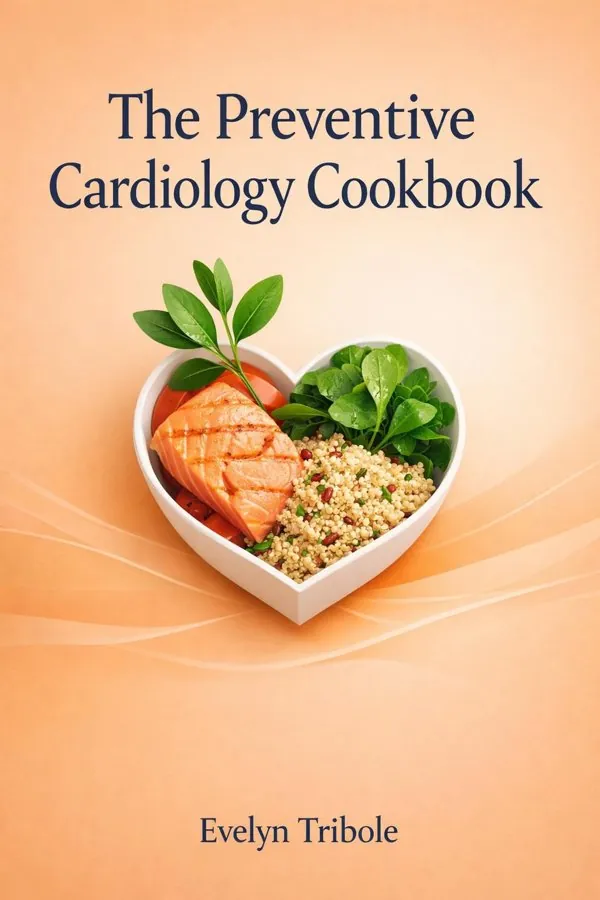
The Preventive Cardiology Cookbook: Heart-Healthy Recipes and Lifestyle Plans: Summary & Key Insights
 10 min9 chaptersAudio available
Key Takeaways from The Preventive Cardiology Cookbook: Heart-Healthy Recipes and Lifestyle Plans
Heart disease rarely begins in the emergency room; it usually begins in the kitchen, the grocery cart, and the routines of everyday life.
Many people assume heart-healthy food must be joyless, but Tribole argues that prevention fails when meals are nutritionally perfect and emotionally unsatisfying.
A healthy heart is shaped by more than a recipe collection; it is shaped by the broader rhythm of daily living.
Not all fats harm the heart, and one of the book’s most useful contributions is clarifying that distinction.
One of the least glamorous nutrients in nutrition advice may be one of the most powerful for heart protection.
What Is The Preventive Cardiology Cookbook: Heart-Healthy Recipes and Lifestyle Plans About?
The Preventive Cardiology Cookbook: Heart-Healthy Recipes and Lifestyle Plans by Evelyn Tribole is a nutrition book spanning 3 pages. Heart disease often develops quietly, shaped less by one dramatic event than by years of ordinary habits—what we eat, how we cook, how active we are, and how well we manage stress. In The Preventive Cardiology Cookbook: Heart-Healthy Recipes and Lifestyle Plans, Evelyn Tribole turns that sobering reality into something empowering: a practical, encouraging guide to protecting cardiovascular health through daily meals and sustainable lifestyle choices. This is not a restrictive medical manual dressed up as a cookbook. Instead, it blends nutrition science, prevention strategies, and approachable recipes into a realistic plan for people who want to care for their hearts without giving up pleasure at the table. Tribole, a registered dietitian with deep expertise in preventive nutrition, writes with the clarity of a clinician and the warmth of a trusted kitchen companion. She shows that heart-healthy eating is not about deprivation, but about building a pattern of food choices that supports cholesterol control, blood pressure management, healthy weight, and long-term wellbeing. The result is a book that helps readers translate abstract health advice into meals they can actually cook and enjoy.
This FizzRead summary covers all 9 key chapters of The Preventive Cardiology Cookbook: Heart-Healthy Recipes and Lifestyle Plans in approximately 10 minutes, distilling the most important ideas, arguments, and takeaways from Evelyn Tribole's work. Also available as an audio summary and Key Quotes Podcast.
The Preventive Cardiology Cookbook: Heart-Healthy Recipes and Lifestyle Plans
Heart disease often develops quietly, shaped less by one dramatic event than by years of ordinary habits—what we eat, how we cook, how active we are, and how well we manage stress. In The Preventive Cardiology Cookbook: Heart-Healthy Recipes and Lifestyle Plans, Evelyn Tribole turns that sobering reality into something empowering: a practical, encouraging guide to protecting cardiovascular health through daily meals and sustainable lifestyle choices. This is not a restrictive medical manual dressed up as a cookbook. Instead, it blends nutrition science, prevention strategies, and approachable recipes into a realistic plan for people who want to care for their hearts without giving up pleasure at the table. Tribole, a registered dietitian with deep expertise in preventive nutrition, writes with the clarity of a clinician and the warmth of a trusted kitchen companion. She shows that heart-healthy eating is not about deprivation, but about building a pattern of food choices that supports cholesterol control, blood pressure management, healthy weight, and long-term wellbeing. The result is a book that helps readers translate abstract health advice into meals they can actually cook and enjoy.
Who Should Read The Preventive Cardiology Cookbook: Heart-Healthy Recipes and Lifestyle Plans?
This book is perfect for anyone interested in nutrition and looking to gain actionable insights in a short read. Whether you're a student, professional, or lifelong learner, the key ideas from The Preventive Cardiology Cookbook: Heart-Healthy Recipes and Lifestyle Plans by Evelyn Tribole will help you think differently.
- ✓Readers who enjoy nutrition and want practical takeaways
- ✓Professionals looking to apply new ideas to their work and life
- ✓Anyone who wants the core insights of The Preventive Cardiology Cookbook: Heart-Healthy Recipes and Lifestyle Plans in just 10 minutes
Want the full summary?
Get instant access to this book summary and 100K+ more with Fizz Moment.
Get Free SummaryAvailable on App Store • Free to download
Key Chapters
Heart disease rarely begins in the emergency room; it usually begins in the kitchen, the grocery cart, and the routines of everyday life. One of the book’s core insights is that preventive cardiology is not only about treating illness after symptoms appear, but about reducing the underlying conditions that allow cardiovascular disease to develop over time. Tribole explains that what we eat affects cholesterol levels, blood pressure, inflammation, body weight, and blood sugar regulation—all major contributors to heart risk. Nutrition matters not because a single meal can cure or cause disease, but because eating patterns repeated over months and years shape the body’s internal environment.
The book helps readers understand the difference between risk-enhancing foods and protective ones. Diets high in saturated fat, excess sodium, refined sugars, and heavily processed foods can strain the cardiovascular system. By contrast, meals built around vegetables, fruits, whole grains, beans, fish, and moderate amounts of healthy fats can support healthier arteries and metabolic balance. Tribole’s approach is especially useful because she avoids fear-based messaging. She does not frame food as moral success or failure. Instead, she teaches readers to see nutrition as a powerful tool for prevention.
This perspective also makes heart health feel more manageable. Rather than obsessing over one nutrient in isolation, readers are encouraged to think about patterns: more fiber, less hidden salt, smarter fat choices, and more home-cooked meals. A breakfast of oatmeal with fruit and nuts, a bean-based lunch, and a vegetable-rich dinner may seem simple, but those choices accumulate into measurable benefit.
Actionable takeaway: Start by identifying one daily eating habit that raises heart risk—such as sugary breakfasts, frequent takeout, or salty snacks—and replace it with a more protective alternative you can maintain consistently.
Many people assume heart-healthy food must be joyless, but Tribole argues that prevention fails when meals are nutritionally perfect and emotionally unsatisfying. A major strength of the book is its insistence that preventive cooking can be flavorful, varied, and deeply enjoyable. The goal is not to eat bland food forever; it is to learn techniques that preserve taste while reducing the ingredients that often undermine cardiovascular health.
Tribole introduces practical cooking strategies that make a genuine difference. Instead of relying on butter, cream, and salt for flavor, she encourages herbs, spices, citrus, vinegar, garlic, onions, and aromatic vegetables. Roasting intensifies natural sweetness in vegetables. Broths, tomato bases, and purees can create richness without heavy cream. Lean proteins can stay tender through marinating, poaching, or quick sautéing. Even familiar comfort foods can be adapted by reducing saturated fat, increasing fiber, and controlling portion size.
Just as important, the book redefines what “eating for prevention” looks like in real life. It is not a nonstop cycle of discipline. It is a pattern of balanced meals that satisfy hunger, stabilize energy, and support health goals. For example, a pasta dish can become more heart-friendly when paired with olive oil, vegetables, beans, and a modest amount of cheese rather than a heavy cream sauce. A sandwich becomes stronger nutritionally when built on whole-grain bread with lean protein and produce instead of processed meats and high-sodium condiments.
Tribole’s practical tone makes this approach accessible for families, busy workers, and inexperienced cooks alike. Prevention becomes something you practice through ordinary meals, not something reserved for special occasions.
Actionable takeaway: Choose one favorite recipe this week and redesign it using a healthier cooking method, more vegetables, and a lighter fat or sodium profile without sacrificing flavor.
A healthy heart is shaped by more than a recipe collection; it is shaped by the broader rhythm of daily living. Tribole expands preventive cardiology beyond food to show that nutrition works best when paired with movement, stress reduction, medical awareness, and consistent self-care. This wider view is crucial because many people try to solve cardiovascular risk with one isolated change while ignoring the lifestyle patterns that keep risk elevated.
The book emphasizes that physical activity supports the same goals as heart-conscious eating: better blood pressure, improved cholesterol balance, weight management, stronger circulation, and better insulin sensitivity. Tribole does not present exercise as punishment for eating, but as a natural part of caring for the cardiovascular system. Regular walking, cycling, swimming, gardening, or other moderate activities can complement a healthy meal plan and make preventive efforts more effective.
Stress management also receives attention. Chronic stress can influence blood pressure, emotional eating, sleep quality, and inflammatory processes. A person may know exactly what to eat but still struggle if their life is built around exhaustion, anxiety, and rushed choices. Building a heart-healthy lifestyle therefore includes practical routines such as meal planning, time for movement, adequate rest, and awareness of how emotions affect food choices.
Another important message is that prevention works best when it is steady rather than extreme. A person does not need a complete personality overhaul to improve heart health. Smaller, repeated habits—like cooking at home more often, walking after dinner, or reducing reliance on convenience foods—can carry enormous cumulative value.
Actionable takeaway: Pair one nutrition change with one lifestyle change, such as preparing a balanced lunch and taking a 20-minute walk four days a week, so your heart-health efforts reinforce each other.
Not all fats harm the heart, and one of the book’s most useful contributions is clarifying that distinction. For years, many people reduced cardiovascular nutrition to a simplistic message: avoid fat. Tribole replaces that outdated idea with a more nuanced one: the type of fat consumed matters enormously. Saturated fats and trans fats have long been associated with less favorable cholesterol patterns, especially when they crowd out healthier sources of nourishment. Unsaturated fats, by contrast, can support a more protective eating pattern when used wisely.
This distinction changes how readers build meals. Instead of thinking only about what to remove, Tribole shows what to substitute. Olive oil can replace butter in many savory dishes. Nuts and seeds can offer texture and richness in place of processed snacks. Fatty fish such as salmon can supply beneficial omega-3 fats. Avocados can provide creaminess without the same saturated fat load found in some traditional spreads or dressings. These changes are not cosmetic—they can improve overall dietary quality while keeping meals satisfying.
The book also warns against the false promise of “fat-free” products that compensate with sugar, starch, sodium, or artificial additives. A heart-healthy plan is not built on chemically engineered deprivation. It is built on natural, minimally processed foods used in balanced proportions. Readers learn to look at the whole food, not just one marketing claim on the label.
This approach is practical because it preserves pleasure. Salad dressings, sautéed vegetables, grain bowls, and fish dishes can all taste excellent with reasonable amounts of healthy fats. The result is a meal pattern people are far more likely to sustain.
Actionable takeaway: Review your kitchen fats and replace one less healthy staple—such as stick margarine, shortening, or frequent butter use—with olive oil, nuts, seeds, or avocado-based alternatives.
One of the least glamorous nutrients in nutrition advice may be one of the most powerful for heart protection. Tribole highlights dietary fiber as a foundational element of preventive eating because it supports several cardiovascular goals at once. Soluble fiber can help improve cholesterol management, while overall high-fiber diets often support satiety, digestive health, blood sugar regulation, and weight control. In other words, fiber quietly strengthens the very systems that influence long-term heart risk.
The book encourages readers to get fiber from foods rather than supplements whenever possible. Oats, beans, lentils, vegetables, fruits, and whole grains become central not because they are trendy, but because they contribute to a dietary pattern linked to better health outcomes. For example, replacing a refined breakfast pastry with oatmeal and berries offers more than fewer empty calories—it adds soluble fiber and a steadier metabolic response. Swapping part of a meat-based dinner for beans or lentils can lower saturated fat while raising fiber intake. Choosing brown rice, barley, or whole-grain bread can gradually shift the nutritional quality of everyday meals.
Tribole also recognizes an important behavioral reality: people often underconsume fiber because convenience foods dominate their schedules. Her recipes and meal suggestions make higher-fiber eating practical rather than aspirational. A soup with beans and vegetables, a fruit-and-yogurt breakfast, or a grain salad packed with produce can become easy repeat options.
For readers focused on heart disease prevention, fiber offers a reminder that health is often built by quiet, repeated advantages. No single fiber-rich meal transforms the heart. But a fiber-rich pattern can steadily move many markers in the right direction.
Actionable takeaway: Add one high-fiber food to each main meal this week—such as oats at breakfast, beans at lunch, and vegetables or whole grains at dinner.
Salt is so embedded in modern eating that many people do not realize how much of it comes from foods they never personally season. Tribole addresses sodium not as a call to eat bland food, but as a hidden variable that strongly affects blood pressure and cardiovascular strain. Much of the sodium in a typical diet comes from processed foods, restaurant meals, canned products, deli meats, breads, sauces, and packaged snacks—not merely the salt shaker at dinner.
This matters because prevention often depends less on dramatic sacrifice than on smart awareness. Tribole helps readers identify where sodium accumulates and how to reduce it strategically. Cooking more often at home gives control over seasoning. Using low-sodium broth, rinsing canned beans, limiting processed meats, and choosing fresh ingredients can significantly lower sodium exposure. Flavor can then be rebuilt with ingredients that add complexity instead of just salt: lemon, vinegar, pepper, garlic, ginger, mustard, rosemary, cumin, basil, and countless other seasonings.
The book also frames sodium reduction as a process of retraining the palate. Many people find lower-sodium meals dull at first because they are accustomed to overstimulating levels of salt. But taste adjusts. After a period of lighter seasoning and more natural foods, the flavors of vegetables, grains, legumes, and lean proteins become more distinct and satisfying.
This chapter is particularly practical for anyone managing blood pressure or a family history of hypertension. It turns a vague recommendation—“eat less salt”—into a series of kitchen decisions that can be repeated daily.
Actionable takeaway: For the next week, track your top three sodium sources and replace at least one with a lower-sodium version or a homemade alternative seasoned with herbs, citrus, or spices.
People often fail at healthy eating not because they lack information, but because they choose an approach too rigid to survive real life. Tribole’s philosophy offers a more durable alternative: balance portions and meal composition rather than chasing severe restriction. This is especially important in cardiovascular prevention, where the goal is not a short burst of compliance but a pattern that can continue for years.
The book recognizes that even nutritious foods can become less helpful when portions are consistently excessive, while occasional indulgences do not automatically derail a generally protective diet. This nuance helps readers avoid the all-or-nothing mindset that leads to cycles of overcontrol and rebound eating. A heart-healthy meal is not necessarily tiny; it is proportioned sensibly, with room for vegetables, whole grains or other complex carbohydrates, lean proteins, and moderate fats.
Tribole’s meal planning guidance encourages readers to think in terms of plate balance. Half the plate may come from vegetables or fruit, while the remaining portions include protein and a high-quality starch or grain. Richer foods are not banned, but integrated thoughtfully. For example, a small amount of cheese can complement a vegetable dish rather than dominate it. Dessert can be enjoyed occasionally without turning every evening meal into a sugar-heavy event.
This approach is psychologically important. People are more likely to sustain habits when they do not feel chronically deprived. Portion balance respects both physiology and pleasure. It allows readers to manage calorie intake, saturated fat, and sodium exposure while still participating in normal eating.
Actionable takeaway: Use the plate method for one meal a day—fill half with produce, one quarter with lean protein, and one quarter with whole grains or another complex carbohydrate.
Willpower is unreliable; systems are not. Tribole makes it clear that many unhealthy choices happen not because people do not care about their hearts, but because they are tired, rushed, unprepared, or surrounded by convenient defaults. A preventive eating plan succeeds when the environment supports it. That is why meal planning, shopping strategy, and kitchen organization matter as much as nutritional knowledge.
The book encourages readers to create simple structures that reduce friction. Planning a few dinners before the week starts can prevent last-minute fast-food decisions. Keeping staples such as canned beans, frozen vegetables, oats, whole grains, low-sodium broth, and healthy oils on hand makes it easier to assemble meals quickly. Preparing ingredients in advance—washing produce, cooking grains, portioning snacks—turns healthy intentions into practical options.
Tribole also understands that planning should be realistic. Not everyone has time to cook elaborate recipes every day. Preventive cardiology cuisine can include leftovers, batch cooking, and repeat meals. A pot of vegetable-bean soup can serve multiple lunches. Roasted vegetables can be added to grain bowls, omelets, or wraps. A planned breakfast routine can eliminate the temptation of pastries and processed items grabbed on the way out the door.
This systems-based perspective is one of the book’s strongest lifestyle lessons. Readers are taught that health does not depend on constant motivation. It depends on creating conditions that make the better choice the easier choice.
Actionable takeaway: Spend 20 minutes before your next week begins to choose three heart-healthy meals, write a grocery list, and prep at least two ingredients in advance.
The most dangerous myth in health improvement is that only perfect adherence counts. Tribole repeatedly counters this with a more compassionate and scientifically grounded message: meaningful cardiovascular prevention comes from consistency, not perfection. This matters because many readers approach nutrition with guilt, fear, or a history of abandoning plans after minor setbacks. A single restaurant meal, holiday dessert, or stressful week can make them feel as though they have failed. The book rejects that mentality.
Instead, Tribole frames heart-healthy eating as an ongoing relationship with daily choices. Prevention is built through averages. If most meals emphasize vegetables, whole grains, legumes, lean proteins, and healthier fats, then occasional indulgences can fit within a balanced life. This not only reduces shame, but improves adherence. People stay with routines that allow flexibility. They abandon routines that demand flawless execution.
The same principle applies to lifestyle habits beyond food. Missing a walk does not erase the value of regular movement. Having a stressful day does not negate months of positive progress. Tribole’s tone is encouraging because it meets readers where they are—whether they are starting from scratch, managing a diagnosis, or simply trying to improve family meals.
This sustainable mindset may be the book’s most lasting contribution. It transforms prevention from a temporary project into a way of living that can evolve over time. In doing so, it gives readers not just a dietary plan, but a healthier emotional framework for long-term change.
Actionable takeaway: Define one “good enough” weekly standard—such as cooking at home four nights or eating vegetables at two meals a day—and focus on meeting it consistently rather than chasing an unrealistic ideal.
All Chapters in The Preventive Cardiology Cookbook: Heart-Healthy Recipes and Lifestyle Plans
About the Author
Evelyn Tribole is a registered dietitian, author, and nutrition educator known for making evidence-based health guidance practical and approachable. Over the course of her career, she has written extensively about balanced eating, preventive nutrition, and sustainable food habits, helping readers move beyond fad diets and confusing health claims. Her work reflects a strong commitment to translating clinical nutrition into real-life choices people can apply in their kitchens and everyday routines. In The Preventive Cardiology Cookbook, Tribole brings that expertise to cardiovascular wellness, showing how smart cooking, meal planning, and long-term lifestyle changes can support heart health. She is especially respected for her clear, compassionate communication style and her ability to make nutrition feel empowering rather than restrictive.
Get This Summary in Your Preferred Format
Read or listen to the The Preventive Cardiology Cookbook: Heart-Healthy Recipes and Lifestyle Plans summary by Evelyn Tribole anytime, anywhere. FizzRead offers multiple formats so you can learn on your terms — all free.
Available formats: App · Audio · PDF · EPUB — All included free with FizzRead
Download The Preventive Cardiology Cookbook: Heart-Healthy Recipes and Lifestyle Plans PDF and EPUB Summary
Key Quotes from The Preventive Cardiology Cookbook: Heart-Healthy Recipes and Lifestyle Plans
“Heart disease rarely begins in the emergency room; it usually begins in the kitchen, the grocery cart, and the routines of everyday life.”
“Many people assume heart-healthy food must be joyless, but Tribole argues that prevention fails when meals are nutritionally perfect and emotionally unsatisfying.”
“A healthy heart is shaped by more than a recipe collection; it is shaped by the broader rhythm of daily living.”
“Not all fats harm the heart, and one of the book’s most useful contributions is clarifying that distinction.”
“One of the least glamorous nutrients in nutrition advice may be one of the most powerful for heart protection.”
Frequently Asked Questions about The Preventive Cardiology Cookbook: Heart-Healthy Recipes and Lifestyle Plans
The Preventive Cardiology Cookbook: Heart-Healthy Recipes and Lifestyle Plans by Evelyn Tribole is a nutrition book that explores key ideas across 9 chapters. Heart disease often develops quietly, shaped less by one dramatic event than by years of ordinary habits—what we eat, how we cook, how active we are, and how well we manage stress. In The Preventive Cardiology Cookbook: Heart-Healthy Recipes and Lifestyle Plans, Evelyn Tribole turns that sobering reality into something empowering: a practical, encouraging guide to protecting cardiovascular health through daily meals and sustainable lifestyle choices. This is not a restrictive medical manual dressed up as a cookbook. Instead, it blends nutrition science, prevention strategies, and approachable recipes into a realistic plan for people who want to care for their hearts without giving up pleasure at the table. Tribole, a registered dietitian with deep expertise in preventive nutrition, writes with the clarity of a clinician and the warmth of a trusted kitchen companion. She shows that heart-healthy eating is not about deprivation, but about building a pattern of food choices that supports cholesterol control, blood pressure management, healthy weight, and long-term wellbeing. The result is a book that helps readers translate abstract health advice into meals they can actually cook and enjoy.
More by Evelyn Tribole
You Might Also Like
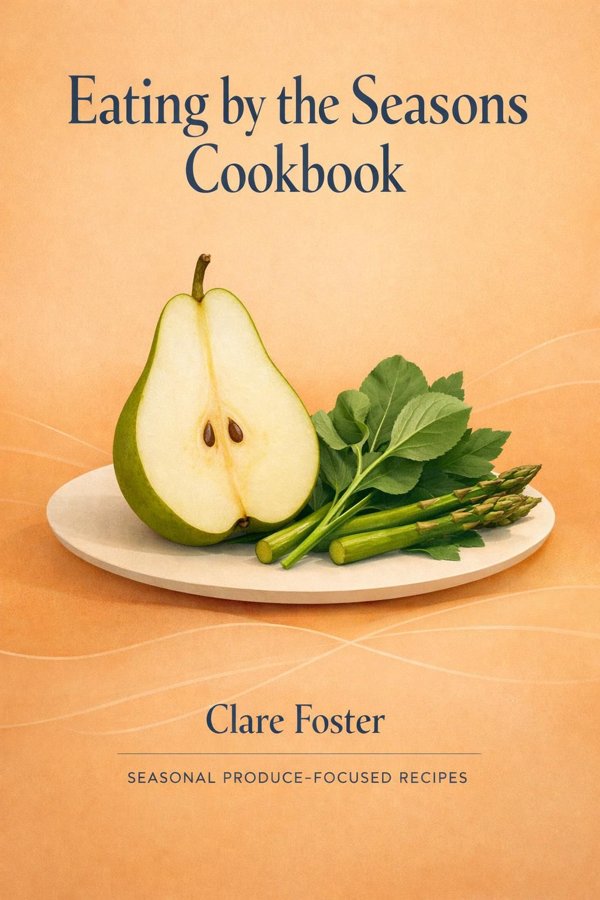
Eating by the Seasons Cookbook: Seasonal Produce-Focused Recipes
Clare Foster
10 min
From Crook to Cook: Platinum Recipes from Tha Boss Dogg's Kitchen
Snoop Dogg with Ryan Ford
10 min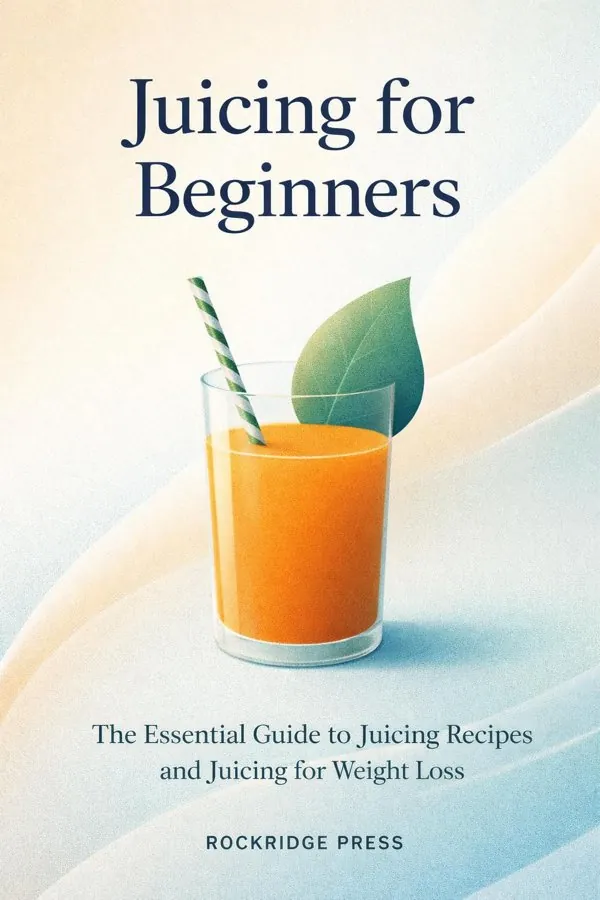
Juicing for Beginners: The Essential Guide to Juicing Recipes and Juicing for Weight Loss
Rockridge Press
10 min
The Food Therapist: Break Bad Habits, Eat with Intention, and Indulge Without Worry
Shira Lenchewski
10 min
The Mediterranean Diet Meal Plan: A 4-Week Meal Plan for Optimal Health and Weight Loss
Various Contributors
10 min
The Well Plated Cookbook: Simple, Wholesome Recipes for Everyday Meals
Erin Clarke
10 minBrowse by Category
Ready to read The Preventive Cardiology Cookbook: Heart-Healthy Recipes and Lifestyle Plans?
Get the full summary and 100K+ more books with Fizz Moment.