
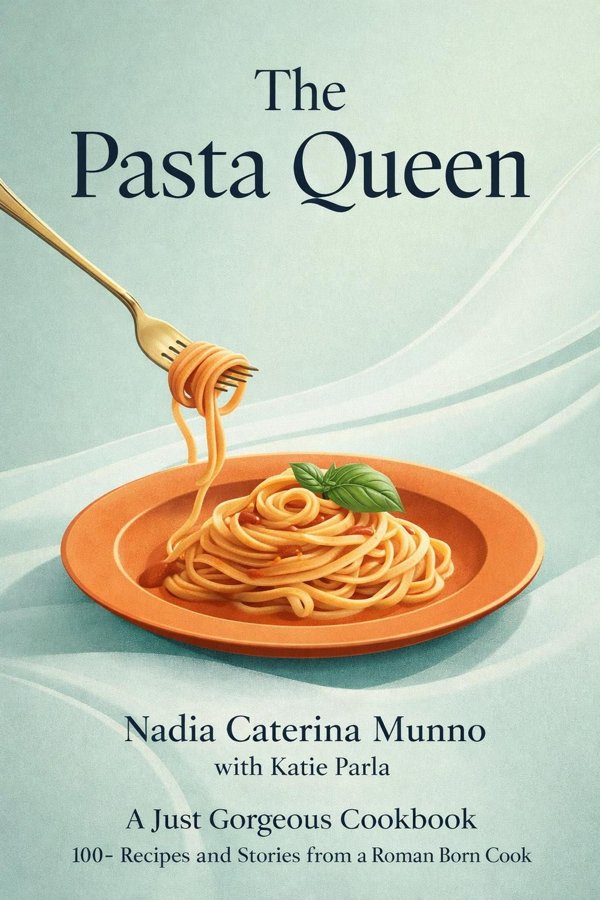
The Pasta Queen: A Just Gorgeous Cookbook: 100+ Recipes and Stories from a Roman Born Cook: Summary & Key Insights
by Nadia Caterina Munno with Katie Parla
 10 min10 chaptersAudio available
Key Takeaways from The Pasta Queen: A Just Gorgeous Cookbook: 100+ Recipes and Stories from a Roman Born Cook
Great Italian cooking begins long before the pan hits the stove.
A recipe can preserve a family’s history more faithfully than a photograph.
Pasta is often treated as the easiest thing in the kitchen, yet Munno presents it as an art form that rewards precision.
Some of the most famous Italian dishes are also the most unforgiving.
There is no single Italian cuisine, only a mosaic of regional identities shaped by geography, climate, economics, and history.
What Is The Pasta Queen: A Just Gorgeous Cookbook: 100+ Recipes and Stories from a Roman Born Cook About?
The Pasta Queen: A Just Gorgeous Cookbook: 100+ Recipes and Stories from a Roman Born Cook by Nadia Caterina Munno with Katie Parla is a nutrition book spanning 10 pages. The Pasta Queen: A Just Gorgeous Cookbook is more than a collection of Italian recipes. It is a celebration of culinary heritage, beauty, family memory, and the deep emotional power of feeding others. In this lively debut, Nadia Caterina Munno brings readers into the world that shaped her: a Roman kitchen where pasta is not a side dish or a trend, but a way of life. Through more than 100 recipes, she blends technical guidance with personal storytelling, showing how iconic dishes, sauces, and seasonal ingredients carry generations of wisdom. What makes this book stand out is its combination of accessibility and authority. Munno writes with humor, glamour, and unmistakable passion, but beneath the personality is a serious respect for authentic Italian cooking. Her perspective is strengthened by co-author Katie Parla, a trusted food writer and expert on Roman cuisine. Together, they offer readers not only instructions for what to cook, but insight into how Italians think about ingredients, timing, simplicity, and hospitality. For anyone who loves pasta, wants to cook with more confidence, or hopes to understand Italian food beyond stereotypes, this book is both practical and richly transporting.
This FizzRead summary covers all 10 key chapters of The Pasta Queen: A Just Gorgeous Cookbook: 100+ Recipes and Stories from a Roman Born Cook in approximately 10 minutes, distilling the most important ideas, arguments, and takeaways from Nadia Caterina Munno with Katie Parla's work. Also available as an audio summary and Key Quotes Podcast.
The Pasta Queen: A Just Gorgeous Cookbook: 100+ Recipes and Stories from a Roman Born Cook
The Pasta Queen: A Just Gorgeous Cookbook is more than a collection of Italian recipes. It is a celebration of culinary heritage, beauty, family memory, and the deep emotional power of feeding others. In this lively debut, Nadia Caterina Munno brings readers into the world that shaped her: a Roman kitchen where pasta is not a side dish or a trend, but a way of life. Through more than 100 recipes, she blends technical guidance with personal storytelling, showing how iconic dishes, sauces, and seasonal ingredients carry generations of wisdom.
What makes this book stand out is its combination of accessibility and authority. Munno writes with humor, glamour, and unmistakable passion, but beneath the personality is a serious respect for authentic Italian cooking. Her perspective is strengthened by co-author Katie Parla, a trusted food writer and expert on Roman cuisine. Together, they offer readers not only instructions for what to cook, but insight into how Italians think about ingredients, timing, simplicity, and hospitality. For anyone who loves pasta, wants to cook with more confidence, or hopes to understand Italian food beyond stereotypes, this book is both practical and richly transporting.
Who Should Read The Pasta Queen: A Just Gorgeous Cookbook: 100+ Recipes and Stories from a Roman Born Cook?
This book is perfect for anyone interested in nutrition and looking to gain actionable insights in a short read. Whether you're a student, professional, or lifelong learner, the key ideas from The Pasta Queen: A Just Gorgeous Cookbook: 100+ Recipes and Stories from a Roman Born Cook by Nadia Caterina Munno with Katie Parla will help you think differently.
- ✓Readers who enjoy nutrition and want practical takeaways
- ✓Professionals looking to apply new ideas to their work and life
- ✓Anyone who wants the core insights of The Pasta Queen: A Just Gorgeous Cookbook: 100+ Recipes and Stories from a Roman Born Cook in just 10 minutes
Want the full summary?
Get instant access to this book summary and 100K+ more with Fizz Moment.
Get Free SummaryAvailable on App Store • Free to download
Key Chapters
Great Italian cooking begins long before the pan hits the stove. One of the book’s clearest messages is that true flavor does not come from complication, but from mastering the basics: good ingredients, proper technique, restraint, and respect for tradition. Munno emphasizes that Italian food is often misunderstood as endlessly customizable, when in reality its beauty comes from knowing why each ingredient is there and how each step affects the final dish.
She returns again and again to the importance of fundamentals such as choosing the right pasta shape for a sauce, salting water correctly, cooking pasta to the proper texture, and using olive oil, tomatoes, cheese, and herbs with intention rather than excess. In this worldview, cooking is not about piling on flavors. It is about creating harmony. A tomato sauce does not need ten competing spices. A pasta dish does not need cream if the original depends on eggs, cheese, or starch for richness.
This approach teaches readers to stop hiding behind complexity. Instead of chasing novelty, they learn to ask better questions: Is this ingredient in season? Is this sauce balanced? Does this shape hold the sauce properly? Even beginner cooks can apply this immediately by improving one small habit at a time, such as tasting more often, reducing ingredient clutter, or upgrading staple pantry items.
The larger lesson is that confidence in the kitchen grows from repetition and understanding, not from shortcuts. Learn the rules first, and creativity becomes more meaningful later.
Actionable takeaway: Build your next meal around three or four excellent ingredients and focus on executing the basics perfectly.
A recipe can preserve a family’s history more faithfully than a photograph. Throughout the book, Munno shows that Italian cooking is inseparable from memory, ancestry, and ritual. Her stories of Roman family life, especially long shared meals and the intergenerational passing down of techniques, reveal that food is one of the main ways culture survives.
This idea matters because modern cooking is often framed as individual performance: the home cook as creator, improviser, or consumer of trends. Munno offers a different model. In her kitchen, dishes belong to a lineage. Sunday lunches, handmade pasta, slow-cooked sauces, and repeated holiday preparations are not repetitive chores; they are living ceremonies. The meal becomes a place where people reconnect with each other and with those who came before them.
That does not mean readers need an Italian grandmother to benefit from this philosophy. Anyone can begin treating food as a keeper of family identity. You might write down a parent’s soup recipe, recreate a holiday dish from childhood, or invite relatives to explain why a certain preparation matters. The point is not perfection. It is continuation.
Munno’s storytelling also reminds readers that the emotional atmosphere around food matters as much as the recipe itself. Meals become memorable not only because they taste good, but because they gather people, create rhythm, and communicate care.
Actionable takeaway: Choose one meaningful dish from your own background, document its story, and make it part of a regular family tradition.
Pasta is often treated as the easiest thing in the kitchen, yet Munno presents it as an art form that rewards precision. Her book makes clear that pasta is not one generic category. Shape, texture, thickness, composition, and cooking method all influence whether a dish succeeds. The result is a richer understanding of why Italian pasta cooking feels so distinct from rushed weeknight habits elsewhere.
She helps readers see pasta as a system. Long strands behave differently from ridged tubes. Fresh pasta responds differently from dried. Delicate sauces cling to certain shapes, while chunky ragus need sturdier structures. Even the final minute of cooking matters, especially when pasta is finished in the sauce so starch and liquid can emulsify into a unified dish.
This reframing has immediate practical value. Instead of asking, “What pasta do I have?” readers begin asking, “What pasta best suits this sauce?” Instead of draining pasta and spooning sauce on top, they learn to marry the two in the pan. Instead of chasing softness, they aim for texture and liveliness. These shifts can transform even a simple dinner of spaghetti with tomato sauce.
Munno also communicates reverence without intimidation. Pasta is serious, but it is also joyful. The goal is not to impress with complexity but to understand enough to make every bowl more intentional.
Actionable takeaway: For your next pasta dish, match the pasta shape to the sauce deliberately and finish cooking the pasta in the sauce for the last minute.
Some of the most famous Italian dishes are also the most unforgiving. Munno’s treatment of Roman classics shows that simplicity raises the stakes: when a dish has only a few ingredients, there is nowhere to hide. Recipes associated with Rome rely on careful balance, proper sequencing, and confidence with texture rather than decorative flourishes.
This is especially important in a food culture where classic dishes are frequently altered beyond recognition. Munno pushes back against the tendency to add ingredients just to make a recipe feel richer or more exciting. A Roman pasta achieves its effect through tension and restraint. Cheese, pepper, egg, cured pork, pasta water, and timing can produce extraordinary depth when handled correctly. Add too much cream, garlic, or random extras, and the structure collapses.
The deeper lesson is not that tradition is rigid for its own sake. It is that classics endure because generations have refined them. Respecting a dish’s original logic helps cooks understand why it works. Once that understanding is earned, adaptation becomes more thoughtful.
Readers can apply this mindset beyond Roman food. Whenever cooking a traditional dish, first learn the essential ingredients, the intended texture, and the historical method. That baseline creates culinary literacy. It also builds appreciation for cultures whose foods have often been simplified or commercialized.
Actionable takeaway: Pick one Roman classic and cook it the traditional way before attempting any variation, paying close attention to ingredient balance and texture.
There is no single Italian cuisine, only a mosaic of regional identities shaped by geography, climate, economics, and history. One of the book’s strengths is the way it opens readers beyond the narrow idea that Italian food means the same few pasta dishes repeated everywhere. Munno’s Roman roots anchor the book, but she also points toward the broader diversity of Italy’s culinary landscape.
This matters because understanding regionalism changes how one shops, cooks, and tastes. Northern preparations may lean toward butter, rice, or rich dairy, while southern cooking often celebrates olive oil, tomatoes, vegetables, and seafood. Inland areas produce different traditions from coastal ones. Mountain food differs from city food. Local ingredients create local logic.
For readers, this expands Italian cooking from a fixed set of recipes into a flexible but grounded framework. You begin to notice why certain sauces belong with certain shapes, why some dishes feel lighter or more rustic, and why seasonality is deeply tied to place. It also encourages curiosity rather than assumption. Instead of asking whether a dish is “real Italian,” a better question is: from which part of Italy does it come, and what conditions shaped it?
At home, this can inspire more thoughtful menu building. A cook might explore one region at a time, pair dishes with consistent ingredients, or learn how local traditions solve the challenge of making humble ingredients delicious.
Actionable takeaway: Choose one Italian region you know little about and cook two or three dishes from it to understand its ingredients, flavors, and culinary priorities.
Innovation is easy; meaningful innovation is harder. Munno’s glamorous, energetic style might suggest a freewheeling approach, yet the book repeatedly argues that creativity works best when grounded in knowledge. Modern twists on traditional dishes can be exciting, but only if the cook first understands the original structure, flavor profile, and purpose of the dish.
This is an important distinction in an era of viral recipes and performative cooking. Too often, reinvention is simply distortion. An extra ingredient gets added for novelty, or a technique is changed for convenience without considering what is lost. Munno’s perspective is more disciplined. She shows that playfulness and respect can coexist. A recipe can be updated, made more personal, or adapted to a modern kitchen without erasing the wisdom embedded in tradition.
For home cooks, this principle creates a useful filter. Before changing a recipe, ask what role each ingredient plays. Is it structural, aromatic, textural, or cultural? If you substitute or add something, what happens to balance? This kind of reasoning turns experimentation into learning.
The book’s larger contribution here is confidence without carelessness. It gives permission to make dishes your own, but not to ignore the culinary logic that made them worth preserving in the first place.
Actionable takeaway: Before modifying a traditional recipe, cook it once as written and note the exact function of each major ingredient so your changes remain intentional.
A great pasta dish is a partnership, not an assembly. Munno teaches that sauce is not something poured over pasta at the end, but something designed to interact with the pasta’s shape, surface, and starch. This idea sounds simple, yet it changes everything about how readers approach texture, flavor absorption, and the final cohesion of a dish.
Different sauces demand different companions. Smooth, silky sauces often suit long strands. Thick, chunky, or meaty sauces perform better with shapes that trap pieces in ridges, folds, or hollow centers. Delicate fresh pasta may need gentler treatment than dried durum shapes. Munno also emphasizes the magic of pasta water, whose starch helps create emulsified sauces that cling rather than slide off.
This is practical kitchen knowledge with immediate payoff. A home cook can elevate ordinary ingredients by pairing them more intelligently. For example, a simple tomato-based sauce becomes more satisfying when matched with a shape that catches it properly and finished in the pan with a little starchy water. Likewise, a rich cheese-based sauce feels more balanced when the pasta supports rather than overwhelms it.
The lesson extends beyond pasta. Good cooking depends on relationships: sauce to base, fat to acid, texture to structure. Munno uses pasta as the clearest demonstration of this larger culinary truth.
Actionable takeaway: Keep a small chart in your kitchen matching favorite sauces to ideal pasta shapes, and use reserved pasta water to bind the final dish.
The best meals often come from listening to the calendar. Munno highlights the Italian habit of cooking according to season, not merely out of nostalgia, but because ingredients are more flavorful, more affordable, and more coherent when used at their peak. Seasonality is one of the hidden reasons traditional Italian food tastes vivid even when recipes are simple.
This concept helps readers move away from recipe dependency and toward ingredient awareness. Instead of deciding on a dish first and forcing ingredients into it, a seasonal cook notices what is abundant and builds from there. Summer invites tomatoes, basil, and light preparations. Cooler months welcome richer sauces, hearty vegetables, and slow-simmered dishes. The menu becomes responsive rather than fixed.
This approach also improves health and sustainability. Seasonal produce often needs less manipulation because it already tastes like itself. That means fewer heavy additions to create interest. A ripe tomato can carry a sauce. Fresh zucchini can anchor a quick pasta. Winter greens can bring bitterness and depth without complication.
For home cooks, seasonality can be practiced in small ways: shopping at markets, observing what looks best, or rotating a few go-to meals through the year. Munno’s larger message is that beauty in cooking starts with paying attention.
Actionable takeaway: For one month, plan meals around the produce that is naturally in season where you live, and let those ingredients guide your recipe choices.
A recipe tells you what to do; a story tells you why it matters. One reason this cookbook resonates so strongly is that Munno does not separate instruction from identity. Her anecdotes, humor, and vivid voice turn the book into more than a manual. They remind readers that cooking is not just a technical act but an emotional one, shaped by place, memory, personality, and longing.
This storytelling dimension deepens trust. When Munno explains a dish through a family memory or a cultural observation, the reader understands its role in a real life, not just on a printed page. That context can make techniques easier to remember and flavors easier to appreciate. It also makes the cookbook more inviting to those who may feel alienated by dry, overly clinical recipe writing.
There is a broader lesson here for cooks and eaters alike. Meals become richer when connected to narrative. A weeknight sauce can be linked to a trip, a grandmother, a season, or a celebration. Even journaling what you cooked and for whom can create a personal culinary history over time.
Munno’s gift is making food feel glamorous and intimate at once. She shows that authority does not have to be cold and that tradition becomes more compelling when carried by a human voice.
Actionable takeaway: The next time you cook a meaningful dish, write down the memory, person, or place you associate with it and save that note with the recipe.
All Chapters in The Pasta Queen: A Just Gorgeous Cookbook: 100+ Recipes and Stories from a Roman Born Cook
About the Author
Nadia Caterina Munno is an Italian-born cook, storyteller, and digital creator best known as The Pasta Queen. Raised in Rome, she built a global following by sharing exuberant videos that celebrate the drama, beauty, and authenticity of Italian cuisine, especially pasta. Her work combines family heritage, traditional technique, and a strong belief that food should be both delicious and joyful. In this book, she brings her signature personality to recipes rooted in Roman culture and generations of home cooking. She is joined by Katie Parla, a Rome-based food writer, culinary guide, and leading authority on Italian food traditions. Parla has written extensively on Roman cuisine and helps ground the cookbook in regional context and expert culinary knowledge. Together, they offer a spirited and authoritative portrait of Italian cooking.
Get This Summary in Your Preferred Format
Read or listen to the The Pasta Queen: A Just Gorgeous Cookbook: 100+ Recipes and Stories from a Roman Born Cook summary by Nadia Caterina Munno with Katie Parla anytime, anywhere. FizzRead offers multiple formats so you can learn on your terms — all free.
Available formats: App · Audio · PDF · EPUB — All included free with FizzRead
Download The Pasta Queen: A Just Gorgeous Cookbook: 100+ Recipes and Stories from a Roman Born Cook PDF and EPUB Summary
Key Quotes from The Pasta Queen: A Just Gorgeous Cookbook: 100+ Recipes and Stories from a Roman Born Cook
“Great Italian cooking begins long before the pan hits the stove.”
“A recipe can preserve a family’s history more faithfully than a photograph.”
“Pasta is often treated as the easiest thing in the kitchen, yet Munno presents it as an art form that rewards precision.”
“Some of the most famous Italian dishes are also the most unforgiving.”
“There is no single Italian cuisine, only a mosaic of regional identities shaped by geography, climate, economics, and history.”
Frequently Asked Questions about The Pasta Queen: A Just Gorgeous Cookbook: 100+ Recipes and Stories from a Roman Born Cook
The Pasta Queen: A Just Gorgeous Cookbook: 100+ Recipes and Stories from a Roman Born Cook by Nadia Caterina Munno with Katie Parla is a nutrition book that explores key ideas across 10 chapters. The Pasta Queen: A Just Gorgeous Cookbook is more than a collection of Italian recipes. It is a celebration of culinary heritage, beauty, family memory, and the deep emotional power of feeding others. In this lively debut, Nadia Caterina Munno brings readers into the world that shaped her: a Roman kitchen where pasta is not a side dish or a trend, but a way of life. Through more than 100 recipes, she blends technical guidance with personal storytelling, showing how iconic dishes, sauces, and seasonal ingredients carry generations of wisdom. What makes this book stand out is its combination of accessibility and authority. Munno writes with humor, glamour, and unmistakable passion, but beneath the personality is a serious respect for authentic Italian cooking. Her perspective is strengthened by co-author Katie Parla, a trusted food writer and expert on Roman cuisine. Together, they offer readers not only instructions for what to cook, but insight into how Italians think about ingredients, timing, simplicity, and hospitality. For anyone who loves pasta, wants to cook with more confidence, or hopes to understand Italian food beyond stereotypes, this book is both practical and richly transporting.
You Might Also Like
Eating by the Seasons Cookbook: Seasonal Produce-Focused Recipes
Clare Foster
10 min
From Crook to Cook: Platinum Recipes from Tha Boss Dogg's Kitchen
Snoop Dogg with Ryan Ford
10 min
Juicing for Beginners: The Essential Guide to Juicing Recipes and Juicing for Weight Loss
Rockridge Press
10 min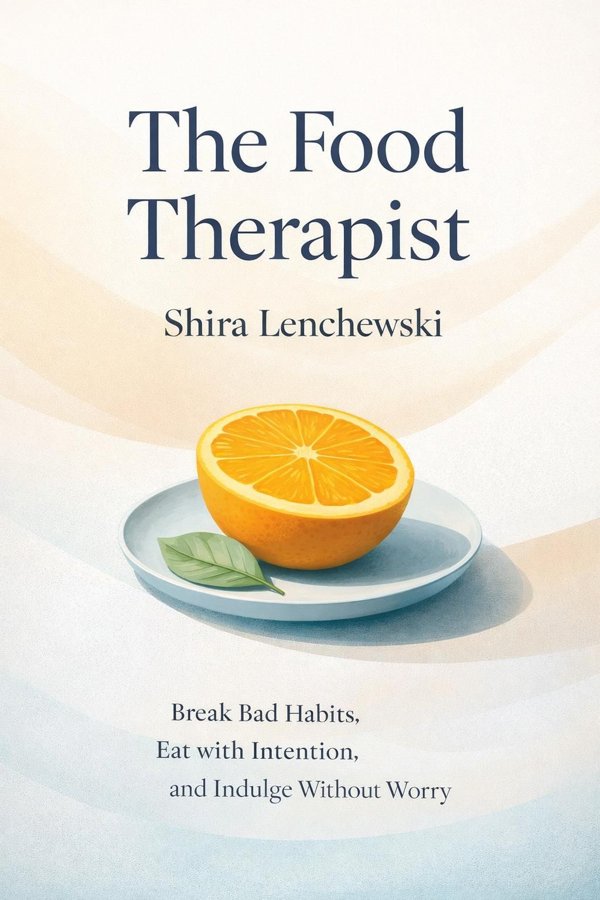
The Food Therapist: Break Bad Habits, Eat with Intention, and Indulge Without Worry
Shira Lenchewski
10 min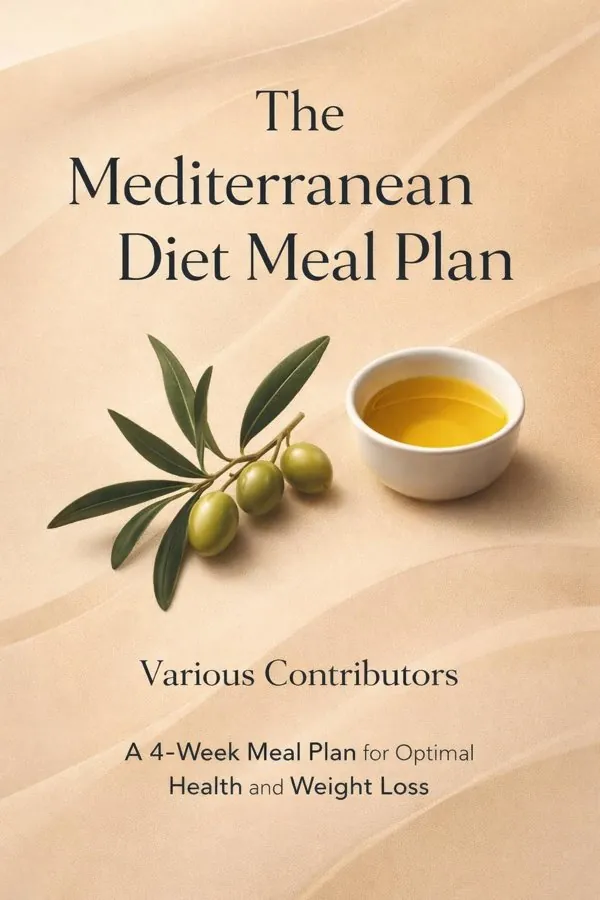
The Mediterranean Diet Meal Plan: A 4-Week Meal Plan for Optimal Health and Weight Loss
Various Contributors
10 min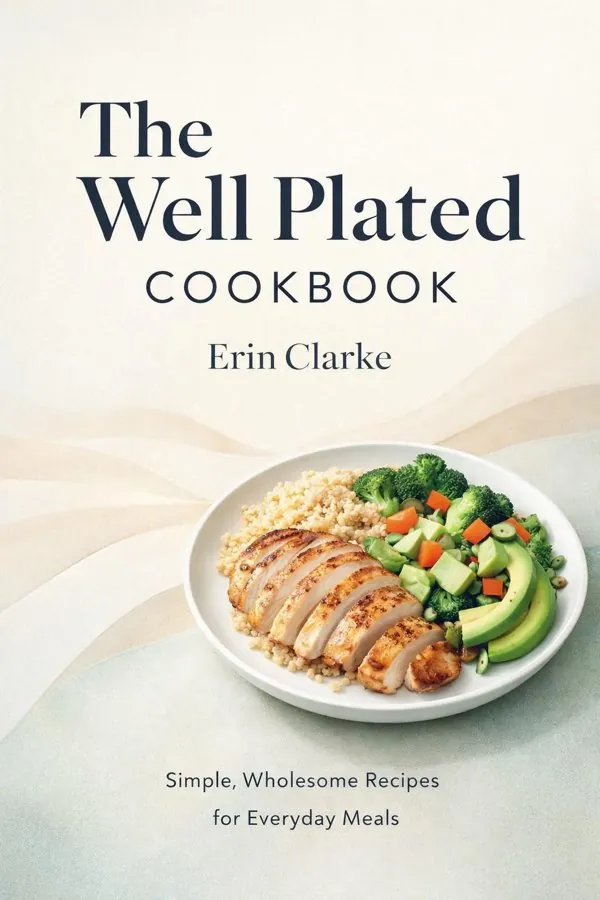
The Well Plated Cookbook: Simple, Wholesome Recipes for Everyday Meals
Erin Clarke
10 minBrowse by Category
Ready to read The Pasta Queen: A Just Gorgeous Cookbook: 100+ Recipes and Stories from a Roman Born Cook?
Get the full summary and 100K+ more books with Fizz Moment.