
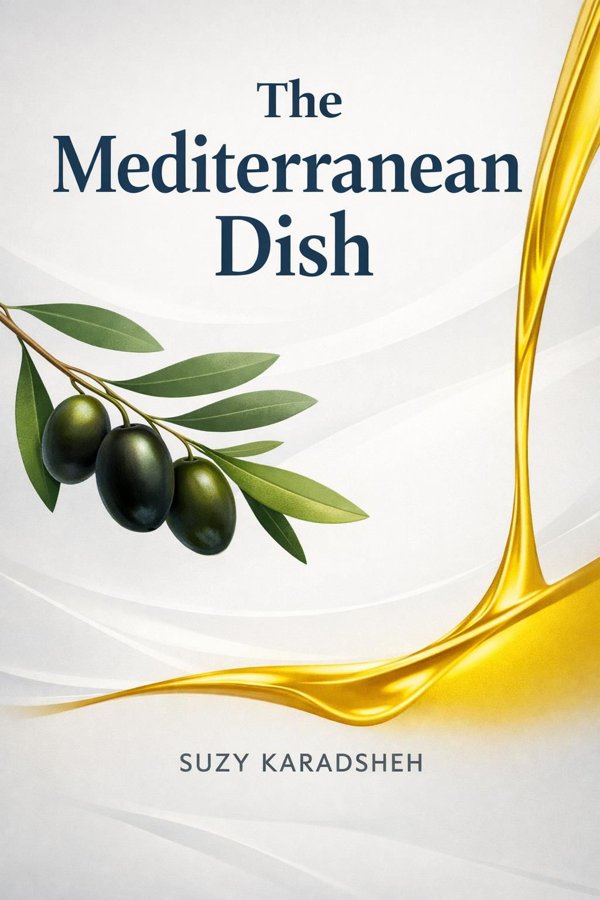
The Mediterranean Dish: 120 Bold and Healthy Recipes You'll Make on Repeat: Summary & Key Insights
 10 min9 chaptersAudio available
Key Takeaways from The Mediterranean Dish: 120 Bold and Healthy Recipes You'll Make on Repeat
Great cooking often starts long before the pan is hot.
The most memorable Mediterranean dishes often look simple, but their taste tells a deeper story.
Morning meals shape the tone of the day, and Karadsheh pushes breakfast beyond sugary routines and rushed convenience.
Some of the best meals are built from many small pleasures rather than one oversized centerpiece.
A truly Mediterranean table does not treat vegetables as decoration.
What Is The Mediterranean Dish: 120 Bold and Healthy Recipes You'll Make on Repeat About?
The Mediterranean Dish: 120 Bold and Healthy Recipes You'll Make on Repeat by Suzy Karadsheh is a nutrition book spanning 13 pages. The Mediterranean Dish is more than a cookbook—it is an invitation to cook with confidence, color, and joy. In this vibrant collection, Suzy Karadsheh brings together 120 approachable recipes inspired by the culinary traditions of Greece, Italy, Spain, North Africa, and the Middle East. Her focus is not on strict rules or restaurant-level perfection, but on everyday meals that feel generous, nourishing, and full of life. Across breakfasts, mezze, salads, seafood, meats, grains, soups, breads, sauces, and desserts, she shows how simple ingredients like olive oil, lemon, herbs, spices, legumes, and fresh vegetables can create deeply satisfying food. What makes this book especially valuable is Karadsheh’s ability to translate Mediterranean cooking for modern home kitchens. As a Jordanian-American cook and founder of The Mediterranean Dish, she combines personal heritage with practical teaching. She explains pantry essentials, flavor-building techniques, and menu ideas in a way that makes Mediterranean food feel accessible rather than intimidating. The result is a cookbook that supports both healthy eating and pleasurable cooking—ideal for readers who want meals that are wholesome, unfussy, and worth making again and again.
This FizzRead summary covers all 9 key chapters of The Mediterranean Dish: 120 Bold and Healthy Recipes You'll Make on Repeat in approximately 10 minutes, distilling the most important ideas, arguments, and takeaways from Suzy Karadsheh's work. Also available as an audio summary and Key Quotes Podcast.
The Mediterranean Dish: 120 Bold and Healthy Recipes You'll Make on Repeat
The Mediterranean Dish is more than a cookbook—it is an invitation to cook with confidence, color, and joy. In this vibrant collection, Suzy Karadsheh brings together 120 approachable recipes inspired by the culinary traditions of Greece, Italy, Spain, North Africa, and the Middle East. Her focus is not on strict rules or restaurant-level perfection, but on everyday meals that feel generous, nourishing, and full of life. Across breakfasts, mezze, salads, seafood, meats, grains, soups, breads, sauces, and desserts, she shows how simple ingredients like olive oil, lemon, herbs, spices, legumes, and fresh vegetables can create deeply satisfying food.
What makes this book especially valuable is Karadsheh’s ability to translate Mediterranean cooking for modern home kitchens. As a Jordanian-American cook and founder of The Mediterranean Dish, she combines personal heritage with practical teaching. She explains pantry essentials, flavor-building techniques, and menu ideas in a way that makes Mediterranean food feel accessible rather than intimidating. The result is a cookbook that supports both healthy eating and pleasurable cooking—ideal for readers who want meals that are wholesome, unfussy, and worth making again and again.
Who Should Read The Mediterranean Dish: 120 Bold and Healthy Recipes You'll Make on Repeat?
This book is perfect for anyone interested in nutrition and looking to gain actionable insights in a short read. Whether you're a student, professional, or lifelong learner, the key ideas from The Mediterranean Dish: 120 Bold and Healthy Recipes You'll Make on Repeat by Suzy Karadsheh will help you think differently.
- ✓Readers who enjoy nutrition and want practical takeaways
- ✓Professionals looking to apply new ideas to their work and life
- ✓Anyone who wants the core insights of The Mediterranean Dish: 120 Bold and Healthy Recipes You'll Make on Repeat in just 10 minutes
Want the full summary?
Get instant access to this book summary and 100K+ more with Fizz Moment.
Get Free SummaryAvailable on App Store • Free to download
Key Chapters
Great cooking often starts long before the pan is hot. One of the book’s clearest lessons is that Mediterranean food becomes easy and repeatable when the pantry is prepared in advance. Suzy Karadsheh emphasizes that bold, healthy meals do not depend on complicated techniques as much as they depend on having the right staples nearby. Olive oil, canned tomatoes, chickpeas, lentils, pasta, grains, capers, olives, tahini, vinegar, nuts, and warming spices become the backbone of spontaneous cooking.
This matters because Mediterranean cuisine relies on transformation rather than excess. A can of chickpeas can become a salad, a stew, or a quick mash for toast. A jar of roasted red peppers can brighten grain bowls or become part of a dip. Sumac, cumin, coriander, paprika, oregano, and Aleppo-style pepper can shift a dish from plain to memorable in seconds. Fresh ingredients still matter, but the pantry creates flexibility, reducing dependence on elaborate grocery trips and making weekday cooking realistic.
Karadsheh’s approach also reflects a mindset: cooking well is less about chasing novelty and more about building a system. A home cook who keeps lemons, garlic, olive oil, herbs, and a few legumes around can produce meals that taste intentional even on busy days. A simple fish fillet becomes dinner with a spice rub and lemony dressing. Rice becomes a meal with toasted nuts, herbs, and a spoonful of yogurt sauce.
The practical insight is that healthy eating becomes sustainable when ingredients overlap across recipes. Instead of buying one-off items, stock versatile staples that can reappear in breakfast, lunch, dinner, and snacks. Actionable takeaway: create a core Mediterranean pantry with 10 to 15 essentials you genuinely like, then plan meals around those ingredients until flavorful cooking becomes second nature.
The most memorable Mediterranean dishes often look simple, but their taste tells a deeper story. Karadsheh teaches that flavor is built through layers: acidity, richness, spice, freshness, texture, and contrast. This is a crucial idea because many home cooks mistake healthy food for bland food or assume exciting meals require long ingredient lists. In this book, flavor comes from balance rather than overload.
Lemon brightens rich olive oil. Fresh herbs lift earthy beans. Garlic deepens yogurt sauces. Toasted nuts add crunch to soft vegetables. A pinch of sumac or red pepper flakes introduces a spark that wakes up the whole plate. The book repeatedly demonstrates how a few thoughtful additions can transform the ordinary. Roasted vegetables are not just roasted vegetables when they are finished with citrus, feta, and herbs. Grilled chicken becomes more vivid with a marinade and a finishing drizzle rather than heavy breading or cream-based sauces.
Karadsheh also shows that timing matters. Some ingredients should be cooked to mellow them, while others should be added at the end for brightness. Garlic can be softened in oil or grated raw into dressing depending on the effect you want. Herbs can be folded in at the last minute to stay fresh and aromatic. Spices can be bloomed briefly in oil to become fuller and warmer.
This principle gives readers creative freedom. Once you understand the architecture of flavor, you can improvise with what you have. A grain bowl, soup, or salad can be adjusted by asking simple questions: Does it need acid? More freshness? A creamy element? Some crunch? Actionable takeaway: when a dish tastes flat, do not automatically add salt—try adding one contrasting layer such as lemon, herbs, spice, or texture.
Morning meals shape the tone of the day, and Karadsheh pushes breakfast beyond sugary routines and rushed convenience. In the Mediterranean tradition, breakfast is often simple but substantial, built around ingredients that provide energy without heaviness. Eggs, yogurt, fruit, herbs, olives, tomatoes, whole grains, and good bread all appear as realistic ways to begin the day with flavor and nourishment.
What makes this approach useful is its flexibility. Breakfast does not need to mean one fixed category of foods. Savory eggs with vegetables, yogurt topped with nuts and fruit, or toast layered with hummus, labneh, or avocado all fit naturally into the Mediterranean pattern. This broadens the home cook’s options and reduces the temptation to rely on processed foods. Instead of eating out of habit, the reader is encouraged to combine a protein, a fresh element, and a satisfying base.
Karadsheh’s recipes also support entertaining. Brunch dishes can feel generous without becoming fussy. A frittata, baked eggs, or a platter of spreads, cucumbers, tomatoes, olives, and warm bread can feed guests while still preserving the relaxed spirit of Mediterranean hospitality. Food is meant to gather people, not exhaust the host.
The larger point is that healthy eating becomes easier when the day starts with real ingredients. A breakfast with healthy fat, fiber, and protein tends to sustain energy and reduce the pull of mindless snacking later. It also reminds readers that Mediterranean food is not just for dinner. Actionable takeaway: redesign your breakfast around three elements—something fresh, something protein-rich, and something satisfying like whole-grain bread or yogurt—then rotate simple combinations throughout the week.
A truly Mediterranean table does not treat vegetables as decoration. One of Karadsheh’s strongest contributions is showing how salads and vegetable dishes can become the most exciting part of the meal. This is not salad as obligation or steamed vegetables as nutritional duty. It is vegetables roasted, charred, marinated, tossed with herbs, layered with grains, paired with creamy sauces, or sharpened with citrus and spice.
This perspective matters because many people want to eat more plants but do not know how to make them satisfying. Karadsheh solves that by emphasizing texture and flavor. Crunchy cucumbers with herbs and tangy dressing feel different from slow-roasted cauliflower with spices and tahini. Tomatoes can be the base of a vibrant salad, a topping for toast, or a warm braise with beans. Eggplant, zucchini, peppers, carrots, and greens all become vehicles for bold seasoning rather than passive side dishes.
The Mediterranean approach also avoids the false choice between healthy and indulgent. Olive oil, feta, nuts, yogurt, and legumes bring richness and staying power to vegetable dishes. As a result, readers can build lunches and dinners around produce without feeling unsatisfied. A grain-and-vegetable salad with chickpeas and lemon dressing can be a full meal, not a compromise.
Karadsheh shows that repetition can be avoided through variation in method. Raw, pickled, grilled, roasted, and stewed vegetables each offer a different experience. Once cooks learn a few dressings and finishing combinations, vegetables become endlessly renewable.
Actionable takeaway: choose one vegetable each week and prepare it in two different ways—such as roasted and raw or grilled and marinated—to discover how technique changes flavor and makes plant-forward meals easier to repeat.
Mediterranean cooking does not reject meat or seafood, but it treats them differently from many Western comfort-food traditions. In Karadsheh’s hands, seafood, poultry, beef, and lamb are enhanced by herbs, citrus, garlic, olive oil, and spices rather than buried under heavy sauces or excessive breading. The result is food that feels both robust and clean.
This is especially important for home cooks who want healthier protein dishes without sacrificing satisfaction. Fish can be baked with lemon, capers, and herbs to create a meal that feels restaurant-worthy yet light. Chicken becomes more interesting when marinated with garlic, spices, and olive oil, then paired with a sharp salad or yogurt-based sauce. Even richer meats like lamb are balanced through acidity, fresh herbs, and vegetable accompaniments.
Karadsheh’s approach also teaches portion wisdom. Protein is important, but it does not always need to dominate the plate. A smaller amount of well-seasoned chicken or seafood can feel abundant when served with grain salads, roasted vegetables, sauces, and breads. This reflects the Mediterranean pattern of eating, where meals are built around combinations rather than oversized singular portions.
The broader lesson is that flavor and health can align when cooking methods stay honest. Grilling, roasting, braising, and pan-searing preserve taste while allowing supporting ingredients to shine. Readers are encouraged to think of marinades and finishing touches as tools for contrast rather than as decoration.
Actionable takeaway: before cooking your next protein, add one acidic element and one fresh element to the plan—such as lemon and parsley or yogurt and dill—to create a brighter, more balanced final dish.
If there is a quiet engine behind Mediterranean home cooking, it is the steady presence of grains, beans, lentils, and pasta. Karadsheh presents these ingredients not as budget substitutes or side dishes, but as central building blocks of deeply satisfying meals. They bring substance, fiber, affordability, and adaptability, making them ideal for the rhythms of real life.
This idea matters because many home cooks still structure meals around meat first and everything else second. The Mediterranean pattern offers another model. Rice, bulgur, farro, couscous, lentils, chickpeas, and pasta can anchor meals, especially when combined with vegetables, herbs, and a flavorful sauce or dressing. A lentil soup with crusty bread, a pasta dish with garlic and olive oil, or a grain bowl with roasted vegetables can be complete, comforting, and nutritionally balanced.
Karadsheh also demonstrates how these ingredients support meal prep without monotony. A pot of grains or beans cooked in advance can become multiple meals over several days. Chickpeas can move from salad to stew to mash. Leftover rice can become a side one night and the base for a lunch bowl the next day. This lowers cost, reduces waste, and makes healthy choices more convenient.
Perhaps most importantly, grains and legumes fit the book’s broader philosophy of abundance through simplicity. They absorb sauces, carry spices, and pair naturally with almost everything in the Mediterranean kitchen. They make the table feel generous.
Actionable takeaway: cook one batch of grains and one batch of legumes at the start of the week, then use them in at least three different meals with different toppings, vegetables, and sauces.
A satisfying meal is often remembered not only for its centerpiece but for the supporting dishes that make the whole table feel alive. Karadsheh gives soups, stews, breads, and sides their proper importance, showing that comfort and nourishment often come from these foundational foods. They are practical, deeply rooted in Mediterranean traditions, and especially valuable for feeding families or guests with warmth and ease.
Soups and stews showcase one of the oldest strengths of Mediterranean cooking: the ability to turn humble ingredients into layered, comforting meals. Beans, lentils, vegetables, broth, tomatoes, and spices become hearty dishes that are economical and restorative. They are also forgiving, making them excellent for newer cooks. Breads and side dishes extend this hospitality. Warm pita, flatbreads, rice dishes, roasted potatoes, or herbed grains help absorb sauces, round out proteins, and make meals feel complete.
These components also improve flexibility. If the main dish is simple, a vibrant side can add excitement. If a meal is light, a warm bread or soup can make it more sustaining. Karadsheh’s table-centered philosophy encourages readers to think in combinations rather than isolated recipes. A soup paired with salad and bread can be dinner. Roasted vegetables with a yogurt dip and grain side can stand beside grilled fish or be the meal itself.
This way of cooking reduces pressure. You do not need every dish to be elaborate when each one contributes something distinct—warmth, texture, comfort, freshness, or fullness.
Actionable takeaway: when planning dinner, think beyond the main recipe and intentionally add one supporting element—such as a soup, side grain, or bread—to create a more balanced and memorable meal.
What people return to most often in a cookbook is not always the largest recipe but the details that make meals feel personal. Karadsheh understands this, which is why sauces, dressings, condiments, desserts, and entertaining strategies are essential parts of the book rather than afterthoughts. They express the Mediterranean idea that good food is both sensory and relational.
Sauces and dressings are particularly powerful because they increase variety with minimal effort. A tahini sauce, lemon vinaigrette, herby yogurt, or spicy condiment can reinvent leftovers, rescue plain vegetables, or unify a grain bowl. This means a cook can repeat ingredients without repeating the exact same meal. The practical value is enormous: a refrigerator with one or two homemade sauces can make healthy eating feel exciting instead of routine.
Desserts in the Mediterranean tradition also carry a different spirit. Instead of emphasizing excess, they often highlight fruit, nuts, honey, citrus, and pastry in ways that feel celebratory but not overly heavy. They complete a meal with pleasure rather than indulgence for its own sake.
Finally, Karadsheh repeatedly reinforces that the best meals are meant to be shared. Entertaining does not require perfection. A few thoughtful dishes, good olive oil, a simple dessert, and a relaxed table can create lasting connection. Everyday meals matter too. The same care used for guests can elevate Tuesday dinner.
Actionable takeaway: keep one signature sauce or dressing in your refrigerator each week, and use it to bring continuity, personality, and ease to multiple meals while making your table more welcoming to both family and friends.
All Chapters in The Mediterranean Dish: 120 Bold and Healthy Recipes You'll Make on Repeat
About the Author
Suzy Karadsheh is a Jordanian-American food writer, recipe developer, and the founder of The Mediterranean Dish, a popular platform devoted to Mediterranean cooking. Drawing on her upbringing in Jordan and her life in the United States, she has built a distinctive voice that blends cultural authenticity with everyday practicality. Her work highlights the flavors of the Mediterranean and Middle East through recipes centered on olive oil, herbs, spices, grains, legumes, vegetables, seafood, and balanced, wholesome meals. Karadsheh is especially known for making vibrant regional dishes accessible to home cooks who may be unfamiliar with the ingredients or techniques. Through her writing and teaching, she promotes a style of cooking that is flavorful, nourishing, and rooted in generosity, simplicity, and the pleasures of sharing food.
Get This Summary in Your Preferred Format
Read or listen to the The Mediterranean Dish: 120 Bold and Healthy Recipes You'll Make on Repeat summary by Suzy Karadsheh anytime, anywhere. FizzRead offers multiple formats so you can learn on your terms — all free.
Available formats: App · Audio · PDF · EPUB — All included free with FizzRead
Download The Mediterranean Dish: 120 Bold and Healthy Recipes You'll Make on Repeat PDF and EPUB Summary
Key Quotes from The Mediterranean Dish: 120 Bold and Healthy Recipes You'll Make on Repeat
“Great cooking often starts long before the pan is hot.”
“The most memorable Mediterranean dishes often look simple, but their taste tells a deeper story.”
“Morning meals shape the tone of the day, and Karadsheh pushes breakfast beyond sugary routines and rushed convenience.”
“Some of the best meals are built from many small pleasures rather than one oversized centerpiece.”
“A truly Mediterranean table does not treat vegetables as decoration.”
Frequently Asked Questions about The Mediterranean Dish: 120 Bold and Healthy Recipes You'll Make on Repeat
The Mediterranean Dish: 120 Bold and Healthy Recipes You'll Make on Repeat by Suzy Karadsheh is a nutrition book that explores key ideas across 9 chapters. The Mediterranean Dish is more than a cookbook—it is an invitation to cook with confidence, color, and joy. In this vibrant collection, Suzy Karadsheh brings together 120 approachable recipes inspired by the culinary traditions of Greece, Italy, Spain, North Africa, and the Middle East. Her focus is not on strict rules or restaurant-level perfection, but on everyday meals that feel generous, nourishing, and full of life. Across breakfasts, mezze, salads, seafood, meats, grains, soups, breads, sauces, and desserts, she shows how simple ingredients like olive oil, lemon, herbs, spices, legumes, and fresh vegetables can create deeply satisfying food. What makes this book especially valuable is Karadsheh’s ability to translate Mediterranean cooking for modern home kitchens. As a Jordanian-American cook and founder of The Mediterranean Dish, she combines personal heritage with practical teaching. She explains pantry essentials, flavor-building techniques, and menu ideas in a way that makes Mediterranean food feel accessible rather than intimidating. The result is a cookbook that supports both healthy eating and pleasurable cooking—ideal for readers who want meals that are wholesome, unfussy, and worth making again and again.
You Might Also Like
Eating by the Seasons Cookbook: Seasonal Produce-Focused Recipes
Clare Foster
10 min
From Crook to Cook: Platinum Recipes from Tha Boss Dogg's Kitchen
Snoop Dogg with Ryan Ford
10 min
Juicing for Beginners: The Essential Guide to Juicing Recipes and Juicing for Weight Loss
Rockridge Press
10 min
The Food Therapist: Break Bad Habits, Eat with Intention, and Indulge Without Worry
Shira Lenchewski
10 min
The Mediterranean Diet Meal Plan: A 4-Week Meal Plan for Optimal Health and Weight Loss
Various Contributors
10 min
The Well Plated Cookbook: Simple, Wholesome Recipes for Everyday Meals
Erin Clarke
10 minBrowse by Category
Ready to read The Mediterranean Dish: 120 Bold and Healthy Recipes You'll Make on Repeat?
Get the full summary and 100K+ more books with Fizz Moment.