
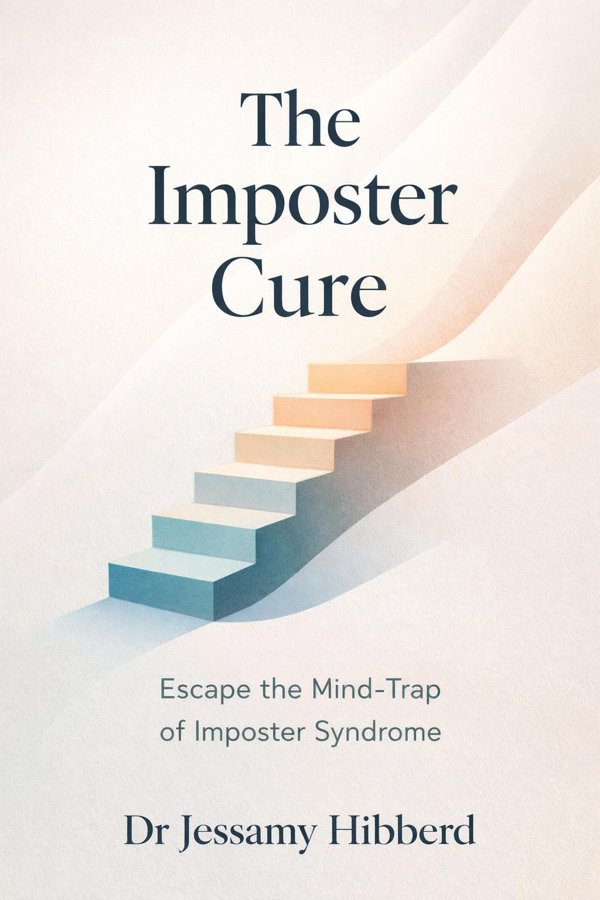
The Imposter Cure: Escape the Mind-Trap of Imposter Syndrome: Summary & Key Insights
 10 min5 chaptersAudio available
What Is The Imposter Cure: Escape the Mind-Trap of Imposter Syndrome About?
The Imposter Cure: Escape the Mind-Trap of Imposter Syndrome by Dr Jessamy Hibberd is a mental_health book spanning 5 pages. The Imposter Cure is a practical guide that explores the psychological phenomenon of imposter syndrome — the persistent belief that one’s success is undeserved or fraudulent. Dr Jessamy Hibberd, a clinical psychologist, offers insights into the roots of self-doubt and provides evidence-based strategies to overcome feelings of inadequacy, build confidence, and embrace personal achievements.
This FizzRead summary covers all 5 key chapters of The Imposter Cure: Escape the Mind-Trap of Imposter Syndrome in approximately 10 minutes, distilling the most important ideas, arguments, and takeaways from Dr Jessamy Hibberd's work. Also available as an audio summary and Key Quotes Podcast.
The Imposter Cure: Escape the Mind-Trap of Imposter Syndrome
The Imposter Cure is a practical guide that explores the psychological phenomenon of imposter syndrome — the persistent belief that one’s success is undeserved or fraudulent. Dr Jessamy Hibberd, a clinical psychologist, offers insights into the roots of self-doubt and provides evidence-based strategies to overcome feelings of inadequacy, build confidence, and embrace personal achievements.
Who Should Read The Imposter Cure: Escape the Mind-Trap of Imposter Syndrome?
This book is perfect for anyone interested in mental_health and looking to gain actionable insights in a short read. Whether you're a student, professional, or lifelong learner, the key ideas from The Imposter Cure: Escape the Mind-Trap of Imposter Syndrome by Dr Jessamy Hibberd will help you think differently.
- ✓Readers who enjoy mental_health and want practical takeaways
- ✓Professionals looking to apply new ideas to their work and life
- ✓Anyone who wants the core insights of The Imposter Cure: Escape the Mind-Trap of Imposter Syndrome in just 10 minutes
Want the full summary?
Get instant access to this book summary and 100K+ more with Fizz Moment.
Get Free SummaryAvailable on App Store • Free to download
Key Chapters
Imposter syndrome is the persistent belief that your success is undeserved — that somehow you’ve fooled everyone into thinking you’re capable, when in truth you’re just lucky or working harder than anyone else to mask your inadequacy. It’s not just self-doubt; it’s self-doubt amplified by a fear of exposure. You fear that one day, someone will see through you and confirm what you secretly believe: that you don’t belong, that you’ve never truly earned your place.
In this opening section, I define how this internal narrative forms. The feeling typically begins as subtle discomfort — a sense of being 'out of place' in a professional role or social situation. Over time, it can evolve into a deeply ingrained mental habit. You underestimate your competence, minimize achievements, and attribute success to luck, timing, or others' kindness, rather than to your own skill. Even when objective evidence tells you that you’ve done well, you dismiss it.
Psychologically, imposter syndrome represents a discrepancy between your internal and external experiences. You may perform well, even exceptionally, but internally you feel fear, anxiety, and insecurity. This mismatch drives the emotional exhaustion and perfectionism that often accompany the syndrome. Understanding this split — between how we appear and how we feel — is the first step to healing.
The paradox is that high achievers are particularly prone to imposter feelings. They set extreme internal standards and often interpret feedback through the lens of the imposter narrative. You’ve achieved much, yet you feel incapable of accepting praise. My role, as your guide, is to help you see that the reason you feel like an imposter is not because you are one, but because you care deeply about doing well. That very sensitivity is a strength, not a flaw.
To change imposter thinking, we must understand where it comes from. Often, these feelings originate long before adulthood. Growing up in environments where praise was conditional on achievement can teach you that your worth depends on performance. If mistakes were criticized or success was rarely acknowledged, you might have learned that nothing you do feels quite 'enough.'
Personality traits such as conscientiousness and perfectionism play a role. Conscientious individuals care about doing things well — which is good — but perfectionism extends that desire into an impossible expectation. You internalize the message that mistakes equal failure. Combined with a fear of judgment, the result is chronic self-criticism and an exaggerated need for approval.
Social influences compound these tendencies. The rise of social comparison — especially on digital platforms — fuels imposter thoughts. You compare your messy internal experience with others’ polished external image and conclude you’re the only one struggling. But this comparison is based on illusion. You see someone’s highlight reel and assume their confidence is absolute, while you privately wrestle with doubt.
By recognizing these origins, you can begin to disentangle your identity from old learning. Childhood messages are not destiny; they are patterns that can be updated. Likewise, personality traits need not dominate your self-image. A perfectionist can still aim for excellence, but from a place of self-encouragement rather than fear. The first healing shift comes from understanding that your imposter feelings were learned — and anything learned can be unlearned.
+ 3 more chapters — available in the FizzRead app
All Chapters in The Imposter Cure: Escape the Mind-Trap of Imposter Syndrome
About the Author
Dr Jessamy Hibberd is a Chartered Clinical Psychologist, author, and speaker based in the United Kingdom. She specializes in cognitive behavioral therapy (CBT) and has written several books on mental health and self-development, focusing on practical approaches to improving psychological well-being.
Get This Summary in Your Preferred Format
Read or listen to the The Imposter Cure: Escape the Mind-Trap of Imposter Syndrome summary by Dr Jessamy Hibberd anytime, anywhere. FizzRead offers multiple formats so you can learn on your terms — all free.
Available formats: App · Audio · PDF · EPUB — All included free with FizzRead
Download The Imposter Cure: Escape the Mind-Trap of Imposter Syndrome PDF and EPUB Summary
Key Quotes from The Imposter Cure: Escape the Mind-Trap of Imposter Syndrome
“It’s not just self-doubt; it’s self-doubt amplified by a fear of exposure.”
“To change imposter thinking, we must understand where it comes from.”
Frequently Asked Questions about The Imposter Cure: Escape the Mind-Trap of Imposter Syndrome
The Imposter Cure: Escape the Mind-Trap of Imposter Syndrome by Dr Jessamy Hibberd is a mental_health book that explores key ideas across 5 chapters. The Imposter Cure is a practical guide that explores the psychological phenomenon of imposter syndrome — the persistent belief that one’s success is undeserved or fraudulent. Dr Jessamy Hibberd, a clinical psychologist, offers insights into the roots of self-doubt and provides evidence-based strategies to overcome feelings of inadequacy, build confidence, and embrace personal achievements.
You Might Also Like

Big Feelings: How to Be Okay When Things Are Not Okay
Liz Fosslien, Mollie West Duffy
10 min
Creative Arts Therapies Handbook: Art, Music and Dance Therapy Practices for Wellbeing
Susan I. Buchalter
10 min
Emotional First Aid: Healing Rejection, Guilt, Failure, and Other Everyday Hurts
Guy Winch
10 min
Lost Connections: Why You're Depressed and How to Find Hope
Johann Hari
10 min
No Time to Panic: How to Stop Worrying and Embrace Life
Matt Gutman
10 min
Overcoming Mobbing: A Recovery Guide for Workplace Aggression and Bullying
Maureen Duffy, Len Sperry
10 minBrowse by Category
Ready to read The Imposter Cure: Escape the Mind-Trap of Imposter Syndrome?
Get the full summary and 100K+ more books with Fizz Moment.