
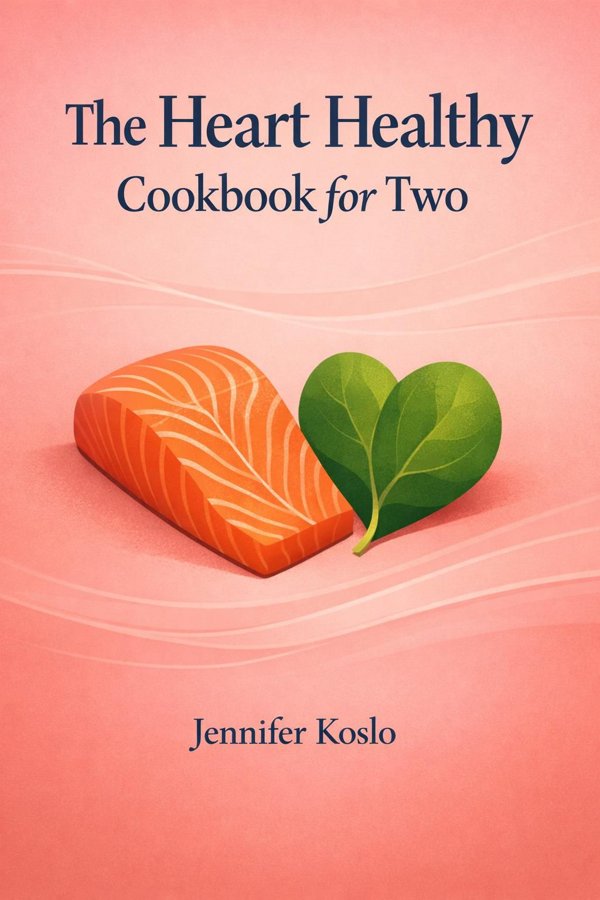
The Heart Healthy Cookbook for Two: 125 Perfectly Portioned, Nutrient-Rich Recipes: Summary & Key Insights
 10 min8 chaptersAudio available
Key Takeaways from The Heart Healthy Cookbook for Two: 125 Perfectly Portioned, Nutrient-Rich Recipes
Every meal is either helping your cardiovascular system function more efficiently or making its job harder.
Healthy cooking rarely begins at the stove; it begins with what is already in the pantry, refrigerator, and freezer.
Most unhealthy eating is not caused by ignorance; it is caused by being unprepared.
The difference between bland “healthy food” and satisfying healthy food often comes down to technique.
Even nutritious food can become less helpful when portion sizes quietly expand beyond what the body needs.
What Is The Heart Healthy Cookbook for Two: 125 Perfectly Portioned, Nutrient-Rich Recipes About?
The Heart Healthy Cookbook for Two: 125 Perfectly Portioned, Nutrient-Rich Recipes by Jennifer Koslo is a nutrition book spanning 5 pages. The Heart Healthy Cookbook for Two is a practical, approachable guide to eating well for cardiovascular health without sacrificing flavor, simplicity, or enjoyment. Designed specifically for couples, roommates, or anyone cooking in smaller quantities, the book features 125 portion-conscious recipes built around nutrient-dense ingredients that support a stronger heart. But this is more than a recipe collection. Jennifer Koslo uses the cookbook format to teach readers how everyday food choices influence blood pressure, cholesterol, inflammation, weight management, and long-term wellness. What makes this book especially useful is its focus on real life. Many healthy cookbooks assume large families, advanced kitchen skills, or unlimited time; Koslo instead addresses the common challenge of preparing balanced meals for two without waste, confusion, or oversized leftovers. Her recipes emphasize lean proteins, whole grains, fruits, vegetables, legumes, and healthy fats while helping readers reduce sodium, saturated fat, and excess sugar. As a registered dietitian and certified nutritionist, Koslo brings professional credibility to every page. Her guidance is grounded in nutrition science, but her tone remains encouraging and accessible, making heart-healthy cooking feel achievable for beginners and experienced home cooks alike.
This FizzRead summary covers all 8 key chapters of The Heart Healthy Cookbook for Two: 125 Perfectly Portioned, Nutrient-Rich Recipes in approximately 10 minutes, distilling the most important ideas, arguments, and takeaways from Jennifer Koslo's work. Also available as an audio summary and Key Quotes Podcast.
The Heart Healthy Cookbook for Two: 125 Perfectly Portioned, Nutrient-Rich Recipes
The Heart Healthy Cookbook for Two is a practical, approachable guide to eating well for cardiovascular health without sacrificing flavor, simplicity, or enjoyment. Designed specifically for couples, roommates, or anyone cooking in smaller quantities, the book features 125 portion-conscious recipes built around nutrient-dense ingredients that support a stronger heart. But this is more than a recipe collection. Jennifer Koslo uses the cookbook format to teach readers how everyday food choices influence blood pressure, cholesterol, inflammation, weight management, and long-term wellness.
What makes this book especially useful is its focus on real life. Many healthy cookbooks assume large families, advanced kitchen skills, or unlimited time; Koslo instead addresses the common challenge of preparing balanced meals for two without waste, confusion, or oversized leftovers. Her recipes emphasize lean proteins, whole grains, fruits, vegetables, legumes, and healthy fats while helping readers reduce sodium, saturated fat, and excess sugar.
As a registered dietitian and certified nutritionist, Koslo brings professional credibility to every page. Her guidance is grounded in nutrition science, but her tone remains encouraging and accessible, making heart-healthy cooking feel achievable for beginners and experienced home cooks alike.
Who Should Read The Heart Healthy Cookbook for Two: 125 Perfectly Portioned, Nutrient-Rich Recipes?
This book is perfect for anyone interested in nutrition and looking to gain actionable insights in a short read. Whether you're a student, professional, or lifelong learner, the key ideas from The Heart Healthy Cookbook for Two: 125 Perfectly Portioned, Nutrient-Rich Recipes by Jennifer Koslo will help you think differently.
- ✓Readers who enjoy nutrition and want practical takeaways
- ✓Professionals looking to apply new ideas to their work and life
- ✓Anyone who wants the core insights of The Heart Healthy Cookbook for Two: 125 Perfectly Portioned, Nutrient-Rich Recipes in just 10 minutes
Want the full summary?
Get instant access to this book summary and 100K+ more with Fizz Moment.
Get Free SummaryAvailable on App Store • Free to download
Key Chapters
Every meal is either helping your cardiovascular system function more efficiently or making its job harder. That is the central nutritional truth behind this cookbook. Jennifer Koslo begins with the idea that heart health is not determined by one dramatic change but by repeated daily decisions about salt, fat, fiber, portion size, and food quality. The heart depends on healthy blood vessels, manageable blood pressure, balanced cholesterol levels, and reduced inflammation. Food influences all of these.
Koslo frames heart-conscious eating as a proactive way of supporting the body rather than as a restrictive punishment. Foods rich in soluble fiber, such as oats, beans, and fruits, can help lower LDL cholesterol. Potassium-rich foods like leafy greens, bananas, and sweet potatoes can help support healthy blood pressure. Omega-3-rich ingredients, including fatty fish, walnuts, and flaxseed, contribute to anti-inflammatory benefits. At the same time, excess sodium, highly processed foods, and heavy reliance on saturated fats may strain the cardiovascular system over time.
What makes the book effective is that it translates these principles into meals people actually want to eat. Instead of offering abstract dietary advice, it shows how a breakfast with berries and oats, a lunch with beans and vegetables, or a dinner built around fish and whole grains can collectively improve long-term health. Readers learn that heart health is not about perfection. It is about patterns.
A practical way to apply this idea is to look at each plate and ask three questions: Where is the fiber? What is the fat source? How much sodium might be hidden here? That simple framework turns nutrition science into a usable daily habit. Actionable takeaway: Build each meal around at least one whole plant food, one lean or heart-smart protein, and a conscious effort to limit heavily processed ingredients.
Healthy cooking rarely begins at the stove; it begins with what is already in the pantry, refrigerator, and freezer. Koslo emphasizes that maintaining a heart-healthy lifestyle becomes far easier when your kitchen is organized around good defaults. If nutrient-rich foods are visible, accessible, and versatile, better meals happen with less effort. If the kitchen is dominated by salty snacks, refined carbs, and convenience foods, even the best intentions tend to collapse under the pressure of busy evenings.
The cookbook encourages readers to create a reliable inventory of staples that make balanced cooking almost automatic. These include canned no-salt-added beans, whole grains like brown rice and quinoa, unsalted nuts and seeds, olive oil, herbs, spices, frozen vegetables, low-sodium broths, canned tomatoes, and lean proteins. Fresh produce matters too, but Koslo wisely avoids making heart health dependent on perfection or daily shopping. Frozen berries, frozen spinach, and shelf-stable legumes count because they make nutritious cooking realistic.
This idea also helps reduce reliance on highly processed foods. If your pantry contains oats instead of sugary cereals, olive oil instead of shortening, and herbs instead of seasoning blends loaded with sodium, your meals naturally shift in a healthier direction. Stocking the kitchen strategically also supports portion control. Buying ingredients for cooking, not just snacking, changes the kind of eating that takes place at home.
A useful example is preparing a simple emergency meal from staples: low-sodium canned beans, frozen broccoli, garlic, olive oil, and brown rice can become a fast dinner for two without resorting to takeout. Actionable takeaway: Choose 10 to 15 heart-healthy staple ingredients this week and keep them consistently on hand so that your healthiest meal options are also your easiest ones.
Most unhealthy eating is not caused by ignorance; it is caused by being unprepared. Koslo treats meal planning not as an obsessive exercise but as a compassionate tool for reducing stress, waste, and impulsive choices. For people cooking for two, planning matters even more because grocery packaging, recipe yields, and leftovers often do not naturally match household needs. Without a plan, it is easy to overbuy, overserve, or default to convenience foods.
The book’s approach to meal planning is refreshingly practical. Readers are encouraged to think in terms of a few breakfasts, a few lunches, and several dinners built around overlapping ingredients. For example, a bag of spinach might appear in omelets, grain bowls, soups, and pasta dishes across the week. A batch of cooked quinoa can support multiple meals. This reduces waste while creating variety. Meal planning also makes nutritional balance more visible. Instead of asking, “What should we eat tonight?” you begin asking, “Have we included enough vegetables, fiber, and lean protein this week?”
Planning for two also requires portion awareness. Many recipes are designed for four or more, which can lead to overeating disguised as efficiency. Koslo’s two-person framework helps readers prepare enough food to satisfy without turning every dinner into three days of leftovers. That creates a better rhythm and often a stronger sense of control.
A simple application is to plan three dinners before shopping, then identify which ingredients can be reused in lunches or side dishes. This prevents random purchasing and encourages more thoughtful meals. Actionable takeaway: Before each grocery trip, select three heart-healthy dinners for the week and write a short ingredient overlap list to save money, reduce waste, and support consistency.
The difference between bland “healthy food” and satisfying healthy food often comes down to technique. Koslo shows that heart-friendly cooking is not about eliminating pleasure; it is about using methods that maximize flavor without relying on excess butter, cream, salt, or frying. This is one of the book’s most valuable contributions because many people abandon healthy eating not from lack of motivation but from boredom.
The cookbook highlights methods such as roasting, steaming, sautéing with small amounts of heart-healthy oil, baking, broiling, poaching, and grilling. These techniques can intensify natural flavors while keeping meals lighter and more nutrient-conscious. Roasting vegetables, for instance, deepens sweetness and creates texture. Using citrus, vinegar, garlic, onions, herbs, and spices can replace some of the sodium that dominates many processed meals. Even simple choices like draining excess fat, trimming visible fat from meat, or choosing yogurt-based sauces over cream-based ones make a measurable difference over time.
Koslo also implicitly teaches that texture and aroma matter. Crunch from nuts or seeds, brightness from lemon, heat from pepper flakes, and freshness from herbs can make wholesome food far more appealing. A heart-healthy kitchen does not need to be austere. It needs to be skillful. Once readers understand how to build flavor strategically, they become less dependent on unhealthy shortcuts.
A practical example is transforming plain salmon and vegetables into a satisfying dinner by roasting them with olive oil, garlic, black pepper, and lemon instead of covering them in heavy sauces. The ingredients remain simple, but the experience becomes memorable. Actionable takeaway: Learn three flavor-building habits this week—use acid, use herbs or spices, and choose one healthy cooking method like roasting or broiling—to make nutritious meals craveable.
Even nutritious food can become less helpful when portion sizes quietly expand beyond what the body needs. Koslo’s focus on recipes for two addresses one of the most common but underappreciated obstacles to healthy eating: accidental overeating. In many households, standard recipes create too much food, restaurant portions distort expectations, and leftovers become invitations to keep nibbling. Portion control, in this context, is not deprivation. It is a form of precision and self-respect.
For heart health, portion awareness matters because total calorie intake influences weight, and weight plays a major role in blood pressure, insulin sensitivity, and cardiovascular strain. Oversized portions can also increase sodium, saturated fat, and added sugar intake even when the meal itself contains healthy elements. Koslo’s recipes are designed to right-size meals so readers can nourish themselves without guesswork.
The book encourages balance within the plate: a reasonable serving of protein, a generous amount of vegetables, a measured portion of whole grains or starches, and healthy fats used with intention. This supports satisfaction while reducing the tendency to eat past fullness. Cooking for two also creates a built-in boundary. Rather than making a giant casserole and promising moderation, readers prepare the amount they actually intend to eat.
One practical strategy is plating meals in the kitchen rather than serving family-style at the table. Another is using visual cues, such as filling half the plate with vegetables and dividing the remaining half between lean protein and high-fiber starches. Actionable takeaway: For the next week, serve meals on plates instead of from shared serving dishes and notice how deliberate portions improve satiety, reduce mindless seconds, and support heart-healthy consistency.
A healthier diet does not always require a dramatic overhaul; often it begins with strategic substitutions repeated over time. Koslo’s recipes demonstrate how small ingredient swaps can significantly improve the nutritional quality of meals while preserving familiarity. This matters because people are far more likely to sustain changes that feel manageable. Heart-healthy eating succeeds when it works with existing habits rather than demanding a completely new food identity overnight.
The most powerful swaps often target hidden sources of sodium, saturated fat, and refined carbohydrates. Switching from white pasta or rice to whole grain versions increases fiber and satiety. Replacing high-sodium canned goods with low-sodium alternatives helps control salt intake. Choosing olive oil instead of butter more often shifts the fat profile in a heart-supportive direction. Using Greek yogurt in place of sour cream or heavy dressings can lighten meals while maintaining creaminess. Beans can partially replace meat in soups, tacos, or pasta dishes to reduce saturated fat and increase fiber.
Koslo’s approach also shows readers that flavor can survive substitution. A turkey and bean chili can still feel hearty. A dessert sweetened more moderately can still feel satisfying. Whole grain pancakes can still feel comforting. The lesson is not that every classic must be reinvented, but that many meals can become more heart-conscious with barely noticeable adjustments.
A practical example is taco night: use lean ground turkey or black beans, low-sodium seasoning, avocado, salsa, and corn tortillas or whole grain wraps instead of a heavily salted packaged kit with sour cream and fried shells. The meal remains familiar but supports better health. Actionable takeaway: Pick three recurring meals in your home and identify one swap for each that reduces sodium, saturated fat, or refined carbs without making the dish feel restrictive.
The best diet is not the one that looks ideal on paper; it is the one you can live with happily. One of the book’s quiet strengths is its recognition that sustainable heart health depends on enjoyment, routine, and emotional realism. Koslo does not present healthy cooking as a heroic short-term project. She presents it as a daily practice of care that must fit busy schedules, changing appetites, and normal human cravings.
This is why the cookbook emphasizes recipes that are approachable, efficient, and appealing rather than overly complicated or rigid. Simplicity matters because decision fatigue is real. When every meal demands advanced planning, expensive ingredients, or elaborate techniques, even motivated readers drift back to easier but less nourishing choices. By keeping recipes straightforward and portioned for two, Koslo lowers the friction between intention and action.
The emotional dimension is important too. Food is not only fuel; it is comfort, ritual, and connection. Cooking a nourishing meal for yourself and another person can reinforce partnership and mutual accountability. It turns health from an abstract goal into a shared daily expression of care. That emotional payoff increases the odds of consistency.
A simple application is creating a short list of favorite heart-healthy meals that you genuinely look forward to eating, such as salmon with roasted vegetables, vegetable frittata, lentil soup, or fruit-and-oat breakfasts. Repeating enjoyable meals is not boring if it makes healthy eating easier. Actionable takeaway: Create your own “reliable five” list of heart-healthy meals for two that are easy, satisfying, and repeatable, then rotate them regularly to reduce stress and build lasting habits.
A cookbook can offer better meals, but lasting cardiovascular health comes from the broader lifestyle surrounding those meals. Koslo’s guidance points toward an integrated way of living in which food choices connect with routine, physical activity, stress management, sleep, and consistency. Recipes matter, but they work best when they are part of a larger pattern of self-care.
This wider perspective keeps readers from expecting one “superfood” or one perfect menu to solve complex health concerns. Heart health is cumulative. A person who cooks more often at home, walks regularly, manages portions, eats more fiber, reduces sodium, and keeps weight in a healthier range is stacking multiple advantages. Even if progress is gradual, the combined effect is meaningful. Koslo’s style supports this realistic, layered approach.
For couples or households of two, lifestyle integration can become a shared project. Grocery shopping together, preparing meals as a team, taking a walk after dinner, or agreeing to keep healthier snacks at home can reinforce good habits. This reduces the sense that one person is “on a diet” while the other lives differently. Shared systems are often stronger than individual willpower.
A useful example is pairing a meal routine with another heart-supportive habit: after preparing a balanced dinner at home four nights a week, commit to a 15-minute walk together afterward. The food and movement reinforce each other. Actionable takeaway: Choose one non-food habit to pair with your heart-healthy cooking this month—such as walking, better sleep timing, or weekly meal prep—so your recipes become part of a complete cardiovascular wellness routine.
All Chapters in The Heart Healthy Cookbook for Two: 125 Perfectly Portioned, Nutrient-Rich Recipes
About the Author
Jennifer Koslo is a registered dietitian and certified nutritionist who specializes in creating practical nutrition guidance for everyday readers. Her work often centers on heart-healthy eating, weight management, and sustainable meal planning, with an emphasis on making medically informed advice feel approachable in real kitchens. Rather than promoting extreme diets or complicated food rules, Koslo focuses on balanced eating patterns, smart ingredient choices, and recipes people can realistically prepare and enjoy. She has authored several health-focused cookbooks that translate nutrition science into simple, usable strategies for individuals and families. In The Heart Healthy Cookbook for Two, her professional expertise is especially evident in the way she combines portion-conscious recipes, cardiovascular nutrition principles, and accessible cooking advice to help readers build habits that support long-term wellness.
Get This Summary in Your Preferred Format
Read or listen to the The Heart Healthy Cookbook for Two: 125 Perfectly Portioned, Nutrient-Rich Recipes summary by Jennifer Koslo anytime, anywhere. FizzRead offers multiple formats so you can learn on your terms — all free.
Available formats: App · Audio · PDF · EPUB — All included free with FizzRead
Download The Heart Healthy Cookbook for Two: 125 Perfectly Portioned, Nutrient-Rich Recipes PDF and EPUB Summary
Key Quotes from The Heart Healthy Cookbook for Two: 125 Perfectly Portioned, Nutrient-Rich Recipes
“Every meal is either helping your cardiovascular system function more efficiently or making its job harder.”
“Healthy cooking rarely begins at the stove; it begins with what is already in the pantry, refrigerator, and freezer.”
“Most unhealthy eating is not caused by ignorance; it is caused by being unprepared.”
“The difference between bland “healthy food” and satisfying healthy food often comes down to technique.”
“Even nutritious food can become less helpful when portion sizes quietly expand beyond what the body needs.”
Frequently Asked Questions about The Heart Healthy Cookbook for Two: 125 Perfectly Portioned, Nutrient-Rich Recipes
The Heart Healthy Cookbook for Two: 125 Perfectly Portioned, Nutrient-Rich Recipes by Jennifer Koslo is a nutrition book that explores key ideas across 8 chapters. The Heart Healthy Cookbook for Two is a practical, approachable guide to eating well for cardiovascular health without sacrificing flavor, simplicity, or enjoyment. Designed specifically for couples, roommates, or anyone cooking in smaller quantities, the book features 125 portion-conscious recipes built around nutrient-dense ingredients that support a stronger heart. But this is more than a recipe collection. Jennifer Koslo uses the cookbook format to teach readers how everyday food choices influence blood pressure, cholesterol, inflammation, weight management, and long-term wellness. What makes this book especially useful is its focus on real life. Many healthy cookbooks assume large families, advanced kitchen skills, or unlimited time; Koslo instead addresses the common challenge of preparing balanced meals for two without waste, confusion, or oversized leftovers. Her recipes emphasize lean proteins, whole grains, fruits, vegetables, legumes, and healthy fats while helping readers reduce sodium, saturated fat, and excess sugar. As a registered dietitian and certified nutritionist, Koslo brings professional credibility to every page. Her guidance is grounded in nutrition science, but her tone remains encouraging and accessible, making heart-healthy cooking feel achievable for beginners and experienced home cooks alike.
You Might Also Like
Eating by the Seasons Cookbook: Seasonal Produce-Focused Recipes
Clare Foster
10 min
From Crook to Cook: Platinum Recipes from Tha Boss Dogg's Kitchen
Snoop Dogg with Ryan Ford
10 min
Juicing for Beginners: The Essential Guide to Juicing Recipes and Juicing for Weight Loss
Rockridge Press
10 min
The Food Therapist: Break Bad Habits, Eat with Intention, and Indulge Without Worry
Shira Lenchewski
10 min
The Mediterranean Diet Meal Plan: A 4-Week Meal Plan for Optimal Health and Weight Loss
Various Contributors
10 min
The Well Plated Cookbook: Simple, Wholesome Recipes for Everyday Meals
Erin Clarke
10 minBrowse by Category
Ready to read The Heart Healthy Cookbook for Two: 125 Perfectly Portioned, Nutrient-Rich Recipes?
Get the full summary and 100K+ more books with Fizz Moment.