
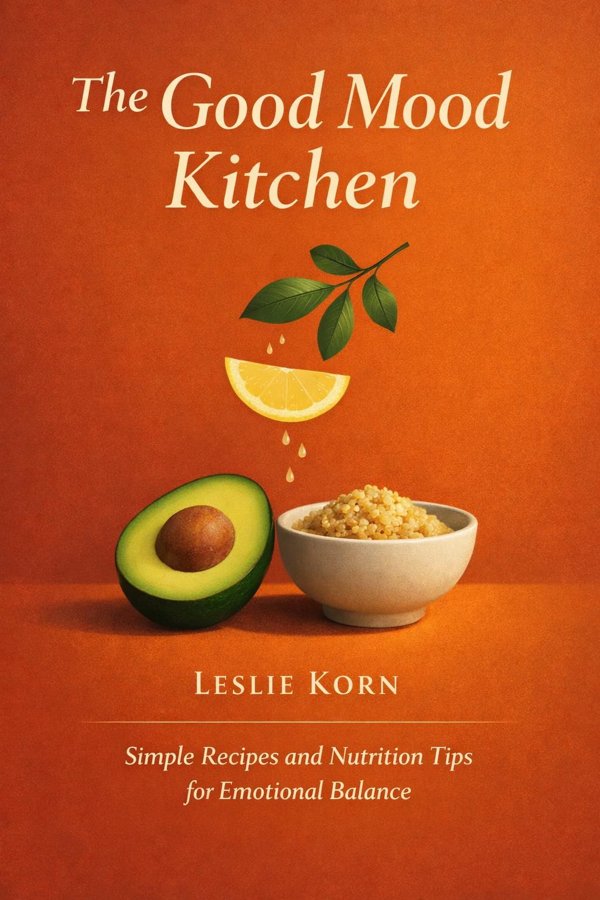
The Good Mood Kitchen: Simple Recipes and Nutrition Tips for Emotional Balance: Summary & Key Insights
by Leslie Korn
 10 min7 chaptersAudio available
What Is The Good Mood Kitchen: Simple Recipes and Nutrition Tips for Emotional Balance About?
The Good Mood Kitchen: Simple Recipes and Nutrition Tips for Emotional Balance by Leslie Korn is a nutrition book spanning 7 pages. The Good Mood Kitchen ofrece recetas sencillas y consejos de nutrición diseñados para mejorar el bienestar emocional. La autora, Leslie Korn, combina su experiencia en nutrición y salud mental para mostrar cómo los alimentos pueden influir en el estado de ánimo, la energía y la claridad mental. El libro incluye guías prácticas sobre cómo elegir ingredientes que apoyen la salud cerebral y emocional, junto con recetas fáciles de preparar.
This FizzRead summary covers all 7 key chapters of The Good Mood Kitchen: Simple Recipes and Nutrition Tips for Emotional Balance in approximately 10 minutes, distilling the most important ideas, arguments, and takeaways from Leslie Korn's work. Also available as an audio summary and Key Quotes Podcast.
The Good Mood Kitchen: Simple Recipes and Nutrition Tips for Emotional Balance
The Good Mood Kitchen ofrece recetas sencillas y consejos de nutrición diseñados para mejorar el bienestar emocional. La autora, Leslie Korn, combina su experiencia en nutrición y salud mental para mostrar cómo los alimentos pueden influir en el estado de ánimo, la energía y la claridad mental. El libro incluye guías prácticas sobre cómo elegir ingredientes que apoyen la salud cerebral y emocional, junto con recetas fáciles de preparar.
Who Should Read The Good Mood Kitchen: Simple Recipes and Nutrition Tips for Emotional Balance?
This book is perfect for anyone interested in nutrition and looking to gain actionable insights in a short read. Whether you're a student, professional, or lifelong learner, the key ideas from The Good Mood Kitchen: Simple Recipes and Nutrition Tips for Emotional Balance by Leslie Korn will help you think differently.
- ✓Readers who enjoy nutrition and want practical takeaways
- ✓Professionals looking to apply new ideas to their work and life
- ✓Anyone who wants the core insights of The Good Mood Kitchen: Simple Recipes and Nutrition Tips for Emotional Balance in just 10 minutes
Want the full summary?
Get instant access to this book summary and 100K+ more with Fizz Moment.
Get Free SummaryAvailable on App Store • Free to download
Key Chapters
Our moods are not mysterious accidents; they are biochemical reflections of what we feed our body every day. I’ve spent many years explaining this connection to patients and students—the mood changes we feel so suddenly often begin in the subtle fluctuations of neurotransmitters. Serotonin, dopamine, GABA, and others rely on specific nutrients for their production and stability. When we eat foods rich in amino acids—tryptophan, tyrosine—or in vitamins B6 and folate, we are quite literally nourishing our emotional foundation.
Modern diets, however, often strip away these essentials. Processed meals laden with sugar and artificial fats may fill us quickly but leave our neurons malnourished and irritable. I’ve seen how a shift in diet can turn the fog of depression into clarity or the jitter of anxiety into composure. When we begin to understand the biochemical basis of our emotions, we stop externalizing them as mysterious forces. We realize that the brain, too, is a metabolic organ—its calm or its chaos is directly influenced by the nutrients we offer.
In practical terms, this means your plate becomes an instrument of regulation. A breakfast rich in omega-3 fats from salmon or seeds can promote sustained dopamine signaling and motivation. Magnesium-rich greens can quiet the nervous system. B vitamins from whole grains and legumes act like conductors, ensuring that the neurotransmitters perform their symphony smoothly. These are not abstract connections but tangible biochemical transactions that you can feel within days of change. The beauty of this understanding is how empowering it is: you can actively choose what kind of neurotransmitter orchestra you want to conduct each day.
I always tell my readers that food is not good or bad—it is either supportive or disruptive to emotional balance. In *The Good Mood Kitchen*, I guide you through what supportive means in the context of brain health. Whole, unprocessed ingredients are the foundation. They are the foods that communicate clearly with the body, without chemical interference. Think of vibrant vegetables, fresh fruits, nuts and seeds, sustainably raised proteins, and healthy fats. These are not just nutrients; they are information carriers.
Each meal can be designed with your emotional needs in mind. If you struggle with low energy or mental fog, foods high in clean proteins and antioxidant compounds help rebuild cell function and brain signaling. If you are prone to anxious overdrive, calming minerals and slow-digesting carbohydrates support steady energy and neurotransmitter equilibrium. The act of preparing these foods mindfully reinforces emotional awareness—when you chop, stir, season, and taste attentively, your nervous system engages in a rhythmic state of presence.
Supporting emotional balance through food also means learning to recognize when certain patterns steal stability. Fast carbs and erratic caffeine intake may mimic quick relief but often crash your internal chemistry. I encourage readers to replace those patterns with steady nourishment: a warm grain bowl with vegetables and avocado to balance glucose, a cup of herbal tea rich in polyphenols for grounding, or fermented foods that gently cultivate gut resilience. The healing unfolds not just through nutrients, but through the ritual of care expressed with each meal.
+ 5 more chapters — available in the FizzRead app
All Chapters in The Good Mood Kitchen: Simple Recipes and Nutrition Tips for Emotional Balance
About the Author
Leslie Korn es una especialista en nutrición y salud mental con más de 40 años de experiencia clínica. Ha trabajado en la integración de la medicina tradicional y moderna, y es autora de varios libros sobre nutrición, trauma y bienestar emocional.
Get This Summary in Your Preferred Format
Read or listen to the The Good Mood Kitchen: Simple Recipes and Nutrition Tips for Emotional Balance summary by Leslie Korn anytime, anywhere. FizzRead offers multiple formats so you can learn on your terms — all free.
Available formats: App · Audio · PDF · EPUB — All included free with FizzRead
Download The Good Mood Kitchen: Simple Recipes and Nutrition Tips for Emotional Balance PDF and EPUB Summary
Key Quotes from The Good Mood Kitchen: Simple Recipes and Nutrition Tips for Emotional Balance
“Our moods are not mysterious accidents; they are biochemical reflections of what we feed our body every day.”
“I always tell my readers that food is not good or bad—it is either supportive or disruptive to emotional balance.”
Frequently Asked Questions about The Good Mood Kitchen: Simple Recipes and Nutrition Tips for Emotional Balance
The Good Mood Kitchen: Simple Recipes and Nutrition Tips for Emotional Balance by Leslie Korn is a nutrition book that explores key ideas across 7 chapters. The Good Mood Kitchen ofrece recetas sencillas y consejos de nutrición diseñados para mejorar el bienestar emocional. La autora, Leslie Korn, combina su experiencia en nutrición y salud mental para mostrar cómo los alimentos pueden influir en el estado de ánimo, la energía y la claridad mental. El libro incluye guías prácticas sobre cómo elegir ingredientes que apoyen la salud cerebral y emocional, junto con recetas fáciles de preparar.
More by Leslie Korn
You Might Also Like
Eating by the Seasons Cookbook: Seasonal Produce-Focused Recipes
Clare Foster
10 min
From Crook to Cook: Platinum Recipes from Tha Boss Dogg's Kitchen
Snoop Dogg with Ryan Ford
10 min
Juicing for Beginners: The Essential Guide to Juicing Recipes and Juicing for Weight Loss
Rockridge Press
10 min
The Food Therapist: Break Bad Habits, Eat with Intention, and Indulge Without Worry
Shira Lenchewski
10 min
The Mediterranean Diet Meal Plan: A 4-Week Meal Plan for Optimal Health and Weight Loss
Various Contributors
10 min
The Well Plated Cookbook: Simple, Wholesome Recipes for Everyday Meals
Erin Clarke
10 minBrowse by Category
Ready to read The Good Mood Kitchen: Simple Recipes and Nutrition Tips for Emotional Balance?
Get the full summary and 100K+ more books with Fizz Moment.