
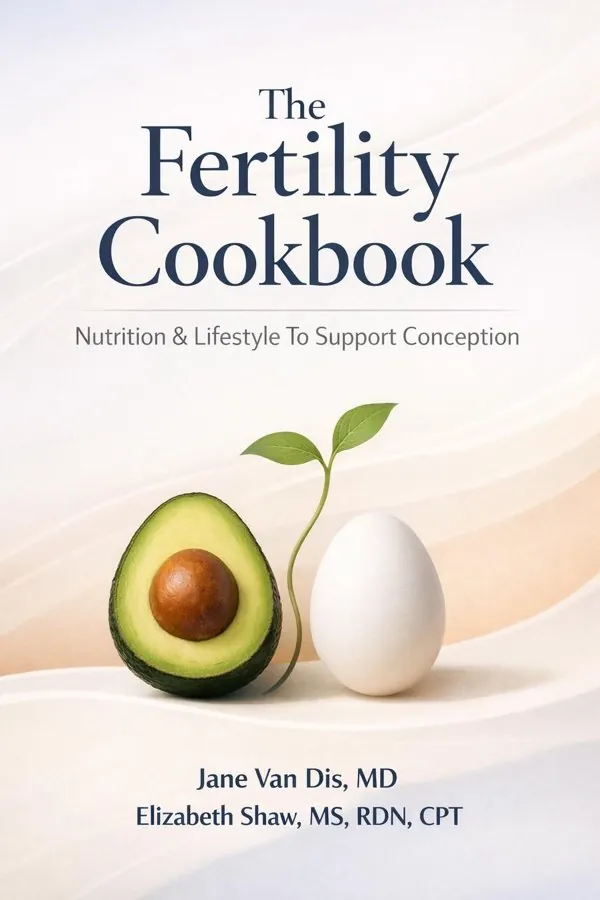
The Fertility Cookbook: Nutrition & Lifestyle To Support Conception: Summary & Key Insights
by Jane Van Dis, MD; Elizabeth Shaw, MS, RDN, CPT
 10 min9 chaptersAudio available
Key Takeaways from The Fertility Cookbook: Nutrition & Lifestyle To Support Conception
Fertility is not a single event but a system, and that insight changes everything.
Nutrients are not just fuel; they are instructions for the reproductive system.
The best fertility diet is not a crash plan; it is a repeatable pattern.
What happens outside the kitchen can be just as important as what happens on your plate.
Conception is a shared outcome, so fertility preparation must be shared too.
What Is The Fertility Cookbook: Nutrition & Lifestyle To Support Conception About?
The Fertility Cookbook: Nutrition & Lifestyle To Support Conception by Jane Van Dis, MD; Elizabeth Shaw, MS, RDN, CPT is a nutrition book spanning 8 pages. The Fertility Cookbook: Nutrition & Lifestyle To Support Conception is a practical guide for people who want to improve their chances of conceiving through evidence-based food and lifestyle choices. Rather than promising miracle fixes, the book explains how everyday habits—what you eat, how you sleep, how you move, and how you manage stress—can influence reproductive health in both women and men. It blends clear medical guidance with approachable nutrition advice, making fertility feel less mysterious and more manageable. What makes this book especially useful is its combination of science and practicality. Dr. Jane Van Dis brings clinical expertise as an obstetrician-gynecologist, while Elizabeth Shaw contributes deep knowledge as a registered dietitian nutritionist and certified personal trainer specializing in fertility and prenatal health. Together, they show how nutrients, meal patterns, body health, and shared couple routines can support conception without overwhelming readers. With more than recipes, this is a roadmap for building sustainable habits that nourish hormones, egg and sperm quality, and overall wellness. For anyone preparing for pregnancy or navigating fertility challenges, the book offers informed guidance and realistic hope.
This FizzRead summary covers all 9 key chapters of The Fertility Cookbook: Nutrition & Lifestyle To Support Conception in approximately 10 minutes, distilling the most important ideas, arguments, and takeaways from Jane Van Dis, MD; Elizabeth Shaw, MS, RDN, CPT's work. Also available as an audio summary and Key Quotes Podcast.
The Fertility Cookbook: Nutrition & Lifestyle To Support Conception
The Fertility Cookbook: Nutrition & Lifestyle To Support Conception is a practical guide for people who want to improve their chances of conceiving through evidence-based food and lifestyle choices. Rather than promising miracle fixes, the book explains how everyday habits—what you eat, how you sleep, how you move, and how you manage stress—can influence reproductive health in both women and men. It blends clear medical guidance with approachable nutrition advice, making fertility feel less mysterious and more manageable.
What makes this book especially useful is its combination of science and practicality. Dr. Jane Van Dis brings clinical expertise as an obstetrician-gynecologist, while Elizabeth Shaw contributes deep knowledge as a registered dietitian nutritionist and certified personal trainer specializing in fertility and prenatal health. Together, they show how nutrients, meal patterns, body health, and shared couple routines can support conception without overwhelming readers. With more than recipes, this is a roadmap for building sustainable habits that nourish hormones, egg and sperm quality, and overall wellness. For anyone preparing for pregnancy or navigating fertility challenges, the book offers informed guidance and realistic hope.
Who Should Read The Fertility Cookbook: Nutrition & Lifestyle To Support Conception?
This book is perfect for anyone interested in nutrition and looking to gain actionable insights in a short read. Whether you're a student, professional, or lifelong learner, the key ideas from The Fertility Cookbook: Nutrition & Lifestyle To Support Conception by Jane Van Dis, MD; Elizabeth Shaw, MS, RDN, CPT will help you think differently.
- ✓Readers who enjoy nutrition and want practical takeaways
- ✓Professionals looking to apply new ideas to their work and life
- ✓Anyone who wants the core insights of The Fertility Cookbook: Nutrition & Lifestyle To Support Conception in just 10 minutes
Want the full summary?
Get instant access to this book summary and 100K+ more with Fizz Moment.
Get Free SummaryAvailable on App Store • Free to download
Key Chapters
Fertility is not a single event but a system, and that insight changes everything. Many people think conception depends only on ovulation timing or sperm count, yet the book emphasizes that reproductive success is shaped by a network of biological processes: hormone balance, egg maturation, sperm development, ovulation, fallopian tube health, uterine receptivity, inflammation levels, metabolic function, and even daily lifestyle patterns. In other words, fertility is less like flipping a switch and more like coordinating an orchestra.
The authors explain this science in an accessible way. Eggs and sperm need the right nutrients to develop properly. Hormones rely on stable metabolic signals. The uterine environment responds to inflammation, blood flow, and nutritional status. Male fertility matters just as much as female fertility, since sperm quality influences conception and early embryo development. This broader lens is empowering because it gives couples more areas they can improve instead of focusing narrowly on one factor.
A helpful application is to stop seeing fertility as something that begins only once you start trying. The book encourages preconception preparation: improving sleep, reducing ultra-processed foods, addressing nutrient gaps, moderating alcohol, and building routines that support hormone health. For example, someone with irregular cycles might focus on balanced meals and blood sugar stability, while a male partner may increase antioxidant-rich foods to support sperm quality.
The takeaway is simple: treat fertility as whole-body health. The more you understand conception as a coordinated biological process, the more effectively you can support it through intentional daily choices.
Nutrients are not just fuel; they are instructions for the reproductive system. One of the book’s strongest contributions is showing how specific vitamins, minerals, fats, and proteins help create the conditions for conception. Instead of promoting trendy “fertility superfoods,” the authors focus on well-supported nutrients that influence hormone production, egg quality, sperm integrity, ovulation, and healthy early fetal development.
Folate stands out because it supports cell division and is essential before pregnancy even begins. Iron helps oxygen transport and may support ovulatory health. Omega-3 fats can influence inflammation and hormone signaling. Choline contributes to cellular development and is especially valuable in preconception and pregnancy. Zinc and selenium matter for both men and women, particularly in sperm production, antioxidant defense, and reproductive function. Protein quality also matters, as does getting enough fiber to support gut and hormone health.
The book moves beyond theory by linking nutrients to everyday foods. Leafy greens, beans, lentils, eggs, salmon, yogurt, nuts, seeds, berries, and whole grains appear not as rigid rules but as building blocks. A fertility-supportive breakfast might include eggs, avocado, and whole-grain toast. A lunch could combine lentils, spinach, olive oil, and pumpkin seeds. Snack choices might shift from sugary convenience foods to Greek yogurt with fruit and walnuts.
Importantly, the authors do not suggest perfection. They encourage steady improvement and thoughtful supplementation when needed, especially if advised by a clinician. Their core message is that reproductive health thrives when the body receives consistent nutritional support.
Action step: audit your weekly meals and identify three fertility-supportive nutrients you are missing, then add one food source of each into your routine this week.
The best fertility diet is not a crash plan; it is a repeatable pattern. This idea anchors the book’s nutritional philosophy. Rather than focusing on strict food elimination or expensive specialty products, the authors advocate for a balanced way of eating that supports hormonal health, healthy body composition, inflammation control, and consistent energy. A fertility-supportive diet is built meal by meal, not through occasional “healthy” choices.
The core pattern includes colorful produce, high-quality proteins, whole grains, legumes, healthy fats, and adequate hydration. These foods help regulate blood sugar, provide antioxidants, support ovulation, and nourish sperm production. Just as important is what gets reduced: excess added sugar, heavy reliance on ultra-processed foods, trans fats, and habits that create metabolic instability. This is not about moralizing food. It is about creating an internal environment in which reproductive systems can function optimally.
The book also makes meal structure practical. Pairing protein, fiber, and fat at meals can prevent blood sugar spikes that may affect hormones, especially in people with insulin resistance or polycystic ovary syndrome. For instance, instead of eating a plain bagel for breakfast, a more supportive option would be eggs with sautéed vegetables and a slice of whole-grain toast. Dinner might become salmon, roasted vegetables, and quinoa instead of takeout that leaves you sluggish and undernourished.
Because consistency matters more than novelty, the authors include recipes and planning ideas that reduce friction. If fertility nutrition feels too complicated, you are less likely to sustain it. Simplicity wins.
Action step: build one “template meal” for breakfast, lunch, and dinner that includes protein, fiber-rich carbohydrates, and healthy fat, then repeat those meals regularly until the habit feels automatic.
What happens outside the kitchen can be just as important as what happens on your plate. The book makes a strong case that fertility is influenced by lifestyle patterns that affect hormone signaling, inflammation, insulin sensitivity, mood, and recovery. Stress, sleep, and movement are often treated as secondary concerns, but the authors present them as central parts of the conception picture.
Stress does not automatically cause infertility, but chronic stress can shape behaviors and physiological responses that make reproductive health harder to support. Elevated stress may disrupt sleep, increase cravings for low-quality food, reduce libido, and interfere with routine self-care. Sleep, in turn, is not just rest; it is when the body regulates hormones, repairs tissues, and resets key biological rhythms. Short or inconsistent sleep may affect appetite, blood sugar, and endocrine balance. Movement adds another layer. Moderate exercise can improve circulation, mood, metabolic health, and body composition, all of which may support fertility.
The authors recommend sustainable practices rather than punishing regimens. Walking after meals, strength training a few times per week, stretching, yoga, and regular bedtime routines are all realistic examples. Someone overwhelmed by fertility appointments may benefit from ten minutes of breathing exercises before bed and a morning walk in daylight. A person with a desk job may choose movement snacks during the day rather than aiming immediately for intense workouts.
This chapter is valuable because it reframes lifestyle habits as supportive tools, not extra pressure. Small interventions can create meaningful changes when repeated consistently.
Action step: choose one sleep habit, one stress-reduction habit, and one movement habit you can practice this week, such as a fixed bedtime, five minutes of daily meditation, and a 20-minute walk.
Conception is a shared outcome, so fertility preparation must be shared too. One of the most important messages in the book is that male fertility is not a side issue. Sperm health affects fertilization, embryo quality, and the chances of a successful pregnancy. Yet many couples still place nearly all the responsibility on the woman. The authors correct this imbalance by explaining how nutrition and lifestyle influence sperm count, motility, morphology, and DNA integrity.
Sperm are particularly vulnerable to oxidative stress, which means antioxidant-rich nutrition matters. Vitamins C and E, zinc, selenium, omega-3 fats, and carotenoid-rich fruits and vegetables can all support sperm health. The book also discusses how alcohol excess, smoking, poor sleep, heat exposure, obesity, and highly processed diets may undermine reproductive function. This is not meant to shame men but to show that they have meaningful ways to contribute.
Practical examples make the advice usable. A male partner might trade fast-food lunches for grain bowls with lean protein and vegetables, reduce heavy drinking, add nuts and seeds as snacks, and avoid prolonged heat from hot tubs or laptops resting directly on the lap. If energy is low, he might begin resistance training twice a week and prioritize sleep regularity. These steps improve more than fertility; they support long-term cardiovascular and metabolic health too.
The larger implication is relational: when both partners participate, the fertility journey becomes less isolating and often more effective. Shared responsibility can reduce resentment and strengthen teamwork.
Action step: if you are trying to conceive as a couple, have each partner identify three habits that may affect reproductive health and commit together to improving them over the next three months.
Women’s reproductive health is dynamic, and nutrition works best when it responds to individual needs rather than one-size-fits-all rules. The book highlights how female fertility is influenced by cycle regularity, ovulation quality, hormone patterns, thyroid function, inflammation, body composition, age, and conditions such as PCOS or endometriosis. Because these factors vary widely, a fertility-supportive approach should be tailored, not copied from social media.
The authors explain that adequate energy intake matters. Over-restriction, chronic dieting, or excessive exercise can disrupt reproductive hormones in some women, while insulin resistance and poor blood sugar control may be more relevant in others. Protein, fiber, healthy fats, iron, folate, and anti-inflammatory foods often play important roles, but how they are emphasized may depend on the person. A woman with irregular cycles may benefit from more stable meal timing and blood sugar support. Someone with heavy periods may need to pay closer attention to iron-rich foods. A person preparing for assisted reproduction may focus on consistency, hydration, and nutrient density during treatment cycles.
This personalized framing is one of the book’s greatest strengths. It lowers the risk of turning fertility nutrition into another rigid wellness trend. The goal is not dietary purity; it is physiological support. Readers are encouraged to work with qualified professionals when underlying medical issues are present.
Examples include building meals around eggs, legumes, fish, vegetables, whole grains, berries, nuts, and dairy or fortified alternatives, while also considering symptom patterns and lab work when appropriate.
Action step: identify your most relevant fertility challenge—such as irregular cycles, inflammation, low energy, or nutrient deficiency—and adapt your nutrition priorities to that specific issue instead of chasing generic advice.
Trying to conceive is often treated as a medical project, but it is also a relational experience. The book wisely broadens the conversation from individual behavior to couple wellness. Fertility efforts can strain communication, intimacy, finances, and emotional resilience. When partners approach conception as a shared lifestyle shift rather than a monthly test of success or failure, the process becomes more sustainable.
The authors encourage couples to create supportive routines together. Cooking fertility-friendly meals as a team is one obvious example, but the deeper principle is shared ownership. Grocery shopping, reducing alcohol at home, improving sleep schedules, planning movement, and attending medical appointments can all become collective efforts. This matters because habits are easier to maintain when the environment supports them. If one partner is trying to eat better while the other brings home takeout every night, friction increases. If both commit to the same health goals, consistency becomes more realistic.
There is also an emotional component. Fertility challenges can create blame, silence, and loneliness. Shared strategies help shift the narrative from “your problem” or “my problem” to “our health.” Practical rituals—weekly meal planning, evening walks, open check-ins about stress, or setting boundaries with family questions—can protect the relationship during an uncertain period.
This chapter offers a humane reminder: supporting fertility should not come at the expense of the partnership itself. The habits that improve conception chances often also improve relationship quality, energy, and long-term family health.
Action step: schedule a weekly 20-minute fertility check-in with your partner to review meals, appointments, stress levels, and one practical way you can support each other in the week ahead.
Good intentions do not nourish the body; systems do. One of the most practical lessons in the book is that meal planning is not a productivity hack but a health strategy. Fertility-supportive eating often fails not because people lack motivation, but because busy schedules, decision fatigue, and emotional stress make convenience food the default. Planning reduces the number of moments when you have to rely on willpower.
The authors make this process feel manageable. You do not need a perfect spreadsheet or elaborate Sunday ritual. A useful fertility meal plan can be as simple as choosing a few go-to breakfasts, batch-cooking a protein, washing and chopping vegetables, stocking freezer staples, and keeping nutrient-dense snacks visible and ready. Recipes become easier to use when ingredients overlap. For example, roasted vegetables can appear in omelets, grain bowls, and side dishes throughout the week. Greek yogurt, nuts, fruit, eggs, canned beans, and whole grains can support quick meals without much preparation.
Meal planning also helps with consistency around key nutrients. If you want more omega-3 fats, folate, iron, and fiber, you can intentionally place fish, legumes, leafy greens, seeds, and whole grains into your weekly shopping list. It is far harder to hit those targets accidentally while rushing through takeout decisions each evening.
Importantly, sustainability matters more than ambition. A realistic plan repeated for months will do more for fertility than an idealized plan abandoned after four days.
Action step: before your next grocery trip, plan just three dinners, two breakfasts, and two snack options that support fertility, and shop only for those meals to make healthy choices easier.
Information matters, but recipes are what make information edible. The cookbook format is not an extra feature; it is central to the book’s usefulness. Many fertility guides explain what nutrients matter, yet readers still struggle to transform theory into meals they can enjoy and repeat. By including approachable recipes, the authors bridge the gap between scientific advice and everyday implementation.
This matters because fertility nutrition is not built on isolated supplements alone. It emerges from patterns: breakfasts that provide protein and healthy fats, lunches rich in fiber and micronutrients, dinners that balance whole-food carbohydrates with vegetables and quality proteins, and snacks that stabilize energy instead of spiking blood sugar. Recipes help readers avoid the common trap of understanding what they should eat but not knowing how to assemble it.
The book’s recipe-centered approach also reduces overwhelm. Instead of asking, “How do I get more choline, folate, zinc, and omega-3s?” readers can make a meal that naturally includes eggs, leafy greens, legumes, salmon, seeds, or yogurt. A smoothie can become a practical way to add fruit, protein, and healthy fats on a rushed morning. A sheet-pan dinner can deliver antioxidant-rich vegetables and lean protein with minimal cleanup. These meals support fertility while still fitting real life.
Just as importantly, enjoyable food supports adherence. If the food tastes good and feels satisfying, readers are much more likely to continue eating this way over time.
Action step: pick two recipes from the book that look simple and appealing, cook them this week, and note which ingredients or methods could become part of your regular rotation.
All Chapters in The Fertility Cookbook: Nutrition & Lifestyle To Support Conception
About the Authors
Jane Van Dis, MD, and Elizabeth Shaw, MS, RDN, CPT, bring complementary expertise to fertility and preconception health. Dr. Van Dis is an obstetrician-gynecologist known for her work in women’s wellness, reproductive health, and evidence-based patient education. Her clinical experience gives her a direct understanding of the questions and challenges people face when trying to conceive. Elizabeth Shaw is a registered dietitian nutritionist and certified personal trainer who specializes in fertility and prenatal nutrition. She is known for translating nutrition science into practical, sustainable habits that fit everyday life. Together, they combine medicine, nutrition, and behavior change to help readers support conception through realistic food choices, lifestyle improvements, and informed self-care. Their partnership makes The Fertility Cookbook both scientifically grounded and highly actionable.
Get This Summary in Your Preferred Format
Read or listen to the The Fertility Cookbook: Nutrition & Lifestyle To Support Conception summary by Jane Van Dis, MD; Elizabeth Shaw, MS, RDN, CPT anytime, anywhere. FizzRead offers multiple formats so you can learn on your terms — all free.
Available formats: App · Audio · PDF · EPUB — All included free with FizzRead
Download The Fertility Cookbook: Nutrition & Lifestyle To Support Conception PDF and EPUB Summary
Key Quotes from The Fertility Cookbook: Nutrition & Lifestyle To Support Conception
“Fertility is not a single event but a system, and that insight changes everything.”
“Nutrients are not just fuel; they are instructions for the reproductive system.”
“The best fertility diet is not a crash plan; it is a repeatable pattern.”
“What happens outside the kitchen can be just as important as what happens on your plate.”
“Conception is a shared outcome, so fertility preparation must be shared too.”
Frequently Asked Questions about The Fertility Cookbook: Nutrition & Lifestyle To Support Conception
The Fertility Cookbook: Nutrition & Lifestyle To Support Conception by Jane Van Dis, MD; Elizabeth Shaw, MS, RDN, CPT is a nutrition book that explores key ideas across 9 chapters. The Fertility Cookbook: Nutrition & Lifestyle To Support Conception is a practical guide for people who want to improve their chances of conceiving through evidence-based food and lifestyle choices. Rather than promising miracle fixes, the book explains how everyday habits—what you eat, how you sleep, how you move, and how you manage stress—can influence reproductive health in both women and men. It blends clear medical guidance with approachable nutrition advice, making fertility feel less mysterious and more manageable. What makes this book especially useful is its combination of science and practicality. Dr. Jane Van Dis brings clinical expertise as an obstetrician-gynecologist, while Elizabeth Shaw contributes deep knowledge as a registered dietitian nutritionist and certified personal trainer specializing in fertility and prenatal health. Together, they show how nutrients, meal patterns, body health, and shared couple routines can support conception without overwhelming readers. With more than recipes, this is a roadmap for building sustainable habits that nourish hormones, egg and sperm quality, and overall wellness. For anyone preparing for pregnancy or navigating fertility challenges, the book offers informed guidance and realistic hope.
You Might Also Like
Eating by the Seasons Cookbook: Seasonal Produce-Focused Recipes
Clare Foster
10 min
From Crook to Cook: Platinum Recipes from Tha Boss Dogg's Kitchen
Snoop Dogg with Ryan Ford
10 min
Juicing for Beginners: The Essential Guide to Juicing Recipes and Juicing for Weight Loss
Rockridge Press
10 min
The Food Therapist: Break Bad Habits, Eat with Intention, and Indulge Without Worry
Shira Lenchewski
10 min
The Mediterranean Diet Meal Plan: A 4-Week Meal Plan for Optimal Health and Weight Loss
Various Contributors
10 min
The Well Plated Cookbook: Simple, Wholesome Recipes for Everyday Meals
Erin Clarke
10 minBrowse by Category
Ready to read The Fertility Cookbook: Nutrition & Lifestyle To Support Conception?
Get the full summary and 100K+ more books with Fizz Moment.