
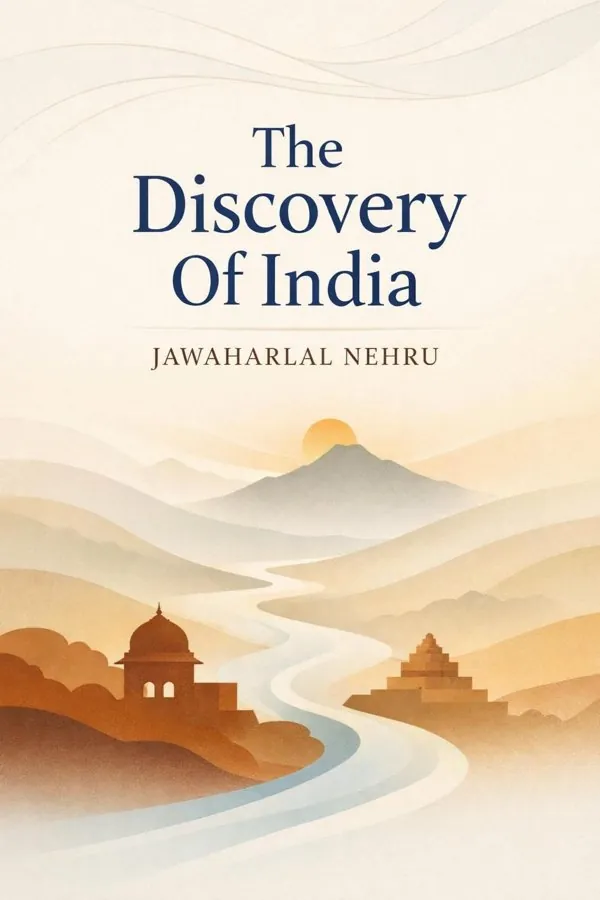
The Discovery Of India: Summary & Key Insights
 10 min7 chaptersAudio available
What Is The Discovery Of India About?
The Discovery Of India by Jawaharlal Nehru is a world_history book spanning 7 pages. Written by Jawaharlal Nehru during his imprisonment at Ahmednagar Fort between 1942 and 1946, this work presents a sweeping narrative of India’s history, culture, and philosophy. Nehru explores the evolution of Indian civilization from ancient times to the British colonial period, reflecting on the country’s unity in diversity and its enduring spiritual and intellectual traditions. The book combines historical analysis with personal reflection, offering a vision of India’s identity and destiny.
This FizzRead summary covers all 7 key chapters of The Discovery Of India in approximately 10 minutes, distilling the most important ideas, arguments, and takeaways from Jawaharlal Nehru's work. Also available as an audio summary and Key Quotes Podcast.
The Discovery Of India
Written by Jawaharlal Nehru during his imprisonment at Ahmednagar Fort between 1942 and 1946, this work presents a sweeping narrative of India’s history, culture, and philosophy. Nehru explores the evolution of Indian civilization from ancient times to the British colonial period, reflecting on the country’s unity in diversity and its enduring spiritual and intellectual traditions. The book combines historical analysis with personal reflection, offering a vision of India’s identity and destiny.
Who Should Read The Discovery Of India?
This book is perfect for anyone interested in world_history and looking to gain actionable insights in a short read. Whether you're a student, professional, or lifelong learner, the key ideas from The Discovery Of India by Jawaharlal Nehru will help you think differently.
- ✓Readers who enjoy world_history and want practical takeaways
- ✓Professionals looking to apply new ideas to their work and life
- ✓Anyone who wants the core insights of The Discovery Of India in just 10 minutes
Want the full summary?
Get instant access to this book summary and 100K+ more with Fizz Moment.
Get Free SummaryAvailable on App Store • Free to download
Key Chapters
To understand India is to begin at the dawn of human consciousness itself. The story does not start with empires or kings but with the slow unfolding of civilization along the rivers and plains of this vast land. The earliest traces — stone tools, cave paintings, and the remains of agricultural settlements — tell us that India was among the primal homes of humanity’s awakening mind. Later came the magnificent urban culture of Harappa and Mohenjo-daro, cities whose very layout spoke of order, reason, and civic spirit. Though shrouded in mystery, they reveal a people capable of combining material skill with aesthetic sensibility. Out of this soil sprouted the seeds of the Vedic world.
The Vedas represent not merely hymns to nature’s forces but the beginning of India’s intellectual adventure. Their authors looked upon creation with wonder and asked: whence is this vast universe? what is the essence that binds being and non-being? These early inquiries gave birth to a tradition of thought that was to make philosophy the heart of Indian life. The sages of the Upanishads turned thought inward, seeking the eternal in the self, declaring that the divine principle, Brahman, and the inner soul, Atman, were one. That declaration was not merely metaphysical but social; it expressed a unity underlying the diversity of nature and mankind.
In these early centuries one senses already the peculiar balance of India’s spirit — a yearning for universality coupled with patient acceptance of multiplicity. The village community, the family, the hermitage, and the royal court coexisted as facets of the same civilization. Time flowed gently, binding continuity with change. Even the earliest myths and epics — the *Ramayana* and *Mahabharata* — echo this sense of a people discovering themselves through moral and spiritual exploration rather than conquest. To me, rediscovering these foundations during my imprisonment was like listening to the buried heartbeat of my motherland. It whispered of endurance, adaptation, and an unbroken quest for truth.
Out of the ferment of that ancient world arose India's great spiritual revolutions — Hinduism, Buddhism, and Jainism. Each of them, in its own manner, tried to answer the same fundamental question: how shall man live, and what is the meaning of existence? Hindu philosophy evolved not as a single creed but as a river system whose many branches and currents all descended from the Vedic source. It allowed multiplicity of worship and doctrine because it recognized that truth has many aspects. Yet from time to time reformers and thinkers emerged to restore clarity, to cut through ritualistic encrustations and proclaim the eternal values of humility, compassion, and self-realization.
Then came the Buddha, that serene, luminous presence who turned human attention fully toward suffering and the means to overcome it. His was a revolution not of the sword but of insight — he rejected the authority of caste and the oppression of dogma, teaching that liberation lay through right understanding, right conduct, and unceasing awareness. Jainism, with its insistence on nonviolence and the sanctity of all life, echoed this moral awakening. Together they represented the triumph of ethics over metaphysical speculation, of action guided by compassion over ritualism.
These spiritual movements did not destroy one another but lived side by side, influencing and being influenced. India became a generous workshop of ideas where philosophies contended without persecution. That habit of intellectual tolerance is among the subcontinent’s proudest inheritances. Even when I sat confined behind prison walls, reading the scriptures and the commentaries, I could feel this spirit of freedom radiating from their pages. They taught me that India’s spiritual vitality has always rested on questioning, not conformity — and that the best of our tradition is not the worship of the past but the continual reinterpretation of its truths in the light of new experience.
+ 5 more chapters — available in the FizzRead app
All Chapters in The Discovery Of India
About the Author
Jawaharlal Nehru (1889–1964) was an Indian nationalist leader, statesman, and the first Prime Minister of independent India. A central figure in the Indian independence movement, he was a close associate of Mahatma Gandhi and a key architect of modern India’s democratic and secular framework. Nehru was also a prolific writer, known for his works on history, politics, and philosophy.
Get This Summary in Your Preferred Format
Read or listen to the The Discovery Of India summary by Jawaharlal Nehru anytime, anywhere. FizzRead offers multiple formats so you can learn on your terms — all free.
Available formats: App · Audio · PDF · EPUB — All included free with FizzRead
Download The Discovery Of India PDF and EPUB Summary
Key Quotes from The Discovery Of India
“To understand India is to begin at the dawn of human consciousness itself.”
“Out of the ferment of that ancient world arose India's great spiritual revolutions — Hinduism, Buddhism, and Jainism.”
Frequently Asked Questions about The Discovery Of India
The Discovery Of India by Jawaharlal Nehru is a world_history book that explores key ideas across 7 chapters. Written by Jawaharlal Nehru during his imprisonment at Ahmednagar Fort between 1942 and 1946, this work presents a sweeping narrative of India’s history, culture, and philosophy. Nehru explores the evolution of Indian civilization from ancient times to the British colonial period, reflecting on the country’s unity in diversity and its enduring spiritual and intellectual traditions. The book combines historical analysis with personal reflection, offering a vision of India’s identity and destiny.
More by Jawaharlal Nehru
You Might Also Like
The Age of Capital
Eric Hobsbawm
10 min
The Gulag Archipelago
Aleksandr Solzhenitsyn
10 min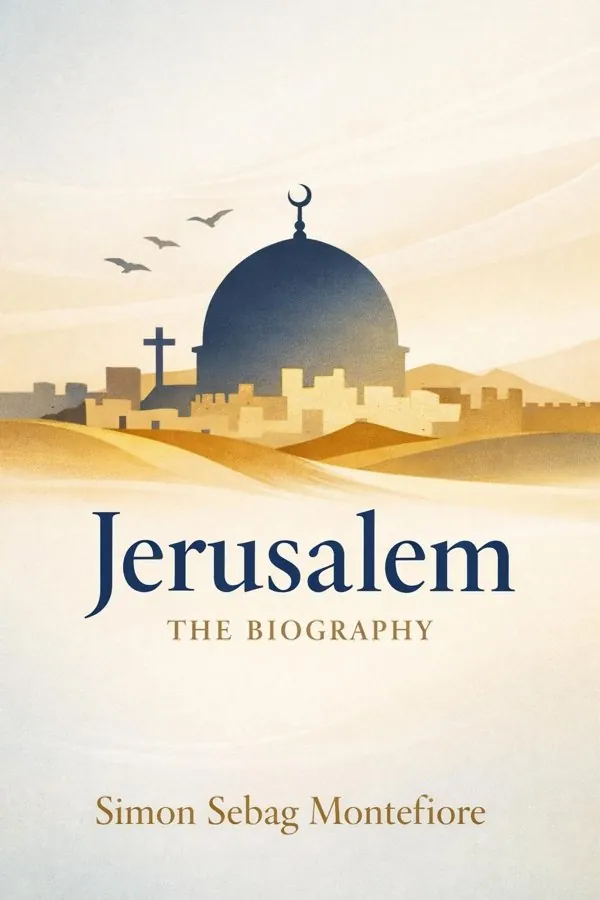
Jerusalem: The Biography
Simon Sebag Montefiore
10 min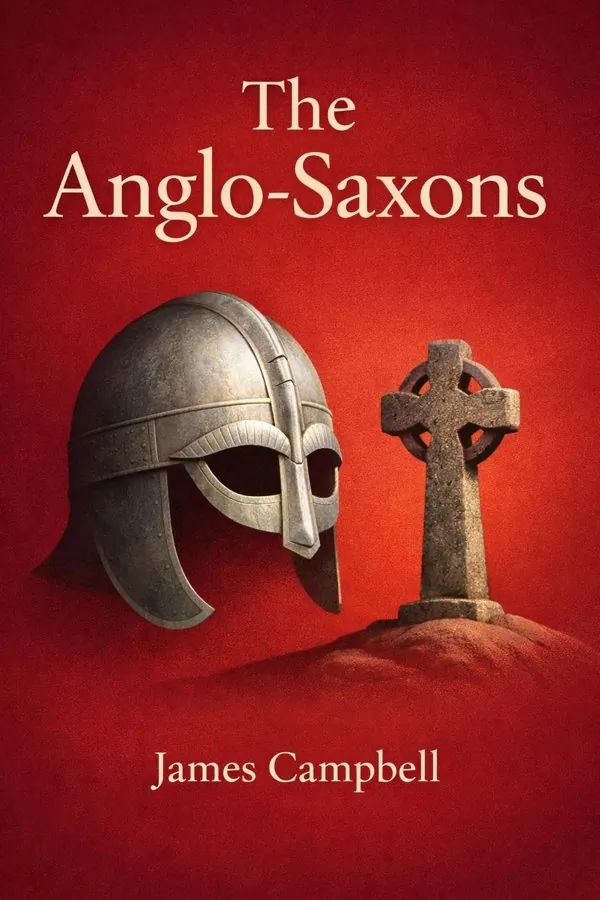
The Anglo-Saxons
James Campbell
10 min
The Boer War
Thomas Pakenham
10 min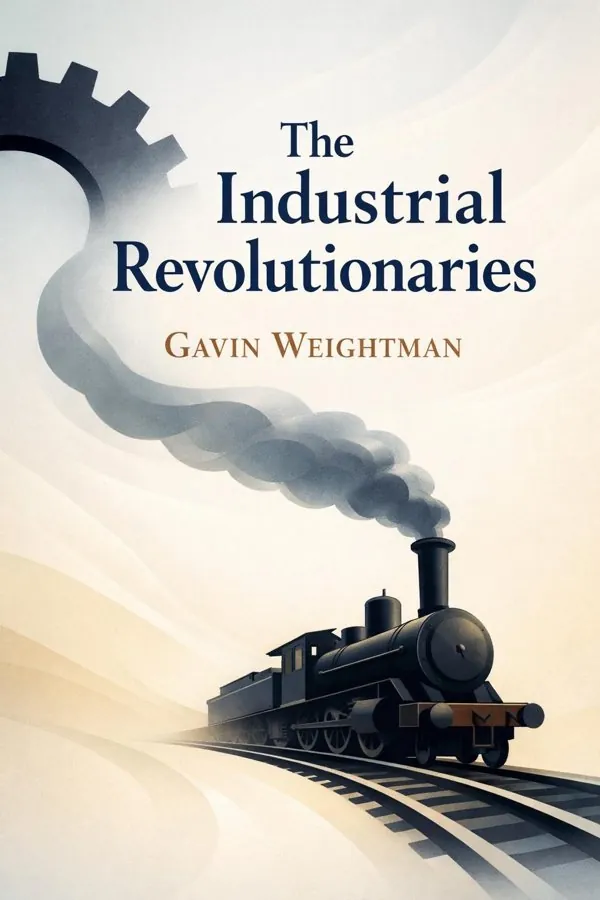
The Industrial Revolutionaries: The Making of the Modern World 1776–1914
Gavin Weightman
10 minBrowse by Category
Ready to read The Discovery Of India?
Get the full summary and 100K+ more books with Fizz Moment.