
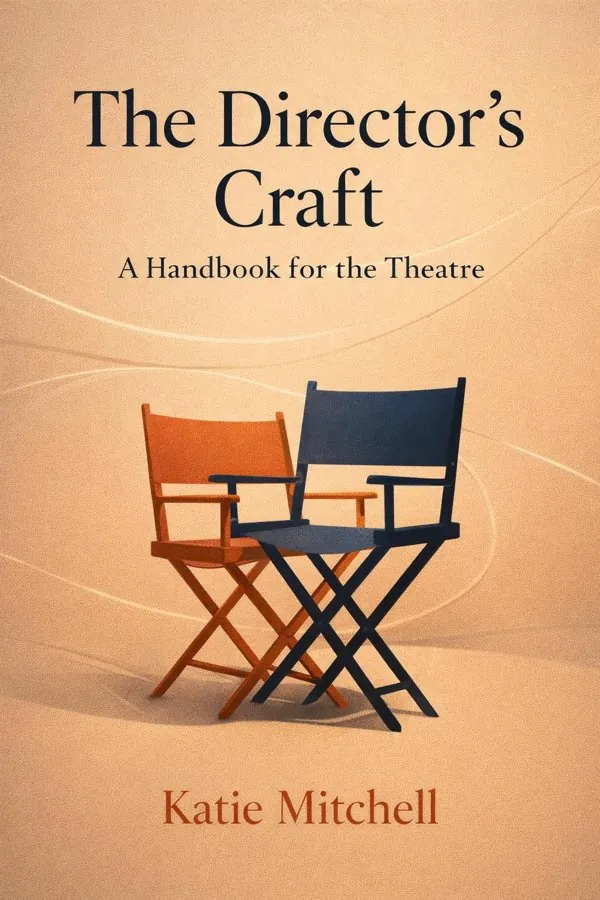
The Director's Craft: A Handbook for the Theatre: Summary & Key Insights
 10 min10 chaptersAudio available
What Is The Director's Craft: A Handbook for the Theatre About?
The Director's Craft: A Handbook for the Theatre by Katie Mitchell is a performing_arts book spanning 10 pages. This comprehensive guide by acclaimed British theatre director Katie Mitchell offers a detailed exploration of the director’s role in contemporary theatre. It provides practical advice on every stage of the directing process—from analyzing the text and working with designers to rehearsing with actors and shaping the final performance. Drawing on her extensive experience, Mitchell demystifies the craft of directing and provides a clear methodology for creating compelling, truthful theatre.
This FizzRead summary covers all 10 key chapters of The Director's Craft: A Handbook for the Theatre in approximately 10 minutes, distilling the most important ideas, arguments, and takeaways from Katie Mitchell's work. Also available as an audio summary and Key Quotes Podcast.
The Director's Craft: A Handbook for the Theatre
This comprehensive guide by acclaimed British theatre director Katie Mitchell offers a detailed exploration of the director’s role in contemporary theatre. It provides practical advice on every stage of the directing process—from analyzing the text and working with designers to rehearsing with actors and shaping the final performance. Drawing on her extensive experience, Mitchell demystifies the craft of directing and provides a clear methodology for creating compelling, truthful theatre.
Who Should Read The Director's Craft: A Handbook for the Theatre?
This book is perfect for anyone interested in performing_arts and looking to gain actionable insights in a short read. Whether you're a student, professional, or lifelong learner, the key ideas from The Director's Craft: A Handbook for the Theatre by Katie Mitchell will help you think differently.
- ✓Readers who enjoy performing_arts and want practical takeaways
- ✓Professionals looking to apply new ideas to their work and life
- ✓Anyone who wants the core insights of The Director's Craft: A Handbook for the Theatre in just 10 minutes
Want the full summary?
Get instant access to this book summary and 100K+ more with Fizz Moment.
Get Free SummaryAvailable on App Store • Free to download
Key Chapters
Every production begins with the text. Before the first rehearsal, before any concept or design, the director must dive beneath the surface of the play. I approach this stage almost like an archaeologist: the playwright has left traces in the structure, rhythm, and imagery that can only be revealed through careful excavation.
The first task is to identify what happens—not what the characters say, but what they do to one another. I believe in breaking the text into units of action, each representing a shift in intention or relationship. This analysis anchors the emotional logic of the story, making the director’s work later in rehearsal more precise. Equally important is understanding the world the playwright has constructed: what are its rules, its tone, its moral and temporal atmosphere?
Beneath this structural work lies another layer: the study of subtext. A character’s line may conceal as much as it reveals, and much of a play’s richness lies in these contradictions. The director’s role is to guide actors toward discovering what lies behind the words, not to dictate meaning but to pose the questions that lead to discovery.
I often find that true creativity is born from this depth of analysis. When you understand the engine of a scene, you can begin to shape how it will live physically and emotionally on stage. Without it, all later choices—blocking, design, rhythm—float without purpose. That is why my process always begins with this patient, forensic reading of the text.
Once the text has been analyzed, I turn to research. To direct responsibly, one must not only interpret the play but also respect its context. Whether it’s an Ibsen drama or a contemporary work, every text emerges from a specific time, place, and set of cultural circumstances. Gathering this information expands your imaginative range.
My research typically falls into three strands: historical, social, and visual. Historical research situates the play in its era—the political events, everyday customs, and power structures that shape the characters’ lives. Social research helps one grasp class dynamics, gender roles, and other forces at play. Visual research provides the sensory world of the production—architecture, clothing, light, and texture. I keep visual diaries for each project, full of images that evoke the mood I seek; they become a shared reference with designers later on.
But research is not just academic. It feeds the emotional truth of the work. When you can picture how a nineteenth-century drawing room felt or how a soldier’s coat weighed upon the body, you direct actors with greater specificity. Research roots imagination in reality, turning dreams into something tangible.
+ 8 more chapters — available in the FizzRead app
All Chapters in The Director's Craft: A Handbook for the Theatre
About the Author
Katie Mitchell is a British theatre and opera director known for her innovative and rigorous approach to performance. She has worked with major institutions such as the Royal Shakespeare Company, the National Theatre, and the Royal Court Theatre. Her work is recognized for its psychological depth, precision, and commitment to exploring new theatrical forms.
Get This Summary in Your Preferred Format
Read or listen to the The Director's Craft: A Handbook for the Theatre summary by Katie Mitchell anytime, anywhere. FizzRead offers multiple formats so you can learn on your terms — all free.
Available formats: App · Audio · PDF · EPUB — All included free with FizzRead
Download The Director's Craft: A Handbook for the Theatre PDF and EPUB Summary
Key Quotes from The Director's Craft: A Handbook for the Theatre
“Before the first rehearsal, before any concept or design, the director must dive beneath the surface of the play.”
“Once the text has been analyzed, I turn to research.”
Frequently Asked Questions about The Director's Craft: A Handbook for the Theatre
The Director's Craft: A Handbook for the Theatre by Katie Mitchell is a performing_arts book that explores key ideas across 10 chapters. This comprehensive guide by acclaimed British theatre director Katie Mitchell offers a detailed exploration of the director’s role in contemporary theatre. It provides practical advice on every stage of the directing process—from analyzing the text and working with designers to rehearsing with actors and shaping the final performance. Drawing on her extensive experience, Mitchell demystifies the craft of directing and provides a clear methodology for creating compelling, truthful theatre.
You Might Also Like

Harriet Tubman: Live in Concert
Bob the Drag Queen
10 min
The Art of Stagecraft
Robert Edmond Jones
10 min
The Art of Stop-Motion Animation
Ken A. Priebe
10 min
Thunderstorm
Cao Yu
10 min
Acting In Film: An Actor's Take on Movie Making
Michael Caine
10 min
Character Animation Crash Course!
Eric Goldberg
10 minBrowse by Category
Ready to read The Director's Craft: A Handbook for the Theatre?
Get the full summary and 100K+ more books with Fizz Moment.