
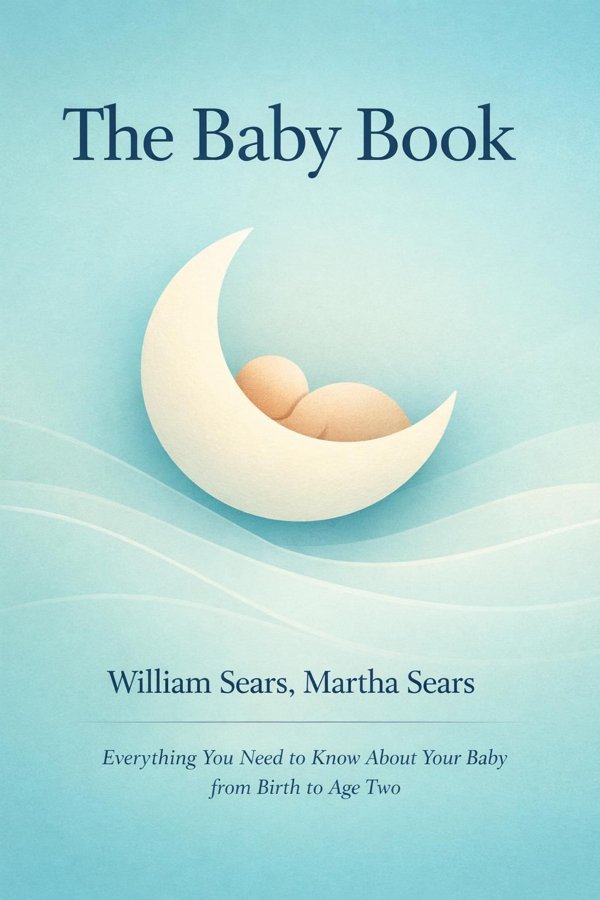
The Baby Book: Everything You Need to Know About Your Baby from Birth to Age Two: Summary & Key Insights
by William Sears, Martha Sears
 10 min9 chaptersAudio available
What Is The Baby Book: Everything You Need to Know About Your Baby from Birth to Age Two About?
The Baby Book: Everything You Need to Know About Your Baby from Birth to Age Two by William Sears, Martha Sears is a parenting book spanning 9 pages. A comprehensive guide for new parents, this book covers all aspects of infant care from birth through toddlerhood. It emphasizes attachment parenting, breastfeeding, sleep, nutrition, and emotional bonding, offering practical advice grounded in pediatric expertise and family experience.
This FizzRead summary covers all 9 key chapters of The Baby Book: Everything You Need to Know About Your Baby from Birth to Age Two in approximately 10 minutes, distilling the most important ideas, arguments, and takeaways from William Sears, Martha Sears's work. Also available as an audio summary and Key Quotes Podcast.
The Baby Book: Everything You Need to Know About Your Baby from Birth to Age Two
A comprehensive guide for new parents, this book covers all aspects of infant care from birth through toddlerhood. It emphasizes attachment parenting, breastfeeding, sleep, nutrition, and emotional bonding, offering practical advice grounded in pediatric expertise and family experience.
Who Should Read The Baby Book: Everything You Need to Know About Your Baby from Birth to Age Two?
This book is perfect for anyone interested in parenting and looking to gain actionable insights in a short read. Whether you're a student, professional, or lifelong learner, the key ideas from The Baby Book: Everything You Need to Know About Your Baby from Birth to Age Two by William Sears, Martha Sears will help you think differently.
- ✓Readers who enjoy parenting and want practical takeaways
- ✓Professionals looking to apply new ideas to their work and life
- ✓Anyone who wants the core insights of The Baby Book: Everything You Need to Know About Your Baby from Birth to Age Two in just 10 minutes
Want the full summary?
Get instant access to this book summary and 100K+ more with Fizz Moment.
Get Free SummaryAvailable on App Store • Free to download
Key Chapters
Welcoming a baby begins long before the first cry. We encourage parents to prepare not only the nursery, but their hearts. Pregnancy is a time to start thinking about bonding, which is less about technique and more about being emotionally ready to meet your child as a unique person. After birth, the golden hours are precious—the baby’s senses are heightened, searching for the familiar rhythms of your heartbeat, your scent, your voice.
Bonding starts when the baby rests on your chest, skin to skin, feeling the continuity between womb and world. From this contact comes a cascade of physiological and emotional benefits: stabilized heart rate and temperature, improved breastfeeding success, and the beginnings of attachment trust. The early postpartum period can be overwhelming, but when parents are supported—through rest, nutrition, and encouragement—they bond more naturally.
I often remind new parents that bonding is not a single moment but a process. Whether through breastfeeding, gentle touch, or simple responsiveness, you’re communicating safety. Babies learn the world through your calm presence. The early days can bring fatigue, hormonal shifts, and self-doubt, but these are eased when you see each cry not as a problem, but as communication. As you hold, soothe, and gaze into your baby’s eyes, you’re teaching them what love feels like: consistent, warm, and reliable.
Breastfeeding is an art of nourishment and connection. As pediatricians and parents, we have watched thousands of mothers experience the deep bond that forms during nursing—when the baby’s tiny fingers relax and the eyes slowly close in contentment. Breastfeeding is not solely about food; it is about trust, health, and security.
The natural milk supply adapts to your baby’s needs, offering perfect nutrition for growth and immunity. Mothers often worry about technique—whether the latch is correct, whether the baby is getting enough, or whether they can maintain breastfeeding when returning to work. In The Baby Book, we walk you through these questions patiently. The right positioning, understanding letdown, and responding to early hunger cues create a rhythm that makes feeding not a struggle, but an act of harmony.
When breastfeeding isn’t possible, nurturing remains equally important. Responsive bottle feeding, held close eye-to-eye, reinforces the same principles of attachment. Later, as babies transition to solids—usually between six months and two years—the focus remains on exploration rather than control. Food introduces not only flavors, but autonomy. Our guidance is always to respect the child’s pace, trusting their innate appetite and curiosity.
Nutrition in the first two years sets lifelong patterns. Feeding with patience and joy rather than anxiety helps children learn that eating is social and pleasurable. This trust, built at the table, echoes throughout their emotional lives.
+ 7 more chapters — available in the FizzRead app
All Chapters in The Baby Book: Everything You Need to Know About Your Baby from Birth to Age Two
About the Authors
William Sears, M.D., and Martha Sears, R.N., are a husband-and-wife team of pediatric and parenting experts. They have authored numerous books on childcare and family health and are known for promoting the philosophy of attachment parenting.
Get This Summary in Your Preferred Format
Read or listen to the The Baby Book: Everything You Need to Know About Your Baby from Birth to Age Two summary by William Sears, Martha Sears anytime, anywhere. FizzRead offers multiple formats so you can learn on your terms — all free.
Available formats: App · Audio · PDF · EPUB — All included free with FizzRead
Download The Baby Book: Everything You Need to Know About Your Baby from Birth to Age Two PDF and EPUB Summary
Key Quotes from The Baby Book: Everything You Need to Know About Your Baby from Birth to Age Two
“Welcoming a baby begins long before the first cry.”
“Breastfeeding is an art of nourishment and connection.”
Frequently Asked Questions about The Baby Book: Everything You Need to Know About Your Baby from Birth to Age Two
The Baby Book: Everything You Need to Know About Your Baby from Birth to Age Two by William Sears, Martha Sears is a parenting book that explores key ideas across 9 chapters. A comprehensive guide for new parents, this book covers all aspects of infant care from birth through toddlerhood. It emphasizes attachment parenting, breastfeeding, sleep, nutrition, and emotional bonding, offering practical advice grounded in pediatric expertise and family experience.
You Might Also Like
Never Enough
Jennifer Breheny Wallace
10 min
Bluey: Sleepytime
Joe Brumm
10 min
In My Heart: A Book of Feelings
Jo Witek
10 min
Love From The Crayons
Drew Daywalt, Oliver Jeffers
10 min
Pete The Cat: Big Easter Adventure
James Dean, Kimberly Dean
10 min
Smart Money Smart Kids: Raising the Next Generation to Win with Money
Dave Ramsey, Rachel Cruze
10 minBrowse by Category
Ready to read The Baby Book: Everything You Need to Know About Your Baby from Birth to Age Two?
Get the full summary and 100K+ more books with Fizz Moment.