
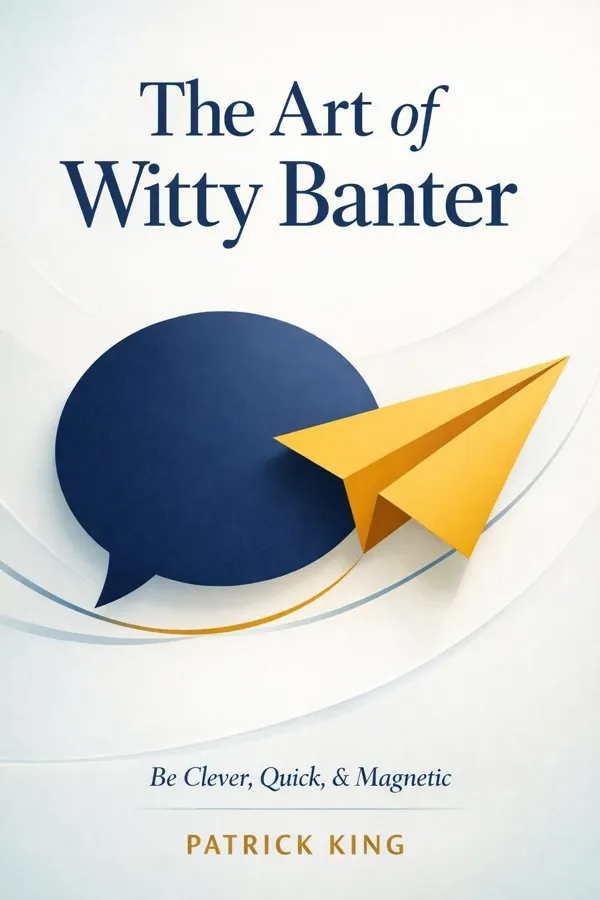
The Art of Witty Banter: Be Clever, Quick, & Magnetic: Summary & Key Insights
by Patrick King
 10 min8 chaptersAudio available
What Is The Art of Witty Banter: Be Clever, Quick, & Magnetic About?
The Art of Witty Banter: Be Clever, Quick, & Magnetic by Patrick King is a communication book spanning 8 pages. The Art of Witty Banter teaches readers how to engage in lively, intelligent, and humorous conversation. Patrick King provides practical techniques to develop quick thinking, confidence, and charm in social interactions, helping readers to connect more effectively and leave memorable impressions.
This FizzRead summary covers all 8 key chapters of The Art of Witty Banter: Be Clever, Quick, & Magnetic in approximately 10 minutes, distilling the most important ideas, arguments, and takeaways from Patrick King's work. Also available as an audio summary and Key Quotes Podcast.
The Art of Witty Banter: Be Clever, Quick, & Magnetic
The Art of Witty Banter teaches readers how to engage in lively, intelligent, and humorous conversation. Patrick King provides practical techniques to develop quick thinking, confidence, and charm in social interactions, helping readers to connect more effectively and leave memorable impressions.
Who Should Read The Art of Witty Banter: Be Clever, Quick, & Magnetic?
This book is perfect for anyone interested in communication and looking to gain actionable insights in a short read. Whether you're a student, professional, or lifelong learner, the key ideas from The Art of Witty Banter: Be Clever, Quick, & Magnetic by Patrick King will help you think differently.
- ✓Readers who enjoy communication and want practical takeaways
- ✓Professionals looking to apply new ideas to their work and life
- ✓Anyone who wants the core insights of The Art of Witty Banter: Be Clever, Quick, & Magnetic in just 10 minutes
Want the full summary?
Get instant access to this book summary and 100K+ more with Fizz Moment.
Get Free SummaryAvailable on App Store • Free to download
Key Chapters
Wit begins with presence. When people think about being witty, they often focus entirely on the cleverness of the statement itself. But the truth is that timing and emotional awareness matter far more than the words. A perfectly witty line falls flat if delivered in the wrong moment, while a simple playful remark can turn magnetic if spoken at just the right time.
In conversation, timing is everything. I often remind readers that listening is the first step in being witty. You need to observe the flow of interaction—the pauses, the expressions, the tone—to find openings where your comments will land effortlessly. Wit relies on responsiveness, not premeditation. If you’re too busy rehearsing what to say next, you’ll miss the moment when your words could sparkle.
Confidence, too, is non-negotiable. People respond not to the content of your words alone, but to the energy with which you deliver them. Think of it as conversational conviction—the quiet assurance that what you’re saying belongs in that moment. Without confidence, humor feels forced; with it, even a simple tease feels playful.
Observation empowers both timing and confidence. To be witty, you have to see the world with alert curiosity—notice unusual connections, contradictions, and details others overlook. The best conversationalists aren’t necessarily comedians; they’re attentive observers who reveal humor through how they see things. Practicing this kind of perception is like sharpening your lens—you begin to notice opportunities for clever exchanges everywhere.
As I tell my students, wit is not memorized—it’s discovered in real time. Once you learn to trust your awareness and timing, your confidence will take root naturally. That’s the foundation upon which all cleverness rests.
The ability to think quickly is what separates engaging conversationalists from those who fade into the background. Yet quick thinking doesn’t mean frantic thinking. It means keeping your mind loose, flexible, and playful despite the pressure of unpredictability.
In practice, mental agility starts with permission—to stop filtering your thoughts through layers of caution. Most people silence their own wit out of fear of judgment. They worry they’ll say something foolish or inappropriate, and that worry freezes their creativity. To become witty, you need to recondition your mind to embrace spontaneity and learn the difference between deliberate reflection and natural flow.
Real-world conversations don’t follow scripts. You might be talking with a colleague about a serious topic, and a chance for humor arises. Your goal is to seize that moment confidently. Exercises I share include improvisation games, verbal associations, and curiosity challenges—all designed to keep your mind nimble. These practices aren’t just for comedians; they help you develop the neurological readiness to respond intuitively, rather than mechanically.
A useful technique is reframing. When you train yourself to view conversation as a playground rather than an exam, your mindset shifts from performance to engagement. You begin to enjoy the unpredictability. Wit thrives in uncertainty because it gives room for creativity to bloom.
Mental agility is ultimately about trust in your thoughts. You don’t need to know what you’ll say five seconds from now—you only need to be present enough to let your mind find the connections as they appear. That’s how genuine cleverness unfolds; it’s not preplanned, but organic, evolving with each breath of conversation.
+ 6 more chapters — available in the FizzRead app
All Chapters in The Art of Witty Banter: Be Clever, Quick, & Magnetic
About the Author
Patrick King is a social interaction specialist and bestselling author known for his books on communication, psychology, and self-improvement. Drawing from research and real-world experience, he helps readers master conversation, charisma, and emotional intelligence.
Get This Summary in Your Preferred Format
Read or listen to the The Art of Witty Banter: Be Clever, Quick, & Magnetic summary by Patrick King anytime, anywhere. FizzRead offers multiple formats so you can learn on your terms — all free.
Available formats: App · Audio · PDF · EPUB — All included free with FizzRead
Download The Art of Witty Banter: Be Clever, Quick, & Magnetic PDF and EPUB Summary
Key Quotes from The Art of Witty Banter: Be Clever, Quick, & Magnetic
“When people think about being witty, they often focus entirely on the cleverness of the statement itself.”
“The ability to think quickly is what separates engaging conversationalists from those who fade into the background.”
Frequently Asked Questions about The Art of Witty Banter: Be Clever, Quick, & Magnetic
The Art of Witty Banter: Be Clever, Quick, & Magnetic by Patrick King is a communication book that explores key ideas across 8 chapters. The Art of Witty Banter teaches readers how to engage in lively, intelligent, and humorous conversation. Patrick King provides practical techniques to develop quick thinking, confidence, and charm in social interactions, helping readers to connect more effectively and leave memorable impressions.
More by Patrick King
The Science of Getting Started: How to Beat Procrastination, Get Motivated, and Get to Work
Patrick King
10 min
Better Small Talk: Talk to Anyone, Avoid Awkwardness, Generate Deep Conversations, and Make Real Friends
Patrick King
10 min
Read People Like a Book: How to Analyze, Understand, and Predict People’s Emotions, Thoughts, Intentions, and Behaviors
Patrick King
10 minYou Might Also Like
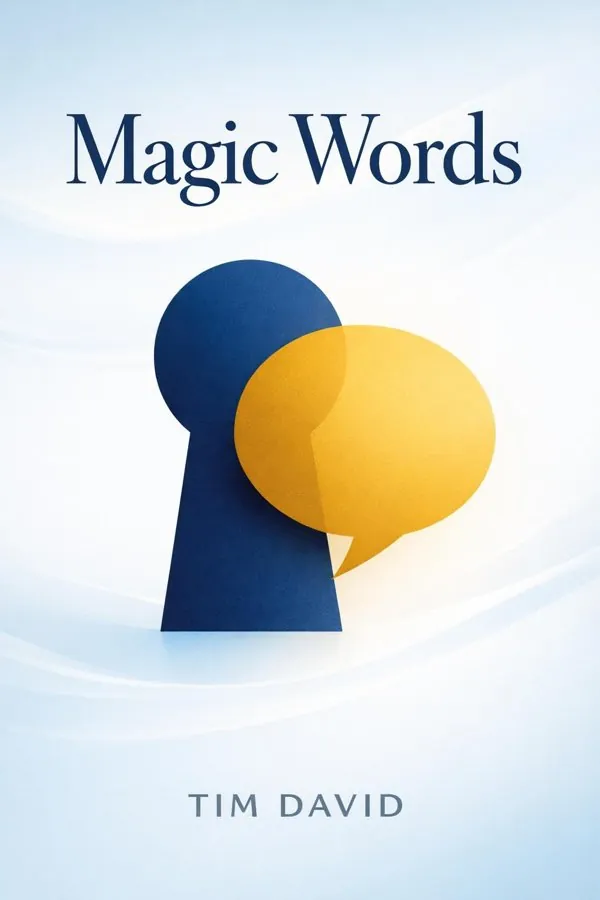
Magic Words: The Science and Secrets Behind Seven Words That Motivate, Engage, and Influence
Tim David
10 min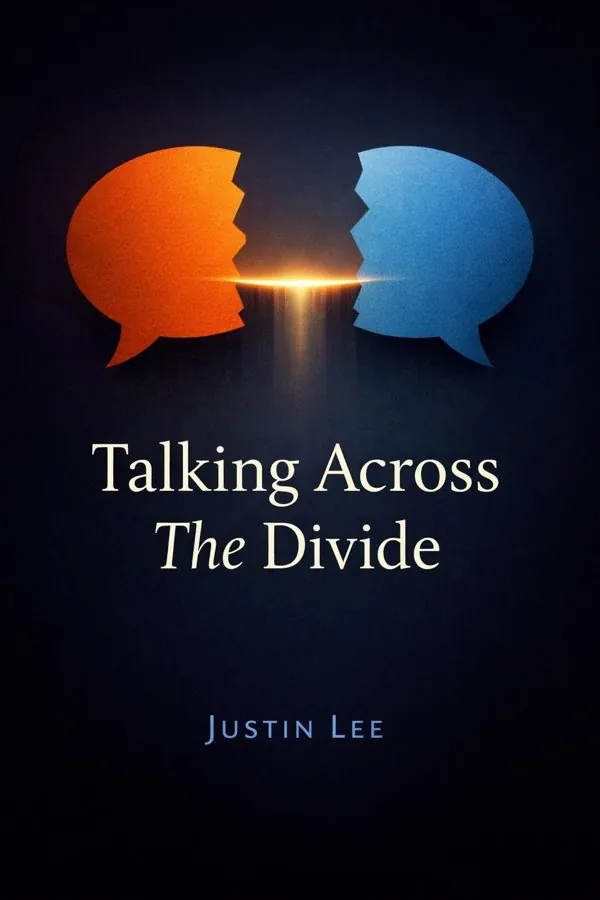
Talking Across The Divide: How to Communicate with People You Disagree with and Maybe Even Change the World
Justin Lee
10 min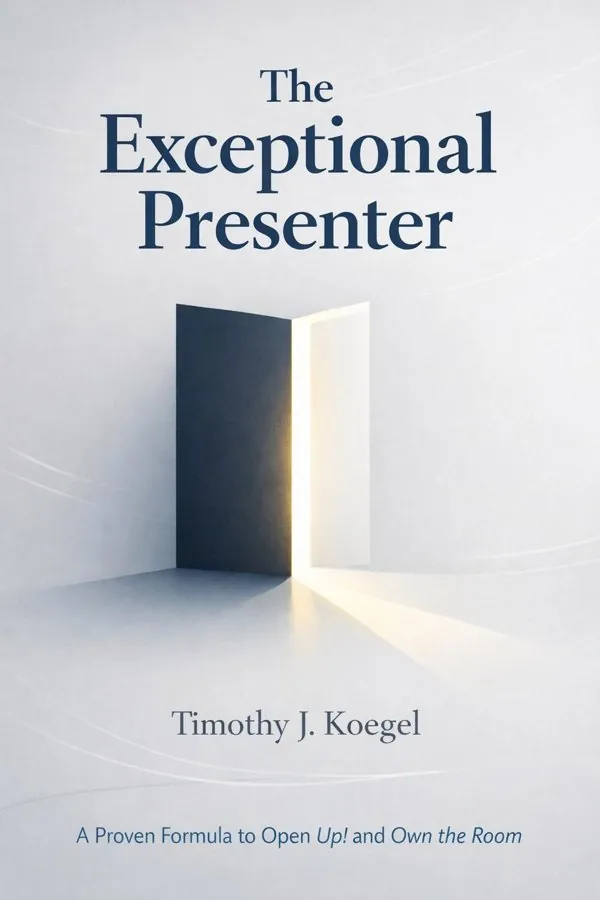
The Exceptional Presenter: A Proven Formula to Open Up! and Own the Room
Timothy J. Koegel
10 min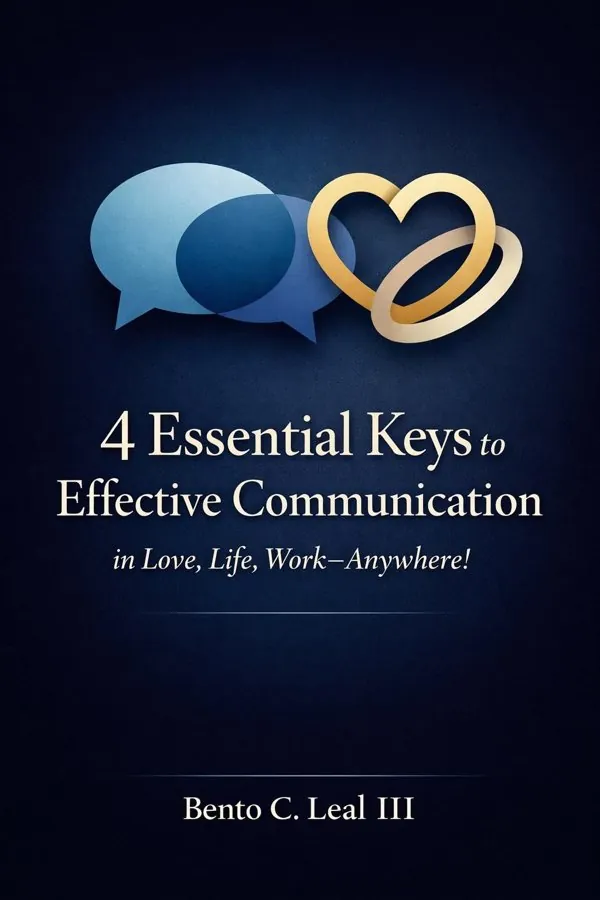
4 Essential Keys to Effective Communication in Love, Life, Work--Anywhere!: Including the 12-Day Communication Challenge!
Bento C. Leal III
10 min
Active Listening Techniques: 30 Practical Tools to Hone Your Communication Skills
Nisha Gupta
10 min
Bargaining for Advantage: Negotiation Strategies for Reasonable People
G. Richard Shell
10 minBrowse by Category
Ready to read The Art of Witty Banter: Be Clever, Quick, & Magnetic?
Get the full summary and 100K+ more books with Fizz Moment.