
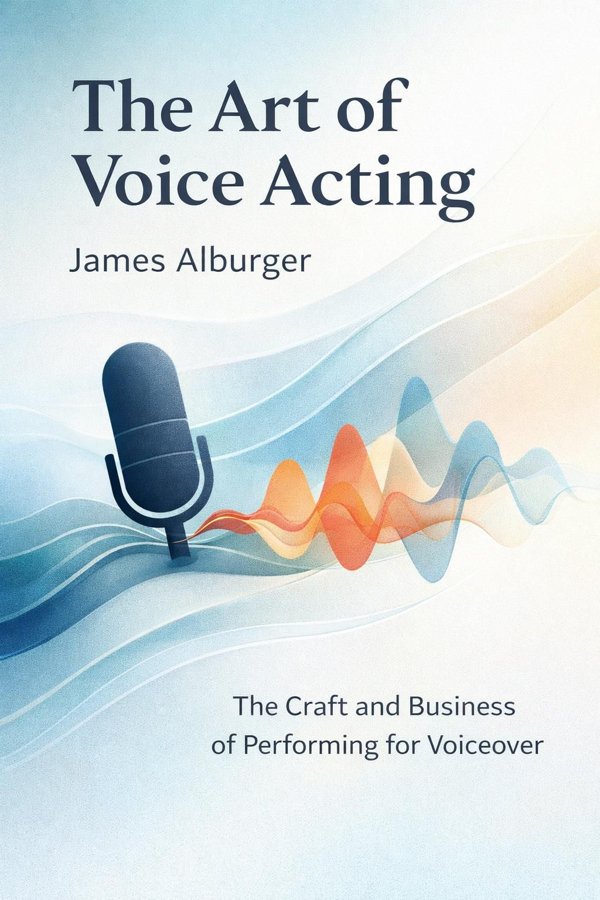
The Art of Voice Acting: The Craft and Business of Performing for Voiceover: Summary & Key Insights
 10 min8 chaptersAudio available
What Is The Art of Voice Acting: The Craft and Business of Performing for Voiceover About?
The Art of Voice Acting: The Craft and Business of Performing for Voiceover by James Alburger is a performing_arts book spanning 8 pages. This comprehensive guide explores the professional techniques, creative processes, and business strategies behind successful voice acting. It covers vocal performance, studio recording, demo production, and marketing for voiceover artists, offering practical advice from industry professionals.
This FizzRead summary covers all 8 key chapters of The Art of Voice Acting: The Craft and Business of Performing for Voiceover in approximately 10 minutes, distilling the most important ideas, arguments, and takeaways from James Alburger's work. Also available as an audio summary and Key Quotes Podcast.
The Art of Voice Acting: The Craft and Business of Performing for Voiceover
This comprehensive guide explores the professional techniques, creative processes, and business strategies behind successful voice acting. It covers vocal performance, studio recording, demo production, and marketing for voiceover artists, offering practical advice from industry professionals.
Who Should Read The Art of Voice Acting: The Craft and Business of Performing for Voiceover?
This book is perfect for anyone interested in performing_arts and looking to gain actionable insights in a short read. Whether you're a student, professional, or lifelong learner, the key ideas from The Art of Voice Acting: The Craft and Business of Performing for Voiceover by James Alburger will help you think differently.
- ✓Readers who enjoy performing_arts and want practical takeaways
- ✓Professionals looking to apply new ideas to their work and life
- ✓Anyone who wants the core insights of The Art of Voice Acting: The Craft and Business of Performing for Voiceover in just 10 minutes
Want the full summary?
Get instant access to this book summary and 100K+ more with Fizz Moment.
Get Free SummaryAvailable on App Store • Free to download
Key Chapters
When I describe the voice as an instrument, I mean it literally. Like any finely tuned instrument, your voice is capable of astonishing range, color, and dynamic expression. To understand it, we start with anatomy: your breath, vocal cords, resonance chambers, and articulators. Each of these plays a role similar to the strings, body, and bow of a violin. The breath is your fuel; resonance gives body and warmth; articulation brings clarity; and emotion gives it life.
I encourage students to explore their own physiology through exercises in breathing and relaxation. Breath is the foundation of all performance. Without control, your delivery will feel forced or shallow. A centered breathing habit allows consistency, stamina, and effortless projection. Then comes the awareness of resonance—how the throat, chest, and nasal cavity each contribute to tonal quality. Understanding these natural resonators gives you the ability to shape sound consciously, manipulating warmth, brightness, intimacy, or authority.
Once you grasp the physicality, expression follows. Every voice carries a unique fingerprint, but learning to modulate tone consciously—adding texture, rhythm, and pacing—turns potential into craft. Through recording yourself and critically listening back, you develop an ear for nuance. You begin hearing the difference between merely reading words and inhabiting them emotionally. That’s the art of musicality in voice: pacing, phrasing, and emotional rhythm that keep the listener engaged.
This process also includes developing awareness of your vocal health. As professionals, we rely on disciplined habits: hydration, rest, and mindful use. A tired or strained voice may still function, but it loses flexibility and expressiveness. Just as a dancer protects their body, a voice actor safeguards their instrument. Through care and training, you build a sustainable foundation for both performance and career longevity.
Many newcomers believe voice acting is about having a good voice. In truth, it’s about having good acting. Every script—whether a commercial tag or a game dialogue—asks for authenticity. The listener must believe you. That belief doesn’t come from vocal tricks; it emerges from living truthfully within the imaginary circumstances the script implies.
The first step is interpretation. You look beyond the words to the intention: why is the character speaking, to whom, and what do they want? The emotional need behind a line determines tone and pacing far more than punctuation ever will. For example, a line written as a cheerful sales pitch must also carry subtle shades of persuasion and connection—it’s not about selling, it’s about reaching another human being.
Character creation is another pillar. I often tell my students, there are no cartoons, only real people in exaggerated situations. Even the most outlandish characters have emotional grounding and logic. Developing a character means exploring their backstory, physicality, and emotional rhythm, then translating all of that through your voice. When done authentically, the audience senses the complete person behind the sound.
Emotional honesty is the center of it all. If you can’t connect with the truth of what you’re saying, the microphone will reveal it instantly. That’s why exercises in imagination, observation, and sensory recall are so important. Acting for voice is invisible acting—the audience never sees your face, so all the intention must vibrate through the voice itself. When your voice aligns with real emotion, you stop performing and start communicating.
+ 6 more chapters — available in the FizzRead app
All Chapters in The Art of Voice Acting: The Craft and Business of Performing for Voiceover
About the Author
James Alburger is an American voice actor, audio producer, and educator with decades of experience in broadcast and voiceover production. He is known for his work in training aspiring voice actors and for his contributions to the development of professional voice performance techniques.
Get This Summary in Your Preferred Format
Read or listen to the The Art of Voice Acting: The Craft and Business of Performing for Voiceover summary by James Alburger anytime, anywhere. FizzRead offers multiple formats so you can learn on your terms — all free.
Available formats: App · Audio · PDF · EPUB — All included free with FizzRead
Download The Art of Voice Acting: The Craft and Business of Performing for Voiceover PDF and EPUB Summary
Key Quotes from The Art of Voice Acting: The Craft and Business of Performing for Voiceover
“When I describe the voice as an instrument, I mean it literally.”
“Many newcomers believe voice acting is about having a good voice.”
Frequently Asked Questions about The Art of Voice Acting: The Craft and Business of Performing for Voiceover
The Art of Voice Acting: The Craft and Business of Performing for Voiceover by James Alburger is a performing_arts book that explores key ideas across 8 chapters. This comprehensive guide explores the professional techniques, creative processes, and business strategies behind successful voice acting. It covers vocal performance, studio recording, demo production, and marketing for voiceover artists, offering practical advice from industry professionals.
You Might Also Like

Harriet Tubman: Live in Concert
Bob the Drag Queen
10 min
The Art of Stagecraft
Robert Edmond Jones
10 min
The Art of Stop-Motion Animation
Ken A. Priebe
10 min
Thunderstorm
Cao Yu
10 min
Acting In Film: An Actor's Take on Movie Making
Michael Caine
10 min
Character Animation Crash Course!
Eric Goldberg
10 minBrowse by Category
Ready to read The Art of Voice Acting: The Craft and Business of Performing for Voiceover?
Get the full summary and 100K+ more books with Fizz Moment.