
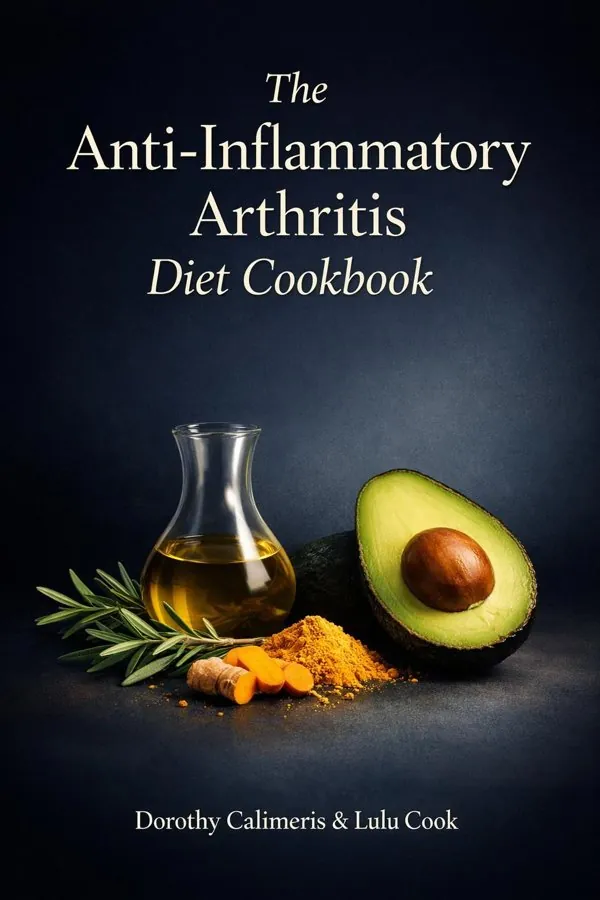
The Anti-Inflammatory Arthritis Diet Cookbook: 100+ Healing Recipes to Relieve Joint Pain, Reduce Inflammation, and Boost Mobility Naturally: Summary & Key Insights
by Dorothy Calimeris, Lulu Cook
 10 min8 chaptersAudio available
Key Takeaways from The Anti-Inflammatory Arthritis Diet Cookbook: 100+ Healing Recipes to Relieve Joint Pain, Reduce Inflammation, and Boost Mobility Naturally
Pain in the joints is often treated as a local problem, but the book invites readers to see a bigger picture: arthritis is deeply tied to the body’s inflammatory processes.
One of the most empowering ideas in the book is that food does not merely provide calories; it sends biological instructions.
Healthy eating becomes far more realistic when your kitchen is designed for success.
Inflammation is influenced not only by what you eat but by how consistently you eat well, and consistency is hard without a plan.
The book’s long-term strength lies in its refusal to treat healing as a temporary cleanse or rigid food challenge.
What Is The Anti-Inflammatory Arthritis Diet Cookbook: 100+ Healing Recipes to Relieve Joint Pain, Reduce Inflammation, and Boost Mobility Naturally About?
The Anti-Inflammatory Arthritis Diet Cookbook: 100+ Healing Recipes to Relieve Joint Pain, Reduce Inflammation, and Boost Mobility Naturally by Dorothy Calimeris, Lulu Cook is a nutrition book spanning 5 pages. The Anti-Inflammatory Arthritis Diet Cookbook is more than a recipe collection: it is a practical nutrition guide for people who want to ease joint pain, reduce chronic inflammation, and support mobility through daily food choices. Dorothy Calimeris and Lulu Cook argue that while diet cannot magically cure arthritis, it can meaningfully influence how the body feels, functions, and heals. Their approach centers on whole, minimally processed foods, strategic meal planning, and ingredients known to support a healthier inflammatory response, from omega-3-rich fish and colorful vegetables to legumes, herbs, spices, and healthy fats. What makes this book especially useful is its balance of science and usability. It explains the relationship between inflammation, immunity, and joint discomfort in accessible terms, then translates that knowledge into breakfasts, soups, mains, sides, snacks, and pantry habits readers can actually sustain. Calimeris brings culinary skill and healthy cooking expertise, while Cook contributes dietetic insight and evidence-based nutritional guidance. Together, they offer a hopeful, grounded message: for people living with arthritis, the kitchen can become a place of relief, resilience, and long-term self-care.
This FizzRead summary covers all 8 key chapters of The Anti-Inflammatory Arthritis Diet Cookbook: 100+ Healing Recipes to Relieve Joint Pain, Reduce Inflammation, and Boost Mobility Naturally in approximately 10 minutes, distilling the most important ideas, arguments, and takeaways from Dorothy Calimeris, Lulu Cook's work. Also available as an audio summary and Key Quotes Podcast.
The Anti-Inflammatory Arthritis Diet Cookbook: 100+ Healing Recipes to Relieve Joint Pain, Reduce Inflammation, and Boost Mobility Naturally
The Anti-Inflammatory Arthritis Diet Cookbook is more than a recipe collection: it is a practical nutrition guide for people who want to ease joint pain, reduce chronic inflammation, and support mobility through daily food choices. Dorothy Calimeris and Lulu Cook argue that while diet cannot magically cure arthritis, it can meaningfully influence how the body feels, functions, and heals. Their approach centers on whole, minimally processed foods, strategic meal planning, and ingredients known to support a healthier inflammatory response, from omega-3-rich fish and colorful vegetables to legumes, herbs, spices, and healthy fats.
What makes this book especially useful is its balance of science and usability. It explains the relationship between inflammation, immunity, and joint discomfort in accessible terms, then translates that knowledge into breakfasts, soups, mains, sides, snacks, and pantry habits readers can actually sustain. Calimeris brings culinary skill and healthy cooking expertise, while Cook contributes dietetic insight and evidence-based nutritional guidance. Together, they offer a hopeful, grounded message: for people living with arthritis, the kitchen can become a place of relief, resilience, and long-term self-care.
Who Should Read The Anti-Inflammatory Arthritis Diet Cookbook: 100+ Healing Recipes to Relieve Joint Pain, Reduce Inflammation, and Boost Mobility Naturally?
This book is perfect for anyone interested in nutrition and looking to gain actionable insights in a short read. Whether you're a student, professional, or lifelong learner, the key ideas from The Anti-Inflammatory Arthritis Diet Cookbook: 100+ Healing Recipes to Relieve Joint Pain, Reduce Inflammation, and Boost Mobility Naturally by Dorothy Calimeris, Lulu Cook will help you think differently.
- ✓Readers who enjoy nutrition and want practical takeaways
- ✓Professionals looking to apply new ideas to their work and life
- ✓Anyone who wants the core insights of The Anti-Inflammatory Arthritis Diet Cookbook: 100+ Healing Recipes to Relieve Joint Pain, Reduce Inflammation, and Boost Mobility Naturally in just 10 minutes
Want the full summary?
Get instant access to this book summary and 100K+ more with Fizz Moment.
Get Free SummaryAvailable on App Store • Free to download
Key Chapters
One of the most empowering ideas in the book is that food does not merely provide calories; it sends biological instructions. Every meal can either support a more balanced inflammatory response or contribute to the conditions that worsen pain, fatigue, and stiffness. The authors ground their recommendations in growing research around anti-inflammatory eating patterns, especially Mediterranean-style diets that emphasize vegetables, fruits, legumes, whole grains, nuts, seeds, fish, and olive oil.
The science-based logic is clear. Foods rich in antioxidants help combat oxidative stress, which is closely linked to inflammation and tissue damage. Omega-3 fats from salmon, sardines, walnuts, and flax can help counter pro-inflammatory pathways. Fiber-rich foods support gut health, and a healthier gut may improve immune regulation. At the same time, diets heavy in refined carbohydrates, processed meats, trans fats, and excess sugar may intensify inflammation and worsen metabolic stress.
The authors are careful not to oversell. They do not promise an overnight transformation or a one-size-fits-all cure. Instead, they show how consistent dietary patterns shape long-term outcomes. Someone with arthritis may not feel radically different after one anti-inflammatory lunch, but after weeks of replacing fast food, sugary snacks, and packaged meals with soups, roasted vegetables, whole grains, and healthy proteins, they may notice less bloating, steadier energy, and easier movement in the morning.
This perspective turns nutrition from a restrictive rulebook into a practical pain-management tool. Even small upgrades matter: swapping butter for olive oil, choosing berries over pastries, or adding lentils to dinner instead of relying on processed convenience foods.
Actionable takeaway: choose one anti-inflammatory substitution to repeat daily this week, such as replacing a sugary breakfast with oatmeal topped with berries, walnuts, and cinnamon.
Healthy eating becomes far more realistic when your kitchen is designed for success. The book emphasizes that symptom-friendly cooking does not begin with willpower; it begins with environment. If your pantry is full of processed snacks, sugary cereals, and refined convenience foods, those options will likely shape your habits when pain, fatigue, or limited mobility make cooking harder. But if your shelves and refrigerator are stocked with anti-inflammatory essentials, better choices become easier, faster, and more automatic.
The authors encourage readers to think of the kitchen as a therapeutic workspace. Staples such as extra-virgin olive oil, canned beans, low-sodium broth, whole grains, nuts, seeds, garlic, onions, and anti-inflammatory spices can form the base of dozens of meals. Frozen vegetables and berries are highlighted as practical allies because they reduce prep time while preserving nutritional value. For many people with arthritis, chopping and standing for long periods can be physically taxing, so convenience matters. Pre-washed greens, pre-cut vegetables, rotisserie chicken, and canned wild salmon can make healthy eating sustainable rather than idealistic.
The book also shows how organization reduces decision fatigue. Group healthy ingredients where they are visible. Keep frequently used spices by the stove. Store portioned nuts or cut vegetables at eye level. Freeze soups and stews in single servings for bad pain days. If your hands are sensitive, choose tools like easy-grip peelers, jar openers, lightweight cookware, or a food processor.
What looks like meal prep is really self-protection. A healing kitchen is not fancy; it is functional, flexible, and aligned with your physical needs. It supports the days when motivation is high and rescues the days when pain makes effort harder.
Actionable takeaway: create a one-shelf anti-inflammatory starter zone in your pantry or fridge this week with at least five go-to ingredients you can combine into simple meals.
Inflammation is influenced not only by what you eat but by how consistently you eat well, and consistency is hard without a plan. The authors make a compelling case that meal planning is one of the most underrated health tools for people with arthritis. It reduces impulsive eating, lowers reliance on processed convenience foods, saves energy, and helps ensure that nourishing meals are available even on difficult days.
Their approach is practical rather than perfectionistic. Meal planning does not require an elaborate spreadsheet or gourmet ambition. It can be as simple as deciding on three breakfasts, two lunches, and four dinners for the week, then shopping intentionally. This framework reduces the daily burden of decision-making, which can feel especially overwhelming when pain and fatigue are already draining your attention. It also helps with batch cooking, which the book repeatedly presents as a smart strategy. A pot of soup, a tray of roasted vegetables, cooked quinoa, and a protein source can be mixed and matched across several meals.
The cookbook format makes this easier by offering recipes for multiple situations: quick breakfasts, portable lunches, satisfying dinners, snacks, and dishes suitable for family meals or guests. A reader might prepare overnight oats for mornings, lentil soup for lunch, salmon with greens for dinner, and hummus with sliced vegetables for snacks. This is not only healthier than reactive eating; it is less exhausting.
Planning also allows people to anticipate symptom fluctuations. On lower-pain days, they can cook extra portions or prep ingredients. On flare days, they can rely on stored meals instead of skipping food or reaching for inflammatory takeout.
Actionable takeaway: choose one day this week to prep just three items in advance, such as a grain, a protein, and a vegetable, so weekday meals require minimal effort.
The book’s long-term strength lies in its refusal to treat healing as a temporary cleanse or rigid food challenge. Chronic conditions require sustainable routines, not bursts of nutritional perfection followed by burnout. The authors repeatedly reinforce that anti-inflammatory eating is most effective when it becomes a realistic way of life, adapted to individual tastes, schedules, budgets, and physical abilities.
This is an important corrective to all-or-nothing thinking. Many people approach health changes by attempting a dramatic overhaul: removing entire food groups overnight, buying expensive specialty products, or trying complicated recipes they cannot maintain. When pain, stress, work demands, or family life interfere, they abandon the effort and conclude that they have failed. Calimeris and Cook offer a calmer model. Improvement comes through steady patterns: more vegetables, more fiber, better fats, less added sugar, fewer ultra-processed foods, and repeated use of flavorful whole ingredients.
They also recognize that food is social and emotional. Sustainability means preserving enjoyment. Recipes are designed to be satisfying, colorful, and flavorful rather than medicinal. Herbs, citrus, garlic, ginger, and spices help make anti-inflammatory food something to look forward to. The goal is not punishment; it is relief and nourishment.
Lifestyle integration extends beyond the plate. Better sleep, movement, hydration, stress management, and appropriate medical care all influence inflammation too. Diet works best when it is part of this broader ecosystem. If a person eats well but sleeps poorly, remains highly stressed, and never moves, progress may be limited.
Actionable takeaway: identify one anti-inflammatory habit you can commit to for the next month without resentment, such as cooking two home meals per week or adding vegetables to lunch every day, and treat consistency as the real win.
In nutrition culture, people are often distracted by fads, miracle foods, and rigid labels. This book cuts through that noise by focusing on ingredient quality and dietary patterns rather than trendy promises. What matters most is not whether a diet is branded, but whether your meals are consistently built from ingredients that support a calmer inflammatory response.
The authors highlight several recurring all-stars: leafy greens, cruciferous vegetables, berries, cherries, tomatoes, legumes, whole grains, nuts, seeds, olive oil, and fatty fish. These foods are rich in compounds linked to reduced inflammation, such as polyphenols, fiber, vitamins, minerals, and omega-3 fats. Spices like turmeric and ginger are also emphasized, not as magical cures, but as meaningful contributors within an overall pattern.
Just as important is what gets reduced. Highly processed foods often contain excess sodium, sugar, refined starches, and fats that do little for healing. That does not mean every indulgence is forbidden. Instead, the book encourages proportion and awareness. A person does not need to obsess over a single dessert if the foundation of their eating pattern is strong. But if most meals come from packaged, fried, or fast-food sources, symptom management becomes harder.
This principle helps readers avoid expensive mistakes. You do not need exotic powders or costly supplements to begin. A bowl of steel-cut oats with walnuts and blueberries, a chickpea salad dressed with olive oil and lemon, or a baked salmon dinner with roasted vegetables all reflect the book’s philosophy more clearly than any trend-driven product.
Actionable takeaway: during your next grocery trip, aim to buy five anti-inflammatory whole foods you already enjoy and build meals around them instead of searching for unfamiliar health fads.
A diet only works if people actually want to eat it. One of the cookbook’s most practical insights is that flavor is not a luxury in therapeutic eating; it is what makes change sustainable. Too many health plans fail because they frame relief as blandness. Calimeris and Cook reject that trade-off. They show that anti-inflammatory cooking can be vibrant, comforting, and deeply enjoyable, which increases the odds that readers will stick with it long enough to feel real benefits.
This focus on flavor serves several functions. First, it replaces the sense of loss that often accompanies dietary change. When meals are built with herbs, spices, citrus, garlic, onions, and naturally rich ingredients like roasted vegetables or olive oil, readers are less likely to feel deprived. Second, strong flavor helps reduce dependence on processed foods, which are often engineered to be intensely appealing through sugar, salt, and unhealthy fats. Homemade meals must compete with that sensory pull, and thoughtful seasoning makes them satisfying.
The cookbook also understands that comfort matters for people dealing with chronic pain. Warm soups, hearty grain bowls, nourishing breakfasts, and well-seasoned proteins can make healthy eating feel emotionally supportive, not merely medically advisable. A lentil stew with warming spices, yogurt with berries and nuts, or a salmon dish brightened with lemon and dill can offer pleasure as well as nutrition.
By treating flavor as part of wellness, the authors help readers build a positive relationship with healing food. That mindset is crucial. If anti-inflammatory eating feels punishing, it will not last. If it feels delicious, it becomes part of everyday life.
Actionable takeaway: choose one flavor-building tool to use more often this week, such as fresh herbs, lemon juice, garlic, ginger, or a spice blend, and use it to make a healthy meal more craveable.
Perhaps the book’s most hopeful message is that relief is often built through repetition, not dramatic intervention. People living with arthritis can feel trapped by the scale of their condition, as if only a major breakthrough could change anything. The authors counter that mindset by showing how ordinary habits compound. The body responds to what it experiences day after day, and small anti-inflammatory choices can accumulate into measurable improvements in comfort, energy, and mobility.
This cumulative logic is both realistic and motivating. Drinking more water, eating vegetables at two meals, choosing fish once or twice a week, swapping refined snacks for nuts and fruit, and preparing one homemade soup can sound modest in isolation. But done regularly, these habits can shift nutrient intake, blood sugar stability, digestive health, and inflammatory load. Just as chronic illness develops through ongoing biological patterns, support and healing also happen through patterns.
The book helps readers lower the threshold for success. You do not need a perfect pantry, ideal schedule, or total dietary overhaul to begin. You need repeatable actions. A person with limited mobility might start with frozen vegetables and simple sheet-pan meals. Someone with low morning appetite might begin with a smoothie that includes berries, greens, and flax. Someone caring for a family might make anti-inflammatory dinners that everyone can share rather than preparing separate meals.
This emphasis protects readers from discouragement. Improvement may be uneven, and arthritis symptoms may still flare. But progress is not erased by a difficult day. The goal is direction, not flawless execution.
Actionable takeaway: pick three tiny habits you can repeat this week, such as adding one fruit daily, cooking once at home, and replacing one processed snack with a whole-food option, then track them visibly.
All Chapters in The Anti-Inflammatory Arthritis Diet Cookbook: 100+ Healing Recipes to Relieve Joint Pain, Reduce Inflammation, and Boost Mobility Naturally
About the Authors
Dorothy Calimeris is a chef, recipe developer, and nutrition educator known for creating approachable, health-focused meals for people managing chronic conditions. Her work emphasizes practical cooking techniques, accessible ingredients, and flavorful recipes that make therapeutic eating sustainable. Lulu Cook is a registered dietitian and health coach with expertise in anti-inflammatory and plant-forward nutrition. She specializes in translating nutrition science into realistic daily habits that support long-term wellness. Together, Calimeris and Cook combine culinary creativity with evidence-based dietary guidance, making their collaboration especially effective for readers who need both inspiration and structure. In The Anti-Inflammatory Arthritis Diet Cookbook, they offer a compassionate, user-friendly approach to using food as one part of a broader strategy for easing pain, improving mobility, and supporting overall health.
Get This Summary in Your Preferred Format
Read or listen to the The Anti-Inflammatory Arthritis Diet Cookbook: 100+ Healing Recipes to Relieve Joint Pain, Reduce Inflammation, and Boost Mobility Naturally summary by Dorothy Calimeris, Lulu Cook anytime, anywhere. FizzRead offers multiple formats so you can learn on your terms — all free.
Available formats: App · Audio · PDF · EPUB — All included free with FizzRead
Download The Anti-Inflammatory Arthritis Diet Cookbook: 100+ Healing Recipes to Relieve Joint Pain, Reduce Inflammation, and Boost Mobility Naturally PDF and EPUB Summary
Key Quotes from The Anti-Inflammatory Arthritis Diet Cookbook: 100+ Healing Recipes to Relieve Joint Pain, Reduce Inflammation, and Boost Mobility Naturally
“Pain in the joints is often treated as a local problem, but the book invites readers to see a bigger picture: arthritis is deeply tied to the body’s inflammatory processes.”
“One of the most empowering ideas in the book is that food does not merely provide calories; it sends biological instructions.”
“Healthy eating becomes far more realistic when your kitchen is designed for success.”
“Inflammation is influenced not only by what you eat but by how consistently you eat well, and consistency is hard without a plan.”
“The book’s long-term strength lies in its refusal to treat healing as a temporary cleanse or rigid food challenge.”
Frequently Asked Questions about The Anti-Inflammatory Arthritis Diet Cookbook: 100+ Healing Recipes to Relieve Joint Pain, Reduce Inflammation, and Boost Mobility Naturally
The Anti-Inflammatory Arthritis Diet Cookbook: 100+ Healing Recipes to Relieve Joint Pain, Reduce Inflammation, and Boost Mobility Naturally by Dorothy Calimeris, Lulu Cook is a nutrition book that explores key ideas across 8 chapters. The Anti-Inflammatory Arthritis Diet Cookbook is more than a recipe collection: it is a practical nutrition guide for people who want to ease joint pain, reduce chronic inflammation, and support mobility through daily food choices. Dorothy Calimeris and Lulu Cook argue that while diet cannot magically cure arthritis, it can meaningfully influence how the body feels, functions, and heals. Their approach centers on whole, minimally processed foods, strategic meal planning, and ingredients known to support a healthier inflammatory response, from omega-3-rich fish and colorful vegetables to legumes, herbs, spices, and healthy fats. What makes this book especially useful is its balance of science and usability. It explains the relationship between inflammation, immunity, and joint discomfort in accessible terms, then translates that knowledge into breakfasts, soups, mains, sides, snacks, and pantry habits readers can actually sustain. Calimeris brings culinary skill and healthy cooking expertise, while Cook contributes dietetic insight and evidence-based nutritional guidance. Together, they offer a hopeful, grounded message: for people living with arthritis, the kitchen can become a place of relief, resilience, and long-term self-care.
You Might Also Like
Eating by the Seasons Cookbook: Seasonal Produce-Focused Recipes
Clare Foster
10 min
From Crook to Cook: Platinum Recipes from Tha Boss Dogg's Kitchen
Snoop Dogg with Ryan Ford
10 min
Juicing for Beginners: The Essential Guide to Juicing Recipes and Juicing for Weight Loss
Rockridge Press
10 min
The Food Therapist: Break Bad Habits, Eat with Intention, and Indulge Without Worry
Shira Lenchewski
10 min
The Mediterranean Diet Meal Plan: A 4-Week Meal Plan for Optimal Health and Weight Loss
Various Contributors
10 min
The Well Plated Cookbook: Simple, Wholesome Recipes for Everyday Meals
Erin Clarke
10 minBrowse by Category
Ready to read The Anti-Inflammatory Arthritis Diet Cookbook: 100+ Healing Recipes to Relieve Joint Pain, Reduce Inflammation, and Boost Mobility Naturally?
Get the full summary and 100K+ more books with Fizz Moment.