
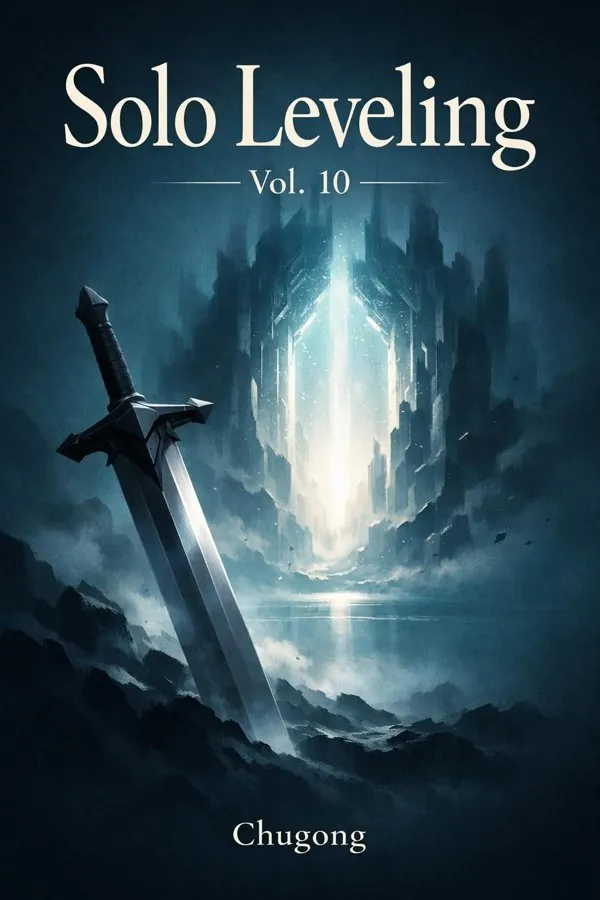
Solo Leveling, Vol. 10: Summary & Key Insights
by Chugong
 10 min8 chaptersAudio available
Key Takeaways from Solo Leveling, Vol. 10
True power is unsettling because it changes not only what a person can do, but also what that person must become.
Civilizations rarely fall all at once; they unravel through signs people hope are temporary.
Tools feel harmless until you discover they were designed to shape you.
Conflicts become more dangerous when the visible battle is only the surface of a much older struggle.
One of the most fascinating forms of power is the ability to transform loss into strength.
What Is Solo Leveling, Vol. 10 About?
Solo Leveling, Vol. 10 by Chugong is a scifi_fantasy book spanning 8 pages. Power becomes most interesting when it stops being a personal advantage and starts becoming a burden no one else can carry. Solo Leveling, Vol. 10 marks that turning point in Chugong’s blockbuster fantasy saga. What began as the underdog story of Sung Jinwoo, the weakest hunter in a monster-ridden world, now expands into a war-scale narrative about cosmic forces, collapsing defenses, and the true purpose behind dungeons, gates, and the mysterious System that remade him. In this volume, Jinwoo is no longer simply leveling up. He is confronting destiny, uncovering ancient truths, and preparing for enemies whose power threatens all of humanity. That shift gives the story greater emotional weight, larger stakes, and sharper questions about sacrifice, leadership, and what strength is really for. Chugong’s authority comes from the sheer confidence of his worldbuilding: he fuses game mechanics, apocalyptic fantasy, and character-driven tension into a narrative that feels both immediate and mythic. Volume 10 matters because it transforms Solo Leveling from an addictive progression fantasy into a sweeping confrontation over the future of the world itself.
This FizzRead summary covers all 8 key chapters of Solo Leveling, Vol. 10 in approximately 10 minutes, distilling the most important ideas, arguments, and takeaways from Chugong's work. Also available as an audio summary and Key Quotes Podcast.
Solo Leveling, Vol. 10
Power becomes most interesting when it stops being a personal advantage and starts becoming a burden no one else can carry. Solo Leveling, Vol. 10 marks that turning point in Chugong’s blockbuster fantasy saga. What began as the underdog story of Sung Jinwoo, the weakest hunter in a monster-ridden world, now expands into a war-scale narrative about cosmic forces, collapsing defenses, and the true purpose behind dungeons, gates, and the mysterious System that remade him. In this volume, Jinwoo is no longer simply leveling up. He is confronting destiny, uncovering ancient truths, and preparing for enemies whose power threatens all of humanity. That shift gives the story greater emotional weight, larger stakes, and sharper questions about sacrifice, leadership, and what strength is really for. Chugong’s authority comes from the sheer confidence of his worldbuilding: he fuses game mechanics, apocalyptic fantasy, and character-driven tension into a narrative that feels both immediate and mythic. Volume 10 matters because it transforms Solo Leveling from an addictive progression fantasy into a sweeping confrontation over the future of the world itself.
Who Should Read Solo Leveling, Vol. 10?
This book is perfect for anyone interested in scifi_fantasy and looking to gain actionable insights in a short read. Whether you're a student, professional, or lifelong learner, the key ideas from Solo Leveling, Vol. 10 by Chugong will help you think differently.
- ✓Readers who enjoy scifi_fantasy and want practical takeaways
- ✓Professionals looking to apply new ideas to their work and life
- ✓Anyone who wants the core insights of Solo Leveling, Vol. 10 in just 10 minutes
Want the full summary?
Get instant access to this book summary and 100K+ more with Fizz Moment.
Get Free SummaryAvailable on App Store • Free to download
Key Chapters
True power is unsettling because it changes not only what a person can do, but also what that person must become. In Solo Leveling, Vol. 10, Sung Jinwoo’s identity as the Shadow Monarch is no longer a mysterious title or an unexplained source of strength. It becomes the central reality shaping his choices, his role in the world, and the fear he inspires in allies and enemies alike. The dominion over shadows, the ability to extract and command the dead, and the immense scale of his authority now point to something larger than individual advancement. Jinwoo is not simply a hunter with unusual skills. He is inheriting a legacy tied to cosmic conflict.
This idea matters because the volume reframes earlier victories. What once looked like a clever leveling system now appears as preparation. Jinwoo’s growth was never random. It was part of a design, and that realization gives every battle a deeper consequence. His powers are thrilling, but they also isolate him. The stronger he becomes, the farther he moves from ordinary human experience, and the harder it becomes for others to stand beside him as equals.
In practical terms, this arc mirrors moments when personal success turns into responsibility. A talented employee becomes a leader. A specialist becomes the one everyone depends on during crisis. With increased capability comes moral pressure: how will that power be used, and at what personal cost?
Actionable takeaway: Notice when growth in your own life is changing your role, not just your results, and prepare to lead with intention rather than merely enjoying the upgrade.
Civilizations rarely fall all at once; they unravel through signs people hope are temporary. One of the strongest tensions in Solo Leveling, Vol. 10 is the sense that the world itself is losing stability. Dungeon breaks intensify, gates become more dangerous, and the systems humanity built to contain the monster threat start to look fragile. This creates a broader atmosphere of dread: even powerful hunters can no longer assume that tomorrow will resemble yesterday.
The genius of this volume is that global crisis is not treated as background decoration. It affects everyone differently. Governments become more anxious. Hunters face impossible pressure. Ordinary civilians live under the shadow of disaster. Jinwoo’s personal rise therefore occurs against a collective decline, making his strength feel both necessary and insufficient. One man can turn battles, but can one man preserve a world that is structurally breaking apart?
This idea resonates beyond fantasy. In real life, institutions often appear strong until repeated stress exposes hidden weakness. Whether in business, public health, family systems, or community leadership, warning signs matter. Small failures, if ignored, become systemic failures. Solo Leveling highlights the importance of adaptation: old methods do not work forever when the threat itself evolves.
A practical example is any organization facing rapid change. The teams that survive are not the ones that assume yesterday’s procedures are enough. They are the ones that improve communication, update strategy, and prepare for scenarios that once seemed unlikely.
Actionable takeaway: Pay attention to recurring signs of instability in your environment and strengthen your systems before crisis forces you to react.
Tools feel harmless until you discover they were designed to shape you. A major intellectual and emotional payoff in Solo Leveling, Vol. 10 comes from the deeper understanding of the System’s true origin. For much of the series, the System seemed like a game-like mechanism that rewarded effort, offered quests, and transformed Jinwoo from weak to overwhelmingly strong. In this volume, that apparent neutrality dissolves. The System is revealed to have intention, history, and purpose. It did not simply help Jinwoo; it was guiding him toward a predetermined role.
This revelation changes the meaning of progression. Leveling up was not merely self-improvement. It was conditioning, selection, and preparation. That makes the story richer because it introduces a central tension between agency and design. Was Jinwoo choosing his path, or was he being shaped to fulfill an ancient function? The answer is nuanced: he was influenced, but his humanity still matters because how he uses inherited power remains his own choice.
This theme has strong real-world parallels. Systems influence us constantly: educational structures, workplace incentives, social media algorithms, family expectations. They reward certain behaviors and quietly guide identity formation. The important question is not whether systems shape us, but whether we remain conscious enough to choose our values within them.
A practical application is evaluating the environments that reward your effort. If your workplace praises constant urgency, you may become productive but burned out. If your community rewards growth with integrity, your development becomes healthier and more sustainable.
Actionable takeaway: Examine the systems shaping your habits and ask not just whether they help you succeed, but what they are turning you into.
Conflicts become more dangerous when the visible battle is only the surface of a much older struggle. In this volume, the revelation of the Monarchs and the Rulers expands Solo Leveling from a high-stakes hunter story into an epic war between primordial forces. The Monarchs represent destruction, conquest, and annihilation, while the Rulers stand in opposition as protectors, though not always with clean hands or simple motives. Humanity is caught in the middle of a conflict it barely understands.
This larger mythology matters because it reframes the monster invasions, the gates, and Jinwoo’s transformation as elements of a much older design. The world is not suffering random supernatural disasters. It is a battlefield prepared by beings whose scale dwarfs human institutions. Yet Chugong avoids making humanity irrelevant. Instead, he shows how human courage, loyalty, and resilience still matter precisely because they exist within overwhelming odds.
In practical terms, this idea speaks to the importance of understanding root causes instead of treating symptoms. In any major problem, whether personal or organizational, surface events often conceal deeper structures. A failing project may reflect unclear leadership. Constant family conflict may stem from unspoken fear. Repeated crises in society may trace back to incentives, power struggles, or neglected values.
By revealing the true players behind the chaos, the story teaches strategic thinking. Once you understand who benefits, what they want, and how the conflict is structured, your response becomes smarter.
Actionable takeaway: When facing a recurring problem, look beyond immediate events and identify the larger forces, incentives, or histories driving the conflict.
One of the most fascinating forms of power is the ability to transform loss into strength. Jinwoo’s shadow army has always been one of Solo Leveling’s most iconic elements, but in Vol. 10, the significance of that army deepens. His soldiers are not generic summons. They are remnants of battles won, proof that every defeated enemy can become part of a greater purpose. As Jinwoo’s army grows in scale and variety, it becomes a symbol of accumulation, adaptation, and command.
What makes this concept compelling is that the army reflects both efficiency and isolation. Jinwoo can respond instantly, project power across overwhelming situations, and command forces that do not tire or question him. Yet this also underscores how separated he has become from ordinary forms of teamwork. His power reduces dependence on others, but that independence carries emotional distance.
There is a practical leadership lesson here. Strong leaders often build systems from past experience. Every mistake, setback, and challenge can become an asset if processed well. A failed launch becomes a checklist for future execution. A difficult negotiation becomes emotional intelligence. A crisis survived becomes institutional memory.
However, the story also suggests that scalable power is not the same as healthy connection. Systems and tools can multiply your effectiveness, but they should not replace trust, collaboration, or shared humanity.
A useful example is building a personal workflow. You can turn repeated frustrations into templates, automations, and routines that save energy. But you still need reflection and relationships, not just efficiency.
Actionable takeaway: Convert past defeats into reusable strength, but do not let systems of control replace meaningful human connection.
Strength without attachment easily becomes monstrous. For all its battles and revelations, Solo Leveling, Vol. 10 never loses sight of the emotional core that keeps Jinwoo human: his relationships. His concern for family, his uneasy connection to fellow hunters, and his awareness of what ordinary people stand to lose all give moral direction to his immense power. Without these bonds, his rise could become a cold domination fantasy. Instead, it remains anchored in protection.
This is one of the series’ most important achievements. As Jinwoo grows beyond human limits, Chugong repeatedly reminds readers that the heart of heroism is not superiority but responsibility. The people around Jinwoo serve as mirrors that reflect what is at stake. They also create tension because no amount of power can eliminate emotional vulnerability. Protecting strangers is difficult; protecting loved ones is terrifying.
This idea is highly transferable. Ambition often pulls people toward detachment. Careers, recognition, and mastery can become so consuming that relationships feel secondary. Yet those relationships are often what prevent success from becoming hollow. They provide perspective, accountability, and meaning.
A practical example is high-pressure work. Someone may justify neglecting family or friendships in the name of achievement, only to discover that success without connection feels empty. Bonds are not distractions from purpose. They are what define purpose.
The volume also suggests that support is reciprocal. Even powerful people need reminders of why they fight, what they value, and who they want to remain.
Actionable takeaway: As your responsibilities grow, actively protect the relationships that give your efforts meaning and keep your identity grounded.
Stories become unforgettable when they force every character to confront what cannot be postponed. In Solo Leveling, Vol. 10, the Monarchs’ advance and the looming large-scale clashes create exactly that feeling. The threat is no longer abstract, distant, or safely contained within isolated raids. Invasion means urgency. It means choices must be made before complete understanding is possible. It means the cost of hesitation becomes catastrophic.
This escalation works because it turns worldbuilding into pressure. All the lore about ancient powers, hidden identities, and supernatural systems now has practical consequences on the battlefield. Jinwoo’s abilities are tested not in controlled progress but in existential war. The question shifts from “How strong can he become?” to “Can even this much strength be enough?” That shift gives the volume emotional gravity and sharpens every confrontation.
In real life, many people delay hard decisions because the problem has not yet become immediate. But eventually some situations remove the luxury of waiting: a failing business, a health scare, a broken relationship, a geopolitical emergency. Preparation matters most before the invasion arrives, but courage matters most once it does.
The practical lesson is to build capacity before crisis and clarity during it. You may not control when the decisive moment comes, but you can influence how prepared you are to meet it.
Even on a smaller scale, this principle applies. If you know conflict is growing in a team, address it before it becomes destructive. If finances are tightening, create a plan before panic sets in.
Actionable takeaway: Do not mistake temporary calm for safety; prepare early, and when the decisive moment arrives, act with clarity instead of denial.
A prophecy only becomes meaningful when someone decides what to do with it. One of the deepest themes in Solo Leveling, Vol. 10 is the relationship between destiny and agency. Jinwoo learns more about the role prepared for him, the powers he carries, and the ancient conflict into which he has been drawn. Yet the story resists the lazy idea that fate erases choice. Instead, it argues that destiny creates a frame, but character determines the response.
This distinction is crucial. Jinwoo may be chosen, shaped, and empowered by forces older than humanity, but he is not reduced to a puppet. His decisions still matter: who he protects, what risks he accepts, how he interprets strength, and whether he remains emotionally human in the face of overwhelming power. The grandeur of the narrative rests on this tension. Cosmic design gives scale, but personal choice gives meaning.
This theme applies strongly to real life. Many people inherit circumstances they did not choose: family expectations, social background, talent, trauma, opportunity, or limitation. These factors are real and powerful, but they are not the whole story. What matters just as much is the stance a person takes toward what they inherit.
A practical example is someone born into a profession-oriented family. That context influences identity, but the person still chooses whether to continue the pattern, redefine it, or reject it entirely. Freedom does not always mean escaping structure; often it means choosing with awareness inside it.
Solo Leveling’s message is not that fate is fake, but that integrity requires authorship even within constraints.
Actionable takeaway: Identify the forces shaping your path, then consciously decide which part of that path you will own rather than passively accepting every expectation.
All Chapters in Solo Leveling, Vol. 10
About the Author
Chugong is a South Korean novelist best known as the creator of Solo Leveling, the hugely influential fantasy series that began as a web novel and later became an international phenomenon through its webtoon and print adaptations. His storytelling is recognized for blending game-inspired progression, dark fantasy, and apocalyptic stakes into a fast-paced narrative style that is easy to binge yet rich in payoff. A major part of Chugong’s appeal lies in his ability to scale a story from personal survival to world-shaping conflict without losing momentum. Through Solo Leveling, he helped introduce a wider global audience to Korean web fiction and established a benchmark for modern progression fantasy centered on escalating power, mythic worldbuilding, and emotionally satisfying confrontation.
Get This Summary in Your Preferred Format
Read or listen to the Solo Leveling, Vol. 10 summary by Chugong anytime, anywhere. FizzRead offers multiple formats so you can learn on your terms — all free.
Available formats: App · Audio · PDF · EPUB — All included free with FizzRead
Download Solo Leveling, Vol. 10 PDF and EPUB Summary
Key Quotes from Solo Leveling, Vol. 10
“True power is unsettling because it changes not only what a person can do, but also what that person must become.”
“Civilizations rarely fall all at once; they unravel through signs people hope are temporary.”
“Tools feel harmless until you discover they were designed to shape you.”
“Conflicts become more dangerous when the visible battle is only the surface of a much older struggle.”
“One of the most fascinating forms of power is the ability to transform loss into strength.”
Frequently Asked Questions about Solo Leveling, Vol. 10
Solo Leveling, Vol. 10 by Chugong is a scifi_fantasy book that explores key ideas across 8 chapters. Power becomes most interesting when it stops being a personal advantage and starts becoming a burden no one else can carry. Solo Leveling, Vol. 10 marks that turning point in Chugong’s blockbuster fantasy saga. What began as the underdog story of Sung Jinwoo, the weakest hunter in a monster-ridden world, now expands into a war-scale narrative about cosmic forces, collapsing defenses, and the true purpose behind dungeons, gates, and the mysterious System that remade him. In this volume, Jinwoo is no longer simply leveling up. He is confronting destiny, uncovering ancient truths, and preparing for enemies whose power threatens all of humanity. That shift gives the story greater emotional weight, larger stakes, and sharper questions about sacrifice, leadership, and what strength is really for. Chugong’s authority comes from the sheer confidence of his worldbuilding: he fuses game mechanics, apocalyptic fantasy, and character-driven tension into a narrative that feels both immediate and mythic. Volume 10 matters because it transforms Solo Leveling from an addictive progression fantasy into a sweeping confrontation over the future of the world itself.
More by Chugong
You Might Also Like
Red Rising
Pierce Brown
10 min
Stranger in a Strange Land
Robert A. Heinlein
10 min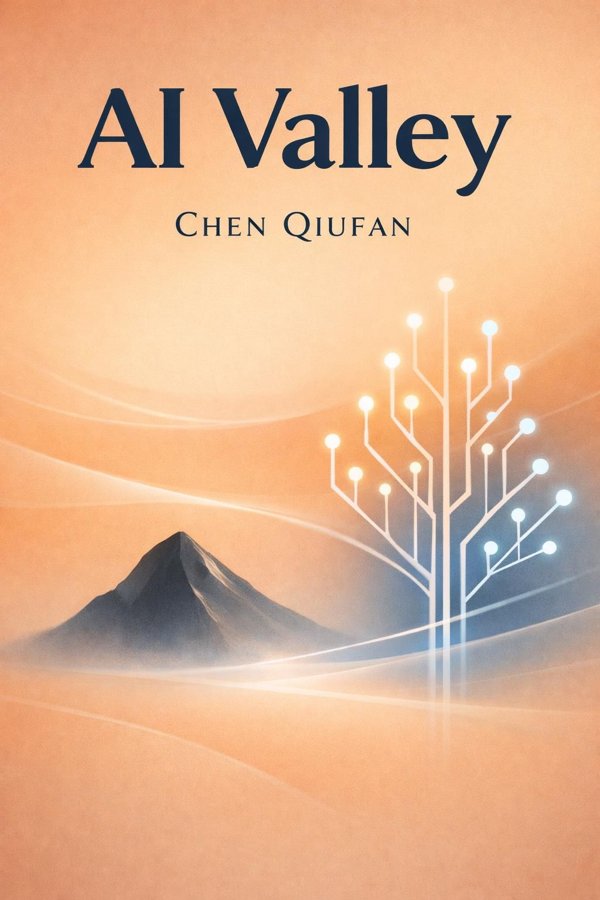
AI Valley
Chen Qiufan
10 min
Bloodchild
Octavia E. Butler
10 min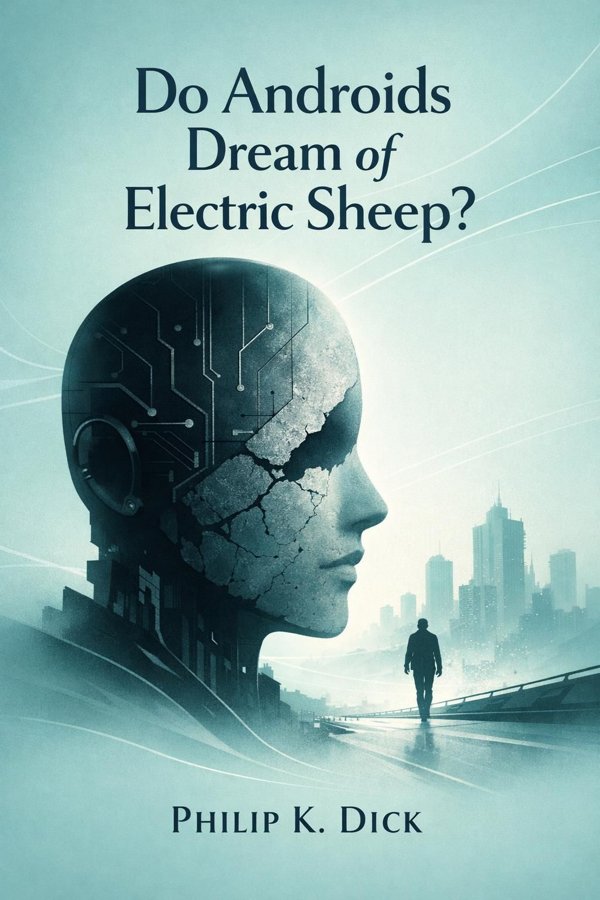
Do Androids Dream of Electric Sheep?
Philip K. Dick
10 min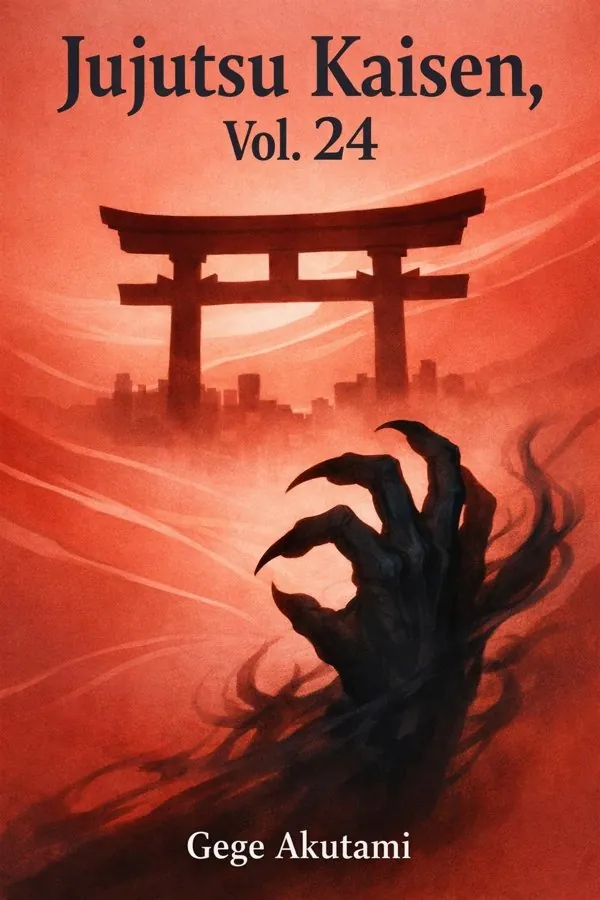
Jujutsu Kaisen, Vol. 24
Gege Akutami
10 minBrowse by Category
Ready to read Solo Leveling, Vol. 10?
Get the full summary and 100K+ more books with Fizz Moment.