
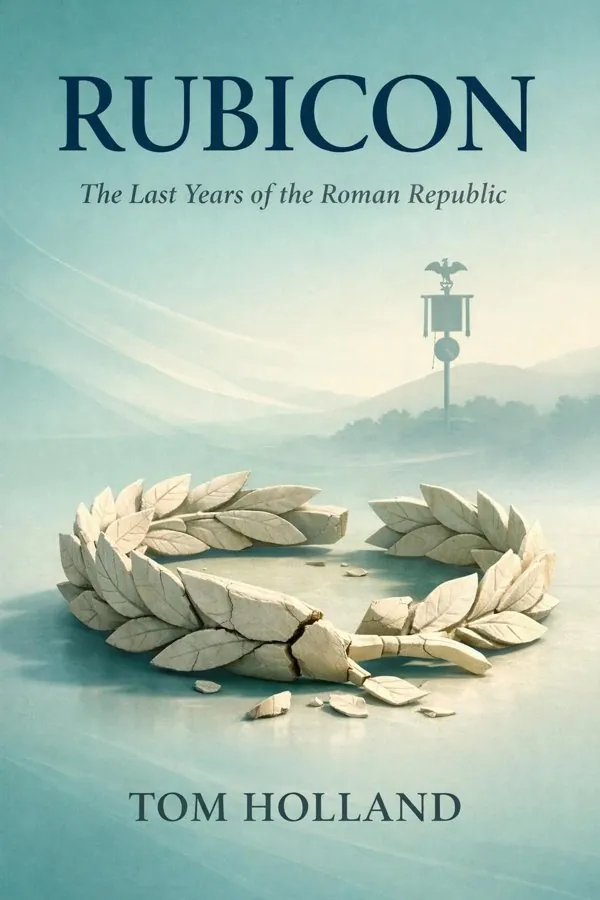
Rubicon: The Last Years of the Roman Republic: Summary & Key Insights
by Tom Holland
 10 min9 chaptersAudio available
What Is Rubicon: The Last Years of the Roman Republic About?
Rubicon: The Last Years of the Roman Republic by Tom Holland is a world_history book spanning 9 pages. Rubicon: The Last Years of the Roman Republic is a historical narrative that vividly recounts the political and social turmoil leading to the fall of the Roman Republic. Tom Holland explores the lives of key figures such as Julius Caesar, Cicero, and Pompey, weaving together the complex web of ambition, betrayal, and reform that culminated in the Republic’s collapse and the rise of imperial Rome.
This FizzRead summary covers all 9 key chapters of Rubicon: The Last Years of the Roman Republic in approximately 10 minutes, distilling the most important ideas, arguments, and takeaways from Tom Holland's work. Also available as an audio summary and Key Quotes Podcast.
Rubicon: The Last Years of the Roman Republic
Rubicon: The Last Years of the Roman Republic is a historical narrative that vividly recounts the political and social turmoil leading to the fall of the Roman Republic. Tom Holland explores the lives of key figures such as Julius Caesar, Cicero, and Pompey, weaving together the complex web of ambition, betrayal, and reform that culminated in the Republic’s collapse and the rise of imperial Rome.
Who Should Read Rubicon: The Last Years of the Roman Republic?
This book is perfect for anyone interested in world_history and looking to gain actionable insights in a short read. Whether you're a student, professional, or lifelong learner, the key ideas from Rubicon: The Last Years of the Roman Republic by Tom Holland will help you think differently.
- ✓Readers who enjoy world_history and want practical takeaways
- ✓Professionals looking to apply new ideas to their work and life
- ✓Anyone who wants the core insights of Rubicon: The Last Years of the Roman Republic in just 10 minutes
Want the full summary?
Get instant access to this book summary and 100K+ more with Fizz Moment.
Get Free SummaryAvailable on App Store • Free to download
Key Chapters
When I began tracing the Republic’s origins, I was struck by how its founding myths echoed the yearning for autonomy. Rome’s hatred of kingship was not theoretical—it was visceral. The early citizens believed that freedom depended on laws stronger than any man, magistrates held accountable, and offices shared among equals. This moral architecture, designed after the expulsion of the Tarquin kings, became the Republic’s sacred inheritance: liberty through balance, power through responsibility, and greatness through civic duty.
Throughout the Republic, liberty meant participation in public life. Citizens fought in legions not merely for glory but because the state was theirs to defend. Yet this ideal rested on small-scale agrarian virtue—independent farmers who made up the backbone of the Republic. Over time, conquest transformed them into victims of success. Vast territories brought wealth, slaves, and political corruption. The Senate, once composed of selfless statesmen, began to serve landed interests, while plebeians saw their land swallowed by aristocratic estates.
What I sought to convey was how Rome’s idealism began to crack under expansion’s weight. Citizenship, once earned by service, eroded into privilege. The popular assemblies were manipulated by demagogues, and the law itself bent to protect the powerful. The Republic’s machinery—marvelously complex—demanded virtue for maintenance. Remove that virtue, and all the gears began grinding toward collapse.
Rome’s conquests were both triumph and poison. In conquering Carthage, Greece, and the East, Romans brought home riches they could scarcely imagine. But what I emphasize throughout 'Rubicon' is the spiritual dislocation this prosperity created. The soldier-farmer returning from distant wars found his plot of land seized, replaced by slave plantations owned by senators. Military glory made generals into idols, and the Republic’s rural heart began to die.
The Senate’s inability—or unwillingness—to manage this upheaval exposed the fragility of its republican ideals. Wealth flowed upward, populism downward. Bread and circuses pacified the masses but left them politically hollow. I described this imbalance not only as economic but as moral, an infection spreading through Rome’s soul. Where the Republic had once been defined by civic duty, now it was defined by spectacle and self-interest.
To understand the later chaos, one must grasp how the concentration of land and military influence transformed Roman citizenship. Service to the state became service to the commander who held the purse. The Republic’s institutions assumed the shape of empire long before its name changed. This transformation set the stage for the Gracchi.
+ 7 more chapters — available in the FizzRead app
All Chapters in Rubicon: The Last Years of the Roman Republic
About the Author
Tom Holland is a British historian, author, and broadcaster known for his works on classical and medieval history. He studied English at Cambridge University and has written several acclaimed books including Persian Fire and Millennium. Holland is also a translator of Herodotus and a presenter of historical documentaries.
Get This Summary in Your Preferred Format
Read or listen to the Rubicon: The Last Years of the Roman Republic summary by Tom Holland anytime, anywhere. FizzRead offers multiple formats so you can learn on your terms — all free.
Available formats: App · Audio · PDF · EPUB — All included free with FizzRead
Download Rubicon: The Last Years of the Roman Republic PDF and EPUB Summary
Key Quotes from Rubicon: The Last Years of the Roman Republic
“When I began tracing the Republic’s origins, I was struck by how its founding myths echoed the yearning for autonomy.”
“Rome’s conquests were both triumph and poison.”
Frequently Asked Questions about Rubicon: The Last Years of the Roman Republic
Rubicon: The Last Years of the Roman Republic by Tom Holland is a world_history book that explores key ideas across 9 chapters. Rubicon: The Last Years of the Roman Republic is a historical narrative that vividly recounts the political and social turmoil leading to the fall of the Roman Republic. Tom Holland explores the lives of key figures such as Julius Caesar, Cicero, and Pompey, weaving together the complex web of ambition, betrayal, and reform that culminated in the Republic’s collapse and the rise of imperial Rome.
More by Tom Holland
You Might Also Like
The Age of Capital
Eric Hobsbawm
10 min
The Gulag Archipelago
Aleksandr Solzhenitsyn
10 min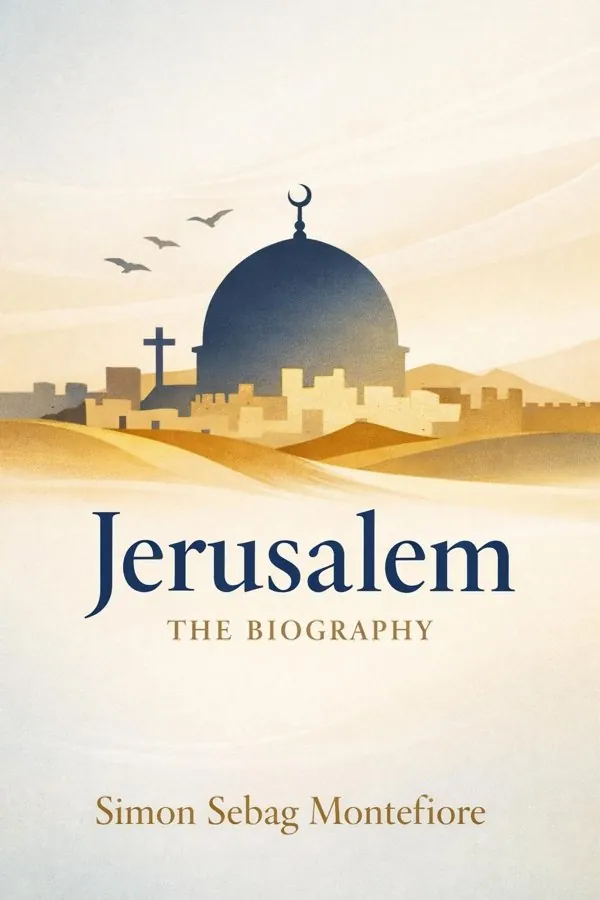
Jerusalem: The Biography
Simon Sebag Montefiore
10 min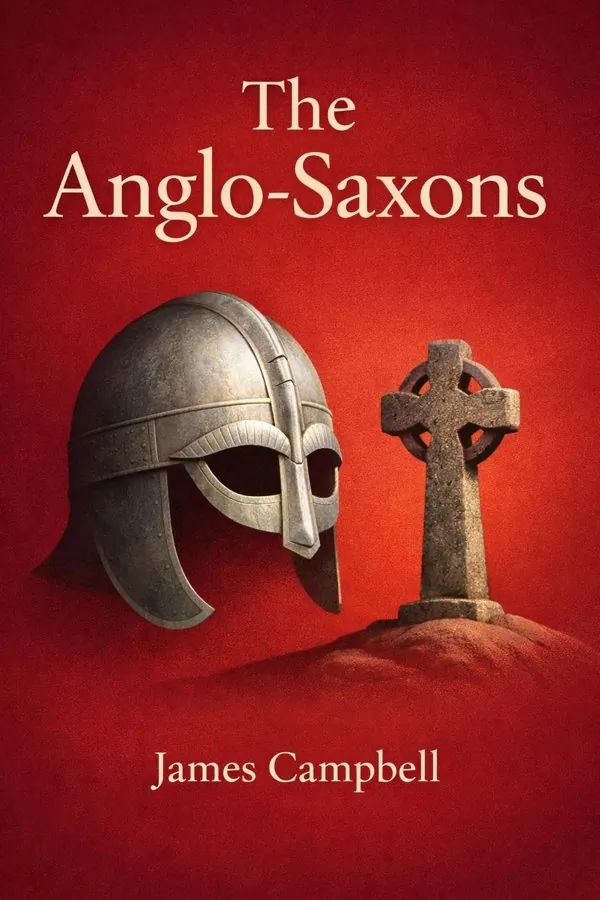
The Anglo-Saxons
James Campbell
10 min
The Boer War
Thomas Pakenham
10 min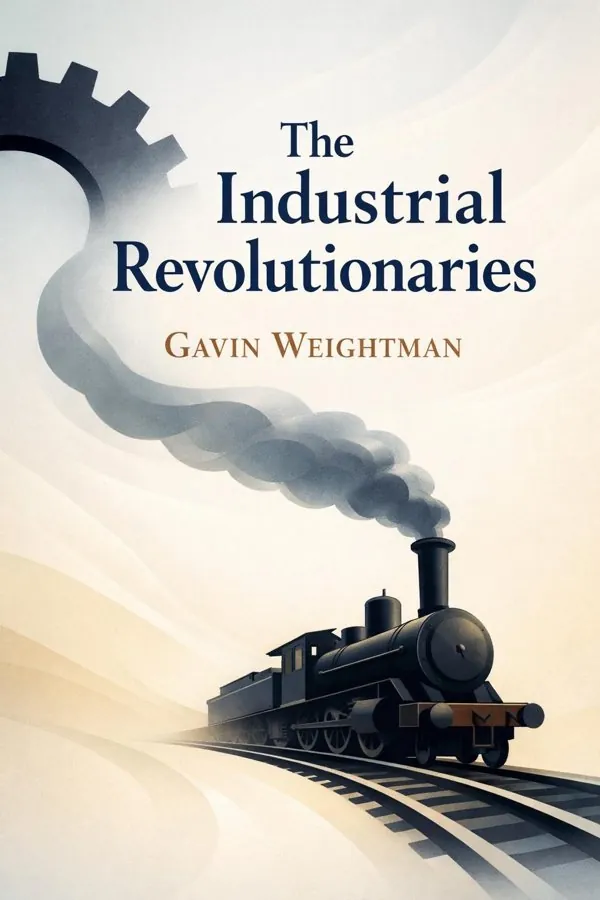
The Industrial Revolutionaries: The Making of the Modern World 1776–1914
Gavin Weightman
10 minBrowse by Category
Ready to read Rubicon: The Last Years of the Roman Republic?
Get the full summary and 100K+ more books with Fizz Moment.