

Retrain Your Brain: Cognitive Behavioral Therapy in 7 Weeks: A Workbook for Managing Depression and Anxiety: Summary & Key Insights
 10 min8 chaptersAudio available
What Is Retrain Your Brain: Cognitive Behavioral Therapy in 7 Weeks: A Workbook for Managing Depression and Anxiety About?
Retrain Your Brain: Cognitive Behavioral Therapy in 7 Weeks: A Workbook for Managing Depression and Anxiety by Seth J. Gillihan is a mental_health book spanning 8 pages. Retrain Your Brain es un manual práctico basado en la terapia cognitivo-conductual (TCC) que guía al lector a través de un programa de siete semanas para identificar y cambiar patrones de pensamiento negativos, reducir la ansiedad y la depresión, y desarrollar hábitos mentales más saludables. Con ejercicios estructurados y estrategias accesibles, el libro ofrece herramientas para mejorar el bienestar emocional y la resiliencia psicológica.
This FizzRead summary covers all 8 key chapters of Retrain Your Brain: Cognitive Behavioral Therapy in 7 Weeks: A Workbook for Managing Depression and Anxiety in approximately 10 minutes, distilling the most important ideas, arguments, and takeaways from Seth J. Gillihan's work. Also available as an audio summary and Key Quotes Podcast.
Retrain Your Brain: Cognitive Behavioral Therapy in 7 Weeks: A Workbook for Managing Depression and Anxiety
Retrain Your Brain es un manual práctico basado en la terapia cognitivo-conductual (TCC) que guía al lector a través de un programa de siete semanas para identificar y cambiar patrones de pensamiento negativos, reducir la ansiedad y la depresión, y desarrollar hábitos mentales más saludables. Con ejercicios estructurados y estrategias accesibles, el libro ofrece herramientas para mejorar el bienestar emocional y la resiliencia psicológica.
Who Should Read Retrain Your Brain: Cognitive Behavioral Therapy in 7 Weeks: A Workbook for Managing Depression and Anxiety?
This book is perfect for anyone interested in mental_health and looking to gain actionable insights in a short read. Whether you're a student, professional, or lifelong learner, the key ideas from Retrain Your Brain: Cognitive Behavioral Therapy in 7 Weeks: A Workbook for Managing Depression and Anxiety by Seth J. Gillihan will help you think differently.
- ✓Readers who enjoy mental_health and want practical takeaways
- ✓Professionals looking to apply new ideas to their work and life
- ✓Anyone who wants the core insights of Retrain Your Brain: Cognitive Behavioral Therapy in 7 Weeks: A Workbook for Managing Depression and Anxiety in just 10 minutes
Want the full summary?
Get instant access to this book summary and 100K+ more with Fizz Moment.
Get Free SummaryAvailable on App Store • Free to download
Key Chapters
The first step toward lasting emotional change is to become aware of your thoughts. In Week 1, we focus on identifying the automatic thoughts that appear spontaneously in response to everyday situations—those quick, silent judgments that shape how you feel and act. Often, these thoughts come so quickly that you don’t even recognize them as thoughts; they feel like facts. But within CBT, we learn to slow down the process and observe them.
Automatic negative thoughts—what we often call ANTs—tend to exaggerate danger, minimize ability, or predict failure. They may sound like, “I always mess things up,” or, “There’s no hope.” These thoughts are usually distortions rather than realities, but when left unchecked, they drive anxiety and depression. You might notice patterns: all-or-nothing thinking, overgeneralizing, catastrophizing, or personalizing. Naming these patterns helps diminish their power because awareness opens the door to choice.
Throughout this first week, I encourage you to log your automatic thoughts using the CBT worksheets provided. When something triggers a strong emotion, jot down what went through your mind just before that feeling arose. Gradually, you’ll begin to see consistent patterns—core beliefs about yourself, others, and the world that have guided you for years.
Understanding your thoughts is not about blaming yourself; it’s about recognizing that these mental habits are learned. If you’ve learned unhelpful patterns, you can unlearn them too. This awareness is your starting point for transformation.
Now that you’ve learned to spot negative thoughts, it’s time to challenge them. This step is at the heart of CBT: examining your thoughts as hypotheses rather than absolute truths. The aim is not to replace negativity with blind positivity, but to see your thinking clearly and fairly.
I often tell clients that we must become our own cognitive scientists, gathering evidence for and against our thoughts. If you find yourself thinking, “I’m a failure,” pause and ask: What evidence supports that statement? What evidence contradicts it? Have there been times I’ve succeeded? How would I see this if a friend were in my place? This method allows you to widen your perspective and create more balanced alternatives.
Reframing your thoughts is a skill developed through practice. It helps you find middle ground between extremes. For instance, instead of “I always fail,” you might reframe it as, “Sometimes I fall short, but I also have strengths and can improve.” Notice how this shift opens the door to constructive action rather than hopelessness.
Challenging distorted thinking does not invalidate your feelings—it contextualizes them. Emotions still matter, but they no longer dictate your reality. Over time, this balanced way of thinking enhances emotional stability and resilience, giving you more control over how you experience life’s ups and downs.
+ 6 more chapters — available in the FizzRead app
All Chapters in Retrain Your Brain: Cognitive Behavioral Therapy in 7 Weeks: A Workbook for Managing Depression and Anxiety
About the Author
Seth J. Gillihan es psicólogo clínico y profesor adjunto de psicología en la Universidad de Pensilvania. Especializado en terapia cognitivo-conductual, ha trabajado extensamente en el tratamiento de la ansiedad, la depresión y el estrés, y es autor de varios libros sobre salud mental y bienestar.
Get This Summary in Your Preferred Format
Read or listen to the Retrain Your Brain: Cognitive Behavioral Therapy in 7 Weeks: A Workbook for Managing Depression and Anxiety summary by Seth J. Gillihan anytime, anywhere. FizzRead offers multiple formats so you can learn on your terms — all free.
Available formats: App · Audio · PDF · EPUB — All included free with FizzRead
Download Retrain Your Brain: Cognitive Behavioral Therapy in 7 Weeks: A Workbook for Managing Depression and Anxiety PDF and EPUB Summary
Key Quotes from Retrain Your Brain: Cognitive Behavioral Therapy in 7 Weeks: A Workbook for Managing Depression and Anxiety
“The first step toward lasting emotional change is to become aware of your thoughts.”
“Now that you’ve learned to spot negative thoughts, it’s time to challenge them.”
Frequently Asked Questions about Retrain Your Brain: Cognitive Behavioral Therapy in 7 Weeks: A Workbook for Managing Depression and Anxiety
Retrain Your Brain: Cognitive Behavioral Therapy in 7 Weeks: A Workbook for Managing Depression and Anxiety by Seth J. Gillihan is a mental_health book that explores key ideas across 8 chapters. Retrain Your Brain es un manual práctico basado en la terapia cognitivo-conductual (TCC) que guía al lector a través de un programa de siete semanas para identificar y cambiar patrones de pensamiento negativos, reducir la ansiedad y la depresión, y desarrollar hábitos mentales más saludables. Con ejercicios estructurados y estrategias accesibles, el libro ofrece herramientas para mejorar el bienestar emocional y la resiliencia psicológica.
You Might Also Like

Big Feelings: How to Be Okay When Things Are Not Okay
Liz Fosslien, Mollie West Duffy
10 min
Creative Arts Therapies Handbook: Art, Music and Dance Therapy Practices for Wellbeing
Susan I. Buchalter
10 min
Emotional First Aid: Healing Rejection, Guilt, Failure, and Other Everyday Hurts
Guy Winch
10 min
Lost Connections: Why You're Depressed and How to Find Hope
Johann Hari
10 min
No Time to Panic: How to Stop Worrying and Embrace Life
Matt Gutman
10 min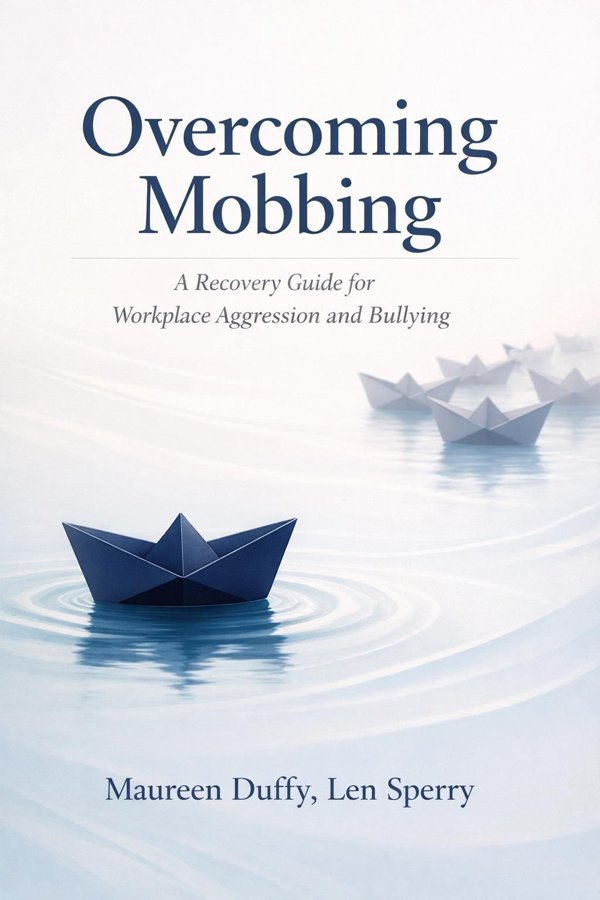
Overcoming Mobbing: A Recovery Guide for Workplace Aggression and Bullying
Maureen Duffy, Len Sperry
10 minBrowse by Category
Ready to read Retrain Your Brain: Cognitive Behavioral Therapy in 7 Weeks: A Workbook for Managing Depression and Anxiety?
Get the full summary and 100K+ more books with Fizz Moment.