
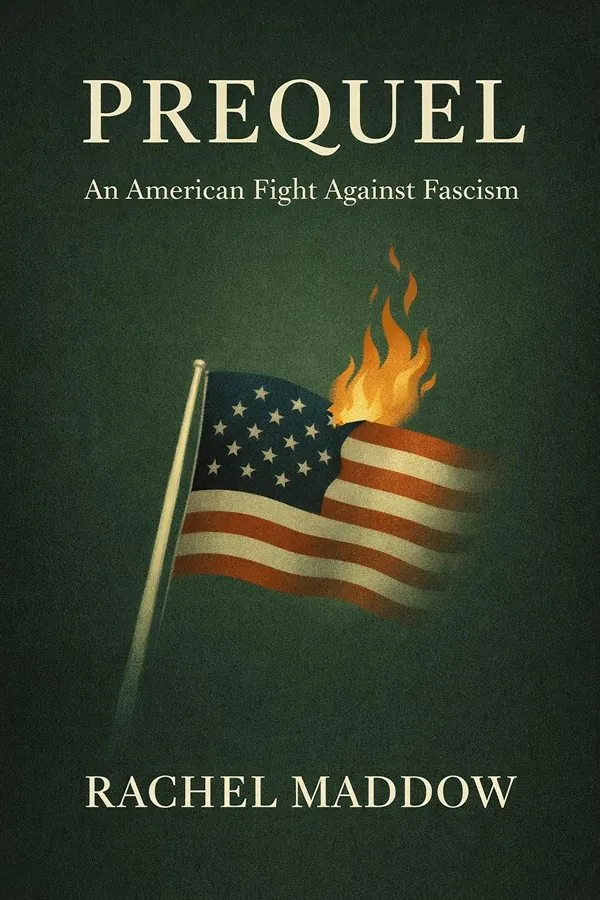
Prequel: An American Fight Against Fascism: Summary & Key Insights
 10 min5 chaptersAudio available
What Is Prequel: An American Fight Against Fascism About?
Prequel: An American Fight Against Fascism by Rachel Maddow is a politics book spanning 5 pages. Rachel Maddow explores the historical roots of American authoritarian movements, tracing their development from World War II to the present. Through meticulous research, she uncovers the efforts of public servants and private citizens who fought to defend democracy against fascist influences within the United States.
This FizzRead summary covers all 5 key chapters of Prequel: An American Fight Against Fascism in approximately 10 minutes, distilling the most important ideas, arguments, and takeaways from Rachel Maddow's work. Also available as an audio summary and Key Quotes Podcast.
Prequel: An American Fight Against Fascism
Rachel Maddow explores the historical roots of American authoritarian movements, tracing their development from World War II to the present. Through meticulous research, she uncovers the efforts of public servants and private citizens who fought to defend democracy against fascist influences within the United States.
Who Should Read Prequel: An American Fight Against Fascism?
This book is perfect for anyone interested in politics and looking to gain actionable insights in a short read. Whether you're a student, professional, or lifelong learner, the key ideas from Prequel: An American Fight Against Fascism by Rachel Maddow will help you think differently.
- ✓Readers who enjoy politics and want practical takeaways
- ✓Professionals looking to apply new ideas to their work and life
- ✓Anyone who wants the core insights of Prequel: An American Fight Against Fascism in just 10 minutes
Want the full summary?
Get instant access to this book summary and 100K+ more with Fizz Moment.
Get Free SummaryAvailable on App Store • Free to download
Key Chapters
To understand America’s brush with fascism, I start with the world it came from: a world convulsed by economic collapse, political extremism, and charismatic authoritarians who promised to restore order. In the early 1930s, Germany, Italy, and Spain offered terrifying examples of how fragile democracy could be. Their movements appealed to grievance and nostalgia, seducing citizens with the idea that strength and purity could replace debate and compromise. Those ideas did not stop at Europe’s borders. They drifted across the Atlantic, carried by admiration, curiosity, and propaganda.
In the United States, the Great Depression had shaken confidence in democratic capitalism. Many Americans, desperate for answers, looked abroad for models of stability. Some admired Mussolini’s efficiency or Hitler’s supposed economic revival. American newspapers of the time occasionally praised these regimes as bulwarks against chaos. Business leaders and media figures sometimes flirted with these ideas openly, framing them as strong, orderly alternatives to Roosevelt’s New Deal liberalism.
And yet, the United States was not Germany or Italy. Our constitutional framework, however battered, remained intact. What made the danger uniquely American was the way fascist sympathies became entangled with patriotism itself. Promoters of pro-Nazi ideas didn’t describe themselves as traitors—they called themselves true Americans, protecting the nation from Bolshevism, corruption, and decay. This fusion of nationalism and subversion became one of the darkest threads of the era, and unraveling it is central to the story of *Prequel*.
From the start, I wanted readers to see this moment not as a strange anomaly but as a warning about what democracy looks like when fear is politicized and truth becomes negotiable.
The 1930s and early 1940s saw a proliferation of homegrown movements that mirrored European fascism. Some were overtly pro-Hitler; others more subtly aligned with his worldview. Organizations like the Christian Front, the Silver Legion of America, and the German American Bund held rallies where swastikas waved beside American flags. Their leaders denounced Jews, communists, and President Roosevelt with venomous energy, often appealing to Christian and patriotic identities.
The Bund’s gatherings drew thousands, including families and businessmen. They celebrated Hitler’s birthday on U.S. soil and ran youth camps modeled after the Hitler Youth. The Christian Front, rooted in Catholic parishes along the East Coast, organized paramilitary training and distributed fascist propaganda through friendly clergy and newspapers. Even within respected circles—Congress, the press, and the clergy—sympathies toward these groups were sometimes masked as mere isolationism or anti-communism.
What astonished me most during my research was how mainstream some of this sentiment became. The famed aviator Charles Lindbergh, hero of the skies, publicly blamed Jewish Americans and the Roosevelt administration for pushing the country toward war with Germany. Publications repeated similar talking points that eerily echoed Nazi propaganda. History shows that the boundary between nationalism and fascism can blur quickly when grievance finds a voice and scapegoats are named.
As I wrote these chapters, I wanted readers to feel the tension of that moment: the sense that fascism wasn’t something happening elsewhere but an idea taking root here, nurtured by charismatic leaders and amplified by mass media. It posed a question that remains urgent today—how does a democracy distinguish between freedom of expression and the organized destruction of truth?
+ 3 more chapters — available in the FizzRead app
All Chapters in Prequel: An American Fight Against Fascism
About the Author
Rachel Maddow is an American television host, political commentator, and author best known for 'The Rachel Maddow Show' on MSNBC. She holds a doctorate in politics from the University of Oxford and has written extensively on U.S. politics and history.
Get This Summary in Your Preferred Format
Read or listen to the Prequel: An American Fight Against Fascism summary by Rachel Maddow anytime, anywhere. FizzRead offers multiple formats so you can learn on your terms — all free.
Available formats: App · Audio · PDF · EPUB — All included free with FizzRead
Download Prequel: An American Fight Against Fascism PDF and EPUB Summary
Key Quotes from Prequel: An American Fight Against Fascism
“In the early 1930s, Germany, Italy, and Spain offered terrifying examples of how fragile democracy could be.”
“The 1930s and early 1940s saw a proliferation of homegrown movements that mirrored European fascism.”
Frequently Asked Questions about Prequel: An American Fight Against Fascism
Prequel: An American Fight Against Fascism by Rachel Maddow is a politics book that explores key ideas across 5 chapters. Rachel Maddow explores the historical roots of American authoritarian movements, tracing their development from World War II to the present. Through meticulous research, she uncovers the efforts of public servants and private citizens who fought to defend democracy against fascist influences within the United States.
More by Rachel Maddow
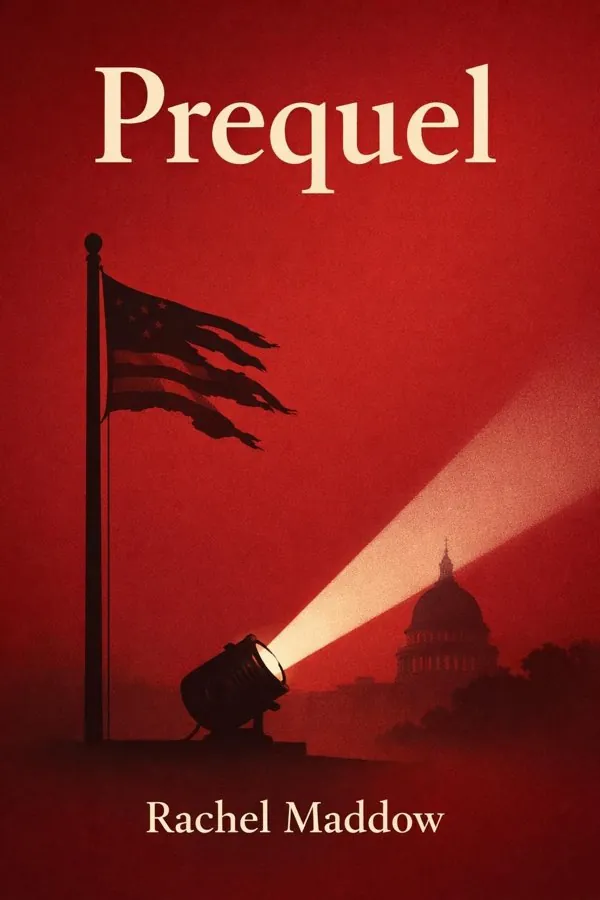

You Might Also Like
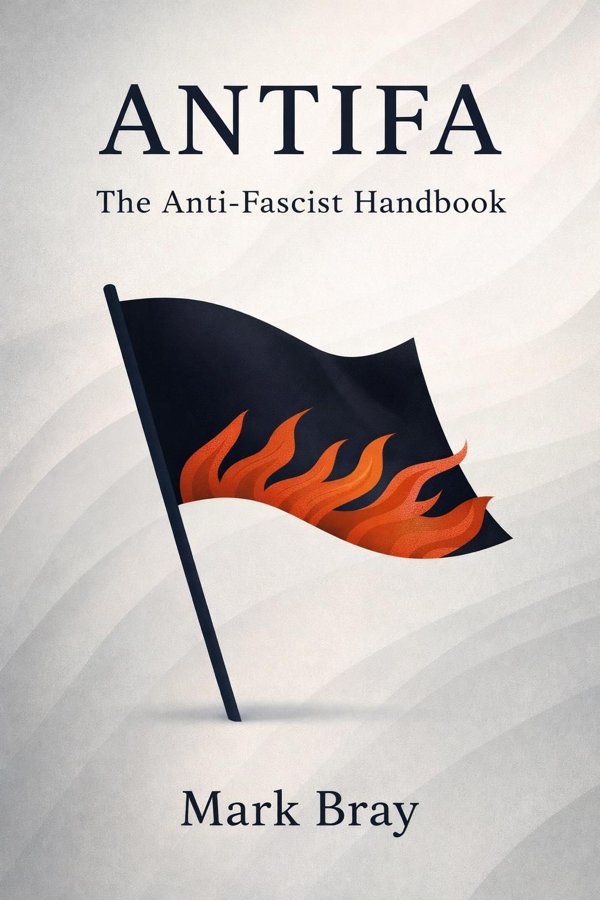
Antifa: The Anti-Fascist Handbook
Mark Bray
10 min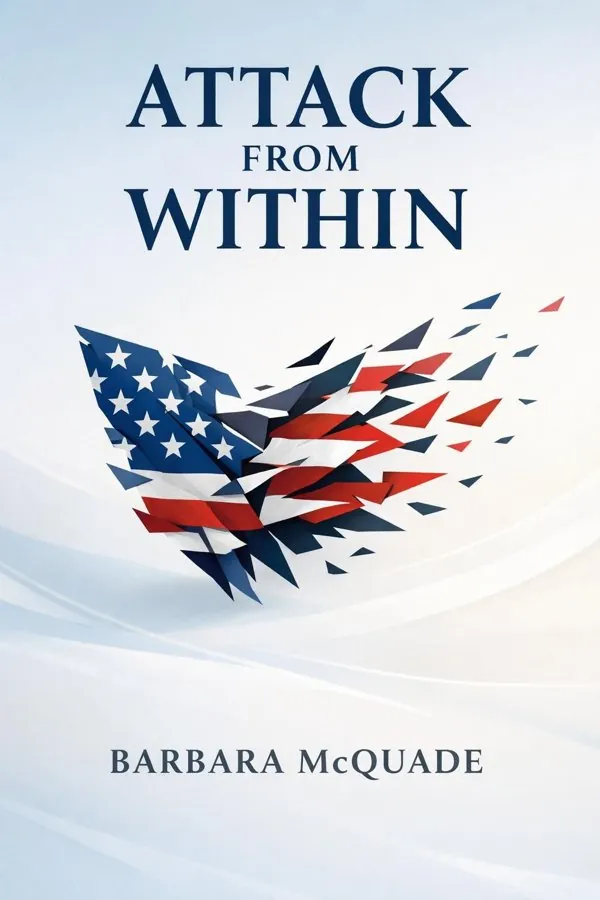
Attack from Within: How Disinformation Is Sabotaging America
Barbara McQuade
10 min
Coercion, Capital, and European States, AD 990–1992
Charles Tilly
10 min
Digital Democracy: Concepts, Methodologies, Tools, and Applications
Various Authors
10 min
Fascism
Stanley G. Payne
10 min
Fire And Fury: Inside The Trump White House
Michael Wolff
10 minBrowse by Category
Ready to read Prequel: An American Fight Against Fascism?
Get the full summary and 100K+ more books with Fizz Moment.