
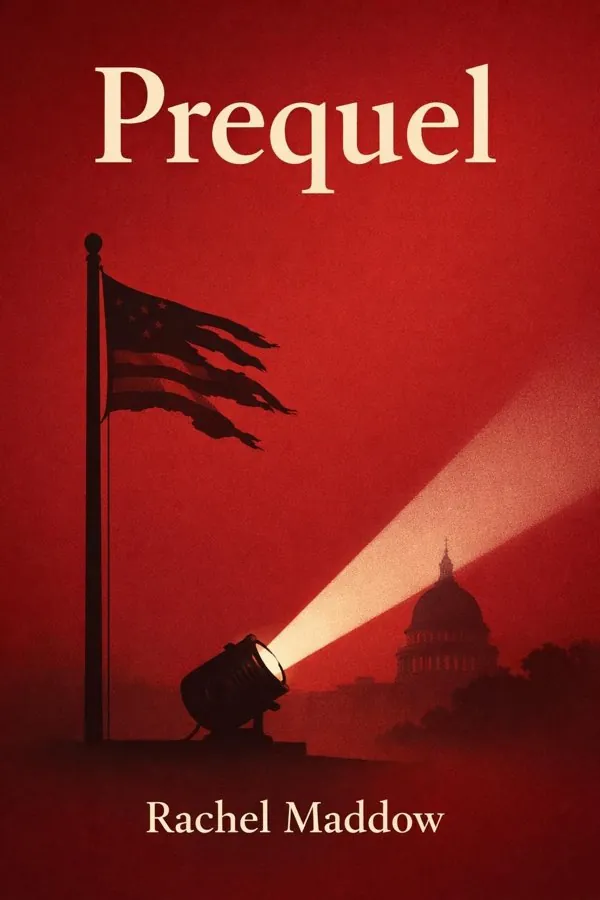
Prequel: Summary & Key Insights
 10 min10 chaptersAudio available
What Is Prequel About?
Prequel by Rachel Maddow is a politics book spanning 10 pages. Prequel is a nonfiction book by Rachel Maddow that explores the rise of authoritarian movements and fascist sympathizers in the United States before World War II. Drawing on historical research and investigative reporting, Maddow examines how political figures, business leaders, and media outlets contributed to the spread of extremist ideologies, and how democratic institutions responded to these threats.
This FizzRead summary covers all 10 key chapters of Prequel in approximately 10 minutes, distilling the most important ideas, arguments, and takeaways from Rachel Maddow's work. Also available as an audio summary and Key Quotes Podcast.
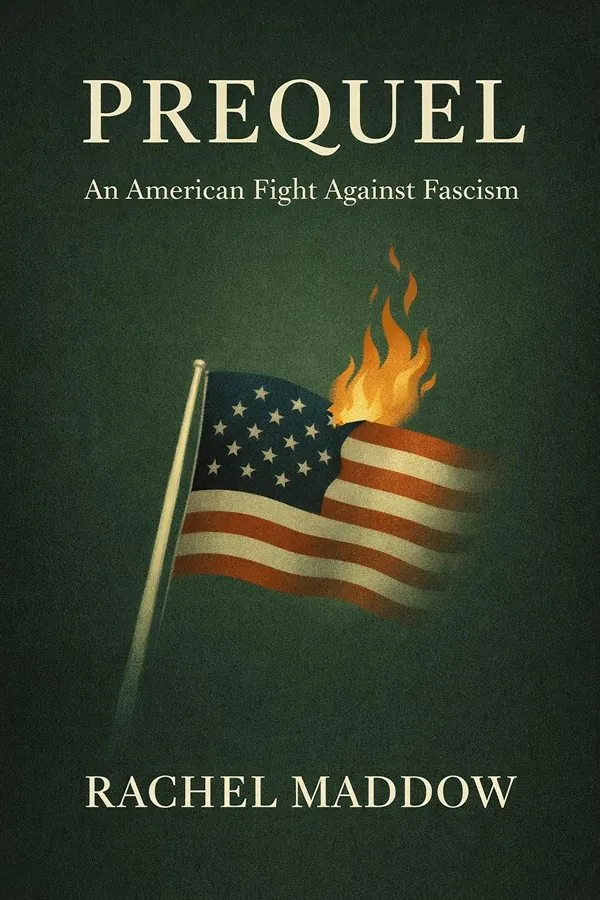
Prequel
Prequel is a nonfiction book by Rachel Maddow that explores the rise of authoritarian movements and fascist sympathizers in the United States before World War II. Drawing on historical research and investigative reporting, Maddow examines how political figures, business leaders, and media outlets contributed to the spread of extremist ideologies, and how democratic institutions responded to these threats.
Who Should Read Prequel?
This book is perfect for anyone interested in politics and looking to gain actionable insights in a short read. Whether you're a student, professional, or lifelong learner, the key ideas from Prequel by Rachel Maddow will help you think differently.
- ✓Readers who enjoy politics and want practical takeaways
- ✓Professionals looking to apply new ideas to their work and life
- ✓Anyone who wants the core insights of Prequel in just 10 minutes
Want the full summary?
Get instant access to this book summary and 100K+ more with Fizz Moment.
Get Free SummaryAvailable on App Store • Free to download
Key Chapters
To understand how fascism found an echo in America, we have to start in Europe. The 1920s and 1930s were decades of chaos and disillusionment. In Italy, Mussolini had shown that a disciplined, militaristic nationalism could seize power and restore order—or at least appear to. In Germany, Hitler rose on similar promises, feeding on resentment after World War I and a broken economic system. These regimes projected strength and unity at a time when democracy looked weak and divided.
Many Americans looked upon this with admiration. Business elites saw stability and anti-communism. Some politicians saw a model for national revival. Even journalists and clergy found something appealing in the aesthetics of power and certainty. The Great Depression had shaken faith in liberal democracy everywhere, and the rise of fascism seemed, to some, like progress—a cure for democratic messiness.
From Berlin and Rome, propaganda poured across borders, targeting nations like ours. American newspapers and radio were filled with both fascination and fear. Hitler’s own agents learned that they didn’t need to invade the United States; ideological infection would do the work on its own. What I discovered in researching this period was how eagerly some Americans opened their doors to such ideas, not from coercion but conviction.
The United States between the wars was not immune to extremism. In the halls of Congress, in industrial boardrooms, and even in pulpits, voices rose that echoed fascist rhetoric. Some politicians downplayed Nazi atrocities, suggesting Germany was merely standing up to Bolshevism. Wealthy industrialists maintained commercial ties with the Third Reich, rationalizing that business was separate from politics. Magazine publishers and radio hosts used their platforms to praise Hitler’s restoration of national pride, or to warn that Jewish conspiracies were undermining American values.
One of the most startling things was not their secrecy, but their brazenness. Openly pro-fascist rallies took place in Madison Square Garden and other major venues. Some groups wore uniforms reminiscent of Nazi regalia, blending American patriotism with European authoritarian symbolism. Appeals to "America First" became both a slogan and a shield, arguing that isolationism and sympathy for fascism were forms of patriotism.
These weren’t just fringe fanatics; they included members of Congress, clergy with national followings, entrepreneurs connected to major corporations, and cultural figures with influence. Their movement fed on fear—fear of communism, of immigration, of social change—and they exploited it with polished messages tailored to American sensibilities. The danger wasn’t only in their beliefs but in their normalization. When fascism wore the clothes of Americanism, it became harder to recognize as something foreign and malignant.
+ 8 more chapters — available in the FizzRead app
All Chapters in Prequel
About the Author
Rachel Maddow is an American television host, political commentator, and author best known for The Rachel Maddow Show on MSNBC. She holds a doctorate in politics from the University of Oxford and is recognized for her analytical approach to political and historical subjects.
Get This Summary in Your Preferred Format
Read or listen to the Prequel summary by Rachel Maddow anytime, anywhere. FizzRead offers multiple formats so you can learn on your terms — all free.
Available formats: App · Audio · PDF · EPUB — All included free with FizzRead
Download Prequel PDF and EPUB Summary
Key Quotes from Prequel
“To understand how fascism found an echo in America, we have to start in Europe.”
“The United States between the wars was not immune to extremism.”
Frequently Asked Questions about Prequel
Prequel by Rachel Maddow is a politics book that explores key ideas across 10 chapters. Prequel is a nonfiction book by Rachel Maddow that explores the rise of authoritarian movements and fascist sympathizers in the United States before World War II. Drawing on historical research and investigative reporting, Maddow examines how political figures, business leaders, and media outlets contributed to the spread of extremist ideologies, and how democratic institutions responded to these threats.
More by Rachel Maddow

You Might Also Like
Antifa: The Anti-Fascist Handbook
Mark Bray
10 min
Attack from Within: How Disinformation Is Sabotaging America
Barbara McQuade
10 min
Coercion, Capital, and European States, AD 990–1992
Charles Tilly
10 min
Digital Democracy: Concepts, Methodologies, Tools, and Applications
Various Authors
10 min
Fascism
Stanley G. Payne
10 min
Fire And Fury: Inside The Trump White House
Michael Wolff
10 minBrowse by Category
Ready to read Prequel?
Get the full summary and 100K+ more books with Fizz Moment.