
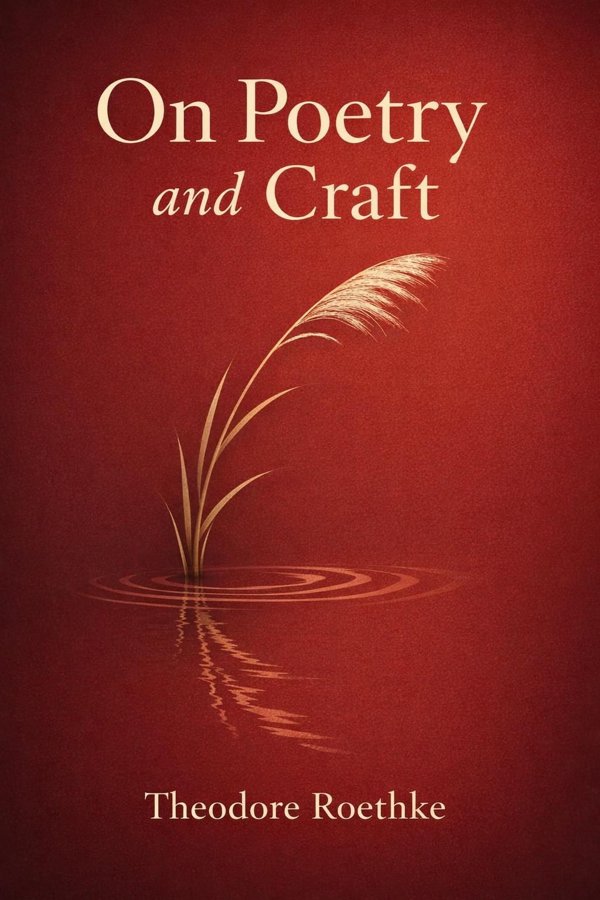
On Poetry and Craft: Summary & Key Insights
 10 min8 chaptersAudio available
What Is On Poetry and Craft About?
On Poetry and Craft by Theodore Roethke is a writing book spanning 8 pages. A collection of essays, notes, and reflections by American poet Theodore Roethke, offering insight into his creative process, poetic philosophy, and teaching methods. The book combines his thoughts on the art of poetry with examples from his own work, revealing his approach to rhythm, imagery, and the emotional depth of language.
This FizzRead summary covers all 8 key chapters of On Poetry and Craft in approximately 10 minutes, distilling the most important ideas, arguments, and takeaways from Theodore Roethke's work. Also available as an audio summary and Key Quotes Podcast.
On Poetry and Craft
A collection of essays, notes, and reflections by American poet Theodore Roethke, offering insight into his creative process, poetic philosophy, and teaching methods. The book combines his thoughts on the art of poetry with examples from his own work, revealing his approach to rhythm, imagery, and the emotional depth of language.
Who Should Read On Poetry and Craft?
This book is perfect for anyone interested in writing and looking to gain actionable insights in a short read. Whether you're a student, professional, or lifelong learner, the key ideas from On Poetry and Craft by Theodore Roethke will help you think differently.
- ✓Readers who enjoy writing and want practical takeaways
- ✓Professionals looking to apply new ideas to their work and life
- ✓Anyone who wants the core insights of On Poetry and Craft in just 10 minutes
Want the full summary?
Get instant access to this book summary and 100K+ more with Fizz Moment.
Get Free SummaryAvailable on App Store • Free to download
Key Chapters
When I write, I never begin with an idea; I begin with a stir, a pulse, something that trembles before it takes form. The source of poetry, I have found, lies in the half-seen, the half-heard whispers of the unconscious. Inspiration is not a lightning bolt but a tide that rises quietly until one is overtaken by it. The poet’s work is to remain receptive to that tide—to cultivate the habit of listening inwardly.
I have often turned to dreams as guides. The logic of dreams, their startling juxtapositions and sudden leaps, teach us to trust the irrational. It is from such hidden places that the authentic image is born. The unconscious, however, does not speak clearly; it must be translated into the language of consciousness. That act of translation—between feeling and form—is where craft begins. The poet is always negotiating between chaos and order, between the spontaneous and the shaped.
In my own life, moments of deep inspiration often came unexpectedly: the smell of wet earth, the sound of wind through glass, the memory of my father’s greenhouse. These moments opened a door into interior landscapes where spirit and matter met. The creative process, for me, is that continual opening: the willingness to enter the unknown without fear. Poetry arises when emotion finds its rhythm and image, when the inner world finds outer embodiment.
Poetry demands discipline, even reverence. For all our talk of inspiration, it is the shaping of language that makes a poem living. A line must work in the ear as well as in the mind. Sound is not decoration; it is structure. The mind thinks in rhythms long before it reasons in words. A poem that lacks rhythm is a body without pulse.
I have always been obsessed with the movement of sound—the way syllables push and yield, the way vowels breathe. My early poems were exercises in discovering how rhythm could lead sense, not merely follow it. Repetition, variation, and silence become part of the poem’s logic. Craft is not restriction; it is the means of liberation. When form is mastered, the poet’s voice is free to inhabit it completely.
Rhyme, meter, and structure are the bones of poetry, but the life within comes from the inner necessity that animates them. I would tell my students: do not shy from discipline; wrestle with it until it becomes second nature. Only then can you forget it. Craft is the poet’s apprenticeship to language—to the subtle relationship between sound and meaning, tension and release. A poem well-made does not merely express feeling; it discovers it anew each time it is read aloud.
+ 6 more chapters — available in the FizzRead app
All Chapters in On Poetry and Craft
About the Author
Theodore Roethke (1908–1963) was an American poet known for his deeply introspective and nature-inspired verse. He received the Pulitzer Prize for Poetry in 1954 for 'The Waking' and two National Book Awards. Roethke’s work often explores themes of growth, transformation, and the human connection to the natural world.
Get This Summary in Your Preferred Format
Read or listen to the On Poetry and Craft summary by Theodore Roethke anytime, anywhere. FizzRead offers multiple formats so you can learn on your terms — all free.
Available formats: App · Audio · PDF · EPUB — All included free with FizzRead
Download On Poetry and Craft PDF and EPUB Summary
Key Quotes from On Poetry and Craft
“When I write, I never begin with an idea; I begin with a stir, a pulse, something that trembles before it takes form.”
“Poetry demands discipline, even reverence.”
Frequently Asked Questions about On Poetry and Craft
On Poetry and Craft by Theodore Roethke is a writing book that explores key ideas across 8 chapters. A collection of essays, notes, and reflections by American poet Theodore Roethke, offering insight into his creative process, poetic philosophy, and teaching methods. The book combines his thoughts on the art of poetry with examples from his own work, revealing his approach to rhythm, imagery, and the emotional depth of language.
You Might Also Like
The Art of Perspective
Christopher Castellani
10 min
Making a Point: The Persnickety Story of English Punctuation
David Crystal
10 min
The Elements Of Eloquence: How To Turn The Perfect English Phrase
Mark Forsyth
10 min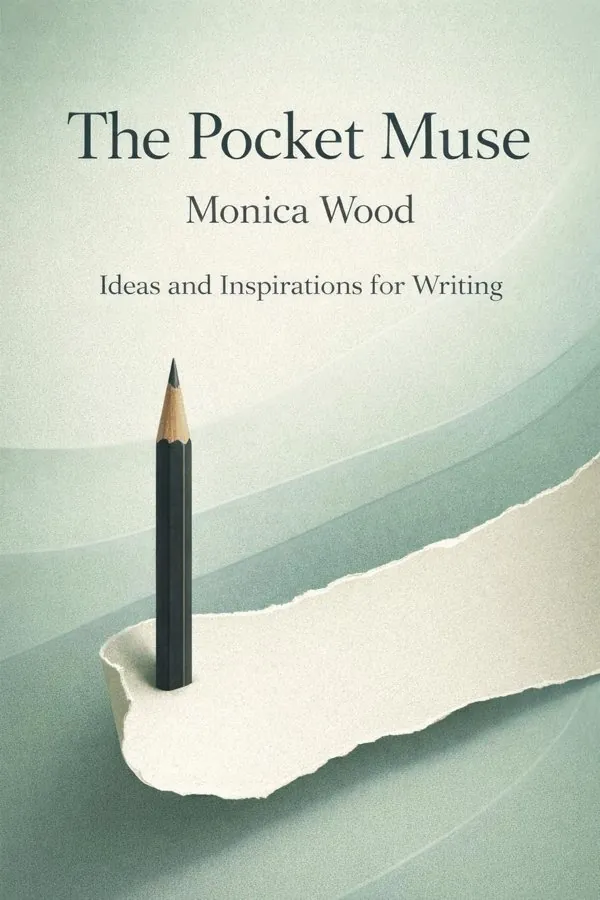
The Pocket Muse: Ideas and Inspirations for Writing
Monica Wood
10 min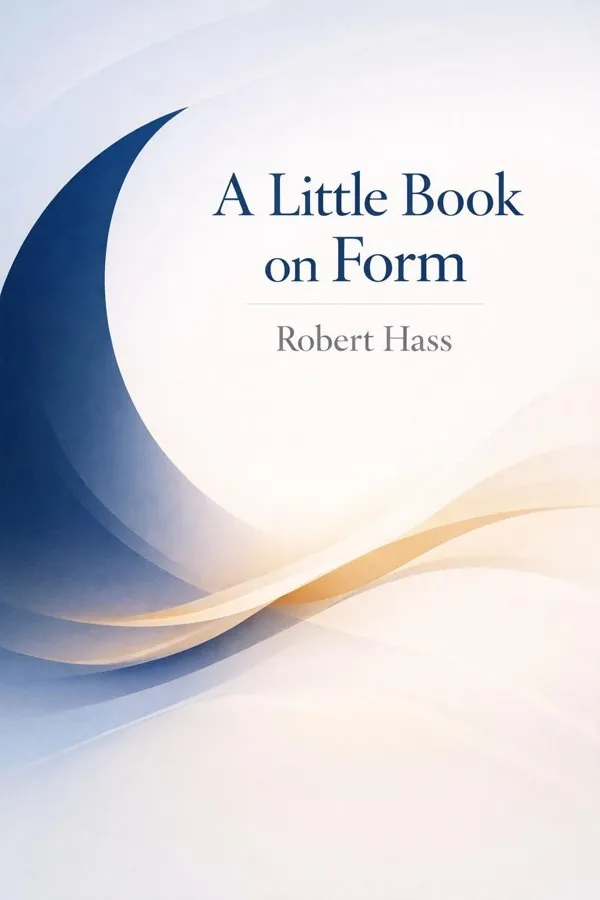
A Little Book on Form: An Exploration into the Formal Imagination of Poetry
Robert Hass
10 min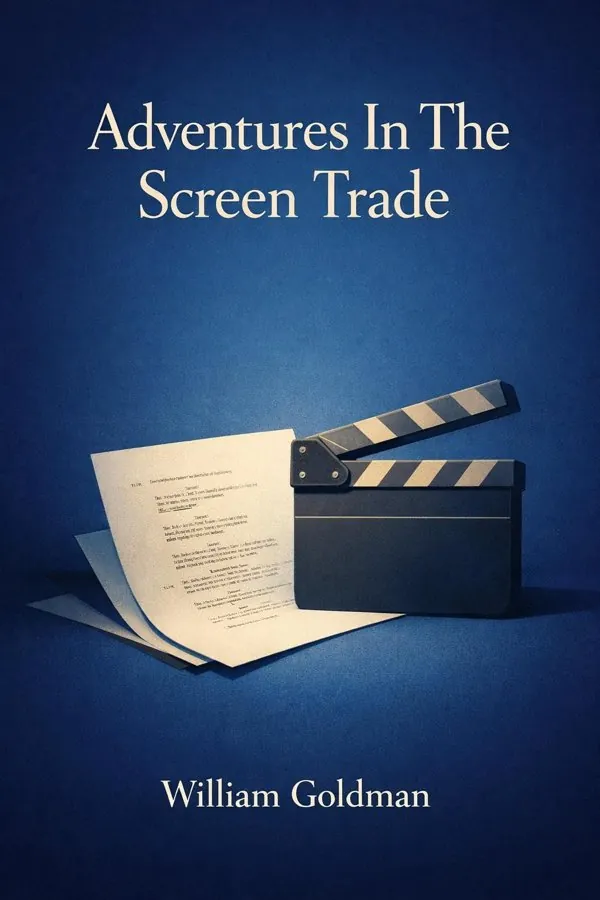
Adventures In The Screen Trade: A Personal View Of Hollywood And Screenwriting
William Goldman
10 minBrowse by Category
Ready to read On Poetry and Craft?
Get the full summary and 100K+ more books with Fizz Moment.