
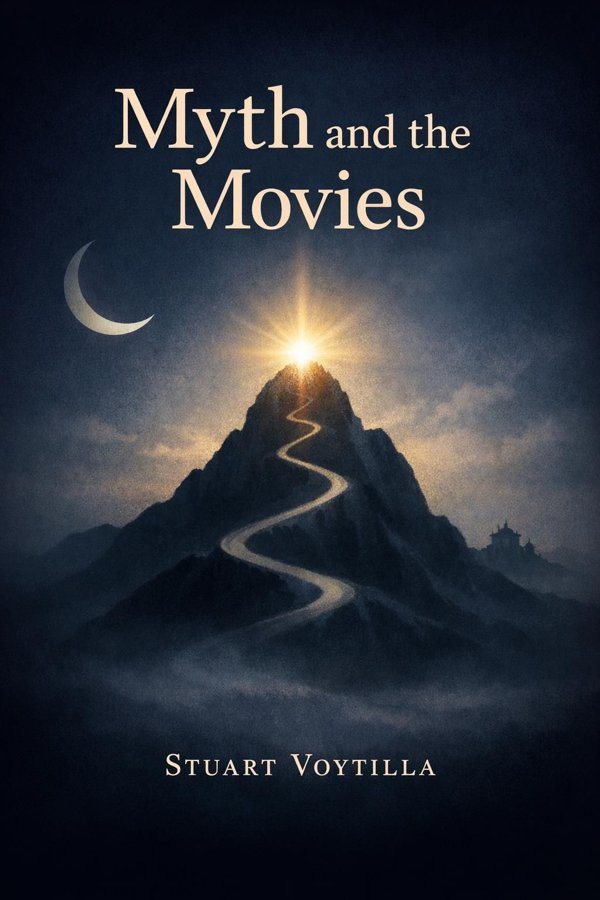
Myth and the Movies: Discovering the Mythic Structure of 50 Unforgettable Films: Summary & Key Insights
 10 min4 chaptersAudio available
What Is Myth and the Movies: Discovering the Mythic Structure of 50 Unforgettable Films About?
Myth and the Movies: Discovering the Mythic Structure of 50 Unforgettable Films by Stuart Voytilla is a writing book spanning 4 pages. Myth and the Movies explores how the mythic structure known as the Hero’s Journey, popularized by Joseph Campbell, underlies many of the most successful films in cinematic history. Stuart Voytilla analyzes fifty well-known movies, showing how their plots, characters, and themes align with timeless mythological patterns. The book serves as both a guide for screenwriters and a tool for understanding storytelling’s universal appeal.
This FizzRead summary covers all 4 key chapters of Myth and the Movies: Discovering the Mythic Structure of 50 Unforgettable Films in approximately 10 minutes, distilling the most important ideas, arguments, and takeaways from Stuart Voytilla's work. Also available as an audio summary and Key Quotes Podcast.
Myth and the Movies: Discovering the Mythic Structure of 50 Unforgettable Films
Myth and the Movies explores how the mythic structure known as the Hero’s Journey, popularized by Joseph Campbell, underlies many of the most successful films in cinematic history. Stuart Voytilla analyzes fifty well-known movies, showing how their plots, characters, and themes align with timeless mythological patterns. The book serves as both a guide for screenwriters and a tool for understanding storytelling’s universal appeal.
Who Should Read Myth and the Movies: Discovering the Mythic Structure of 50 Unforgettable Films?
This book is perfect for anyone interested in writing and looking to gain actionable insights in a short read. Whether you're a student, professional, or lifelong learner, the key ideas from Myth and the Movies: Discovering the Mythic Structure of 50 Unforgettable Films by Stuart Voytilla will help you think differently.
- ✓Readers who enjoy writing and want practical takeaways
- ✓Professionals looking to apply new ideas to their work and life
- ✓Anyone who wants the core insights of Myth and the Movies: Discovering the Mythic Structure of 50 Unforgettable Films in just 10 minutes
Want the full summary?
Get instant access to this book summary and 100K+ more with Fizz Moment.
Get Free SummaryAvailable on App Store • Free to download
Key Chapters
The Hero’s Journey is the skeleton upon which countless myths and films are built. Joseph Campbell articulated it as a series of stages marking the transformation of an ordinary person into someone extraordinary through adventure, trial, and revelation. In *Myth and the Movies*, I delve into how this structural rhythm guides the emotional and narrative arc of great cinema.
The journey begins in the Ordinary World, where the hero’s life is familiar yet constrained. It’s the calm before the storm — Luke Skywalker’s dusty existence on Tatooine or Dorothy’s longing beyond Kansas. This grounding lets audiences see themselves in the hero, feeling that same restlessness for something more. Then comes the Call to Adventure, the moment the universe beckons toward change. Sometimes it’s a literal invitation — a message, a mysterious event — and sometimes it’s internal, a growing discontent. Yet, the Refusal of the Call often follows, revealing the hero’s fear of transformation. That hesitation makes the journey human.
The Meeting with the Mentor shifts the tide. The mentor embodies wisdom and encouragement, offering tools or insight, often at a cost. Obi-Wan Kenobi handing Luke a lightsaber, Gandalf urging Frodo toward destiny — these actions push the hero toward crossing the threshold into the Special World. This crossing marks a shift from comfort to challenge, safety to risk. Once inside, the hero faces Tests, Allies, and Enemies — the landscape of growth, betrayal, and self-discovery.
Each stage serves not merely as plot mechanics but as emotional waypoints. Through them, the hero learns to confront inner shadows. From the Approach to the Inmost Cave — preparation for facing the core crisis — to the Ordeal itself, which symbolizes death and rebirth, the journey manifests transformation. The Reward marks the resurrection of purpose; the Road Back restores balance; and the Return with the Elixir completes the cycle, bringing wisdom gained in the adventure back to the community.
As storytellers, recognizing these rhythms allows us to craft arcs that resonate instinctively. Every viewer, consciously or not, responds to this mythic pulse. It’s the journey of becoming, the ancient map of how we face fear, accept change, and return renewed.
Every hero’s world pulses with archetypes, manifestations of timeless forces that shape both storytelling and the human psyche. I’ve studied hundreds of films where these figures come alive, from mentors and shadows to shapeshifters and tricksters, all echoing patterns described by Campbell and deepened by Jung.
The Hero is more than a protagonist — it’s a symbol of potential striving toward wholeness. When we watch Indiana Jones risk everything for discovery, or Clarice Starling face the darkness of her own fear, we are witnessing aspects of ourselves yearning for growth. The Mentor enters as a guiding spirit, urging courage rather than giving answers, from Yoda’s wisdom to Morpheus’s unwavering faith. The Threshold Guardian tests readiness; the Shadow embodies the suppressed self, the danger that must be faced internally as much as externally.
Then there’s the Shapeshifter, that figure of ambiguity whose changing face challenges trust and perception — think of Han Solo’s unpredictability or Catwoman’s moral tension. And the Trickster, bringing chaos, humor, or necessary disruption — reminding us that transformation often arises from upheaval. These archetypes are not characters imposed upon story; they are energies that the storyteller feels within the narrative current.
When writing or analyzing films through the lens of archetypes, we begin to notice that every supporting role, every symbolic gesture, participates in this broader dance. Archetypes allow audiences to instinctively recognize meaning. We trust the Mentor’s wisdom, fear the Shadow’s pull, laugh with the Trickster — because they express eternal truths of human nature. My goal in highlighting these patterns is to show that crafting mythic stories doesn’t mean adhering to formula but embracing the underlying pulse of human experience.
Cinema’s magic lies here: in archetypes woven seamlessly into the narrative fabric, revealing that beneath modern genres and spectacles, we still tell the same stories of courage, transformation, and return.
+ 2 more chapters — available in the FizzRead app
All Chapters in Myth and the Movies: Discovering the Mythic Structure of 50 Unforgettable Films
About the Author
Stuart Voytilla is a screenwriter, story analyst, and teacher of film and writing. He has worked in Hollywood as a story consultant and has taught screenwriting and story development at several universities. His work focuses on the intersection of myth, storytelling, and cinematic structure.
Get This Summary in Your Preferred Format
Read or listen to the Myth and the Movies: Discovering the Mythic Structure of 50 Unforgettable Films summary by Stuart Voytilla anytime, anywhere. FizzRead offers multiple formats so you can learn on your terms — all free.
Available formats: App · Audio · PDF · EPUB — All included free with FizzRead
Download Myth and the Movies: Discovering the Mythic Structure of 50 Unforgettable Films PDF and EPUB Summary
Key Quotes from Myth and the Movies: Discovering the Mythic Structure of 50 Unforgettable Films
“The Hero’s Journey is the skeleton upon which countless myths and films are built.”
“Every hero’s world pulses with archetypes, manifestations of timeless forces that shape both storytelling and the human psyche.”
Frequently Asked Questions about Myth and the Movies: Discovering the Mythic Structure of 50 Unforgettable Films
Myth and the Movies: Discovering the Mythic Structure of 50 Unforgettable Films by Stuart Voytilla is a writing book that explores key ideas across 4 chapters. Myth and the Movies explores how the mythic structure known as the Hero’s Journey, popularized by Joseph Campbell, underlies many of the most successful films in cinematic history. Stuart Voytilla analyzes fifty well-known movies, showing how their plots, characters, and themes align with timeless mythological patterns. The book serves as both a guide for screenwriters and a tool for understanding storytelling’s universal appeal.
You Might Also Like
The Art of Perspective
Christopher Castellani
10 min
Making a Point: The Persnickety Story of English Punctuation
David Crystal
10 min
The Elements Of Eloquence: How To Turn The Perfect English Phrase
Mark Forsyth
10 min
The Pocket Muse: Ideas and Inspirations for Writing
Monica Wood
10 min
A Little Book on Form: An Exploration into the Formal Imagination of Poetry
Robert Hass
10 min
Adventures In The Screen Trade: A Personal View Of Hollywood And Screenwriting
William Goldman
10 minBrowse by Category
Ready to read Myth and the Movies: Discovering the Mythic Structure of 50 Unforgettable Films?
Get the full summary and 100K+ more books with Fizz Moment.