
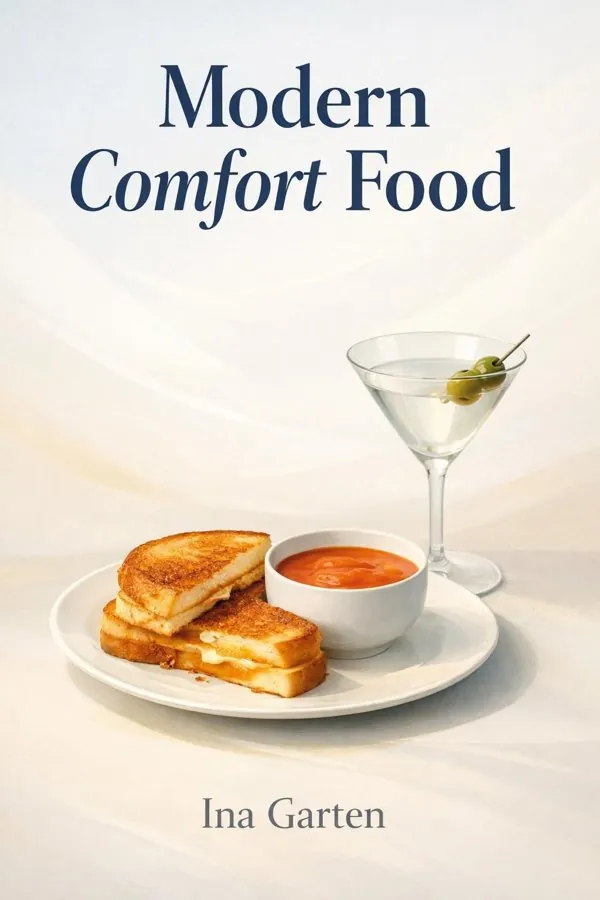
Modern Comfort Food: Summary & Key Insights
by Ina Garten
 10 min9 chaptersAudio available
Key Takeaways from Modern Comfort Food
Comfort often starts before the first bite.
The first meal of the day can be more than a routine; it can be reassurance in edible form.
Midday meals are often treated as an afterthought, yet they can restore energy, mood, and focus.
Dinner is often the emotional center of a home because it gathers appetite, time, and relationship in one place.
One of the most refreshing ideas in Modern Comfort Food is that comfort does not belong only to pasta, cheese, and dessert.
What Is Modern Comfort Food About?
Modern Comfort Food by Ina Garten is a nutrition book spanning 8 pages. Modern Comfort Food is Ina Garten’s celebration of the dishes we return to when we want to feel grounded, cared for, and at ease. Built around 85 recipes that reimagine familiar favorites, the book takes classic comfort food and gives it a contemporary, elegant update without making it intimidating. From cozy breakfasts and satisfying lunches to hearty dinners, vibrant vegetable dishes, indulgent desserts, and easy cocktails, Garten shows that comfort can be both nostalgic and refined. Her recipes are designed to be approachable for home cooks while still carrying the polish and reliability that have made her one of America’s most trusted culinary voices. What makes this book matter is that it treats food not just as fuel or technique, but as emotional architecture. Ina understands that the meals people remember most are often the ones tied to reassurance, hospitality, and connection. She writes for real life: busy families, quiet weekends, celebrations at home, and the need to make everyday meals feel special. With decades of experience as a cookbook author, television host, and beloved teacher of home cooking, Garten brings authority, warmth, and uncommon clarity to the kitchen, making Modern Comfort Food as much a philosophy of living well as a collection of recipes.
This FizzRead summary covers all 9 key chapters of Modern Comfort Food in approximately 10 minutes, distilling the most important ideas, arguments, and takeaways from Ina Garten's work. Also available as an audio summary and Key Quotes Podcast.
Modern Comfort Food
Modern Comfort Food is Ina Garten’s celebration of the dishes we return to when we want to feel grounded, cared for, and at ease. Built around 85 recipes that reimagine familiar favorites, the book takes classic comfort food and gives it a contemporary, elegant update without making it intimidating. From cozy breakfasts and satisfying lunches to hearty dinners, vibrant vegetable dishes, indulgent desserts, and easy cocktails, Garten shows that comfort can be both nostalgic and refined. Her recipes are designed to be approachable for home cooks while still carrying the polish and reliability that have made her one of America’s most trusted culinary voices.
What makes this book matter is that it treats food not just as fuel or technique, but as emotional architecture. Ina understands that the meals people remember most are often the ones tied to reassurance, hospitality, and connection. She writes for real life: busy families, quiet weekends, celebrations at home, and the need to make everyday meals feel special. With decades of experience as a cookbook author, television host, and beloved teacher of home cooking, Garten brings authority, warmth, and uncommon clarity to the kitchen, making Modern Comfort Food as much a philosophy of living well as a collection of recipes.
Who Should Read Modern Comfort Food?
This book is perfect for anyone interested in nutrition and looking to gain actionable insights in a short read. Whether you're a student, professional, or lifelong learner, the key ideas from Modern Comfort Food by Ina Garten will help you think differently.
- ✓Readers who enjoy nutrition and want practical takeaways
- ✓Professionals looking to apply new ideas to their work and life
- ✓Anyone who wants the core insights of Modern Comfort Food in just 10 minutes
Want the full summary?
Get instant access to this book summary and 100K+ more with Fizz Moment.
Get Free SummaryAvailable on App Store • Free to download
Key Chapters
Comfort often starts before the first bite. Ina Garten treats cocktails not as flashy accessories but as a ritual that signals the transition from busyness to presence. A drink shared before dinner creates a pause, giving people permission to slow down, gather themselves, and enjoy one another. In Modern Comfort Food, this matters because comfort is not limited to what is on the plate. It includes atmosphere, anticipation, and the small gestures that make guests feel welcomed.
Ina’s approach to cocktails mirrors her wider philosophy: simple ingredients, reliable methods, and a touch of elegance. A well-made drink should feel celebratory without becoming complicated. Whether it is a classic whiskey sour, a sparkling spritz, or a make-ahead pitcher cocktail, the goal is ease. She understands that hosts are often overwhelmed, so she favors drinks that can be prepared with confidence and served with minimal last-minute stress. This is comfort for the cook as much as for the guest.
The larger lesson is that hospitality begins with emotional cues. Lighting candles, setting out nuts or chips, and offering a signature drink tells people they are in good hands. Even a nonalcoholic version can achieve the same effect: sparkling water with citrus, iced tea with herbs, or lemonade in beautiful glasses can create the same welcoming tone.
A practical way to apply this idea is to choose one house drink for your home and learn to make it well. Keep the ingredients stocked and the method simple so it becomes part of your hosting rhythm. Actionable takeaway: create one easy pre-meal beverage ritual that helps you and your guests relax before food ever reaches the table.
The first meal of the day can be more than a routine; it can be reassurance in edible form. Ina Garten presents breakfast as a quiet act of care, the kind of meal that steadies a household and sets an emotional tone. In Modern Comfort Food, breakfast is not rushed fuel grabbed on the way out the door. It is a chance to create warmth, whether through baked goods, egg dishes, or something sweet enough to make an ordinary morning feel memorable.
What makes Ina’s breakfast philosophy effective is its balance between indulgence and practicality. She understands the appeal of nostalgic foods like coffee cake, scrambled eggs, or toast, but she refines them with better ingredients, thoughtful seasoning, and reliable preparation. A breakfast can feel luxurious without requiring restaurant-level effort. That is part of modern comfort: familiar foods made just special enough to lift the day.
This chapter also shows that breakfast has social power. Weekend breakfasts, brunches, and holiday mornings often become family markers, the meals people remember for years. A pan of baked French toast or a platter of soft scrambled eggs can turn a regular gathering into a ritual. Even when cooking for one, a composed breakfast sends a message: this day matters, and so do I.
To put this into practice, choose two or three breakfast dishes you can make confidently and repeat often. Keep the ingredients on hand and reserve them for mornings when you want to create calm rather than chaos. Actionable takeaway: treat breakfast as a stabilizing ritual by building a small repertoire of comforting morning dishes you can rely on all year.
Midday meals are often treated as an afterthought, yet they can restore energy, mood, and focus. Ina Garten reframes lunch as an opportunity to bring pleasure back into the middle of the day. In Modern Comfort Food, lunch is not simply whatever remains from the night before, though leftovers may play a role. Instead, it is a meal with its own character: lighter than dinner, satisfying without heaviness, and capable of making daily life feel less mechanical.
Ina’s genius lies in elevating ordinary lunch foods into something deeply appealing. Think soups with layered flavor, sandwiches made with intention, salads that feel abundant rather than virtuous, and simple baked dishes that can be prepared ahead. These are not precious recipes. They are practical, but they are designed to feel complete. The lesson is that comfort food does not always have to be rich or dramatic; sometimes comfort is simply a delicious, thoughtful lunch that breaks up the day.
There is also a strategic benefit here. A well-planned lunch can reduce stress and support better eating habits without any sense of deprivation. A homemade tomato soup and grilled cheese, for example, can satisfy both emotional craving and practical hunger. A composed salad with roasted vegetables and good dressing can feel luxurious rather than restrictive.
One useful application is to plan lunch the way you plan dinner: identify three or four dependable options for the week instead of improvising under pressure. This could include a soup, a sandwich filling, a grain bowl, and a salad base. Actionable takeaway: stop treating lunch as a fallback meal and start designing it as a daily moment of restoration.
Dinner is often the emotional center of a home because it gathers appetite, time, and relationship in one place. Ina Garten treats dinner as the moment when comfort food becomes most visible and most meaningful. In Modern Comfort Food, dinner recipes are hearty, generous, and deeply familiar, but they are also sharpened by better technique and a modern sense of balance. This combination is central to Ina’s appeal: she gives people the foods they crave, then makes them just polished enough to feel exciting again.
For Ina, comfort at dinner does not mean carelessness. It means choosing dishes that satisfy people fully while remaining manageable for the cook. Roast chicken, baked pastas, stews, braises, and well-constructed weeknight staples all fit this vision. These meals are often associated with memory because they invite people to linger. They are meant to be served family-style, discussed, revisited, and repeated.
Another important idea is that a comforting dinner should work in real life. Ina recognizes that some nights allow for a slow-cooked meal and some require strategic shortcuts. The modern home cook needs options that feel generous without being exhausting. Her recipes often solve this by combining pantry ingredients with one or two high-impact elements, such as fresh herbs, good cheese, or a deeply flavored sauce.
To use this approach, build a rotation of five dependable dinner dishes that cover different moods: one roast, one pasta, one soup or stew, one vegetable-forward meal, and one easy crowd-pleaser. Repeating them reduces decision fatigue while preserving comfort. Actionable takeaway: create a core dinner repertoire that is both emotionally satisfying and realistic for your schedule.
One of the most refreshing ideas in Modern Comfort Food is that comfort does not belong only to pasta, cheese, and dessert. Vegetables can be just as satisfying when they are prepared with imagination and confidence. Ina Garten rejects the false divide between healthy food and pleasurable food. Instead, she shows that roasted, caramelized, creamy, crispy, or herb-filled vegetable dishes can feel every bit as comforting as heavier classics.
This matters because many people think of vegetables in dutiful terms. They are often steamed, underseasoned, or treated as nutritional obligations. Ina takes the opposite path. She builds flavor with texture, seasoning, acidity, richness, and color. Roasting intensifies sweetness. A splash of lemon wakes up heavier ingredients. Parmesan adds umami. Fresh herbs create brightness. Through these choices, vegetables become dishes people actually crave.
There is also a psychological shift here. When vegetables are delicious enough to stand on their own, meals feel more complete and less guilt-ridden. A tray of roasted broccoli, creamy spinach, or baked tomatoes can provide the emotional satisfaction usually expected from more indulgent dishes. In this way, modern comfort is not about denial but about expanding the idea of what comfort can be.
A practical method is to learn three high-impact techniques for vegetables: roasting at high heat, seasoning more assertively than you think, and finishing with contrast such as citrus, cheese, or herbs. Once these become habits, nearly any vegetable improves. Actionable takeaway: stop thinking of vegetables as side obligations and start treating them as flavor-rich comfort dishes in their own right.
The success of a meal often depends on the dishes people remember least in theory but most in practice: the sides. Ina Garten understands that mashed potatoes, gratins, rice dishes, breads, and simple accompaniments are not supporting actors; they are often what make dinner feel abundant and finished. In Modern Comfort Food, sides are essential because comfort is rarely created by a single dramatic centerpiece. It emerges from the total experience of textures, temperatures, and familiar favorites on the table.
Ina approaches side dishes with the same respect she gives main courses. She knows that people crave contrast. A rich roast may need a bright vegetable. A creamy casserole may need something crisp. A simple protein becomes memorable when paired with exceptional potatoes or a perfectly seasoned grain. Side dishes shape rhythm and balance, making a meal feel generous instead of monotonous.
There is also a deeper lesson about hospitality here. Well-chosen sides communicate thoughtfulness. They suggest that the host considered everyone’s appetite and built a table that invites second helpings. This is especially valuable when feeding a group with varied tastes. A great side often becomes the democratic dish everyone reaches for.
In daily life, this idea can simplify planning. Rather than inventing a whole new menu each night, pair a dependable main dish with rotating sides. For example, roast chicken can feel entirely different when served with creamy polenta one night and a crisp salad plus roasted carrots the next. Actionable takeaway: invest in a small set of standout side dishes that you can mix and match to make ordinary dinners feel complete and comforting.
Dessert is rarely just dessert. It is often the emotional punctuation mark of a meal, the final note that lingers in memory long after the plates are cleared. Ina Garten embraces this fully in Modern Comfort Food by giving dessert a central place in the experience of comfort. Sweet dishes carry nostalgia more powerfully than almost any other category because they are tied to celebration, family traditions, and reward.
What distinguishes Ina’s desserts is their balance of familiarity and polish. She does not chase novelty for its own sake. Instead, she revisits beloved forms such as cakes, pies, cookies, puddings, and frozen treats, then improves them through ingredient quality, clarity of method, and elegant restraint. The result is desserts that feel both recognizable and special. They evoke childhood, but they satisfy adult tastes.
Dessert also teaches an important lesson about pleasure. Ina’s philosophy suggests that comfort comes not from excess alone but from intention. A thoughtfully made dessert, served in the right moment, can create more satisfaction than casual overeating. A warm apple crisp on a cold evening or a simple chocolate dessert after a family meal can become a ritual of reassurance.
For home cooks, desserts can be strategically chosen to reduce stress. Some are make-ahead, some freeze well, and some improve after resting. Learning a few dependable desserts means you are always prepared to turn an ordinary dinner into an occasion.
Actionable takeaway: master two signature desserts—one easy everyday option and one celebration dessert—so you can reliably end meals with warmth, delight, and a sense of occasion.
Many people associate entertaining with pressure, but Ina Garten has built her reputation on proving that hospitality can be relaxed, elegant, and deeply enjoyable. In Modern Comfort Food, serving others is not about performance. It is about making people feel seen and comfortable. That shift is crucial. When hosts try to impress, they often become tense; when they aim to care for people well, the entire event becomes warmer.
Ina’s entertaining philosophy is rooted in planning. She recommends dishes that can be made ahead, menus that do not require constant last-minute cooking, and serving styles that encourage ease. Family-style platters, simple flowers, a prepared cocktail, and one or two standout dishes often create a better evening than an overly ambitious spread. Comfort for guests depends on comfort for the cook.
She also understands that generosity lies in details. Good serving spoons, warm plates, a candlelit table, cloth napkins, or a thoughtful dessert can elevate a meal without increasing complexity very much. These small choices shape how people feel. They tell guests the evening was prepared with care.
This idea applies beyond dinner parties. A soup delivered to a friend, a loaf cake brought to brunch, or a pot of pasta for family can all express the same spirit of hospitality. Serving food well is an everyday way of strengthening relationships.
To practice this, build one go-to entertaining menu with a drink, main, side, salad, and dessert that you know you can execute calmly. Repeat it until hosting feels natural. Actionable takeaway: define entertaining as creating ease for others, then choose menus and rituals that let you stay calm enough to enjoy your own table.
The word modern in Modern Comfort Food does not mean trendy. It means making classic dishes better suited to current tastes, current kitchens, and current lives. Ina Garten’s gift is showing that familiar food can be transformed through a handful of thoughtful upgrades rather than radical reinvention. A better cheese, fresher herbs, stronger seasoning, improved texture, or a cleaner method can turn a standard recipe into something memorable.
This is one of the book’s most useful lessons because it gives cooks permission to evolve the foods they already love. You do not need to abandon mac and cheese, tomato soup, roast chicken, or brownies to cook more skillfully. You simply need to understand where flavor and texture can be strengthened. Ina’s recipes often do this quietly: more contrast, better balance, more aroma, or a more elegant finish.
The concept also reflects how people eat today. Many home cooks want food that feels nostalgic, but they also want freshness, efficiency, and a little sophistication. A modern comfort dish respects memory while improving the eating experience. That is why Ina’s style feels timeless rather than fussy.
A practical application is to revisit your own favorite recipes and ask four questions: Can the flavor be deeper? Can the texture be better? Can the method be simpler? Can the presentation be more inviting? Even one improvement can refresh an old standby.
Actionable takeaway: instead of chasing entirely new recipes, pick one beloved classic each week and modernize it with a small but meaningful upgrade in flavor, texture, or technique.
All Chapters in Modern Comfort Food
About the Author
Ina Garten is an American cookbook author, television host, and culinary personality best known as the Barefoot Contessa. Before becoming a food icon, she worked as a budget analyst in the White House, then changed careers by purchasing a specialty food store in the Hamptons called Barefoot Contessa. That store became the foundation of her distinctive culinary brand: elegant but approachable home cooking. Garten went on to write multiple bestselling cookbooks and host a long-running Food Network series, earning a devoted following for her calm presence, precise recipes, and emphasis on hospitality. Her work consistently helps home cooks create meals that feel both achievable and special. Ina Garten is widely respected for making refined cooking accessible without sacrificing warmth, flavor, or generosity.
Get This Summary in Your Preferred Format
Read or listen to the Modern Comfort Food summary by Ina Garten anytime, anywhere. FizzRead offers multiple formats so you can learn on your terms — all free.
Available formats: App · Audio · PDF · EPUB — All included free with FizzRead
Download Modern Comfort Food PDF and EPUB Summary
Key Quotes from Modern Comfort Food
“Comfort often starts before the first bite.”
“The first meal of the day can be more than a routine; it can be reassurance in edible form.”
“Midday meals are often treated as an afterthought, yet they can restore energy, mood, and focus.”
“Dinner is often the emotional center of a home because it gathers appetite, time, and relationship in one place.”
“One of the most refreshing ideas in Modern Comfort Food is that comfort does not belong only to pasta, cheese, and dessert.”
Frequently Asked Questions about Modern Comfort Food
Modern Comfort Food by Ina Garten is a nutrition book that explores key ideas across 9 chapters. Modern Comfort Food is Ina Garten’s celebration of the dishes we return to when we want to feel grounded, cared for, and at ease. Built around 85 recipes that reimagine familiar favorites, the book takes classic comfort food and gives it a contemporary, elegant update without making it intimidating. From cozy breakfasts and satisfying lunches to hearty dinners, vibrant vegetable dishes, indulgent desserts, and easy cocktails, Garten shows that comfort can be both nostalgic and refined. Her recipes are designed to be approachable for home cooks while still carrying the polish and reliability that have made her one of America’s most trusted culinary voices. What makes this book matter is that it treats food not just as fuel or technique, but as emotional architecture. Ina understands that the meals people remember most are often the ones tied to reassurance, hospitality, and connection. She writes for real life: busy families, quiet weekends, celebrations at home, and the need to make everyday meals feel special. With decades of experience as a cookbook author, television host, and beloved teacher of home cooking, Garten brings authority, warmth, and uncommon clarity to the kitchen, making Modern Comfort Food as much a philosophy of living well as a collection of recipes.
More by Ina Garten
You Might Also Like
Eating by the Seasons Cookbook: Seasonal Produce-Focused Recipes
Clare Foster
10 min
From Crook to Cook: Platinum Recipes from Tha Boss Dogg's Kitchen
Snoop Dogg with Ryan Ford
10 min
Juicing for Beginners: The Essential Guide to Juicing Recipes and Juicing for Weight Loss
Rockridge Press
10 min
The Food Therapist: Break Bad Habits, Eat with Intention, and Indulge Without Worry
Shira Lenchewski
10 min
The Mediterranean Diet Meal Plan: A 4-Week Meal Plan for Optimal Health and Weight Loss
Various Contributors
10 min
The Well Plated Cookbook: Simple, Wholesome Recipes for Everyday Meals
Erin Clarke
10 minBrowse by Category
Ready to read Modern Comfort Food?
Get the full summary and 100K+ more books with Fizz Moment.