
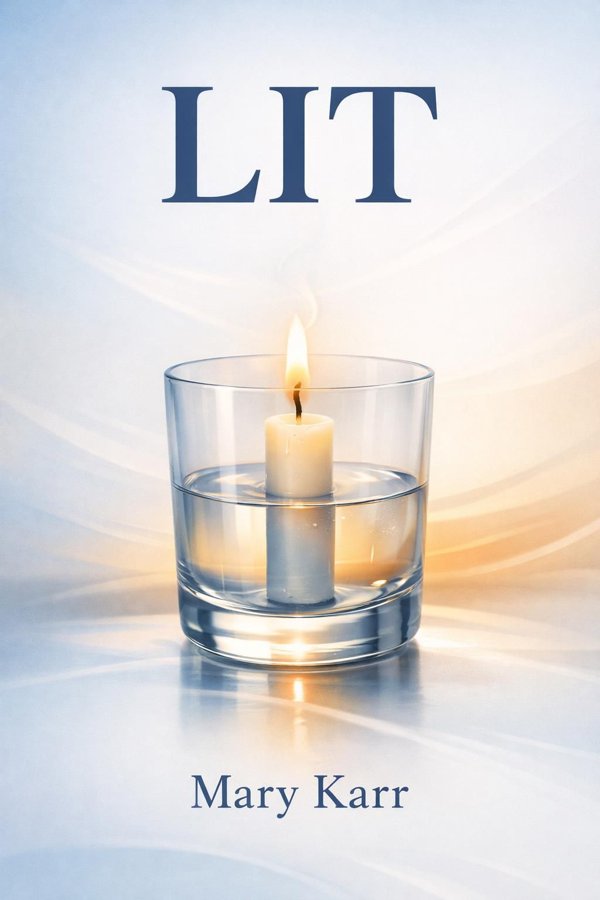
LIT: Summary & Key Insights
by Mary Karr
 10 min13 chaptersAudio available
What Is LIT About?
LIT by Mary Karr is a biographies book spanning 13 pages. Lit es una memoria escrita por Mary Karr que narra su lucha con el alcoholismo, su conversión espiritual y su proceso de redención personal. Es la tercera parte de su trilogía de memorias, después de The Liars' Club y Cherry, y explora con honestidad y humor la complejidad de la fe, la maternidad y la recuperación.
This FizzRead summary covers all 13 key chapters of LIT in approximately 10 minutes, distilling the most important ideas, arguments, and takeaways from Mary Karr's work. Also available as an audio summary and Key Quotes Podcast.
LIT
Lit es una memoria escrita por Mary Karr que narra su lucha con el alcoholismo, su conversión espiritual y su proceso de redención personal. Es la tercera parte de su trilogía de memorias, después de The Liars' Club y Cherry, y explora con honestidad y humor la complejidad de la fe, la maternidad y la recuperación.
Who Should Read LIT?
This book is perfect for anyone interested in biographies and looking to gain actionable insights in a short read. Whether you're a student, professional, or lifelong learner, the key ideas from LIT by Mary Karr will help you think differently.
- ✓Readers who enjoy biographies and want practical takeaways
- ✓Professionals looking to apply new ideas to their work and life
- ✓Anyone who wants the core insights of LIT in just 10 minutes
Want the full summary?
Get instant access to this book summary and 100K+ more with Fizz Moment.
Get Free SummaryAvailable on App Store • Free to download
Key Chapters
I remember the first time alcohol didn’t just soothe, but sing. It was as if the world—and my buzzing, anxious mind—softened. I was a young poet then, newly married, dazed by ambition and fear. The bottle became my companion in loneliness, my rehearsal for bravery. But beneath that shimmer of relief lurked the sickness of dependence, one I didn’t yet have a name for. In those early years, I thought drinking meant freedom—a way to dissolve the grim weight of self-awareness. Yet each glass was a quiet surrender. When I drank, I could talk, love, even write without trembling. Sobriety, in contrast, made me feel raw, too exposed to endure my own mind.
There was nothing glamorous about the decline. As my literary aspirations rose, my inner world frayed. The applause of achievement never filled the empty places; every success seemed to demand another pour. I thought alcohol made me brave—it only made me numb. What began as mild rebellion turned into ritual: mornings with hangovers, afternoons with excuses, nights with oblivion. The irony was cruel—I drank to feel alive; the more I drank, the less living I did.
No one becomes an alcoholic in isolation. My drinking was only a branch of a tree whose roots ran deep into Texas soil. My parents shaped the way I learned to endure pain—with denial, humor, and a shot of whiskey to chase it down. My mother, a woman as brilliant as she was broken, was haunted by her own battles. She painted, smoked, drank, and raged through life—raising me on wild tales and volatile love. My father spent his days in oil fields, his nights at bars, keeping his hurt locked behind stoicism. I carried both their legacies—the poet’s fire from my mother, the wounded silence from my father.
The dysfunction of our family didn’t feel like dysfunction then; it felt like home. Chaos was our native language. Later, when I tried to build a clean, sophisticated adult life far away from those dusty Texas roads, I discovered that you can’t outrun your inheritance. I had to come to terms with the fact that my drinking wasn’t simply rebellion—it was repetition. It was my way of replaying the drama I grew up with. Recovery, when it finally came, involved confronting those ghosts with compassion. Forgiving my mother meant forgiving my own capacity for ruin.
+ 11 more chapters — available in the FizzRead app
All Chapters in LIT
About the Author
Mary Karr es una escritora, poeta y ensayista estadounidense nacida en 1955. Es conocida por sus memorias autobiográficas que combinan una prosa lírica con una mirada aguda sobre la familia, la adicción y la espiritualidad. Ha sido profesora en la Universidad de Syracuse y es considerada una de las principales voces del género de la memoria contemporánea.
Get This Summary in Your Preferred Format
Read or listen to the LIT summary by Mary Karr anytime, anywhere. FizzRead offers multiple formats so you can learn on your terms — all free.
Available formats: App · Audio · PDF · EPUB — All included free with FizzRead
Download LIT PDF and EPUB Summary
Key Quotes from LIT
“I remember the first time alcohol didn’t just soothe, but sing.”
“No one becomes an alcoholic in isolation.”
Frequently Asked Questions about LIT
LIT by Mary Karr is a biographies book that explores key ideas across 13 chapters. Lit es una memoria escrita por Mary Karr que narra su lucha con el alcoholismo, su conversión espiritual y su proceso de redención personal. Es la tercera parte de su trilogía de memorias, después de The Liars' Club y Cherry, y explora con honestidad y humor la complejidad de la fe, la maternidad y la recuperación.
More by Mary Karr
You Might Also Like

An American Marriage
Tayari Jones
10 min
Benjamin Franklin: An American Life
Walter Isaacson
10 min
I Know Why The Caged Bird Sings
Maya Angelou
10 min
Long Walk to Freedom
Nelson Mandela
10 min
Persepolis
Marjane Satrapi
10 min
Surely You're Joking, Mr. Feynman!
Richard P. Feynman
10 minBrowse by Category
Ready to read LIT?
Get the full summary and 100K+ more books with Fizz Moment.