
Oprah's Book Club Favorites That Changed Millions of Lives
Oprah Winfrey's Book Club has launched countless bestsellers and changed millions of lives. Her picks focus on resilience, self-discovery, and the human spirit — stories that move you and ideas that transform how you see the world.
 10 min read
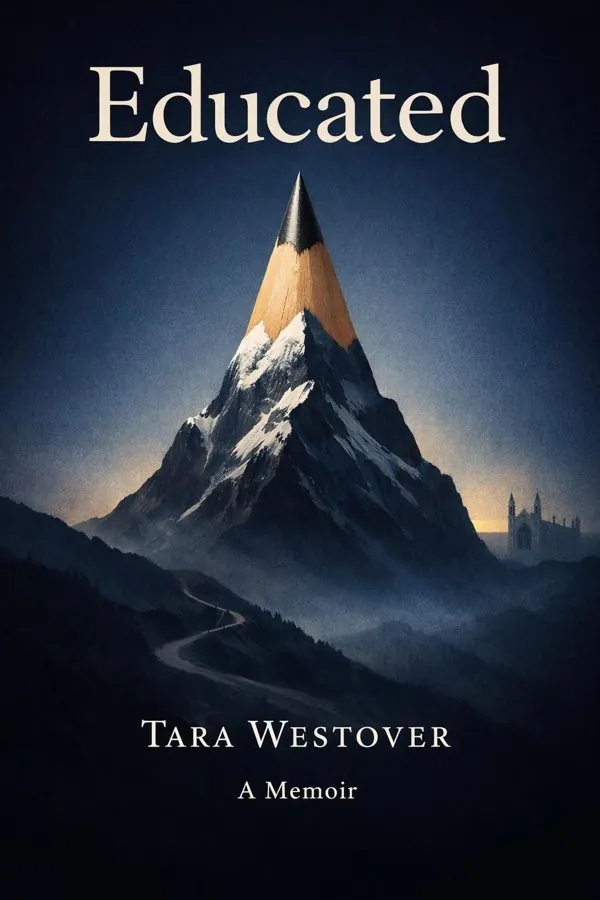
Educated
by Tara Westover
What does it mean to educate yourself when everything around you teaches you to stay small, silent, and obedient? In Educated, Tara Westover answers that question through one of the most striking memoirs of recent years. Her story begins in rural Idaho, in a survivalist Mormon household cut off from mainstream institutions, where hospitals, schools, and the government were treated as threats rather than supports. From that unlikely starting point, Westover eventually makes her way to Brigham Young University and later earns a doctorate in history from the University of Cambridge. What makes this memoir so powerful is that it is not simply a success story about academic achievement. It is a deeply human account of how knowledge changes a person from the inside out. Westover shows that education is not just the accumulation of facts; it is the painful, liberating process of learning to question the stories that shaped you. Her memoir matters because it speaks to anyone who has ever struggled to separate love from control, loyalty from self-betrayal, or family truth from personal truth. With honesty, emotional precision, and hard-won insight, Westover turns her life into a profound meditation on identity, memory, and the cost of becoming yourself.
Key Takeaways
- 1From the Mountain: Childhood and Isolation — Westover’s childhood at the foot of Buck’s Peak is the foundation of everything that follows. The mountain is more than …
- 2Work, Fear, and the Awakening of a Mind — In the junkyard, work becomes Westover’s first education in risk, hierarchy, and survival. She learns by doing, but what…
- 3Learning the World Beyond: From the Mountain to BYU — Westover’s move from her isolated upbringing to Brigham Young University marks one of the memoir’s most dramatic shifts.…
 10 min read
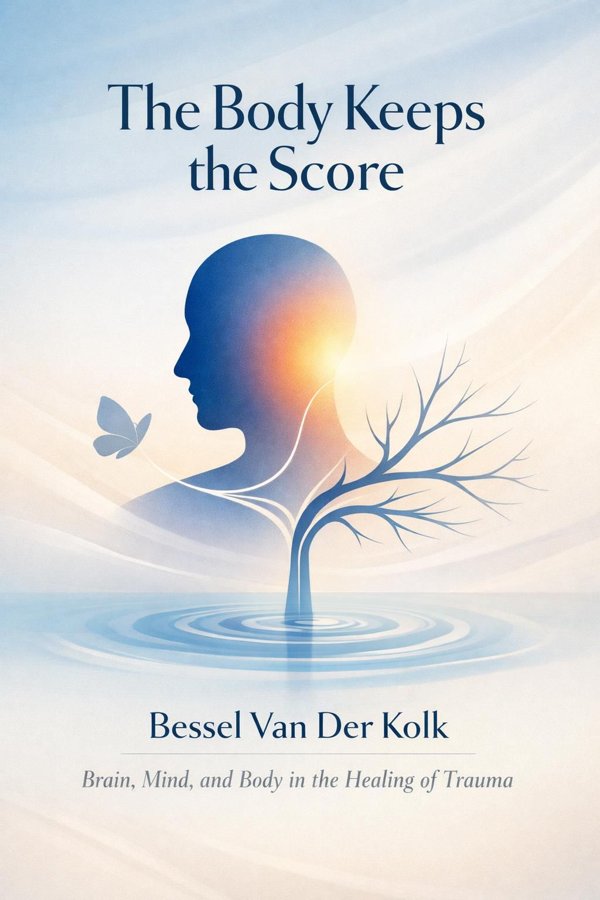
The Body Keeps the Score
by Bessel van der Kolk
What if trauma is not just something you remember, but something your body continues to live? That is the central, unforgettable insight of *The Body Keeps the Score*. In this influential psychology classic, Bessel van der Kolk explains why traumatic experiences do not simply fade with time or disappear through willpower. Instead, they can reshape the brain, dysregulate the nervous system, and alter how people feel, think, relate, and even move through everyday life. The result is often a life organized around survival rather than presence, trust, or joy. What makes this book so important is that it does more than describe trauma’s damage—it offers a hopeful, science-based map for recovery. Van der Kolk draws on decades of work as a psychiatrist, researcher, and educator, including his experience founding the Trauma Center in Brookline, Massachusetts. With clarity and compassion, he bridges neuroscience, clinical stories, and practical treatment approaches. For readers trying to understand PTSD, childhood abuse, chronic stress, or emotional dysregulation, this book provides both language and direction. It shows that healing is possible, but only when we address the body as seriously as we address the mind.
Key Takeaways
- 1Early Research on Trauma — One of the book’s most powerful contributions is its account of how trauma finally became visible to modern psychiatry. …
- 2The Brain in Trauma — Van der Kolk explains trauma through a clear neurological lens: trauma changes how the brain detects danger, stores memo…
- 3Body–Mind Connection — A central message of *The Body Keeps the Score* is that trauma is not just remembered intellectually—it is carried physi…
 10 min read
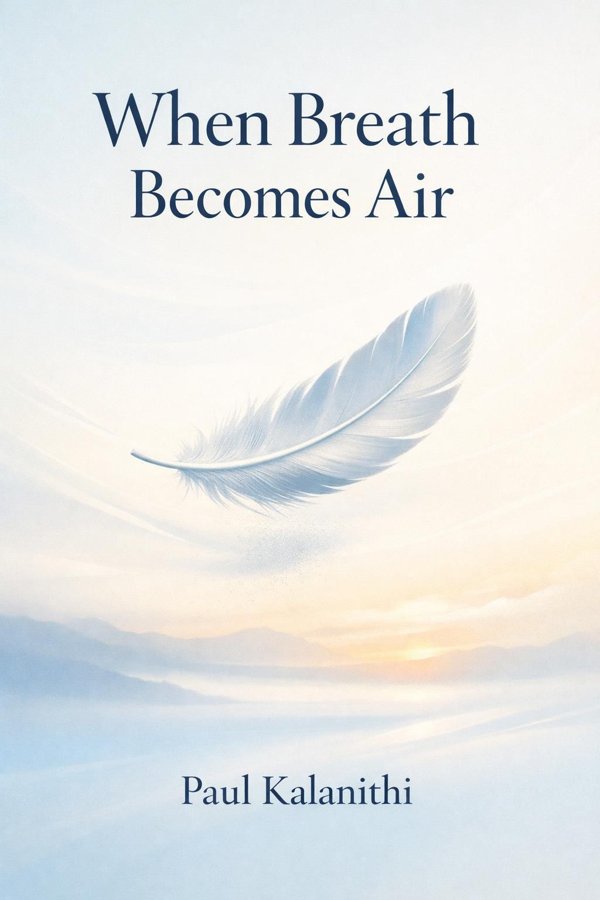
When Breath Becomes Air
by Paul Kalanithi
What do you do when the future you spent years building suddenly disappears? In *When Breath Becomes Air*, Paul Kalanithi confronts that question with unusual honesty, intelligence, and grace. This memoir is far more than a cancer narrative. It is a profound meditation on mortality, identity, purpose, and the fragile line between doctor and patient. As a neurosurgeon, Kalanithi devoted his life to operating on the organ that creates thought, memory, personality, and selfhood. As a writer and lifelong reader, he also understood that science alone cannot answer the deepest human questions. That rare combination gives this book its power. Kalanithi brings together medicine, philosophy, literature, and lived experience to ask what makes life meaningful when time is limited. His reflections resonate with anyone facing uncertainty, loss, ambition, or the search for a life worth living. Because he writes from both sides of the hospital bed, his insights feel especially hard-won. *When Breath Becomes Air* matters because it reminds us that death is not only a medical event. It is also a mirror, showing us how we choose to live.
Key Takeaways
- 1From the Arizona Desert to a Quest for Literature and Science — Kalanithi’s early life in the Arizona desert becomes the first lens through which he learns to think about vastness, sol…
- 2Cambridge Reflections: Consciousness and the Philosophy of Death — At Cambridge, Kalanithi deepens the intellectual search that had already shaped his life. He turns to the philosophy of …
- 3The Physician’s Calling: Contemplating Life and Death in the Operating Room — In medicine, and especially in neurosurgery, Kalanithi finds the place where his intellectual and moral questions become…
 10 min read
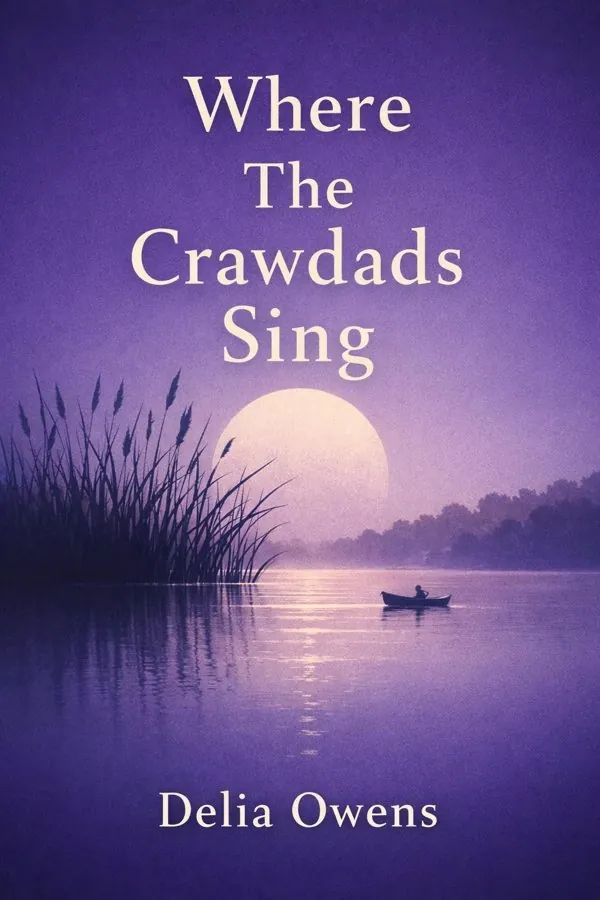
Where the Crawdads Sing
by Delia Owens
What makes a person who they are: the people who raise them, the place that shapes them, or the wounds they learn to survive? Where the Crawdads Sing answers that question through one of modern fiction’s most unforgettable heroines, Kya Clark, a girl abandoned by nearly everyone except the wild marsh she calls home. First published in 2018, Delia Owens’s bestselling novel blends coming-of-age drama, love story, courtroom suspense, and murder mystery into a deeply atmospheric reading experience. But what gives the book its lasting emotional power is its portrait of loneliness, prejudice, and the human need to belong. Set against the coastal wetlands of North Carolina, the novel asks readers to look beyond labels like “Marsh Girl” and see the full humanity of someone society has dismissed. Owens, an American author and zoologist, brings extraordinary sensory detail to the natural world, making the marsh feel as alive and important as any character in the story. That scientific eye, paired with an intimate emotional lens, gives the novel its signature strength. If you’re drawn to stories about resilience, nature, heartbreak, and hidden truths, this book offers all of that—and more.
Key Takeaways
- 1Kya’s Early Life and Family Abandonment — Kya Clark’s childhood is shaped by repeated abandonment, and the novel makes clear that this isn’t a single traumatic ev…
- 2Learning, Love, and the Pain of Absence — Tate Walker changes Kya’s life because he offers something no one else has consistently given her: patient recognition. …
- 3Chase Andrews and the Collision of Two Worlds — Chase Andrews represents a very different kind of relationship from Tate, and through him the novel explores what happen…
 10 min read
The Warmth of Other Suns
by Isabel Wilkerson
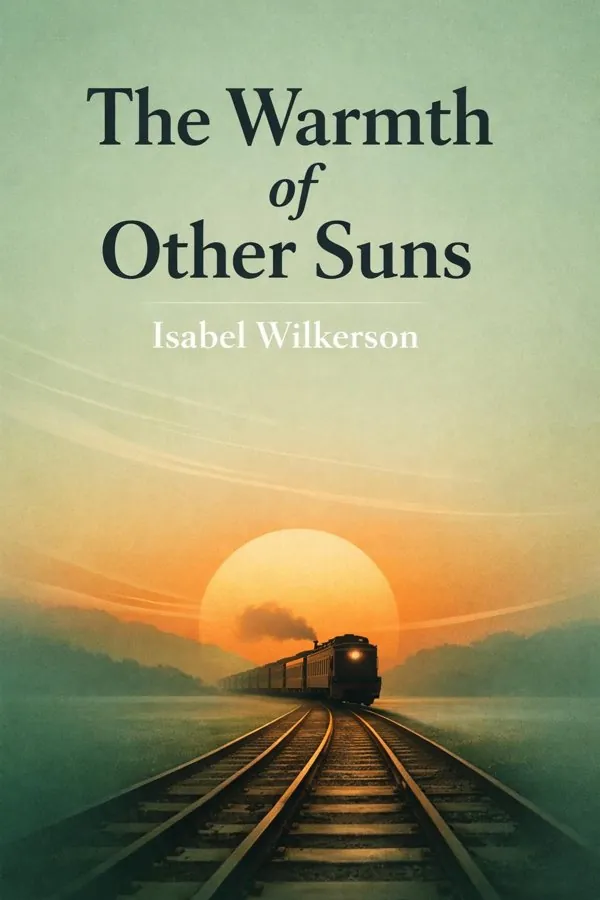
The Warmth of Other Suns tells the story of one of the largest internal migrations in American history: the movement of roughly six million Black Americans out of the Jim Crow South to the North, Midwest, and West between about 1915 and 1970. Rather than treating the Great Migration as an abstract demographic shift, Isabel Wilkerson makes it intimate and unforgettable by following the lives of three individuals—Ida Mae Gladney, George Starling, and Robert Foster—whose journeys reveal the fear, calculation, hope, and sacrifice behind this mass exodus. The book shows that migration was not simply about jobs or geography. It was about fleeing a rigid racial order that constrained where people could work, live, vote, travel, and dream. What makes this book matter so deeply is that it reframes modern American history. Wilkerson demonstrates that the Great Migration reshaped cities, politics, music, labor, family life, and the nation’s racial landscape. Her authority comes from years of reporting, archival research, oral histories, and narrative skill of the highest order. The result is both sweeping history and deeply human testimony—a work that helps readers understand not only where America has been, but why it looks the way it does today.
Key Takeaways
- 1A Migration Born from Survival — Some movements begin with ambition; this one began with the need to breathe freely. Wilkerson shows that the Great Migra…
- 2Ida Mae and Quiet Courage — History often celebrates loud heroes, but Wilkerson reminds us that endurance itself can be a form of bravery. Ida Mae G…
- 3George Starling and Stolen Possibility — Talent means little when a system is designed to waste it. George Starling’s life reveals how Jim Crow crushed ambition …
 10 min read
Daring Greatly
by Brené Brown
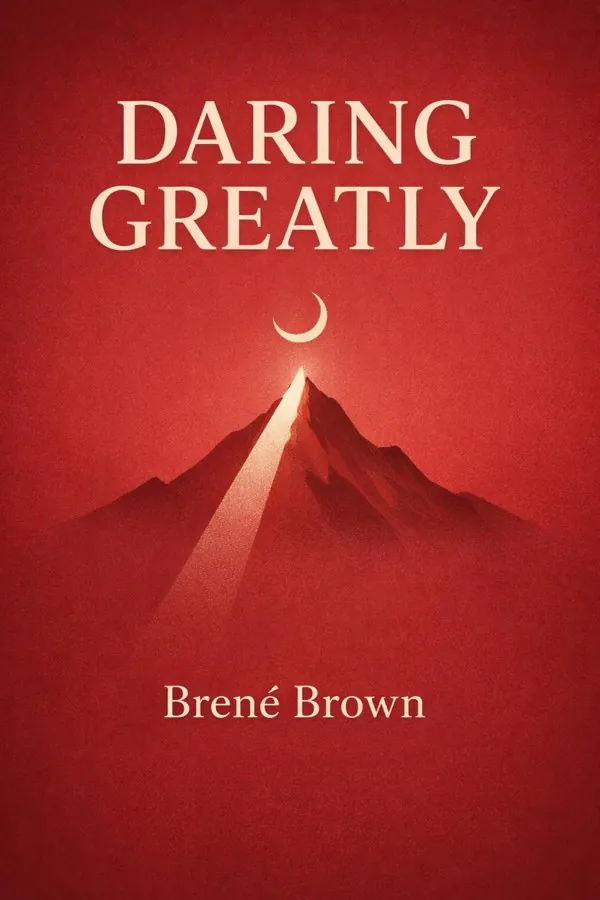
What if the qualities you’ve been taught to hide—uncertainty, emotion, risk, and the fear of being judged—are actually the gateway to a better life? In *Daring Greatly*, Brené Brown makes a bold and deeply practical case that vulnerability is not weakness but the foundation of courage, connection, creativity, and leadership. This idea matters because so many people spend their lives trying to appear composed, competent, and in control, only to feel disconnected, exhausted, and unseen. Brown’s research-driven approach cuts through self-help clichés and gives language to experiences many people have felt but struggled to name: shame, perfectionism, scarcity, and emotional armoring. As a research professor at the University of Houston known for her work on vulnerability, shame, courage, and empathy, Brown brings both credibility and compassion to the subject. *Daring Greatly* is important because it doesn’t simply ask readers to “open up.” It shows how vulnerability changes the way we love, parent, lead, create, and recover from failure. If you’ve ever wanted deeper relationships, more meaningful work, or the courage to show up as your real self, this book offers a powerful roadmap.
Key Takeaways
- 1The Vulnerability Myth — One of the book’s central arguments is that vulnerability has been misunderstood. Most people hear the word and think of…
- 2Understanding Shame — Brown makes a crucial distinction between shame and guilt. Guilt says, “I made a mistake,” while shame says, “I am a mis…
- 3The Arena Metaphor — Brown draws heavily on Theodore Roosevelt’s famous “Man in the Arena” passage to frame what it means to live courageousl…
 10 min read
A New Earth
by Eckhart Tolle
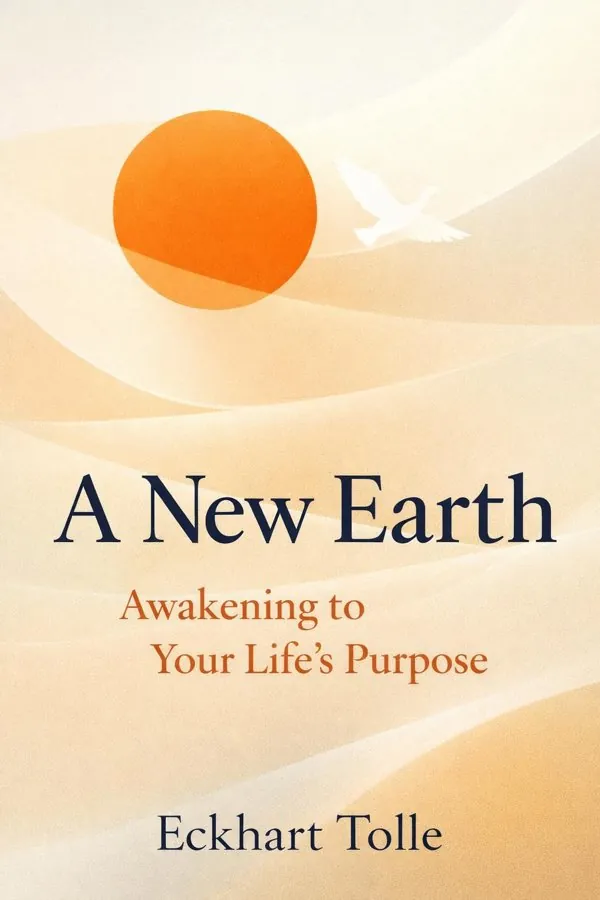
A New Earth is Eckhart Tolle’s bold and accessible exploration of what keeps human beings trapped in conflict, anxiety, and dissatisfaction—and what it would take to move beyond those patterns. At the center of the book is a simple but far-reaching claim: much of human suffering is created by the ego, the false sense of self built from thought, status, memory, and identification with form. Tolle argues that real transformation does not begin with changing the outer world alone, but with awakening to a deeper consciousness beneath compulsive thinking. What makes this book matter is its scope. It is both an intensely personal guide to inner peace and a sweeping diagnosis of humanity’s collective crises, from destructive relationships to social conflict and environmental imbalance. Tolle connects everyday emotional habits with the larger destiny of the planet, suggesting that inner awakening is not a luxury but an evolutionary necessity. Tolle writes with the authority of a teacher whose work has helped millions rethink their relationship to thought, presence, and identity. Following the impact of The Power of Now, A New Earth expands his message into a practical vision for personal and collective awakening.
Key Takeaways
- 1The Flowering of Human Consciousness — Human beings may be more technologically advanced than ever, yet inwardly many still live in confusion, fear, and confli…
- 2Ego: The False Self We Defend — Much of what people call “me” is actually a story they are constantly trying to maintain. Tolle’s central insight is tha…
- 3The Pain-Body Feeds on Unconscious Emotion — Some emotional reactions feel larger than the immediate moment because they are. Tolle introduces the “pain-body” as an …
 10 min read
The Road
by Cormac McCarthy
What remains of humanity when nearly everything that made civilization possible has been burned away? In The Road, Cormac McCarthy offers a stark, unforgettable answer through the journey of a father and son moving through a ruined landscape after an unnamed apocalypse. Their world is cold, ash-covered, lawless, and stripped of comforts, yet the novel is far more than a survival story. It is a psychological study of fear, grief, attachment, moral endurance, and the fragile persistence of hope. McCarthy examines what happens to the mind when the future collapses, and what keeps people going when meaning seems almost impossible to sustain. At the heart of the book is the bond between parent and child: protective, tender, exhausting, and morally demanding. McCarthy, one of America’s most acclaimed novelists, is known for his spare style, philosophical depth, and unsentimental treatment of violence and human nature. In The Road, he combines literary intensity with emotional clarity, creating a novel that asks one of the most urgent questions in psychology and ethics alike: how do we stay human when the world no longer supports humanity?
Key Takeaways
- 1Love as a Last Moral Shelter — When the world loses its structure, love becomes more than an emotion; it becomes a discipline of protection, meaning, a…
- 2Discipline Keeps Despair From Taking Over — In extreme conditions, survival depends less on inspiration than on routine. One of the most psychologically realistic f…
- 3Fear Distorts and Protects the Mind — Fear is not merely an emotion in The Road; it is an atmosphere. The father lives in a state of hypervigilance, constantl…
 10 min read
Beloved
by Toni Morrison
What does freedom mean when the past refuses to stay buried? In Beloved, Toni Morrison answers that question with one of the most powerful novels in American literature. Set after the Civil War, the story follows Sethe, an escaped enslaved woman living at 124 Bluestone Road with her daughter Denver, in a house haunted by the spirit of the child she lost. When a mysterious young woman named Beloved appears, the family is forced to confront memories too painful to name and too deep to escape. Morrison transforms history into living emotional experience, showing how slavery scars not only bodies but memory, motherhood, intimacy, language, and community. This is not simply a historical novel; it is an inquiry into what trauma does to the self and how healing requires witness, love, and collective reckoning. Morrison writes with unmatched poetic force and moral clarity. Awarded the Pulitzer Prize and later central to her Nobel-winning legacy, Beloved endures because it makes history intimate and unforgettable. It asks readers not just to remember the past, but to feel its afterlife in the present.
Key Takeaways
- 1124 Bluestone Road and Living Hauntings — Some homes do not shelter pain; they preserve it. Morrison opens Beloved with a house that is already a character: 124 B…
- 2Paul D Returns with Buried Memory — The past often reenters our lives through people who remember who we were before we learned to survive. Paul D’s arrival…
- 3Beloved as Memory Made Flesh — Some memories are so powerful they seem to step into the room. When the young woman called Beloved appears near 124, Mor…
Want the full summary?
Get instant access to this book summary and 100K+ more with Fizz Moment.
Get Free SummaryAvailable on App Store • Free to download
About This List
Oprah Winfrey's Book Club has launched countless bestsellers and changed millions of lives. Her picks focus on resilience, self-discovery, and the human spirit — stories that move you and ideas that transform how you see the world.
This list features 9 carefully selected books. With FizzRead, you can read AI-powered summaries of each book in just 15 minutes. Get the key takeaways and start applying the insights immediately.
Ready to start reading?
Get instant access to all 9 book summaries and 100K+ more with FizzRead.