
Books for Introverts — Quiet Strength & Inner Power
In a world that rewards extroversion, these books celebrate the power of quiet. Learn how introverts can thrive in work, relationships, and life.
 10 min read
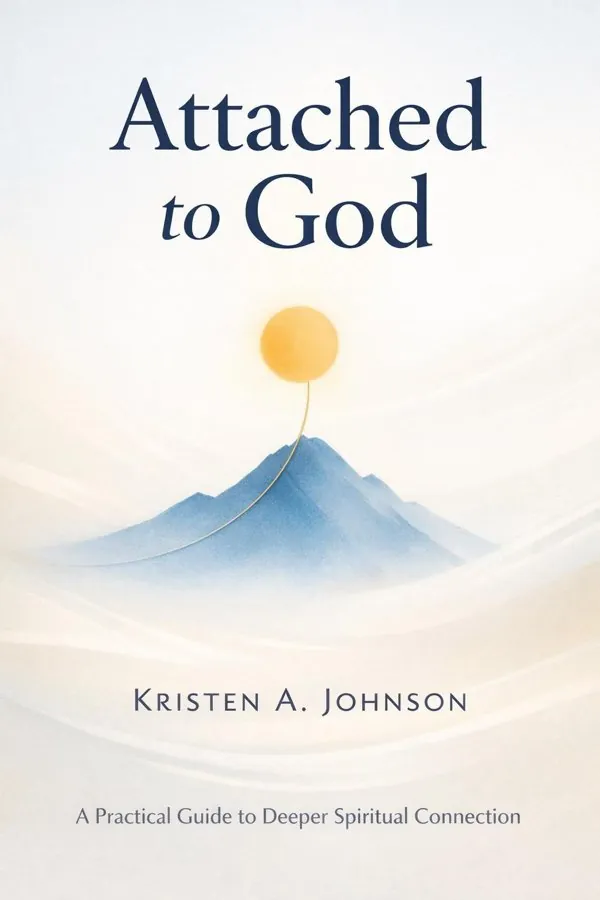
Attached to God: A Practical Guide to Deeper Spiritual Connection
by Kristen A. Johnson
Attached to God explores how attachment theory can deepen one’s relationship with the divine. Drawing from psychology and theology, Johnson helps readers understand how their early relational patterns influence their spiritual life and offers practical exercises to foster a secure attachment to God.
Key Takeaways
- 1Understanding Attachment and Its Spiritual Implications — To begin, we must understand what attachment means. It is more than just a psychological theory—it describes how we emot…
- 2Secure Attachment: The Foundation of Trust and Intimacy with God — What does a secure attachment to God look like? It is not the absence of struggle but the presence of safety within it. …
- 3Healing Insecure Attachment: Recognizing and Transforming Spiritual Barriers
 10 min read
Bad Therapy: Why The Kids Aren’t Growing Up
by Abigail Shrier
In 'Bad Therapy', investigative journalist Abigail Shrier examines how the modern mental health industry, particularly therapy for children and adolescents, may be exacerbating rather than alleviating emotional distress. Drawing on interviews with clinicians, parents, and young people, Shrier argues that overdiagnosis, excessive therapeutic intervention, and the cultural obsession with emotional safety have contributed to a generation struggling with resilience and maturity.
Key Takeaways
- 1Historical Context — To understand where we are, I had to look back to where it all began. The rise of child and adolescent therapy did not o…
- 2The Therapeutic Explosion — In my conversations with school counselors and pediatricians, a striking pattern emerged: therapy had become ubiquitous,…
- 3Overdiagnosis and Labeling
 10 min read
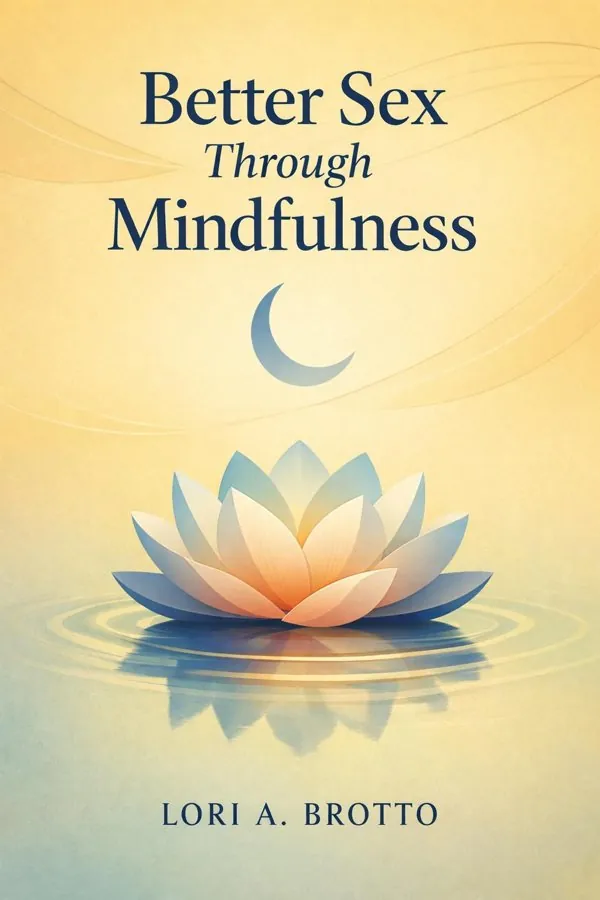
Better Sex Through Mindfulness: How Women Can Cultivate Desire
by Lori A. Brotto
Many women struggle with a quiet but painful question: why does sexual desire feel unreliable, distant, or absent even in loving relationships? In Better Sex Through Mindfulness, clinical psychologist Lori A. Brotto offers a compassionate, research-driven answer. Rather than treating low desire as a simple hormone problem or personal failure, she shows that attention, stress, self-judgment, trauma history, relationship dynamics, and cultural conditioning all shape erotic experience. Her core argument is both practical and hopeful: by learning mindfulness, women can reconnect with their bodies, reduce distracting thoughts, and create the conditions in which desire is more likely to emerge. What makes this book especially valuable is Brotto’s rare combination of scientific rigor and clinical warmth. As a leading researcher in women’s sexual health, she draws on studies, therapeutic experience, and real-world exercises to explain how mindfulness can improve arousal, pleasure, and intimacy. This is not a book of gimmicks or unrealistic promises. It is a grounded guide for women who want to understand their sexuality more deeply, heal disconnection, and build a more satisfying relationship with desire.
Key Takeaways
- 1Understanding Desire as Responsive, Not Broken — One of the most liberating ideas in the book is that sexual desire is often misunderstood. Many women assume desire shou…
- 2Mindfulness Changes How Attention Shapes Arousal — A distracted mind can quietly shut down an otherwise healthy sexual response. Brotto explains that mindfulness matters b…
- 3Body Awareness Rebuilds Erotic Connection — Many sexual difficulties begin with a split between mind and body. Brotto shows that women often live so much in thought…
 10 min read
Beyond Anxiety
by Frank Tallis
Beyond Anxiety is a psychological exploration of anxiety disorders and their treatment, written by clinical psychologist Frank Tallis. The book examines the nature of anxiety, its evolutionary roots, and therapeutic approaches to managing it, blending scientific insight with case studies from clinical practice.
Key Takeaways
- 1The Nature and History of Anxiety: From Survival to the Modern Age — Anxiety, in its essence, is a vital signal. Long before modern psychology named it, anxiety served as a sophisticated me…
- 2When Normal Anxiety Becomes Pathology — A crucial task in clinical practice is distinguishing between normal and pathological anxiety. Everyone experiences tens…
- 3Inside the Anxious Mind: Physiology, Cognition, and Obsession
 10 min read
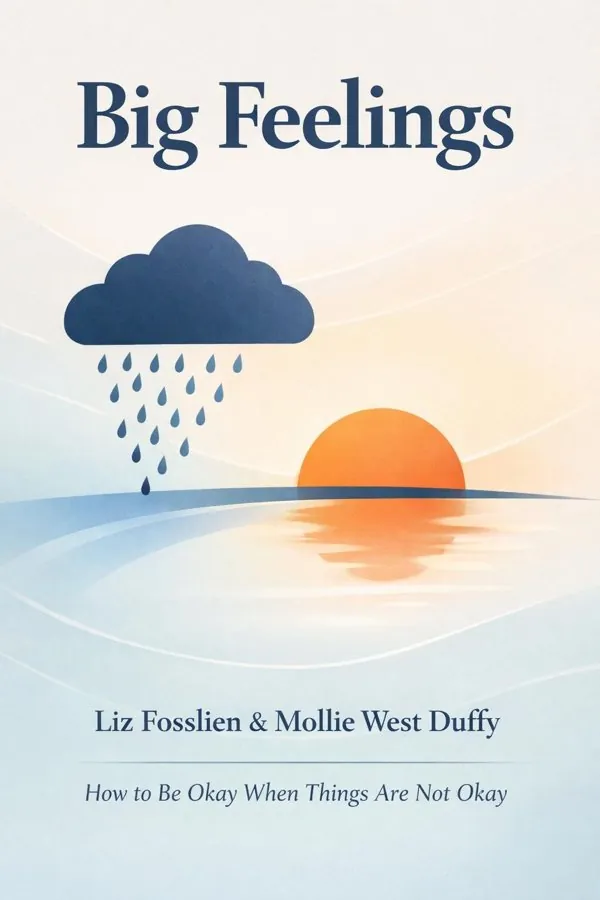
Big Feelings: How to Be Okay When Things Are Not Okay
by Liz Fosslien, Mollie West Duffy
Big Feelings: How to Be Okay When Things Are Not Okay is a practical, deeply reassuring guide to navigating the emotions that can derail daily life: uncertainty, comparison, burnout, perfectionism, despair, and anger. Instead of offering vague encouragement to “stay positive,” Liz Fosslien and Mollie West Duffy explain why difficult emotions are normal, informative, and manageable when we learn how to work with them rather than suppress them. The book combines behavioral science, psychology research, workplace insight, personal stories, and Fosslien’s signature illustrations to make emotional intelligence feel useful instead of abstract. What makes this book especially relevant is its honesty. It recognizes that many people are trying to function in demanding jobs, complicated relationships, and unstable times while carrying emotional weight they cannot simply think away. Fosslien and West Duffy write with credibility: both have studied emotions in professional settings and built careers translating research into accessible tools for real life. Their central promise is not constant happiness. It is something more realistic and more valuable: the ability to survive hard moments with more self-awareness, more compassion, and better strategies. For anyone feeling overwhelmed, stuck, or emotionally exhausted, this book offers language, perspective, and practical relief.
Key Takeaways
- 1Big emotions are signals, not failures — A difficult emotion often feels like proof that something is wrong with you, when it is more often evidence that somethi…
- 2The story you tell shapes suffering — Two people can live through the same event and emerge with very different emotional outcomes because meaning matters as …
- 3Uncertainty becomes easier when made concrete — Vague fear expands in the absence of clarity. One reason uncertainty is so emotionally exhausting is that the mind hates…
 10 min read
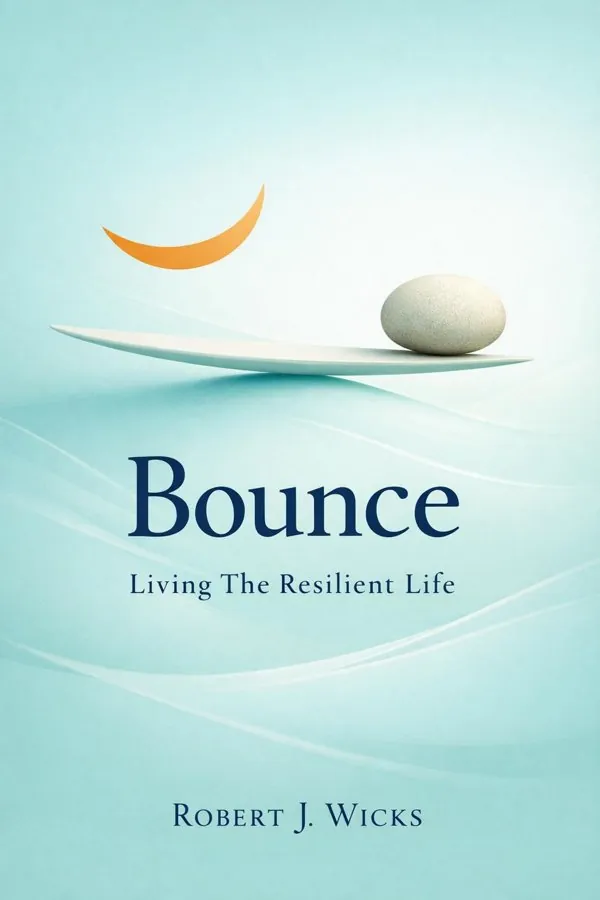
Bounce: Living The Resilient Life
by Robert J. Wicks
Bounce: Living The Resilient Life is a thoughtful guide to staying grounded, humane, and emotionally healthy in a world that often feels exhausting. Robert J. Wicks argues that resilience is not simply the ability to endure hardship or "tough it out." Instead, it is a disciplined way of living that combines self-awareness, emotional honesty, perspective, compassion, and renewal. The book speaks directly to people who feel stretched by work, relationships, caregiving, uncertainty, or the steady pressure of modern life. Rather than offering quick fixes, Wicks shows how resilience grows through habits of reflection, balance, humility, gratitude, and connection. What makes this book especially valuable is the author’s authority. Wicks is a clinical psychologist who has spent decades working with caregivers, counselors, educators, and others exposed to stress and suffering. He also draws on spiritual insight without becoming abstract or preachy. The result is a practical and deeply humane book that helps readers recognize burnout before it takes over, recover perspective when life narrows, and build an inner life strong enough to meet adversity with steadiness, wisdom, and hope.
Key Takeaways
- 1Understanding the Real Sources of Stress — Stress becomes most dangerous when it is unnamed. One of Wicks’s most important insights is that resilience begins with …
- 2What Resilient People Do Differently — Resilient people are not immune to pain; they simply relate to it more wisely. Wicks rejects the myth that emotionally s…
- 3Self-Awareness Is the Ground of Strength — You cannot protect an inner life you do not examine. Wicks places self-awareness at the center of resilience because peo…
 10 min read
Boundaries: When to Say Yes, When to Say No, to Take Control of Your Life
by Henry Cloud, John Townsend
In this influential self-help book, Dr. Henry Cloud and Dr. John Townsend provide biblically grounded psychological guidance on how to set and maintain healthy personal boundaries. They explain how to say 'yes' and 'no' appropriately, take responsibility for one’s own life, and avoid being controlled or manipulated by others. The book integrates Christian principles with practical psychology to help readers achieve emotional freedom and healthier relationships.
Key Takeaways
- 1Understanding Boundaries — People often mistake boundaries for selfishness. We hear phrases like, 'That’s not very Christian,' when we say no, or w…
- 2The Ten Laws of Boundaries — In our work with clients, we noticed that healthy boundaries follow certain consistent laws, which mirror both psycholog…
- 3Common Boundary Problems
 10 min read
Boundary Boss: The Essential Guide to Talk True, Be Seen, and (Finally) Live Free
by Terri Cole
Boundary Boss is a practical self-help guide that empowers readers, especially women, to establish and maintain healthy boundaries in their personal and professional lives. Drawing from her experience as a psychotherapist and coach, Terri Cole provides actionable tools to help readers communicate assertively, overcome people-pleasing habits, and reclaim their personal power. The book blends psychological insight with real-life strategies to foster emotional freedom and authentic relationships.
Key Takeaways
- 1Understanding Boundary Issues — Before we can transform our boundaries, we need to understand what they are and why they matter. Boundaries are not abst…
- 2The Boundary Blueprint — Every person has a Boundary Blueprint—a subconscious chart shaped by early family dynamics and cultural expectations. Fr…
- 3Identifying Boundary Blocks
 10 min read
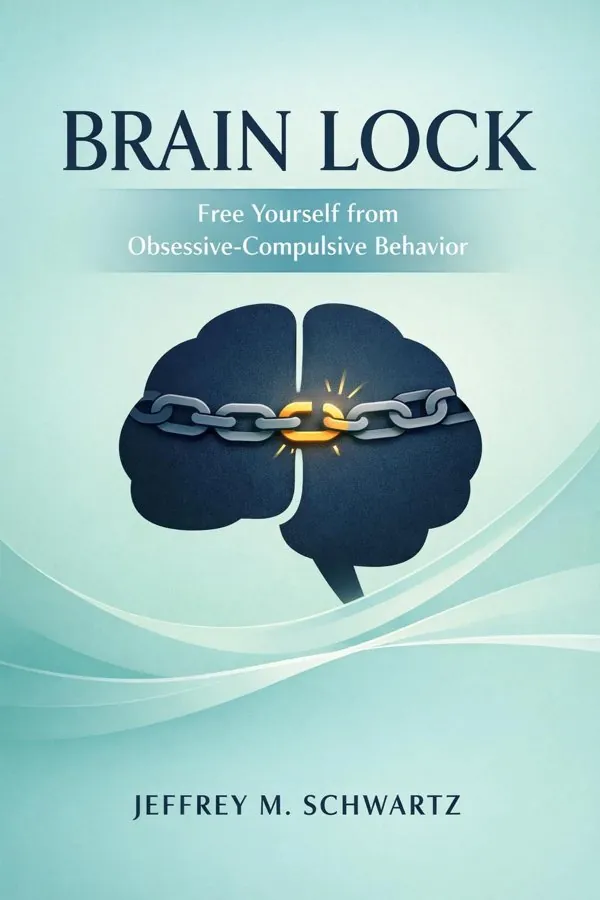
Brain Lock: Free Yourself from Obsessive-Compulsive Behavior
by Jeffrey M. Schwartz
Brain Lock is a groundbreaking self-help book that presents a four-step method for overcoming obsessive-compulsive disorder (OCD) without medication. Drawing on clinical research and patient case studies, Dr. Jeffrey M. Schwartz explains how individuals can use mindfulness and cognitive techniques to rewire their brain’s response to obsessive thoughts and compulsive behaviors. The book empowers readers to recognize OCD as a brain malfunction rather than a personal failing, offering practical tools to regain control and live more freely.
Key Takeaways
- 1Understanding OCD and the Brain Lock Phenomenon — When I describe OCD, I emphasize that it isn't simply about cleanliness or checking behaviors — it's about being trapped…
- 2The Four-Step Method: Training Your Mind to Rewire the Brain — The essence of overcoming OCD lies in learning new mental habits that change the neural circuitry responsible for obsess…
- 3Neuroplasticity and Real-Life Recovery
 10 min read
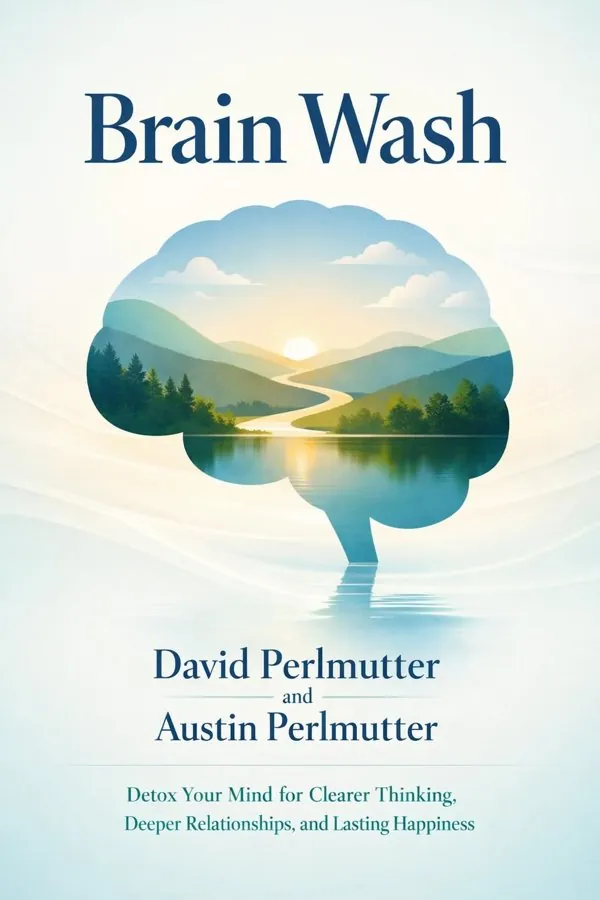
Brain Wash: Detox Your Mind for Clearer Thinking, Deeper Relationships, and Lasting Happiness
by David Perlmutter, Austin Perlmutter
Brain Wash es una guía práctica que explora cómo la cultura moderna y la sobreexposición digital pueden alterar el funcionamiento del cerebro y afectar la salud mental y física. Los autores, el neurólogo David Perlmutter y el médico Austin Perlmutter, presentan un programa de diez días que combina estrategias de alimentación, sueño, ejercicio y conexión social para restaurar la claridad mental, mejorar las relaciones y promover una vida más significativa.
Key Takeaways
- 1The Science of Disconnection — The first concept we need to face is how profoundly disconnection reshapes our brains. The prefrontal cortex—sometimes c…
- 2The Role of Inflammation — Few people realize how deeply physical inflammation influences mental health. When I first began researching the gut-bra…
- 3The Dopamine Trap
 10 min read
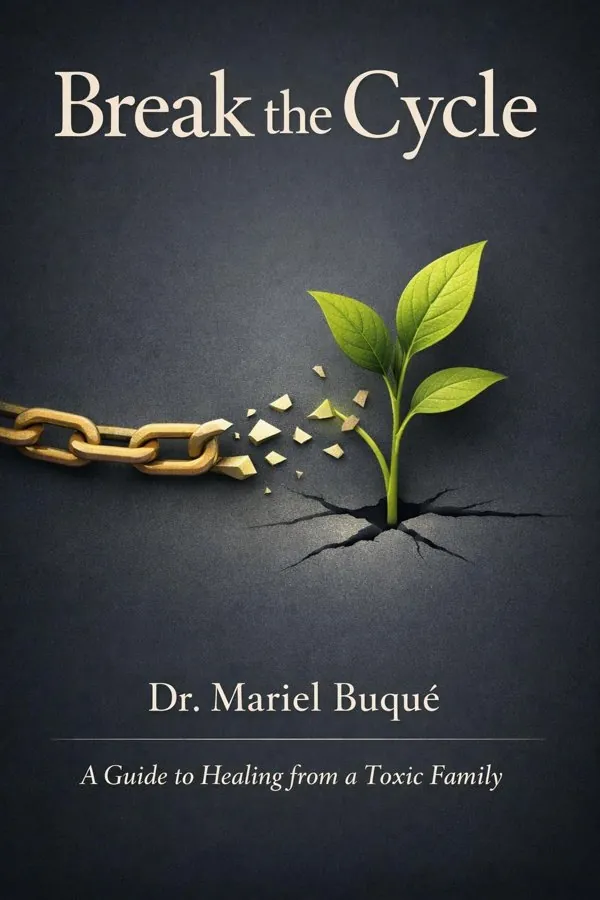
Break the Cycle: A Guide to Healing from a Toxic Family
by Dr. Mariel Buqué
Some of the pain we carry did not begin with us. In Break the Cycle, Dr. Mariel Buqué argues that many of our deepest emotional struggles—chronic shame, relationship instability, people-pleasing, emotional numbness, and constant hypervigilance—are shaped not only by personal experience, but by trauma passed down through families and reinforced by culture. This book shows that healing is not just about understanding what happened in your childhood. It is about recognizing inherited patterns, calming the body that has learned to live in survival mode, and choosing new ways of relating to yourself and others. Buqué writes with the authority of a clinical psychologist who specializes in intergenerational trauma, while also bringing a warm, culturally sensitive, holistic perspective to mental health. Drawing from psychology, neuroscience, attachment theory, and ancestral wisdom, she offers both explanation and practical guidance. The result is a compassionate roadmap for anyone trying to make sense of a painful family history without being defined by it. Break the Cycle matters because it names a truth many people feel but cannot yet articulate: healing yourself can also become an act of healing generations.
Key Takeaways
- 1Understanding Inherited Pain Across Generations — Many people assume their emotional patterns belong only to them, but some wounds arrive long before we have words for th…
- 2Mapping the Family System Clearly — What feels like a private struggle is often part of a larger family design. Buqué uses a family systems lens to show tha…
- 3The Body Remembers What The Mind Buries — Healing does not happen through insight alone, because trauma is not stored only as a story. Buqué emphasizes that the b…
 10 min read
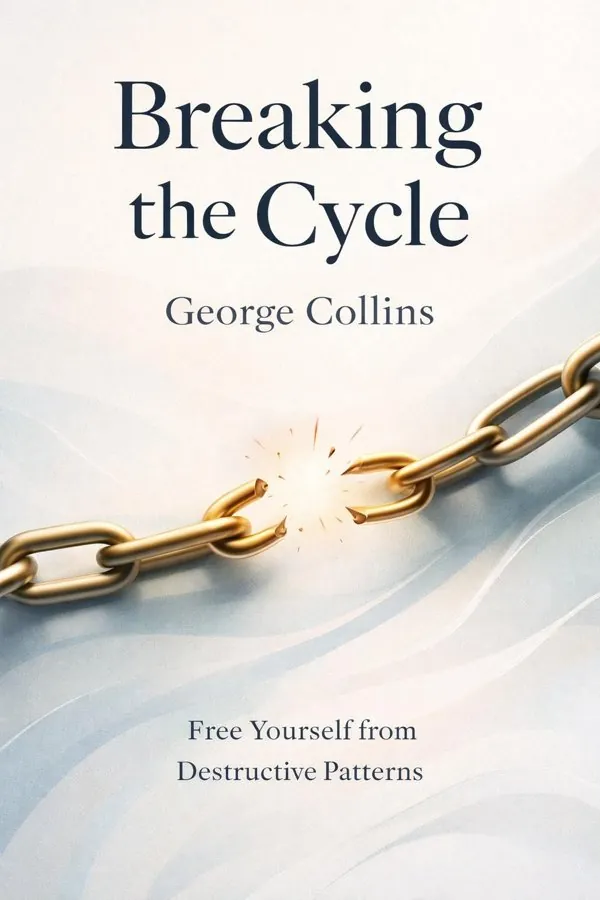
Breaking the Cycle: Free Yourself from Destructive Patterns
by George Collins
Breaking the Cycle: Free Yourself from Destructive Patterns is a practical and compassionate guide to understanding why people repeat behaviors that harm their health, relationships, and sense of self. Drawing especially on the dynamics of compulsive sexual behavior, therapist George Collins shows that addiction is rarely just about pleasure or lack of willpower. More often, it is an attempt to regulate pain, escape loneliness, soothe anxiety, or avoid unresolved emotional wounds. The book helps readers identify the triggers, beliefs, and routines that keep destructive habits alive, then offers concrete ways to interrupt them. What makes this book valuable is its blend of personal honesty and clinical insight. Collins writes not only as a licensed therapist, but as someone who understands the shame, secrecy, and confusion that often surround compulsive behavior. His approach is neither moralizing nor abstract. Instead, he emphasizes awareness, accountability, emotional maturity, and support. For anyone who feels trapped in recurring patterns—whether related to sex, pornography, relationships, or other self-defeating habits—this book offers a hopeful message: real change begins when we understand the cycle clearly enough to break it deliberately.
Key Takeaways
- 1Understanding the Nature of Compulsion — One of the most dangerous myths about destructive behavior is that it is simply a matter of weak character. Collins chal…
- 2The Addiction Cycle Has Predictable Stages — Destructive patterns feel chaotic from the inside, but Collins argues that they usually follow a recognizable sequence. …
- 3Emotional Triggers Reveal Deeper Beliefs — People rarely act out because of the trigger alone. They act out because the trigger touches something deeper. Collins e…
 10 min read
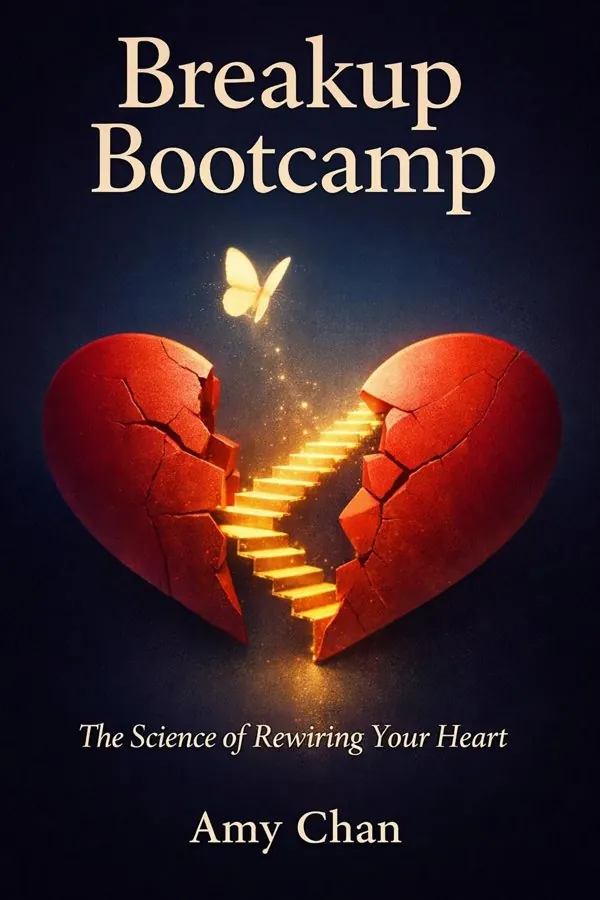
Breakup Bootcamp: The Science of Rewiring Your Heart
by Amy Chan
Breakup Bootcamp: The Science of Rewiring Your Heart es un libro de autoayuda que combina psicología, neurociencia y experiencias personales para ayudar a las personas a sanar después de una ruptura amorosa. Amy Chan, fundadora del programa Renew Breakup Bootcamp, ofrece herramientas prácticas y ejercicios para transformar el dolor emocional en crecimiento personal, abordando patrones de apego, creencias limitantes y dinámicas de relación.
Key Takeaways
- 1Understanding attachment styles and how early experiences shape relationship patterns — Every love story begins long before you meet your partner. It begins in the cradle, in the way your caregivers responded…
- 2Identifying recurring relationship dynamics and self-sabotaging behaviors — The most painful part of heartbreak often isn’t the breakup itself—it’s realizing that you’ve been living the same emoti…
- 3Exploring the science of love, addiction, and the brain’s response to loss
 10 min read
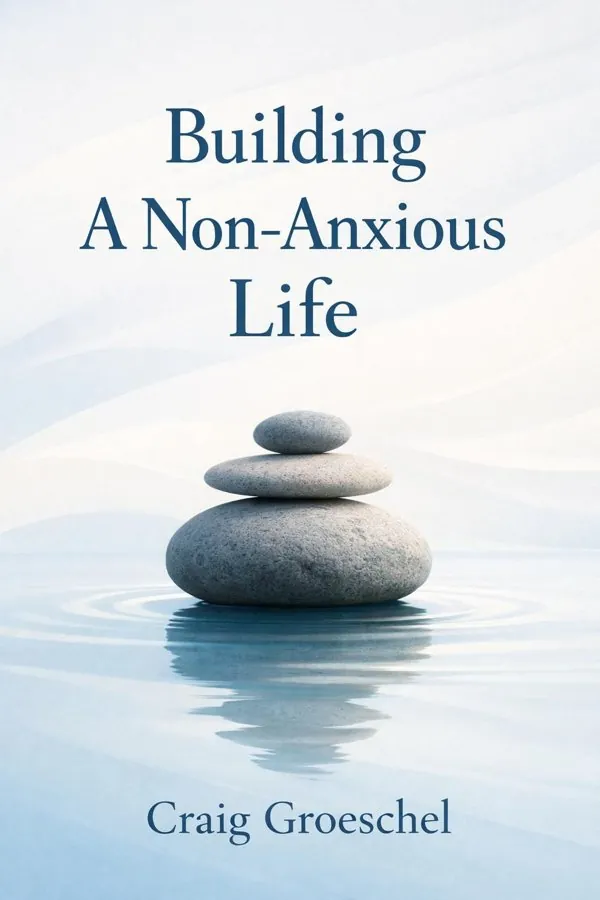
Building A Non-Anxious Life
by Craig Groeschel
In Building A Non-Anxious Life, Craig Groeschel tackles one of the defining struggles of modern life: the persistent, exhausting hum of anxiety that follows people through work, relationships, parenting, decision-making, and even moments that are supposed to feel restful. Rather than offering shallow positivity or a one-size-fits-all cure, Groeschel presents a deeply practical framework for becoming emotionally steady in an unstable world. His central idea is simple but powerful: peace is not something we stumble into by accident; it is something we build through intentional choices. Drawing on Scripture, pastoral experience, leadership wisdom, and relatable personal stories, Groeschel explores six foundational decisions that help readers move from fear-driven living to trust-filled living. He shows how anxiety often grows where control, isolation, negativity, and purposelessness dominate, and how trust, prayer, gratitude, community, purpose, and hope create a different kind of inner life. As the founding pastor of Life.Church and a widely respected teacher on leadership and spiritual growth, Groeschel brings both authority and empathy to the subject. This book matters because it speaks directly to people who feel overwhelmed yet still long for peace, resilience, and a life anchored in something deeper than circumstances.
Key Takeaways
- 1Anxiety Thrives in a Hyperconnected World — One of the book’s most important insights is that anxiety is no longer an occasional disruption for many people; it has …
- 2Build with Trust, Not Control — At the heart of much anxiety lies a painful reality: we desperately want control over things we cannot control. Groesche…
- 3Prayer Reorders the Anxious Mind — A powerful theme in the book is that prayer is not merely a religious duty; it is a way of retraining the mind and redir…
 10 min read
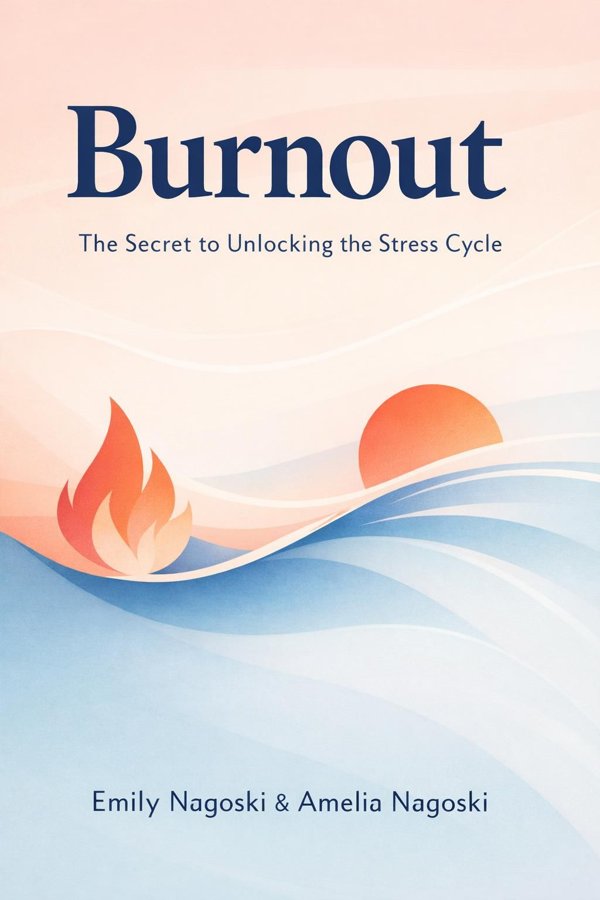
Burnout: The Secret to Unlocking the Stress Cycle
by Emily Nagoski, Amelia Nagoski
Burnout: The Secret to Unlocking the Stress Cycle es un libro de no ficción que explora cómo las mujeres pueden manejar el estrés y prevenir el agotamiento emocional. Las autoras, Emily y Amelia Nagoski, combinan investigaciones científicas con consejos prácticos para ayudar a las lectoras a comprender el ciclo del estrés, cómo completarlo y cómo cuidar su bienestar físico y emocional. El libro ofrece estrategias para reconocer las señales del agotamiento, establecer límites saludables y cultivar la resiliencia.
Key Takeaways
- 1The Stress Cycle: Completing What Your Body Started — Let’s start where burnout begins: in your body. Stress is not a villain—it’s a physiological reaction designed to keep y…
- 2Human Giver Syndrome: The Cultural Trap — Science explains the stress cycle—but culture explains why so many women never get to complete it. We live in a world th…
- 3Connection, Rest, and the Redefinition of Strength
Want the full summary?
Get instant access to this book summary and 100K+ more with Fizz Moment.
Get Free SummaryAvailable on App Store • Free to download
About This List
In a world that rewards extroversion, these books celebrate the power of quiet. Learn how introverts can thrive in work, relationships, and life.
This list features 15 carefully selected books. With FizzRead, you can read AI-powered summaries of each book in just 15 minutes. Get the key takeaways and start applying the insights immediately.
Ready to start reading?
Get instant access to all 15 book summaries and 100K+ more with FizzRead.