

Ignite Me: Summary & Key Insights
by Tahereh Mafi
 10 min9 chaptersAudio available
Key Takeaways from Ignite Me
Sometimes the most important turning points begin not with victory, but with collapse.
Emotional truth often arrives through conflict, not comfort.
Leadership begins the moment someone stops waiting for permission to matter.
The most dangerous labels are the ones we begin to believe about ourselves.
What we want changes when we finally understand what is true.
What Is Ignite Me About?
Ignite Me by Tahereh Mafi is a bestsellers book spanning 3 pages. Tahereh Mafi’s Ignite Me is the explosive third installment in the bestselling Shatter Me series, a young adult dystopian saga that fuses high-stakes rebellion, emotional intensity, and lyrical prose. Picking up after devastating betrayal and near-death, the novel follows Juliette Ferrars as she recovers physically and emotionally while the world around her shifts toward open war. What begins as a story of survival quickly becomes a story of self-definition: Juliette must decide whether she will continue to let fear, guilt, and other people’s expectations control her, or whether she will step into her own power. What makes Ignite Me matter is that it is not only about defeating an oppressive regime. It is about reclaiming identity after trauma, learning to trust hard truths, and understanding that strength is not the absence of vulnerability. Mafi brings unusual authority to this emotional terrain through her signature style—poetic, fragmented, intimate, and psychologically charged—capturing the turmoil of a heroine learning to rewrite her own story. For readers drawn to dystopian fiction with romance, character transformation, and moral tension, Ignite Me delivers a fierce and unforgettable turning point.
This FizzRead summary covers all 9 key chapters of Ignite Me in approximately 10 minutes, distilling the most important ideas, arguments, and takeaways from Tahereh Mafi's work. Also available as an audio summary and Key Quotes Podcast.
Ignite Me
Tahereh Mafi’s Ignite Me is the explosive third installment in the bestselling Shatter Me series, a young adult dystopian saga that fuses high-stakes rebellion, emotional intensity, and lyrical prose. Picking up after devastating betrayal and near-death, the novel follows Juliette Ferrars as she recovers physically and emotionally while the world around her shifts toward open war. What begins as a story of survival quickly becomes a story of self-definition: Juliette must decide whether she will continue to let fear, guilt, and other people’s expectations control her, or whether she will step into her own power.
What makes Ignite Me matter is that it is not only about defeating an oppressive regime. It is about reclaiming identity after trauma, learning to trust hard truths, and understanding that strength is not the absence of vulnerability. Mafi brings unusual authority to this emotional terrain through her signature style—poetic, fragmented, intimate, and psychologically charged—capturing the turmoil of a heroine learning to rewrite her own story. For readers drawn to dystopian fiction with romance, character transformation, and moral tension, Ignite Me delivers a fierce and unforgettable turning point.
Who Should Read Ignite Me?
This book is perfect for anyone interested in bestsellers and looking to gain actionable insights in a short read. Whether you're a student, professional, or lifelong learner, the key ideas from Ignite Me by Tahereh Mafi will help you think differently.
- ✓Readers who enjoy bestsellers and want practical takeaways
- ✓Professionals looking to apply new ideas to their work and life
- ✓Anyone who wants the core insights of Ignite Me in just 10 minutes
Want the full summary?
Get instant access to this book summary and 100K+ more with Fizz Moment.
Get Free SummaryAvailable on App Store • Free to download
Key Chapters
Sometimes the most important turning points begin not with victory, but with collapse. Ignite Me opens with Juliette waking after being shot, disoriented and fragile, only to discover that she has been saved by Warner, the man she has long feared and misunderstood. This setup matters because Mafi immediately places Juliette in a position where survival and truth become entangled. Her physical recovery is slow, painful, and humbling, but the deeper transformation comes from being forced to question what she thought she knew about power, cruelty, and loyalty.
Juliette has spent much of the series reacting to events and to other people’s judgments of her. In this vulnerable state, however, she can no longer rely on old assumptions. Warner’s care complicates the simple enemy narrative she once used to protect herself emotionally. Recovery becomes more than healing a body; it becomes an invitation to revisit beliefs built on fear. The fragility of survival exposes how often people cling to certainty because uncertainty feels unbearable.
This idea extends well beyond fiction. In real life, periods of personal crisis often reveal that our strongest opinions were formed with incomplete information. A breakup, job loss, illness, or betrayal can force a reevaluation of relationships and identity. Like Juliette, people often discover that the world is more morally complicated than they wanted it to be.
Mafi uses this early section to show that revelation rarely feels comforting at first. It feels destabilizing. But without that destabilization, growth remains impossible. Juliette’s awakening is powerful precisely because it begins in weakness.
Actionable takeaway: When life forces a reset, resist the urge to return immediately to old assumptions. Ask what your vulnerability is teaching you that certainty never could.
Emotional truth often arrives through conflict, not comfort. When Juliette reconnects with the surviving members of Omega Point, especially Kenji, she is confronted not only with the wreckage of rebellion but also with the emotional consequences of her own confusion. Kenji remains one of the novel’s clearest moral anchors: funny, blunt, loyal, and unafraid to challenge Juliette when she retreats into self-pity or denial. Through him, Ignite Me insists that healing is not passive and that friendship sometimes requires confrontation.
This section of the book dismantles Juliette’s illusions about love, heroism, and herself. She has spent so long defining her emotional life through longing and guilt that she struggles to distinguish genuine connection from dependency. Her feelings for Adam, once intense and all-consuming, begin to crack under pressure as buried truths emerge. Meanwhile, her growing connection with Warner becomes impossible to ignore, not because it is easy, but because it is rooted in recognition. He sees parts of her she has tried to hide.
The larger insight is that emotional maturity demands the courage to outgrow old narratives. People frequently hold on to identities and relationships because they were once lifesaving, even when they no longer fit. Juliette’s struggle reflects a familiar human pattern: we confuse what comforted us in one season with what will help us grow in the next.
Kenji’s role is especially practical. He shows that trusted friends can help us interpret ourselves more honestly than we can alone. In everyday life, this might look like a friend naming a toxic pattern, encouraging accountability, or refusing to let us romanticize what is no longer healthy.
Actionable takeaway: Pay attention to the relationships that challenge your illusions while still caring for your well-being. Growth often begins when someone tells you the truth you were avoiding.
Leadership begins the moment someone stops waiting for permission to matter. In Ignite Me, Juliette’s transformation reaches its clearest form when she decides she can no longer remain a passive object in other people’s wars. Earlier in the series, her power was something feared, controlled, or weaponized by others. Here, she begins to claim it as an extension of identity rather than a curse. This shift changes everything: emotionally, politically, and strategically.
Mafi frames leadership not as perfection but as willingness. Juliette does not suddenly become fearless. She becomes determined. She learns that leadership means making choices while still carrying doubt, grief, and anger. Her personal awakening merges with the rebellion’s larger goals. Instead of simply surviving the Reestablishment, she begins to imagine helping dismantle it. That mental shift from self-protection to shared liberation is the essence of the novel’s title.
One of the book’s strongest messages is that people often underestimate themselves because they have been taught to see their differences as defects. Juliette’s lethal touch once isolated her. By the time she begins embracing her power, it becomes clear that what made her feel monstrous may also make her formidable. This is a deeply resonant idea for readers who have ever felt too intense, too damaged, too unusual, or too difficult to belong.
In practical terms, the novel suggests that leadership often emerges from self-acceptance. A person who knows their strengths and wounds clearly is better equipped to act decisively. At school, at work, or in family life, stepping into leadership can mean speaking first, setting direction, or refusing to shrink to keep others comfortable.
Actionable takeaway: Stop treating your strongest difference as a flaw to hide. Identify one ability or trait you have minimized and take one visible step toward using it with purpose.
The most dangerous labels are the ones we begin to believe about ourselves. Throughout Ignite Me, Juliette wrestles with identities imposed on her by nearly everyone around her. To some, she is a weapon. To others, a liability. At times she has even seen herself as broken beyond repair. Mafi carefully shows how oppressive systems thrive by reducing people to categories that can be controlled. Juliette’s emotional journey matters because she begins rejecting both extremes: she is neither merely a victim of trauma nor simply a tool of destruction.
This middle space is difficult. It demands nuance, and nuance is uncomfortable. It is much easier to embrace a simplistic self-story, even a painful one, than to do the work of becoming whole. Juliette’s growth depends on recognizing that power does not erase vulnerability and vulnerability does not cancel strength. She can carry tenderness, rage, fear, desire, and discipline all at once.
This idea has practical relevance far beyond the novel’s dystopian setting. People are often reduced by institutions, families, or social circles into single stories: the gifted one, the difficult one, the quiet one, the failure, the caretaker. Once a label sticks, it can shape every choice that follows. Juliette’s arc reminds readers that reclaiming identity requires active resistance. It may involve changing language, setting boundaries, or refusing roles that once felt inevitable.
Mafi’s achievement here lies in making self-definition feel both intimate and political. For Juliette, naming herself differently changes not just her emotional life but her capacity to influence the future. Identity is not decorative; it determines what kinds of action feel possible.
Actionable takeaway: Write down one label you have outgrown but still carry internally. Replace it with a fuller description of who you are becoming, and act in alignment with that new definition.
What we want changes when we finally understand what is true. A major force in Ignite Me is Juliette’s reexamination of the people closest to her, particularly Adam and Warner. Rather than treating romance as simple team selection, Mafi uses these relationships to explore how truth alters emotional allegiance. As long as Juliette operates with incomplete knowledge, her feelings remain tangled in projection, idealization, and fear. Once hidden facts surface, desire itself begins to reorganize.
This is one of the book’s more mature insights. Trust is not built solely on attraction or history. It depends on whether someone sees you accurately, respects your complexity, and remains honest when honesty is costly. Juliette’s understanding of Adam changes as she realizes that shared pain does not automatically produce compatibility. Her understanding of Warner changes as she sees the humanity beneath his control, ambition, and emotional damage. These revelations do not erase the harm he has caused, but they make him legible in a new way.
For readers, the practical application is clear: relationships often become distorted when people cling to outdated versions of one another. A bond that formed in crisis may not survive growth. Another connection once dismissed may deepen when both people become more honest. This does not mean every difficult relationship should be redeemed. It means truth should matter more than fantasy.
Mafi also suggests that trusting someone else requires greater trust in oneself. Juliette must believe her own perceptions enough to revise them. That is a subtle but important distinction. Mature trust is not blind certainty; it is flexible, observant, and willing to be corrected.
Actionable takeaway: Reevaluate one important relationship by asking not just how you feel, but what evidence supports trust, respect, and mutual understanding in the present.
In a world shaped by violence, friendship can become a form of resistance. While Ignite Me contains intense romance and political stakes, one of its most valuable emotional threads is Juliette’s bond with Kenji. He is not there merely for comic relief, though his humor is essential. He grounds Juliette, pushes her toward honesty, and reminds her that she is part of something larger than her private heartbreak. In many ways, Kenji models the kind of loyalty that strengthens rather than enables.
This matters because trauma often narrows perspective. Juliette has a tendency to collapse inward, measuring every event through her own confusion and pain. Kenji repeatedly interrupts that pattern. He challenges her self-absorption, encourages resilience, and insists that her choices affect others. His friendship helps her become more capable, not more dependent. That is the mark of a healthy bond.
The broader lesson is deeply practical. Real support is not always soft. Sometimes the people who help us most are the ones who make us laugh when we want to disappear and confront us when we are being unfair, avoidant, or self-destructive. In workplaces, families, and communities, these relationships can be stabilizing forces during periods of transition.
Mafi uses Kenji to show that chosen family matters enormously in oppressive systems. Romantic love may feel central, but survival often depends on friendships built on trust, patience, and candor. Those bonds create emotional infrastructure. They remind people who they are when fear threatens to erase them.
Actionable takeaway: Identify one friend who helps you become more honest, brave, or balanced. Strengthen that relationship intentionally by expressing appreciation and being equally present for them in return.
Pain explains behavior, but it does not have to dictate destiny. One of Ignite Me’s recurring strengths is its refusal to flatten trauma into either weakness or excuse. Nearly every major character has been shaped by violence, neglect, manipulation, or loss. Juliette, Warner, and others carry emotional scars that influence how they love, lead, and defend themselves. Yet the novel consistently returns to a difficult but empowering truth: suffering can shape a person without fully defining what they choose next.
Juliette’s development embodies this idea. She does not suddenly become unafraid, nor does she erase the effects of her past. Instead, she begins making decisions from a place that is no longer entirely governed by shame. Warner’s characterization also reflects this complexity. His damaged upbringing helps explain his emotional armor and hunger for control, but Mafi does not present that history as automatic absolution. Understanding someone is not the same as excusing them.
This distinction is useful in everyday life. Modern conversations about trauma sometimes swing between two extremes: minimizing pain or letting it justify every harmful pattern. Ignite Me proposes a healthier middle ground. Compassion matters. Context matters. But growth still requires responsibility. Whether someone is recovering from family dysfunction, heartbreak, or systemic injustice, healing becomes meaningful when it includes choice.
The novel therefore offers a psychologically resonant message for readers: your history may limit your starting point, but it does not cancel your capacity to change direction. Agency can return in small increments through truth, support, and practice.
Actionable takeaway: When reflecting on a painful pattern, ask two questions together: What happened to me, and what choice is available to me now? Hold both answers with equal seriousness.
Before systems fall in the outer world, they often have to weaken inside the mind. Ignite Me is a dystopian novel about rebellion against the Reestablishment, but Mafi makes clear that political resistance begins with psychological resistance. Juliette cannot become effective in the fight against tyranny until she stops internalizing the regime’s logic about power, fear, and human worth. In that sense, the revolution starts before the battle plan does.
The Reestablishment thrives through domination, secrecy, and dehumanization. Its influence extends beyond law and force into the emotional lives of characters who have learned to obey, hide, or distrust themselves. Juliette’s breakthrough comes when she begins rejecting that conditioning. She stops seeing herself as dangerous primarily because others told her she was. She stops believing she must be handled rather than heard. That inner defiance fuels outer action.
This concept translates powerfully to real life. Many people live under smaller but similar systems of control: toxic workplaces, manipulative relationships, rigid family roles, or cultural messages that reward silence. External change often feels impossible until internal permission appears. The first act of rebellion may be naming what is wrong, refusing a false story, or imagining an alternative future.
Mafi’s insight is that political liberation and personal liberation are intertwined. A person who still believes they deserve confinement will struggle to fight effectively for freedom. Juliette’s growth proves that resistance is not only strategy and force. It is also self-permission.
Actionable takeaway: Notice one belief about yourself that serves someone else’s control more than your well-being. Challenge it directly by taking one action that reflects freedom rather than fear.
The deepest intimacy does not come from being idealized; it comes from being recognized. Ignite Me’s romantic core works because Mafi ties love to perception. Juliette’s evolving relationship with Warner gains intensity not simply because of attraction, but because he sees her volatility, intelligence, fear, and strength without asking her to become smaller. Recognition, in this sense, is more powerful than fantasy. It allows genuine closeness because it makes performance unnecessary.
This is an important distinction in the novel’s emotional architecture. Juliette has spent much of her life feeling untouchable in every meaning of the word: physically dangerous, emotionally isolated, and misunderstood. To be seen clearly is therefore radical. It creates a new kind of safety, one based not on protection from complexity but on acceptance of it. That does not make the relationship simple or unproblematic, but it gives it psychological depth.
For readers, the idea has broad relevance. Many relationships fail not because affection is absent, but because one or both people are attached to an edited version of the other. Recognition requires curiosity, honesty, and room for contradiction. It means allowing someone to be powerful and wounded, loving and angry, ambitious and afraid.
Mafi suggests that mature love strengthens identity rather than replacing it. Juliette does not become more herself by abandoning desire; she becomes more herself by discovering a connection in which desire and self-knowledge can coexist. That makes the romance meaningful beyond shipping debates.
Actionable takeaway: In your closest relationships, practice recognition over assumption. Ask one deeper question, listen without editing the answer, and respond to the real person instead of the version you expected.
All Chapters in Ignite Me
About the Author
Tahereh Mafi is an Iranian-American author celebrated for her emotionally charged young adult fiction and distinctive lyrical style. She rose to international prominence with the Shatter Me series, a dystopian saga known for its poetic narration, romantic tension, and themes of trauma, identity, and empowerment. Mafi’s writing stands out for blending intense inner monologue with fast-paced, high-stakes storytelling, making her especially popular with readers who want both emotional depth and dramatic momentum. Beyond the Shatter Me books, she has also written fantasy and contemporary works for young readers. Her novels frequently explore what it means to survive, transform, and claim one’s voice in difficult circumstances. Through unforgettable characters and vivid prose, Mafi has become one of the most recognizable voices in modern young adult fiction.
Get This Summary in Your Preferred Format
Read or listen to the Ignite Me summary by Tahereh Mafi anytime, anywhere. FizzRead offers multiple formats so you can learn on your terms — all free.
Available formats: App · Audio · PDF · EPUB — All included free with FizzRead
Download Ignite Me PDF and EPUB Summary
Key Quotes from Ignite Me
“Sometimes the most important turning points begin not with victory, but with collapse.”
“Emotional truth often arrives through conflict, not comfort.”
“Leadership begins the moment someone stops waiting for permission to matter.”
“The most dangerous labels are the ones we begin to believe about ourselves.”
“What we want changes when we finally understand what is true.”
Frequently Asked Questions about Ignite Me
Ignite Me by Tahereh Mafi is a bestsellers book that explores key ideas across 9 chapters. Tahereh Mafi’s Ignite Me is the explosive third installment in the bestselling Shatter Me series, a young adult dystopian saga that fuses high-stakes rebellion, emotional intensity, and lyrical prose. Picking up after devastating betrayal and near-death, the novel follows Juliette Ferrars as she recovers physically and emotionally while the world around her shifts toward open war. What begins as a story of survival quickly becomes a story of self-definition: Juliette must decide whether she will continue to let fear, guilt, and other people’s expectations control her, or whether she will step into her own power. What makes Ignite Me matter is that it is not only about defeating an oppressive regime. It is about reclaiming identity after trauma, learning to trust hard truths, and understanding that strength is not the absence of vulnerability. Mafi brings unusual authority to this emotional terrain through her signature style—poetic, fragmented, intimate, and psychologically charged—capturing the turmoil of a heroine learning to rewrite her own story. For readers drawn to dystopian fiction with romance, character transformation, and moral tension, Ignite Me delivers a fierce and unforgettable turning point.
More by Tahereh Mafi
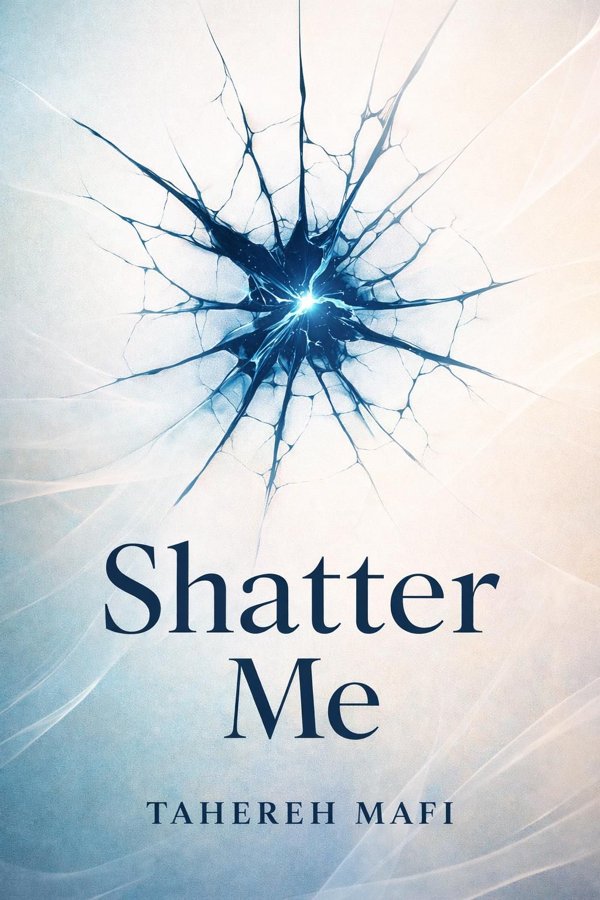
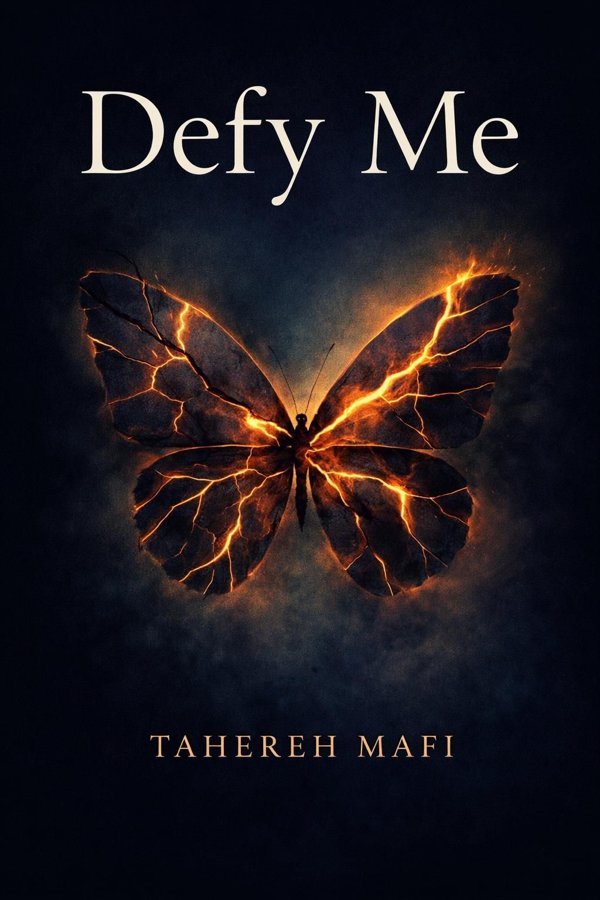

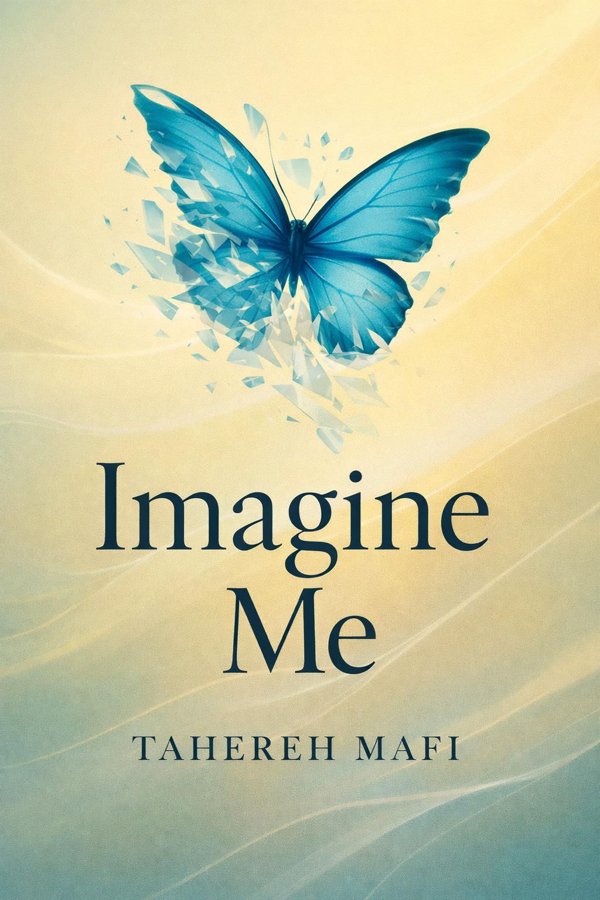
You Might Also Like

The Godfather
Mario Puzo
10 min
The Handmaid's Tale
Margaret Atwood
10 min
The Hunger Games
Suzanne Collins
10 min
The Nightingale
Kristin Hannah
10 min
The Seven Husbands of Evelyn Hugo
Taylor Jenkins Reid
10 min
Backwater Justice
Fern Michaels
10 minBrowse by Category
Ready to read Ignite Me?
Get the full summary and 100K+ more books with Fizz Moment.