
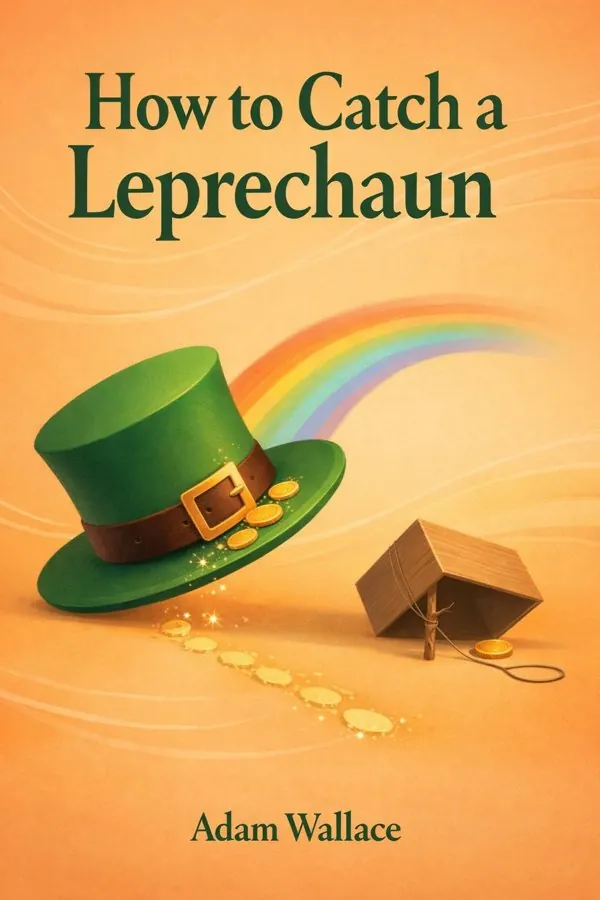
How to Catch a Leprechaun: Summary & Key Insights
by Adam Wallace
 10 min8 chaptersAudio available
Key Takeaways from How to Catch a Leprechaun
A great children’s book does more than tell a story; it invites the reader to enter the game.
One of the smartest lessons in How to Catch a Leprechaun is that failure does not end the adventure; it keeps it moving.
Children often fall in love with books through sound before they fully understand structure, and How to Catch a Leprechaun knows this well.
Magic in children’s literature often works best when it feels close enough to touch, and the leprechaun in this story is magical without ever becoming distant or frightening.
Innovation does not begin in a laboratory; it often begins with whatever is already on hand.
What Is How to Catch a Leprechaun About?
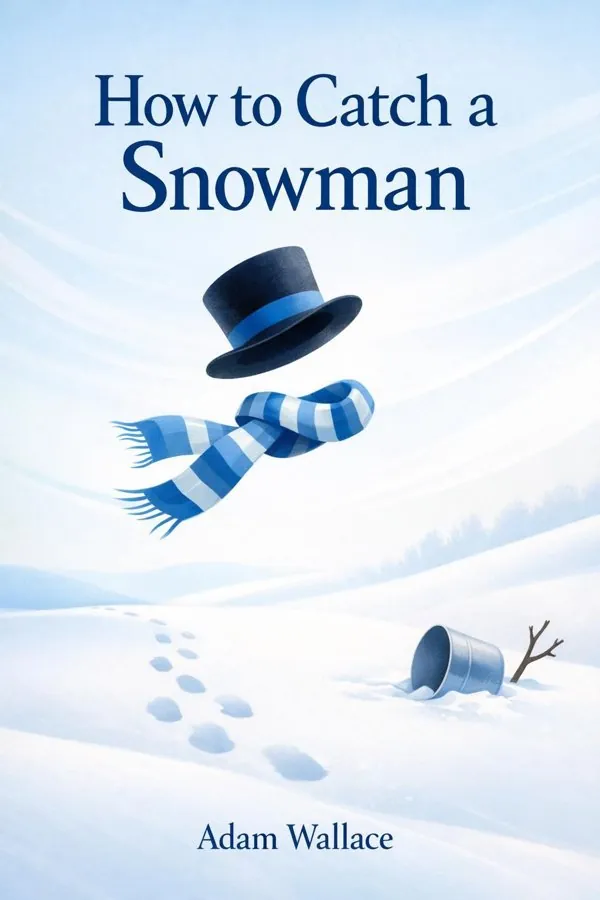
How to Catch a Leprechaun by Adam Wallace is a bestsellers book. How to Catch a Leprechaun by Adam Wallace is a playful, fast-paced picture book that turns one of childhood’s favorite magical figures into the center of a clever challenge. The story follows children who build imaginative traps in hopes of catching a mischievous leprechaun before he escapes with his gold, leaving chaos and laughter behind. Beneath the colorful rhymes and comic surprises, the book celebrates curiosity, creative problem-solving, resilience, and the joy of trying again when a plan does not work. That is part of what makes it more than a seasonal St. Patrick’s Day read: it invites children to think like inventors while enjoying a lively story. Adam Wallace is widely known for writing energetic, humorous books that speak directly to children’s sense of wonder. In this entry in his popular “How to Catch” series, he combines rhythmic language, suspense, and visual imagination to create a read-aloud that is both entertaining and interactive. The book matters because it transforms reading into participation, encouraging kids to imagine their own designs, test their own ideas, and see mistakes not as failures but as part of the fun.
This FizzRead summary covers all 8 key chapters of How to Catch a Leprechaun in approximately 10 minutes, distilling the most important ideas, arguments, and takeaways from Adam Wallace's work. Also available as an audio summary and Key Quotes Podcast.
How to Catch a Leprechaun
How to Catch a Leprechaun by Adam Wallace is a playful, fast-paced picture book that turns one of childhood’s favorite magical figures into the center of a clever challenge. The story follows children who build imaginative traps in hopes of catching a mischievous leprechaun before he escapes with his gold, leaving chaos and laughter behind. Beneath the colorful rhymes and comic surprises, the book celebrates curiosity, creative problem-solving, resilience, and the joy of trying again when a plan does not work. That is part of what makes it more than a seasonal St. Patrick’s Day read: it invites children to think like inventors while enjoying a lively story.
Adam Wallace is widely known for writing energetic, humorous books that speak directly to children’s sense of wonder. In this entry in his popular “How to Catch” series, he combines rhythmic language, suspense, and visual imagination to create a read-aloud that is both entertaining and interactive. The book matters because it transforms reading into participation, encouraging kids to imagine their own designs, test their own ideas, and see mistakes not as failures but as part of the fun.
Who Should Read How to Catch a Leprechaun?
This book is perfect for anyone interested in bestsellers and looking to gain actionable insights in a short read. Whether you're a student, professional, or lifelong learner, the key ideas from How to Catch a Leprechaun by Adam Wallace will help you think differently.
- ✓Readers who enjoy bestsellers and want practical takeaways
- ✓Professionals looking to apply new ideas to their work and life
- ✓Anyone who wants the core insights of How to Catch a Leprechaun in just 10 minutes
Want the full summary?
Get instant access to this book summary and 100K+ more with Fizz Moment.
Get Free SummaryAvailable on App Store • Free to download
Key Chapters
A great children’s book does more than tell a story; it invites the reader to enter the game. That is exactly what How to Catch a Leprechaun accomplishes. Rather than presenting magic as something distant and untouchable, Adam Wallace brings it into the reader’s world through a playful premise: a leprechaun is loose, and children are trying to catch him with homemade traps. This simple setup transforms the book from a passive reading experience into an active imaginative challenge.
The story works because children immediately begin asking their own questions. What kind of trap would I build? What would I use for bait? Where would I place it? These questions are not side effects of the book; they are part of its design. The rhyming text and energetic pacing keep children engaged, while the leprechaun’s slippery escapes spark new rounds of thinking. The book encourages kids to combine fantasy with practical invention, using everyday objects like boxes, ladders, strings, glitter, coins, or snacks as parts of elaborate plans.
This matters because imagination is a foundation for learning. When children pretend, design, and experiment, they practice planning, storytelling, prediction, and flexible thinking. A classroom teacher can use the book to launch an art project where students draw traps. A parent can turn it into a family activity by building a simple “leprechaun catcher” out of craft materials the night before St. Patrick’s Day. Even the act of discussing why one trap might fail and another might succeed introduces early engineering habits.
The deeper value of the book is that it validates playful thinking. It tells children that ideas are worth exploring, even if they are silly, ambitious, or unlikely to work the first time. Actionable takeaway: after reading, invite a child to design one leprechaun trap using household materials and explain why they believe it will succeed.
One of the smartest lessons in How to Catch a Leprechaun is that failure does not end the adventure; it keeps it moving. The children in the story create clever traps, but the leprechaun continues to outwit them. In many books, repeated failure might feel discouraging. Here, it becomes delightful. Every near success leads to another surprise, another joke, and another opportunity to rethink the plan.
This is a powerful message for children because early learners often tie success too closely to self-worth. If something does not work, they may quickly decide they are “bad” at building, reading, drawing, or solving problems. Wallace’s story gently pushes against that mindset. The failed traps are not signs that the children are incapable. They are evidence that trying is exciting, and that not getting the result you expected can still be rewarding.
In practical terms, this makes the book especially useful for parents and educators who want to teach resilience without sounding preachy. A teacher might ask students to describe what went wrong in a trap and what they would change next time. A parent might connect the story to real life by saying, “Remember how the leprechaun escaped? Sometimes our first idea needs improving too.” The humor keeps the lesson light, which is often the best way to help children absorb it.
The book also shows that perseverance does not have to look serious or solemn. It can be playful. It can involve glitter, ladders, and impossible schemes. Children learn that trying again is not punishment; it is part of creative discovery. This perspective is valuable in schoolwork, friendships, sports, and everyday challenges.
Actionable takeaway: use the story to start a “try again” conversation, asking children to name one recent mistake and one new idea they could test next.
Children often fall in love with books through sound before they fully understand structure, and How to Catch a Leprechaun knows this well. Adam Wallace uses lively rhymes, bouncing cadence, and repeated patterns to create a read-aloud experience that feels musical. This is not just entertaining. It supports early literacy by helping children hear language as something patterned, memorable, and expressive.
Rhyming books strengthen phonological awareness, which is a key building block in learning to read. When children hear repeated sounds and rhythmic phrasing, they become more sensitive to word endings, syllables, and verbal flow. Even if they cannot decode every word yet, they begin to predict what kinds of sounds may come next. This predictive engagement makes them active listeners.
The book’s repetitive structure also supports comprehension. Children quickly understand the central pattern: a trap is built, the leprechaun responds, and the chase continues. Because the framework is clear, young readers can focus on details, humor, and variation. They can anticipate what is coming and delight in how each page changes the formula. That blend of predictability and surprise is ideal for shared reading.
In practice, adults can make the most of this feature by reading the text aloud with expression and pausing before rhyme endings to let children guess the final word. Teachers can have students clap to the rhythm of a few lines, identify rhyming pairs, or invent a new rhyming verse about their own trap idea. These playful literacy exercises emerge naturally from the book’s style.
What Wallace demonstrates is that language learning does not need to feel instructional to be effective. A book can build reading readiness while still feeling like pure fun. Children laugh, repeat lines, and absorb structure almost accidentally.
Actionable takeaway: during read-aloud time, pause on key rhyming lines and encourage children to predict the missing word or create a new rhyme of their own.
Magic in children’s literature often works best when it feels close enough to touch, and the leprechaun in this story is magical without ever becoming distant or frightening. He is mischievous, slippery, and clever, but he is also funny. That balance matters. It lets children engage with wonder in a form that is exciting rather than overwhelming.
The leprechaun’s personality drives much of the book’s appeal. He is not simply a prize to be captured; he is an active trickster who responds to the traps set for him. His confidence and playfulness create a back-and-forth dynamic between the children’s plans and his escapes. This makes the story feel alive. Instead of waiting for the plot to happen, readers sense a contest unfolding page by page.
This kind of light mischief serves an emotional purpose as well. Many young readers enjoy stories where rules are bent, messes are made, and adults are not controlling every outcome. Such stories offer a safe space to explore unpredictability. The leprechaun creates a little disorder, but the tone stays cheerful. Children get the thrill of chaos without actual risk.
In practical use, adults can draw on this playful energy to invite discussion about jokes, surprises, and harmless trickery. What makes a prank funny instead of mean? Why do we enjoy stories about characters who break expectations? These questions can help children think about social behavior and empathy in age-appropriate ways. A classroom might even compare the leprechaun to other trickster figures in folklore and storybooks.
The book reminds readers that magic does not need grand speeches or dark mystery. Sometimes it looks like tiny footprints, stolen gold, and a trap that almost worked. Actionable takeaway: ask children what makes the leprechaun funny rather than scary, and use their answers to discuss the difference between playful mischief and unkind behavior.
Innovation does not begin in a laboratory; it often begins with whatever is already on hand. How to Catch a Leprechaun communicates this beautifully through the traps children imagine and construct. The book suggests that ordinary materials can become extraordinary tools when paired with a creative goal. Boxes, ribbons, ladders, coins, bait, and decorations are not just objects; they are pieces of possibility.
This idea is especially valuable for young children because it makes problem-solving accessible. They do not need expensive kits or perfect supplies to act like inventors. They need a question, a challenge, and the freedom to combine materials in unexpected ways. The story’s trap-building concept naturally introduces design thinking: identify the problem, imagine a solution, test an approach, and revise after failure.
Parents and teachers can easily extend this into hands-on learning. For example, after reading the book, children can be given craft sticks, tape, paper cups, yarn, and colored paper, then asked to build a trap with a specific feature such as a door, bait area, or rainbow lure. The focus should not be whether the trap “works” in real life, but whether the child can explain the idea behind it. That explanation builds confidence and reasoning skills.
The book also teaches resourcefulness. It reframes familiar household or classroom items as design elements. This encourages children to see their environment as full of usable possibilities rather than fixed categories. A shoebox can become a treasure chamber. String can become a trigger. Glitter can become magical bait.
At its core, the lesson is simple: creativity often grows stronger when constraints are present. Limited materials can inspire more inventive thinking than unlimited options. Actionable takeaway: challenge children to build a leprechaun trap using only five everyday materials and explain the role each one plays in the design.
Children return to books that make them laugh, and How to Catch a Leprechaun understands that humor is not a bonus feature but a gateway to reading. The comic tension of the story comes from a familiar and satisfying pattern: elaborate plans are made, confidence rises, and then the leprechaun escapes in an unexpected way. That repeated reversal creates delight.
Humor matters in early reading because emotional engagement drives attention. A child who is amused is more likely to stay focused, ask questions, repeat favorite lines, and request the book again. Repetition is crucial in literacy development, so a funny book often becomes an effective learning tool simply because children willingly revisit it.
The humor in Wallace’s book is especially child-friendly because it is rooted in exaggeration, surprise, and playful frustration rather than sarcasm or complicated irony. The traps are ambitious. The leprechaun is cheeky. The outcomes are not mean-spirited; they are delightfully chaotic. This creates a sense of safety around the laughter. Children can enjoy the joke without worrying that someone is truly hurt or humiliated.
Adults can build on this by using the book to discuss what children find funny and why. Which trap was the silliest? Which escape was the cleverest? Asking these questions helps children articulate taste, observe cause and effect, and think critically about storytelling. In classrooms, students can invent their own “funniest trap ever” and share it with peers.
The deeper lesson is that books do not have to be solemn to be worthwhile. Laughter can support language development, memory, and confidence. A funny reading experience tells a child that books are places of pleasure, not pressure.
Actionable takeaway: after reading, ask children to invent the most ridiculous leprechaun trap they can imagine, then explain what makes it funny.
The most memorable picture books often create conversation, not silence, and How to Catch a Leprechaun is ideal for interactive reading. Its premise naturally encourages prediction, participation, and commentary. Children do not simply listen; they react. They point out details, guess what the leprechaun will do next, and debate which trap seems smartest. That active involvement strengthens both comprehension and confidence.
Interactive reading is especially important for young children because it helps them see reading as a social experience. When an adult pauses to ask, “Do you think this trap will work?” the child learns that their ideas matter. They practice verbal expression, reasoning, and narrative anticipation. Instead of being passive recipients, they become co-thinkers in the story.
This dynamic also supports emotional bonding. Shared laughter over a sneaky escape or mutual excitement about a glittering trap creates warm associations with books. For parents, this can turn bedtime or holiday reading into a meaningful ritual. For teachers, it creates a collaborative classroom atmosphere where students feel invited into the text.
There are many simple ways to make the reading experience more interactive. Adults can ask children to spot clues in the illustrations, predict the outcome of each trap, or imagine what the leprechaun might say. Older children can compare strategies and explain which trap uses the strongest logic. Even reluctant readers may engage more willingly when the story feels like a game.
The book succeeds because it leaves space for the reader’s imagination to do part of the work. It does not close the conversation; it opens it. That quality gives the story lasting replay value long after the final page.
Actionable takeaway: read the book aloud with frequent pauses for predictions, then ask the child to retell the story from the leprechaun’s point of view.
All Chapters in How to Catch a Leprechaun
About the Author
Adam Wallace is a bestselling children’s author known for his energetic storytelling, playful humor, and strong read-aloud appeal. He has written numerous books for young readers, but he is especially famous for the wildly popular “How to Catch” series, which blends magical creatures, seasonal themes, and imaginative challenges into fun, interactive adventures. Wallace has a gift for writing in lively rhyme that captures children’s attention while encouraging participation, prediction, and laughter. His books are widely enjoyed by families, teachers, and classrooms because they make reading feel active and exciting. In How to Catch a Leprechaun, Wallace showcases the qualities that define his work best: clever pacing, comic mischief, and a deep understanding of how children engage with stories through curiosity, creativity, and play.
Get This Summary in Your Preferred Format
Read or listen to the How to Catch a Leprechaun summary by Adam Wallace anytime, anywhere. FizzRead offers multiple formats so you can learn on your terms — all free.
Available formats: App · Audio · PDF · EPUB — All included free with FizzRead
Download How to Catch a Leprechaun PDF and EPUB Summary
Key Quotes from How to Catch a Leprechaun
“A great children’s book does more than tell a story; it invites the reader to enter the game.”
“One of the smartest lessons in How to Catch a Leprechaun is that failure does not end the adventure; it keeps it moving.”
“Children often fall in love with books through sound before they fully understand structure, and How to Catch a Leprechaun knows this well.”
“Magic in children’s literature often works best when it feels close enough to touch, and the leprechaun in this story is magical without ever becoming distant or frightening.”
“Innovation does not begin in a laboratory; it often begins with whatever is already on hand.”
Frequently Asked Questions about How to Catch a Leprechaun
How to Catch a Leprechaun by Adam Wallace is a bestsellers book that explores key ideas across 8 chapters. How to Catch a Leprechaun by Adam Wallace is a playful, fast-paced picture book that turns one of childhood’s favorite magical figures into the center of a clever challenge. The story follows children who build imaginative traps in hopes of catching a mischievous leprechaun before he escapes with his gold, leaving chaos and laughter behind. Beneath the colorful rhymes and comic surprises, the book celebrates curiosity, creative problem-solving, resilience, and the joy of trying again when a plan does not work. That is part of what makes it more than a seasonal St. Patrick’s Day read: it invites children to think like inventors while enjoying a lively story. Adam Wallace is widely known for writing energetic, humorous books that speak directly to children’s sense of wonder. In this entry in his popular “How to Catch” series, he combines rhythmic language, suspense, and visual imagination to create a read-aloud that is both entertaining and interactive. The book matters because it transforms reading into participation, encouraging kids to imagine their own designs, test their own ideas, and see mistakes not as failures but as part of the fun.
More by Adam Wallace
You Might Also Like
The Godfather
Mario Puzo
10 min
The Handmaid's Tale
Margaret Atwood
10 min
The Hunger Games
Suzanne Collins
10 min
The Nightingale
Kristin Hannah
10 min
The Seven Husbands of Evelyn Hugo
Taylor Jenkins Reid
10 min
Backwater Justice
Fern Michaels
10 minBrowse by Category
Ready to read How to Catch a Leprechaun?
Get the full summary and 100K+ more books with Fizz Moment.