
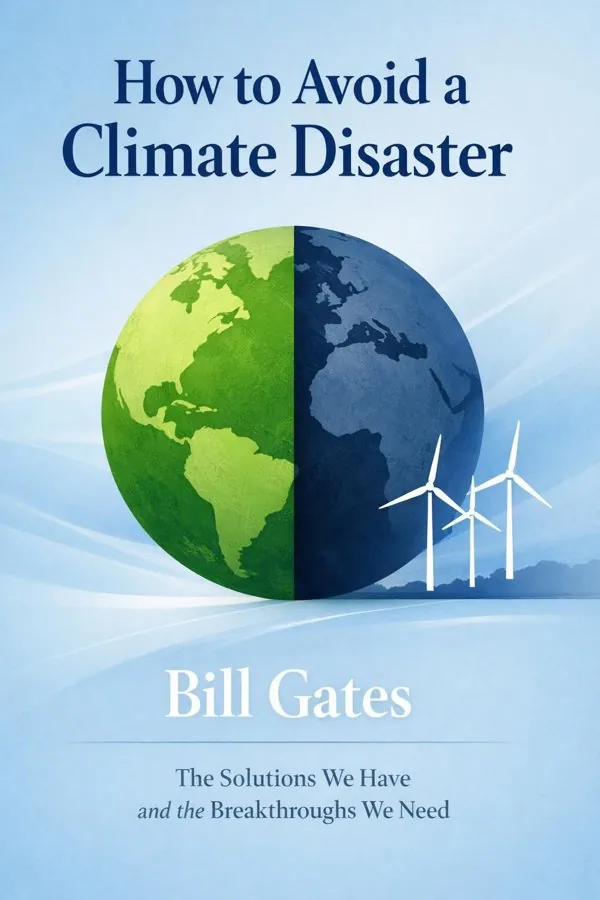
How to Avoid a Climate Disaster: The Solutions We Have and the Breakthroughs We Need: Summary & Key Insights
by Bill Gates
 10 min13 chaptersAudio available
What Is How to Avoid a Climate Disaster: The Solutions We Have and the Breakthroughs We Need About?
How to Avoid a Climate Disaster: The Solutions We Have and the Breakthroughs We Need by Bill Gates is a environment book spanning 13 pages. In this book, Bill Gates outlines a comprehensive plan to eliminate greenhouse gas emissions and prevent the worst effects of climate change. Drawing on his experience in technology and philanthropy, Gates explains the innovations and policies needed to reach net-zero emissions, covering sectors such as energy, manufacturing, agriculture, and transportation. He emphasizes the importance of global cooperation, investment in clean technologies, and practical steps individuals and governments can take to achieve a sustainable future.
This FizzRead summary covers all 13 key chapters of How to Avoid a Climate Disaster: The Solutions We Have and the Breakthroughs We Need in approximately 10 minutes, distilling the most important ideas, arguments, and takeaways from Bill Gates's work. Also available as an audio summary and Key Quotes Podcast.
How to Avoid a Climate Disaster: The Solutions We Have and the Breakthroughs We Need
In this book, Bill Gates outlines a comprehensive plan to eliminate greenhouse gas emissions and prevent the worst effects of climate change. Drawing on his experience in technology and philanthropy, Gates explains the innovations and policies needed to reach net-zero emissions, covering sectors such as energy, manufacturing, agriculture, and transportation. He emphasizes the importance of global cooperation, investment in clean technologies, and practical steps individuals and governments can take to achieve a sustainable future.
Who Should Read How to Avoid a Climate Disaster: The Solutions We Have and the Breakthroughs We Need?
This book is perfect for anyone interested in environment and looking to gain actionable insights in a short read. Whether you're a student, professional, or lifelong learner, the key ideas from How to Avoid a Climate Disaster: The Solutions We Have and the Breakthroughs We Need by Bill Gates will help you think differently.
- ✓Readers who enjoy environment and want practical takeaways
- ✓Professionals looking to apply new ideas to their work and life
- ✓Anyone who wants the core insights of How to Avoid a Climate Disaster: The Solutions We Have and the Breakthroughs We Need in just 10 minutes
Want the full summary?
Get instant access to this book summary and 100K+ more with Fizz Moment.
Get Free SummaryAvailable on App Store • Free to download
Key Chapters
The first step toward solving any problem is understanding its scope. Greenhouse gases—chiefly carbon dioxide, methane, nitrous oxide, and some industrial gases—are the invisible blanket trapping heat in our atmosphere. Since the Industrial Revolution, human activity has thickened that blanket dramatically. Burning coal, oil, and natural gas for energy releases vast amounts of CO₂. Agriculture, particularly livestock and fertilizer use, pours methane and nitrous oxide into the air. Manufacturing produces not just goods but cement, steel, and plastic—all carbon-intensive. The energy it takes to power modern life adds up to roughly fifty-one billion tons in annual greenhouse gas emissions.
I often break this down into five categories of human activity. Each sector represents a challenge and an opportunity. First, electricity generation—how we light our homes and power our grids. Second, manufacturing—the concrete and steel that shape our cities. Third, agriculture and food—what we eat and how we grow it. Fourth, transportation—how we move people and goods around the globe. And fifth, buildings—how we heat and cool the spaces we live in. To reach net zero, we’ll need to reimagine how we do all five, without depriving people of the energy and materials that make modern life possible.
It’s important to dispel one illusion early on. Cutting back by small increments is not enough. The physics of climate change won’t negotiate; as long as greenhouse gases keep accumulating, the planet keeps warming. The goal must be complete elimination, or precise balancing through carbon removal. That clarity—fifty-one billion down to zero—is what guides the rest of this book.
“Net zero” is a term that gets thrown around, but it needs to be fully understood. It doesn’t mean emitting less; it means ensuring that the total greenhouse gases we put into the atmosphere equal the amount we remove. Imagine the atmosphere as a bathtub slowly filling. Reducing the flow is helpful, but as long as water still trickles in, the tub will overflow. Net zero means turning the tap off—or inventing a perfect drain.
To achieve this balance, we can either eliminate emissions at their source or capture them after the fact. But removal technologies—direct air capture or reforestation—are costly and limited. That’s why the bulk of effort should focus on preventing emissions in the first place. This is an engineering challenge on a planetary scale.
Why 2050? Because climate systems respond slowly. The CO₂ already in the air will warm the planet for decades. Setting 2050 as the target aligns with what scientists say is necessary to prevent catastrophic consequences. It also creates a timeline long enough to make innovations cost-effective but short enough to preserve urgency.
+ 11 more chapters — available in the FizzRead app
All Chapters in How to Avoid a Climate Disaster: The Solutions We Have and the Breakthroughs We Need
About the Author
Bill Gates is an American business leader, philanthropist, and co-founder of Microsoft Corporation. Through the Bill & Melinda Gates Foundation, he has focused on global health, education, and climate change initiatives. His work combines technological innovation with large-scale social impact, aiming to address some of the world’s most pressing challenges.
Get This Summary in Your Preferred Format
Read or listen to the How to Avoid a Climate Disaster: The Solutions We Have and the Breakthroughs We Need summary by Bill Gates anytime, anywhere. FizzRead offers multiple formats so you can learn on your terms — all free.
Available formats: App · Audio · PDF · EPUB — All included free with FizzRead
Download How to Avoid a Climate Disaster: The Solutions We Have and the Breakthroughs We Need PDF and EPUB Summary
Key Quotes from How to Avoid a Climate Disaster: The Solutions We Have and the Breakthroughs We Need
“The first step toward solving any problem is understanding its scope.”
““Net zero” is a term that gets thrown around, but it needs to be fully understood.”
Frequently Asked Questions about How to Avoid a Climate Disaster: The Solutions We Have and the Breakthroughs We Need
How to Avoid a Climate Disaster: The Solutions We Have and the Breakthroughs We Need by Bill Gates is a environment book that explores key ideas across 13 chapters. In this book, Bill Gates outlines a comprehensive plan to eliminate greenhouse gas emissions and prevent the worst effects of climate change. Drawing on his experience in technology and philanthropy, Gates explains the innovations and policies needed to reach net-zero emissions, covering sectors such as energy, manufacturing, agriculture, and transportation. He emphasizes the importance of global cooperation, investment in clean technologies, and practical steps individuals and governments can take to achieve a sustainable future.
More by Bill Gates
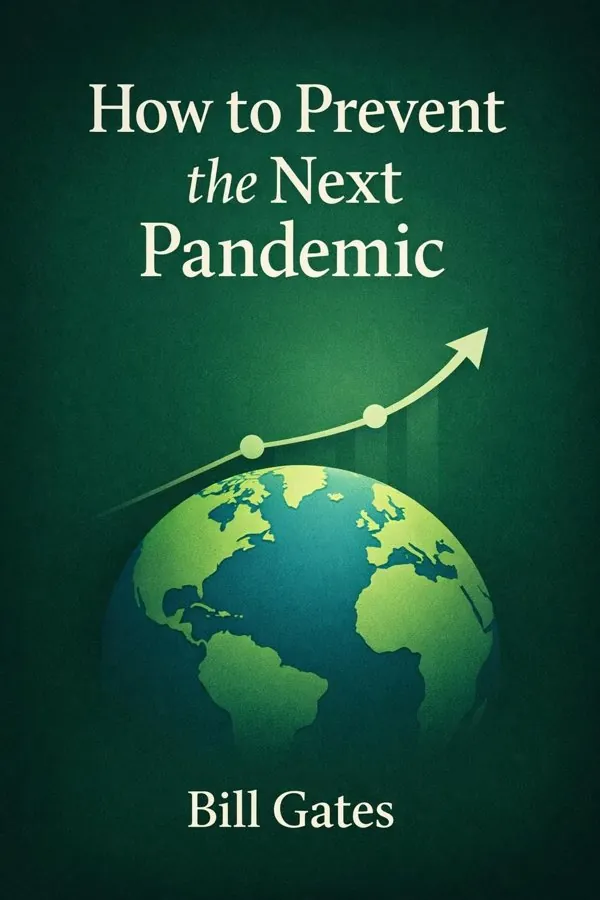
You Might Also Like

A Life on Our Planet: My Witness Statement and a Vision for the Future
David Attenborough
10 min
A Sky Full Of Birds
Matt Merritt
10 min
Carbon Zero: Imagining Cities That Can Save the Planet
Alex Steffen
10 min
Eaarth: Making a Life on a Tough New Planet
Bill McKibben
10 min
The Social Contract and Environmental Governance
Various Editors
10 min
The Wild Places
Robert Macfarlane
10 minBrowse by Category
Ready to read How to Avoid a Climate Disaster: The Solutions We Have and the Breakthroughs We Need?
Get the full summary and 100K+ more books with Fizz Moment.