
Finding Flow: The Psychology of Engagement with Everyday Life: Summary & Key Insights
 10 min9 chaptersAudio available
What Is Finding Flow: The Psychology of Engagement with Everyday Life About?
Finding Flow: The Psychology of Engagement with Everyday Life by Mihaly Csikszentmihalyi is a positive_psych book spanning 9 pages. In this book, psychologist Mihaly Csikszentmihalyi explores how people can achieve optimal experiences in daily life by cultivating 'flow'—a state of deep engagement and enjoyment in activities. Building on his earlier work on the psychology of happiness, he provides practical insights into how individuals can structure their time and attention to find meaning and satisfaction in work, leisure, and relationships.
This FizzRead summary covers all 9 key chapters of Finding Flow: The Psychology of Engagement with Everyday Life in approximately 10 minutes, distilling the most important ideas, arguments, and takeaways from Mihaly Csikszentmihalyi's work. Also available as an audio summary and Key Quotes Podcast.
Finding Flow: The Psychology of Engagement with Everyday Life
In this book, psychologist Mihaly Csikszentmihalyi explores how people can achieve optimal experiences in daily life by cultivating 'flow'—a state of deep engagement and enjoyment in activities. Building on his earlier work on the psychology of happiness, he provides practical insights into how individuals can structure their time and attention to find meaning and satisfaction in work, leisure, and relationships.
Who Should Read Finding Flow: The Psychology of Engagement with Everyday Life?
This book is perfect for anyone interested in positive_psych and looking to gain actionable insights in a short read. Whether you're a student, professional, or lifelong learner, the key ideas from Finding Flow: The Psychology of Engagement with Everyday Life by Mihaly Csikszentmihalyi will help you think differently.
- ✓Readers who enjoy positive_psych and want practical takeaways
- ✓Professionals looking to apply new ideas to their work and life
- ✓Anyone who wants the core insights of Finding Flow: The Psychology of Engagement with Everyday Life in just 10 minutes
Want the full summary?
Get instant access to this book summary and 100K+ more with Fizz Moment.
Get Free SummaryAvailable on App Store • Free to download
Key Chapters
Consciousness, as I conceive it, is the field of information we can act upon—the structure of awareness that determines what we notice and how we feel. It is both an achievement and a burden. Left untended, it fills with noise, with random worries and stimuli that scatter our attention. To find flow, we must first understand that attention is not simply passive perception; it is the energy that constructs our reality.
Our feelings, motivations, even our sense of self emerge from how we organize this limited energy. When attention is disciplined, life feels coherent and directed. When it is fragmented, we drift in confusion. Every moment, we must choose where to invest our awareness. This is the core psychological currency of existence, yet most of us spend it carelessly, surrendering focus to trivial distractions.
Flow requires that consciousness be ordered: goals must be clear, feedback immediate, and challenge within reach. In that ordered state, psychic energy is fully focused, free from the tyranny of extraneous thoughts. This equilibrium is not mystical—it is neurological and emotional alignment. When we realize that consciousness can be shaped intentionally, we begin to experience autonomy over life itself. We are not victims of circumstance; we are sculptors of experience.
Across cultures and activities—from mountain climbing to chess, from teaching to engineering—the components of flow remain consistent. It arises when a clear goal directs action, when feedback keeps us informed, and when challenges stretch but do not overwhelm our skills. Too much challenge and anxiety prevails; too little and we sink into boredom. Between these extremes lies a fragile zone—what I call the flow channel.
In that channel, we lose the sense of effort and escape self-consciousness. The musician no longer plays notes one by one but becomes the melody; the surgeon’s movement becomes seamless with purpose. This harmony results because both skill and challenge grow together in a dynamic balance.
Learning to recognize that balance in daily tasks transforms our perception of work or study. Instead of rigidly judging difficulty, we can calibrate challenges to sustain engagement. Flow, then, becomes an ethical ideal: it calls for mastery through disciplined effort, yet promises deep enjoyment in return. By cultivating this balance repeatedly, we train ourselves to derive fulfillment not from external rewards, but from intrinsic absorption.
+ 7 more chapters — available in the FizzRead app
All Chapters in Finding Flow: The Psychology of Engagement with Everyday Life
About the Author
Mihaly Csikszentmihalyi (1934–2021) was a Hungarian-American psychologist best known for his research on the concept of flow and positive psychology. He served as a professor at the University of Chicago and Claremont Graduate University, contributing significantly to the study of creativity, happiness, and human motivation.
Get This Summary in Your Preferred Format
Read or listen to the Finding Flow: The Psychology of Engagement with Everyday Life summary by Mihaly Csikszentmihalyi anytime, anywhere. FizzRead offers multiple formats so you can learn on your terms — all free.
Available formats: App · Audio · PDF · EPUB — All included free with FizzRead
Download Finding Flow: The Psychology of Engagement with Everyday Life PDF and EPUB Summary
Key Quotes from Finding Flow: The Psychology of Engagement with Everyday Life
“Consciousness, as I conceive it, is the field of information we can act upon—the structure of awareness that determines what we notice and how we feel.”
“Across cultures and activities—from mountain climbing to chess, from teaching to engineering—the components of flow remain consistent.”
Frequently Asked Questions about Finding Flow: The Psychology of Engagement with Everyday Life
Finding Flow: The Psychology of Engagement with Everyday Life by Mihaly Csikszentmihalyi is a positive_psych book that explores key ideas across 9 chapters. In this book, psychologist Mihaly Csikszentmihalyi explores how people can achieve optimal experiences in daily life by cultivating 'flow'—a state of deep engagement and enjoyment in activities. Building on his earlier work on the psychology of happiness, he provides practical insights into how individuals can structure their time and attention to find meaning and satisfaction in work, leisure, and relationships.
More by Mihaly Csikszentmihalyi
You Might Also Like
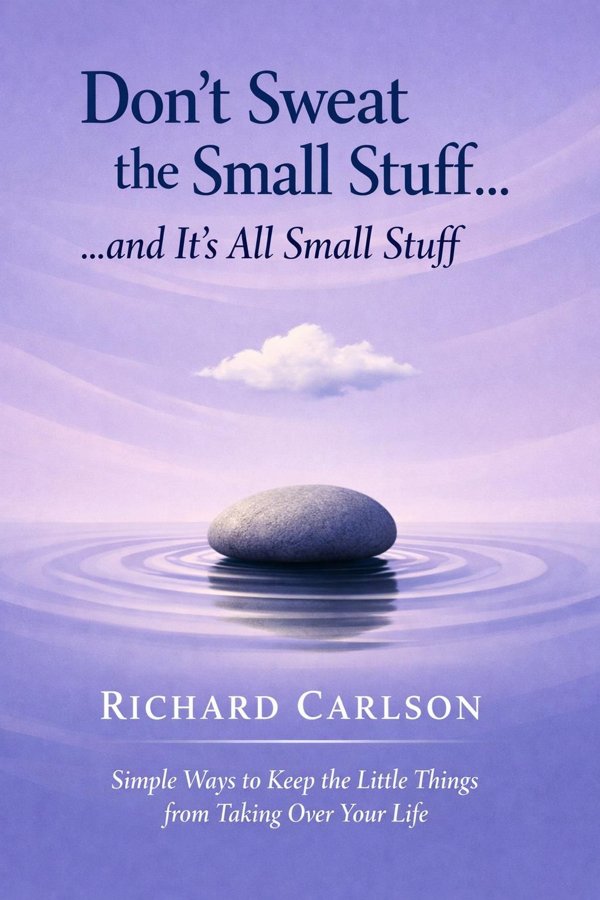
Don't Sweat the Small Stuff... and It's All Small Stuff
Richard Carlson
10 min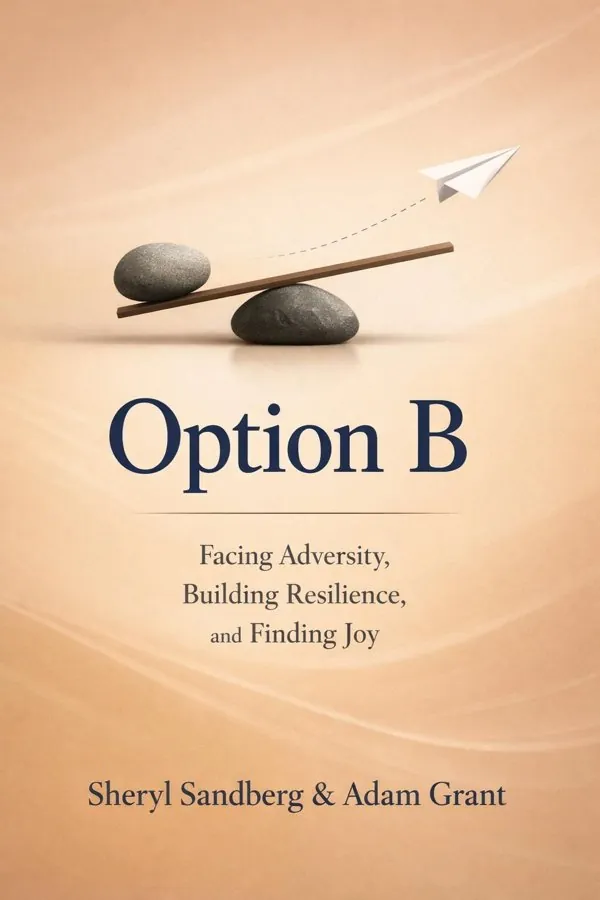
Option B
Sheryl Sandberg & Adam Grant
10 min
Hallelujah Anyway: Rediscovering Mercy
Anne Lamott
10 min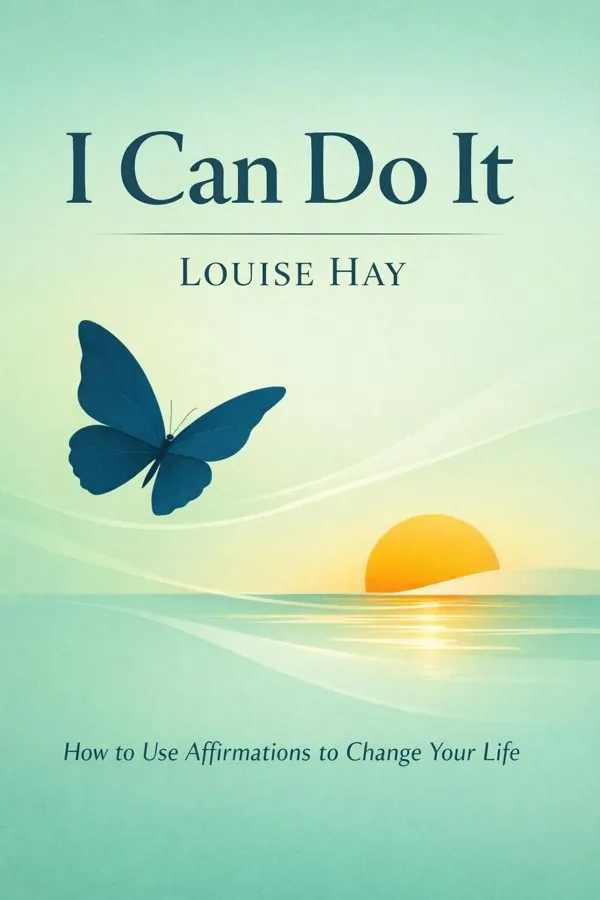
I Can Do It: How to Use Affirmations to Change Your Life
Louise Hay
10 min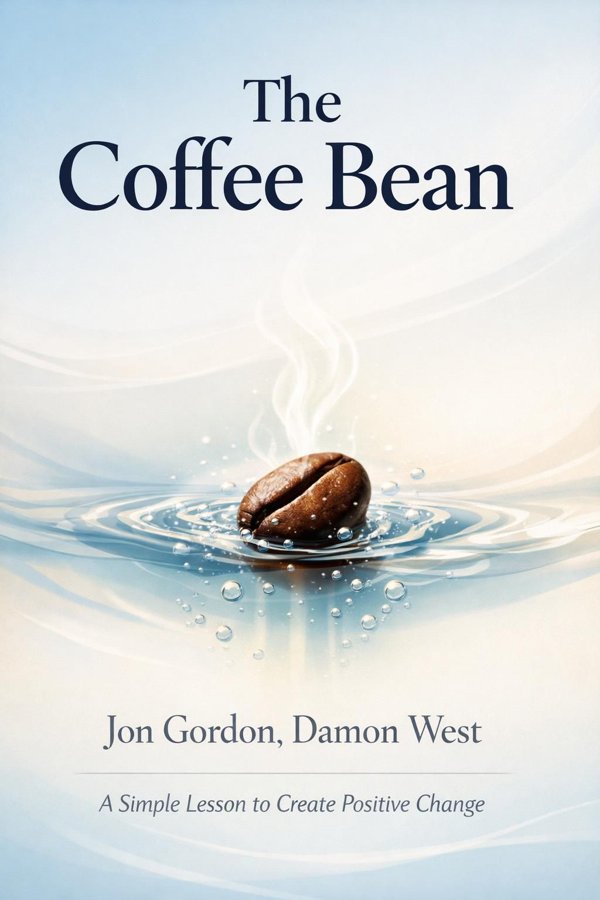
The Coffee Bean: A Simple Lesson to Create Positive Change
Jon Gordon, Damon West
10 min
The Happiness Hypothesis: Finding Modern Truth in Ancient Wisdom
Jonathan Haidt
10 minBrowse by Category
Ready to read Finding Flow: The Psychology of Engagement with Everyday Life?
Get the full summary and 100K+ more books with Fizz Moment.