
Enlightenment Now: Summary & Key Insights
 10 min12 chapters
What Is Enlightenment Now About?
Enlightenment Now by Steven Pinker is a history book published in 1997 spanning 12 pages. The Power of Now es una guía espiritual que invita al lector a descubrir la importancia de vivir plenamente en el momento presente. Eckhart Tolle explora cómo la mente y el ego crean sufrimiento y cómo la conciencia del 'ahora' puede liberar al individuo de la ansiedad y el dolor. A través de enseñanzas prácticas y reflexiones profundas, el libro ofrece un camino hacia la paz interior y la iluminación espiritual.
This FizzRead summary covers all 12 key chapters of Enlightenment Now in approximately 10 minutes, distilling the most important ideas, arguments, and takeaways from Steven Pinker's work.
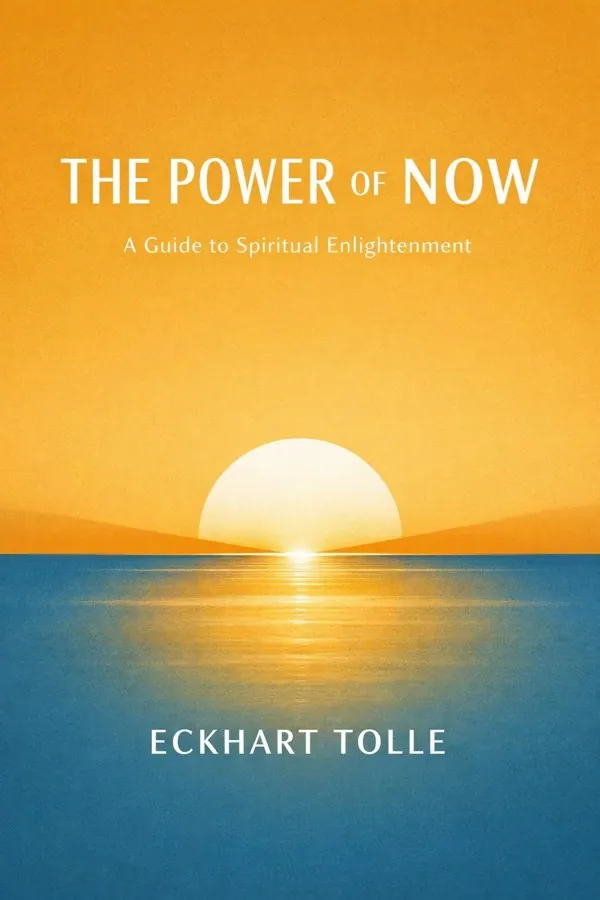
The Power of Now: A Guide to Spiritual Enlightenment
The Power of Now es una guía espiritual que invita al lector a descubrir la importancia de vivir plenamente en el momento presente. Eckhart Tolle explora cómo la mente y el ego crean sufrimiento y cómo la conciencia del 'ahora' puede liberar al individuo de la ansiedad y el dolor. A través de enseñanzas prácticas y reflexiones profundas, el libro ofrece un camino hacia la paz interior y la iluminación espiritual.
Who Should Read Enlightenment Now?
This book is perfect for anyone interested in history and looking to gain actionable insights in a short read. Whether you're a student, professional, or lifelong learner, the key ideas from Enlightenment Now by Steven Pinker will help you think differently.
- ✓Readers who enjoy history and want practical takeaways
- ✓Professionals looking to apply new ideas to their work and life
- ✓Anyone who wants the core insights of Enlightenment Now in just 10 minutes
Want the full summary?
Get instant access to this book summary and 100K+ more with Fizz Moment.
Get Free SummaryAvailable on App Store • Free to download
Key Chapters
The greatest obstacle to awakening is our identification with the mind. The mind is a magnificent tool when used for practical tasks, but when you mistake it for who you are, it becomes your tormentor. Most people live entirely through mental commentary—every situation filtered through thought, judgment, and comparison. As long as you remain lost in this mental drama, suffering is inevitable. Thoughts about the past fuel guilt and resentment; projections into the future generate fear and anxiety. The mind thrives on problems—it maintains its false sense of self by perpetuating dissatisfaction.
To become free, you must first observe your mind impartially. Notice how it continuously narrates reality, labeling every experience, and creating an inner dialogue. The act of noticing introduces a gap between you and your thoughts, revealing that you are, in fact, the awareness behind them. Once awareness shines on thought, it can no longer dominate you. Silence then begins to emerge—not the absence of sound, but the quiet spaciousness that exists beyond mental noise. This quiet is not something you achieve; it is what remains when thought subsides naturally. Within that silence lies a deep sense of presence and aliveness that thinking can never touch.
At the heart of our unconscious living lies the ego—a mental image of oneself that depends on past and future for its identity. The ego is fragile because it is fictional; it must constantly seek validation, status, and confirmation from others. It thrives on comparison and separation: I am better, I am lesser, I am special, I am neglected. Because it believes itself to be incomplete, the ego is always searching—for approval, possessions, power, or love—to fill its inner void. Yet satisfaction is short-lived, and the ego soon creates new desires or grievances to maintain its identity.
When you awaken to presence, you see the ego at work without being pulled into its drama. You begin to sense that beneath the ever-changing roles—parent, employee, friend, adversary—there is an unchanging witness. Every time you observe your own reactions, defensiveness, or pride without judgment, you loosen the grip of the ego. Awareness exposes its illusions, and through awareness, the ego gradually subsides. What replaces it is not another identity but openness, humility, and a deep sense of connection with all beings. Conscious living unfolds when you no longer seek yourself through form but through being.
+ 10 more chapters — available in the FizzRead app
All Chapters in Enlightenment Now
About the Author
Eckhart Tolle es un escritor y maestro espiritual nacido en Alemania y residente en Canadá. Es conocido por sus enseñanzas sobre la conciencia y la presencia, y por sus libros más vendidos como 'The Power of Now' y 'A New Earth'. Su trabajo ha influido en millones de lectores en todo el mundo y ha sido traducido a numerosos idiomas.
Get This Summary in Your Preferred Format
Read or listen to the Enlightenment Now summary by Steven Pinker anytime, anywhere. FizzRead offers multiple formats so you can learn on your terms — all free.
Available formats: App · Audio · PDF · EPUB — All included free with FizzRead
Download Enlightenment Now PDF and EPUB Summary
Key Quotes from Enlightenment Now
“The greatest obstacle to awakening is our identification with the mind.”
“At the heart of our unconscious living lies the ego—a mental image of oneself that depends on past and future for its identity.”
Frequently Asked Questions about Enlightenment Now
Enlightenment Now by Steven Pinker is a history book that explores key ideas across 12 chapters. The Power of Now es una guía espiritual que invita al lector a descubrir la importancia de vivir plenamente en el momento presente. Eckhart Tolle explora cómo la mente y el ego crean sufrimiento y cómo la conciencia del 'ahora' puede liberar al individuo de la ansiedad y el dolor. A través de enseñanzas prácticas y reflexiones profundas, el libro ofrece un camino hacia la paz interior y la iluminación espiritual.
More by Steven Pinker

You Might Also Like


Browse by Category
Ready to read Enlightenment Now?
Get the full summary and 100K+ more books with Fizz Moment.