
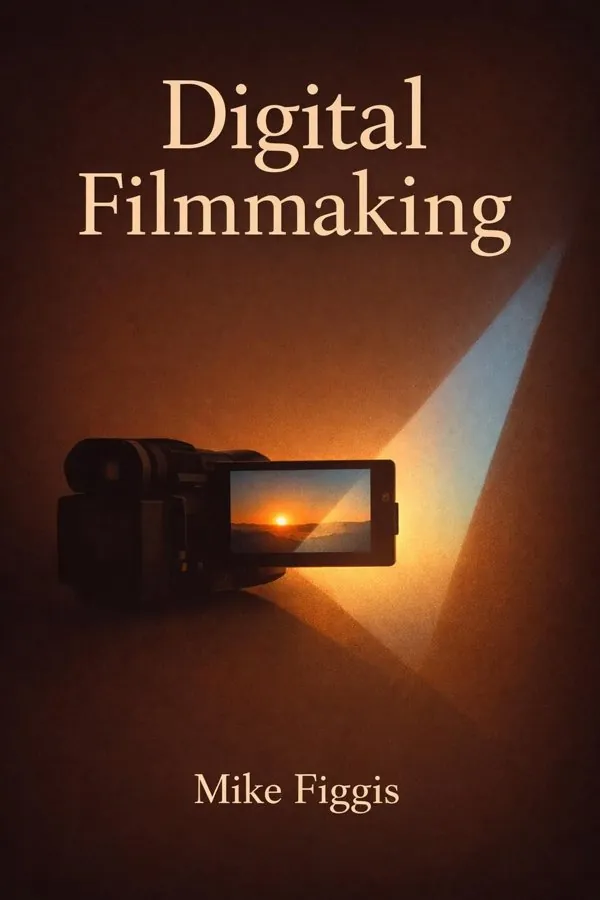
Digital Filmmaking: Summary & Key Insights
by Mike Figgis
 10 min10 chaptersAudio available
Key Takeaways from Digital Filmmaking
Every filmmaking technology carries an invisible philosophy with it.
The democratization of tools changes who gets to tell stories.
A director’s real task is not controlling every element but creating conditions in which truth can appear.
Freedom without direction quickly becomes waste.
Technology should expand expression, not intimidate the artist.
What Is Digital Filmmaking About?
Digital Filmmaking by Mike Figgis is a performing_arts book spanning 10 pages. Digital Filmmaking by Mike Figgis is both a practical manual and a creative manifesto. Drawing on his experience as an acclaimed director, screenwriter, and composer, Figgis explores how digital video technology transformed not only the mechanics of making films but also the artistic mindset behind them. Rather than treating digital tools as cheap substitutes for traditional film, he presents them as instruments of freedom: lighter, faster, more flexible, and better suited to spontaneity, experimentation, and intimate storytelling. The book moves through the full filmmaking process, from pre-production and visual design to camera work, sound, editing, and distribution, while constantly returning to a central question: how can technology serve personal expression rather than industrial habit? What makes the book especially valuable is Figgis’s dual authority. He understands both the demands of professional filmmaking and the liberating possibilities of working outside conventional systems. For aspiring directors, independent creators, students, and even experienced filmmakers adapting to new media, Digital Filmmaking offers a clear and inspiring argument: digital cinema lowers barriers, expands creative choices, and gives filmmakers greater control over their own artistic voice.
This FizzRead summary covers all 10 key chapters of Digital Filmmaking in approximately 10 minutes, distilling the most important ideas, arguments, and takeaways from Mike Figgis's work. Also available as an audio summary and Key Quotes Podcast.
Digital Filmmaking
Digital Filmmaking by Mike Figgis is both a practical manual and a creative manifesto. Drawing on his experience as an acclaimed director, screenwriter, and composer, Figgis explores how digital video technology transformed not only the mechanics of making films but also the artistic mindset behind them. Rather than treating digital tools as cheap substitutes for traditional film, he presents them as instruments of freedom: lighter, faster, more flexible, and better suited to spontaneity, experimentation, and intimate storytelling. The book moves through the full filmmaking process, from pre-production and visual design to camera work, sound, editing, and distribution, while constantly returning to a central question: how can technology serve personal expression rather than industrial habit? What makes the book especially valuable is Figgis’s dual authority. He understands both the demands of professional filmmaking and the liberating possibilities of working outside conventional systems. For aspiring directors, independent creators, students, and even experienced filmmakers adapting to new media, Digital Filmmaking offers a clear and inspiring argument: digital cinema lowers barriers, expands creative choices, and gives filmmakers greater control over their own artistic voice.
Who Should Read Digital Filmmaking?
This book is perfect for anyone interested in performing_arts and looking to gain actionable insights in a short read. Whether you're a student, professional, or lifelong learner, the key ideas from Digital Filmmaking by Mike Figgis will help you think differently.
- ✓Readers who enjoy performing_arts and want practical takeaways
- ✓Professionals looking to apply new ideas to their work and life
- ✓Anyone who wants the core insights of Digital Filmmaking in just 10 minutes
Want the full summary?
Get instant access to this book summary and 100K+ more with Fizz Moment.
Get Free SummaryAvailable on App Store • Free to download
Key Chapters
Every filmmaking technology carries an invisible philosophy with it. For Figgis, traditional celluloid filmmaking was never just a medium; it was a system of rules shaped by cost, hierarchy, delay, and technical gatekeeping. Film stock was expensive, processing took time, and mistakes were punished financially. That reality pushed directors toward caution. Scenes had to be planned around budgets rather than curiosity, and experimentation often became a luxury reserved for productions with money to spare. Digital filmmaking changes that balance by removing many of those pressures. When each take no longer feels like cash burning through the camera, the director can work with more freedom, try unexpected approaches, and allow actors and environments to surprise the film.
Figgis argues that this shift is not merely economic but artistic. The old machine of filmmaking often separated creation from discovery. Digital tools bring them closer together. A director can review material instantly, adjust performance or framing in real time, and build a process that feels more like sketching than engineering. Imagine shooting a conversation scene: on film, you might limit takes, keep coverage conventional, and avoid improvisation. Digitally, you can let the scene evolve, test multiple camera positions, and follow emotional truth rather than sticking rigidly to a preplanned map.
The deeper lesson is that technology influences imagination. If the equipment encourages fear, films become safer. If it encourages exploration, films can become more alive. Actionable takeaway: audit your own filmmaking process and identify which habits come from artistic intention and which are leftovers from older technological constraints.
The democratization of tools changes who gets to tell stories. One of Figgis’s strongest points is that digital technology dramatically lowers the barriers to entry that once kept filmmaking in the hands of a relatively small, well-funded group. Cameras became more affordable, editing moved onto personal computers, and production no longer required a sprawling industrial infrastructure. That does not mean filmmaking became easy, but it did mean that talent, determination, and point of view could matter more than access to capital.
This accessibility has profound creative consequences. When more people can make films, cinema becomes broader, stranger, more personal, and more representative of real life. Instead of waiting for approval from studios, producers, or institutions, filmmakers can start with what they have: a location they know, people they trust, and a story that matters to them. A student can document a neighborhood transformation. A musician can shoot an experimental performance film. A first-time director can make a low-budget drama with natural light and nonprofessional actors. Digital tools make these projects possible not by eliminating limitations, but by making limitations workable.
Figgis also suggests that accessibility changes the psychology of the filmmaker. If making a film feels financially impossible, many people never begin. If it feels achievable, they start practicing, and practice is where voice is formed. Affordable tools therefore do more than save money; they create artistic opportunity.
The practical implication is clear: stop waiting for perfect conditions. Begin with the resources already available to you, use constraints as design choices, and focus on developing a distinctive voice rather than imitating high-budget production values.
A director’s real task is not controlling every element but creating conditions in which truth can appear. Figgis shows how digital filmmaking reshapes directing by making the set less rigid and more responsive. In traditional film production, because every setup was costly and time-consuming, directors often had to lock decisions early and protect them through the shoot. Digital cameras, by contrast, allow greater flexibility in coverage, duration, and performance. You can roll longer, capture transitions between moments, and remain open to emotional accidents that a tightly managed schedule might otherwise miss.
This has major implications for working with actors. Instead of demanding that performances fit a predetermined technical pattern, a director can let actors explore. Longer takes can preserve emotional continuity. Multiple cameras can reduce repetition and keep scenes fresh. Immediate playback can help actors and directors refine tone without relying on memory. Consider an intimate argument scene: with digital tools, you can shoot from several angles simultaneously, preserve improvisation, and respond to what the actors actually discover in the moment rather than forcing them back into a mechanical plan.
But Figgis is not advocating chaos. He values preparation deeply; he simply believes preparation should support responsiveness, not replace it. The director must still shape rhythm, intention, and point of view. Digital methods expand creative control by making adaptation easier.
The practical takeaway is to direct with a dual mindset: prepare rigorously, then stay flexible enough to follow what is emotionally alive on set. Use digital immediacy to deepen performance, not merely to collect more footage.
Freedom without direction quickly becomes waste. Although digital filmmaking enables spontaneity, Figgis insists that strong pre-production remains essential. The misconception is that because digital tools are forgiving, planning no longer matters. In reality, planning becomes even more important because the abundance of options can easily produce confusion. Pre-production is where filmmakers clarify the emotional world of the film, define its visual logic, and decide how technology will support story rather than distract from it.
For Figgis, visual design begins with questions of meaning: What should the audience feel? How intimate or detached should the camera be? Should the world feel polished, unstable, documentary-like, or dreamlike? Once these choices are made, technical decisions follow more naturally. A handheld camera might suit a tense character study. Static frames might support emotional distance. A limited color palette can unify disparate locations. Digital filmmaking allows endless manipulation, but that flexibility only becomes powerful when anchored to intention.
Pre-production also includes practical design choices that save time later. Location scouting can reveal how natural light changes across the day. Shot lists can remain flexible while still identifying essential coverage. Rehearsals can uncover where improvisation may be most valuable. Even low-budget productions benefit from mood boards, scene objectives, and a clear workflow for files, sound, and edit preparation.
The larger lesson is that good planning does not kill spontaneity; it protects it. If the team knows the film’s core language, they can adapt without losing coherence. Actionable takeaway: before shooting, define three things in writing: the emotional tone, the visual approach, and the non-negotiable story priorities for each scene.
Technology should expand expression, not intimidate the artist. Figgis approaches cameras, lighting, and sound from a practical perspective: filmmakers need enough technical competence to make deliberate choices, but they should resist becoming enslaved to gear obsession. Digital tools can invite endless comparison of specs, formats, lenses, and workflows. Yet audiences respond first to clarity, mood, and emotional credibility, not to technical perfection for its own sake.
He emphasizes that understanding the basics is non-negotiable. A filmmaker should know how sensor behavior affects exposure, how lighting shapes depth and emotion, and how poor sound can ruin an otherwise compelling image. Digital cameras may perform well in low light, but that does not eliminate the need for thoughtful lighting. Light still directs attention, models faces, and defines atmosphere. Likewise, sound should be treated as storytelling material, not an afterthought. A slightly rough image may feel authentic; distorted dialogue often simply feels amateurish.
Figgis’s mindset is especially useful for independent productions. You do not need a truck full of equipment to create strong visual work. A small lighting kit, practical lamps, careful positioning, and a reliable microphone can go a long way when used intelligently. For example, a night interior scene may become more expressive if lit primarily through a motivated table lamp and controlled shadows rather than flooding the room with generic brightness.
The key is selective mastery. Learn the tools that matter most to your storytelling and stop chasing complexity that adds little dramatic value. Actionable takeaway: prioritize three technical areas on every project—clean sound, intentional lighting, and consistent exposure—and treat all other gear choices as secondary.
Some of the most memorable moments in cinema arrive unannounced. Figgis celebrates digital filmmaking because it allows directors to build spontaneity into the process rather than treating it as a lucky accident. Lightweight cameras, longer recording times, and lower shooting costs make it easier to capture behavior, transitions, and atmospheres that would have been too expensive or impractical in a film-based workflow. This flexibility supports a more organic style of filmmaking, especially when working with actors, real locations, or unpredictable environments.
Spontaneity, however, is not the same as lack of discipline. Figgis’s point is that digital production can accommodate discovery. If an actor alters a line and suddenly reveals deeper emotion, the camera can stay with it. If weather transforms a location, the shoot can adapt. If a documentary-style street scene produces an unexpected interaction, the film can incorporate it. Directors who embrace this method often find that the film becomes less manufactured and more immediate.
This approach is particularly valuable for stories that depend on intimacy, realism, or psychological unpredictability. A filmmaker shooting a family drama, for instance, might rehearse scene objectives but allow dialogue to vary, keeping cameras ready to follow genuine reactions. A city portrait film might capture unscripted ambient moments between planned sequences, creating texture and authenticity.
The challenge is editorial: spontaneity generates material, but meaning comes from selection. Therefore, the director must remain alert to what truly belongs in the film. Actionable takeaway: on your next project, deliberately leave space for one controlled unknown in each shoot day—an improvised performance beat, an unplanned location detail, or a live environmental moment worth following.
A film is not finally made when it is shot but when it is shaped. Figgis treats digital editing as one of the most transformative aspects of the new filmmaking landscape because it gives directors and editors unprecedented control over rhythm, structure, and experimentation. In the digital environment, footage can be reviewed, rearranged, duplicated, trimmed, and reconceived with relative ease. This freedom invites a more exploratory editorial process, where narrative form can emerge through trial, comparison, and instinct rather than being locked too early by the expense of post-production.
For Figgis, editing is not merely about continuity. It is about discovering how time feels. A pause can reveal vulnerability. A jump cut can create urgency. A long, uninterrupted take can immerse the audience in discomfort or intimacy. Digital tools make it easier to test these possibilities quickly. For example, a scene of quiet grief might become more powerful if held longer than initially planned, allowing silence to do the dramatic work. A fast-cut montage may energize an otherwise static sequence, but if overused it can flatten emotional nuance.
Because digital workflows allow almost infinite revision, Figgis also warns against drift. More options do not automatically mean better decisions. Editors and directors still need a clear sense of the film’s emotional spine. The best cuts are guided by purpose: what should the audience understand, feel, and anticipate in this moment?
The practical lesson is to edit in layers. First shape narrative clarity, then emotional rhythm, then fine visual and sonic transitions. Actionable takeaway: when reviewing a cut, ask of every edit, “Does this choice increase meaning, feeling, or momentum?” If it does none of the three, reconsider it.
How films reach audiences shapes what kinds of films get made. Figgis understands digital filmmaking as part of a larger transformation in cinema, one that affects not just production but distribution, collaboration, and cultural access. In the old model, many independent films faced a bottleneck: even if they were made, they still needed traditional theatrical distribution or television deals to be widely seen. Digital technologies weakened that monopoly by opening multiple pathways to audiences, from festivals and online platforms to self-distribution and niche communities.
This shift matters because it allows filmmakers to think more strategically about whom their film is for. Instead of chasing a generic mass market, a creator can build work for a specific audience and reach them directly. A documentary about underground music, a micro-budget queer romance, or an experimental essay film may all find viewers through specialized channels that would once have been inaccessible. Digital communication also changes collaboration. Editors can share cuts remotely, composers can exchange files quickly, and small teams can work across locations with less overhead.
Yet Figgis does not romanticize this new landscape entirely. Wider access also means more noise. The challenge is no longer only getting a film made, but helping it stand out and connect. Filmmakers therefore need to think like communicators as well as artists. They must articulate what makes the work distinctive and cultivate relationships with viewers, programmers, and collaborators.
The practical takeaway is to plan distribution as early as development. Identify your likely audience, the channels they already use, and the partnerships that could help the film travel beyond its initial release.
A new medium does more than change technique; it changes ways of seeing. One of Figgis’s most compelling ideas is that digital filmmaking should not be understood only as a cheaper production method but as a different artistic philosophy. Because digital tools encourage immediacy, multiplicity, and fluidity, they support forms of storytelling that may be less linear, less formal, and more open to fragmentation, simultaneity, and hybrid genres. The filmmaker is no longer bound to reproduce the assumptions of classical cinema simply because those assumptions were built into older industrial processes.
Figgis’s own work often explores this philosophical dimension through unconventional structures, real-time experimentation, and visual play. The digital image can be manipulated, layered, split, stretched, and recombined. It can move between documentary and fiction, performance and observation, intimacy and abstraction. This invites filmmakers to ask not just “How do I shoot this scene?” but “What cinematic form best expresses this experience?” A conventional dialogue scene may be right for one moment, while a multi-screen composition, surveillance-style distance, or raw handheld proximity may better convey another.
The philosophical shift also challenges authority. If filmmaking tools are more open and adaptable, then there is less reason to treat one tradition as the only legitimate standard. Personal syntax becomes possible. A filmmaker can invent a form that belongs to the material.
Actionable takeaway: for your next project, choose one formal rule that reflects the film’s meaning—such as real-time scenes, mixed media, or subjective camera movement—and use it consistently enough to become part of the story’s language.
Audiences remember perspective long after they forget technical specifications. Figgis ends up in a deeply human place: the true promise of digital filmmaking is not better gadgets but greater opportunity for personal expression. When the machinery of production becomes lighter, cheaper, and more flexible, the burden shifts back where it belongs—onto the filmmaker’s imagination, honesty, and taste. The question is no longer whether you have access to expensive industrial resources. The question is what you have to say and how courageously you can say it.
This emphasis on voice is what keeps the book from becoming merely a technical guide. Figgis wants filmmakers to resist imitation. Digital tools make it tempting to copy mainstream aesthetics, but that often leads independent creators to spend energy simulating scale instead of refining authenticity. A more powerful strategy is to lean into what is specific: your environment, your obsessions, your rhythms of dialogue, your understanding of human behavior, your visual sensibility. A cramped apartment, a local street, a circle of friends, or a personal memory can become cinematic if approached with precision and conviction.
The future of digital creativity, in Figgis’s view, belongs to those who treat constraints as signatures rather than excuses. Small crews can produce intimacy. Limited budgets can encourage invention. Unusual structures can express overlooked realities. What matters most is coherence between form and feeling.
Actionable takeaway: write a short creative statement before your next film answering three questions—why this story, why now, and why are you the right person to tell it. Let those answers guide every technical and artistic decision.
All Chapters in Digital Filmmaking
About the Author
Mike Figgis is a British director, screenwriter, composer, and novelist best known for his bold, innovative approach to film. Born in 1948, he built a reputation as a filmmaker willing to experiment with narrative structure, performance, and visual form. He gained international recognition with Leaving Las Vegas, which brought him major critical acclaim and established him as a distinctive voice in modern cinema. Beyond his work in conventional feature filmmaking, Figgis has long been interested in improvisation, music, and the creative possibilities of digital technology. His films and writings often reflect a desire to break away from rigid production conventions and explore more fluid, personal ways of making art. That combination of professional achievement and formal experimentation makes him a compelling guide to the possibilities of digital cinema.
Get This Summary in Your Preferred Format
Read or listen to the Digital Filmmaking summary by Mike Figgis anytime, anywhere. FizzRead offers multiple formats so you can learn on your terms — all free.
Available formats: App · Audio · PDF · EPUB — All included free with FizzRead
Download Digital Filmmaking PDF and EPUB Summary
Key Quotes from Digital Filmmaking
“Every filmmaking technology carries an invisible philosophy with it.”
“The democratization of tools changes who gets to tell stories.”
“A director’s real task is not controlling every element but creating conditions in which truth can appear.”
“Freedom without direction quickly becomes waste.”
“Technology should expand expression, not intimidate the artist.”
Frequently Asked Questions about Digital Filmmaking
Digital Filmmaking by Mike Figgis is a performing_arts book that explores key ideas across 10 chapters. Digital Filmmaking by Mike Figgis is both a practical manual and a creative manifesto. Drawing on his experience as an acclaimed director, screenwriter, and composer, Figgis explores how digital video technology transformed not only the mechanics of making films but also the artistic mindset behind them. Rather than treating digital tools as cheap substitutes for traditional film, he presents them as instruments of freedom: lighter, faster, more flexible, and better suited to spontaneity, experimentation, and intimate storytelling. The book moves through the full filmmaking process, from pre-production and visual design to camera work, sound, editing, and distribution, while constantly returning to a central question: how can technology serve personal expression rather than industrial habit? What makes the book especially valuable is Figgis’s dual authority. He understands both the demands of professional filmmaking and the liberating possibilities of working outside conventional systems. For aspiring directors, independent creators, students, and even experienced filmmakers adapting to new media, Digital Filmmaking offers a clear and inspiring argument: digital cinema lowers barriers, expands creative choices, and gives filmmakers greater control over their own artistic voice.
You Might Also Like

Harriet Tubman: Live in Concert
Bob the Drag Queen
10 min
The Art of Stagecraft
Robert Edmond Jones
10 min
The Art of Stop-Motion Animation
Ken A. Priebe
10 min
Thunderstorm
Cao Yu
10 min
Acting In Film: An Actor's Take on Movie Making
Michael Caine
10 min
Character Animation Crash Course!
Eric Goldberg
10 minBrowse by Category
Ready to read Digital Filmmaking?
Get the full summary and 100K+ more books with Fizz Moment.