
Where the Crawdads Sing vs The Kite Runner: Which Should You Read?
A detailed comparison of Where the Crawdads Sing by Delia Owens and The Kite Runner by Khaled Hosseini. Discover the key differences, strengths, and which book is right for you.
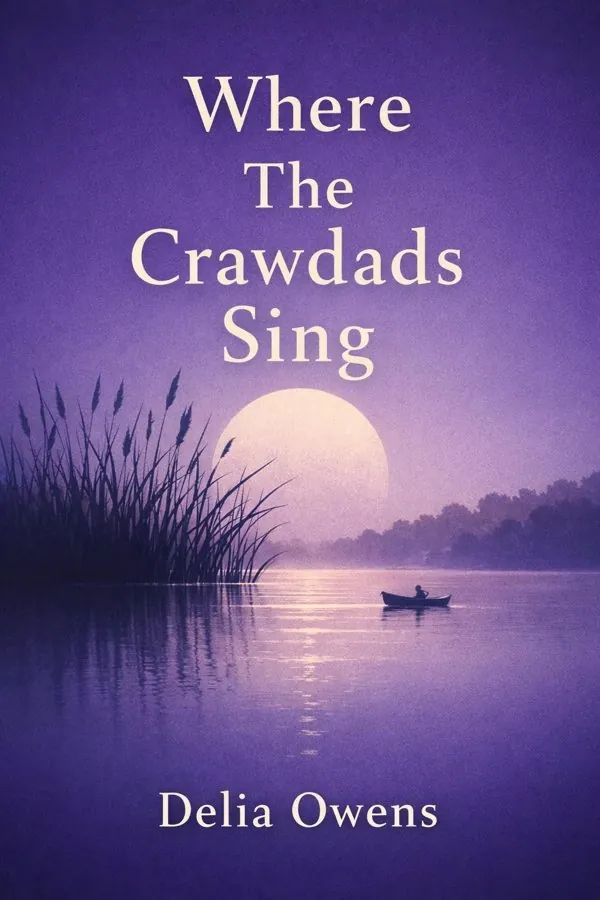
Where the Crawdads Sing
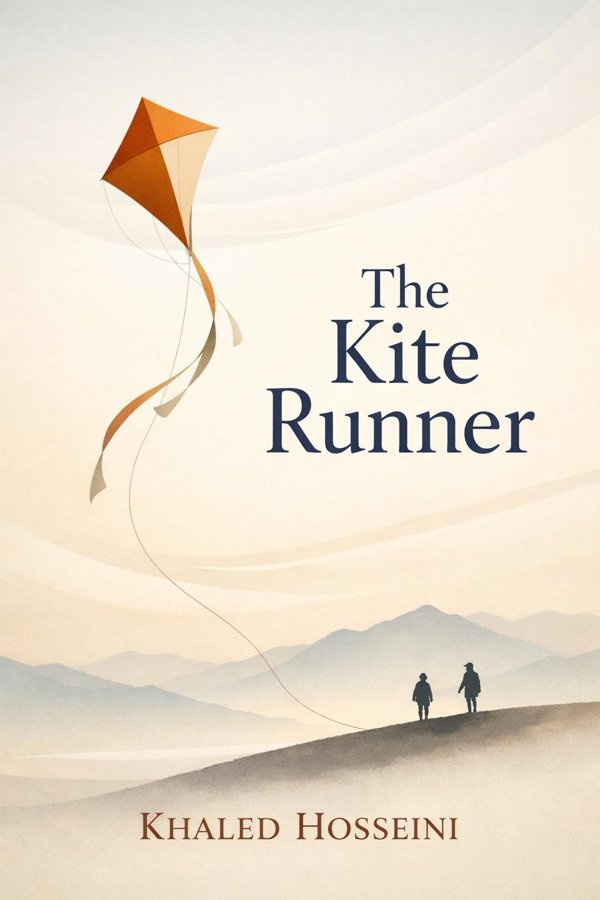
The Kite Runner
In-Depth Analysis
Where the Crawdads Sing and The Kite Runner are both bestselling works of contemporary fiction that use coming-of-age structures to investigate how early wounds shape adult identity. Yet they do so through sharply different moral and narrative designs. Delia Owens builds her novel around abandonment, isolation, and the formative power of place; Khaled Hosseini centers his around betrayal, guilt, and the long struggle for redemption. Both books ask what survives from childhood into adulthood, but one emphasizes endurance in solitude while the other emphasizes accountability within broken human relationships.
At the center of Where the Crawdads Sing is Kya Clark, whose life is defined by a sequence of departures: her mother leaves, her siblings leave, and eventually even the fragile traces of domestic life disappear. This pattern matters because Owens does not frame abandonment as a single dramatic rupture but as an education in distrust. Kya learns to read tides, gulls, and shells more reliably than people. The marsh is not merely scenery; it becomes an alternative social order. Owens repeatedly parallels Kya’s life with animal behavior, suggesting that mating, predation, camouflage, and survival are not just natural facts but interpretive lenses for human conduct. When Kya studies feathers and marsh species, she is also learning how vulnerability and instinct work in her own life.
By contrast, The Kite Runner begins not with social abandonment but with companionship distorted by hierarchy. Amir and Hassan grow up in the same household, but never as equals. Amir is a privileged Pashtun and the son of Baba; Hassan is a Hazara servant’s child, loyal, loving, and structurally vulnerable. Hosseini’s great achievement is to show that the novel’s defining betrayal emerges from an already unequal world. Amir’s failure in the alley, where he watches Hassan’s assault and does nothing, is not simply a private act of cowardice. It is enabled by class, ethnicity, and the desire for paternal approval. The kite tournament is therefore brilliant as narrative design: Amir wins Baba’s admiration at the exact moment he loses himself morally.
The two novels also differ in how they treat love. In Where the Crawdads Sing, Tate Walker offers Kya recognition through literacy and patience. Teaching her to read is not just a romantic gesture; it is a radical act of social inclusion. He sees in her not a curiosity but a mind. Chase Andrews, however, represents the danger of a world that sexualizes and exploits women it refuses to respect. Through Chase, Owens explores what happens when a socially marginal woman becomes visible to male desire but remains unprotected by social power. Kya’s relationships thus dramatize two very different modes of being seen: one restorative, one predatory.
In The Kite Runner, love is always entangled with shame, performance, and silence. Amir longs for Baba’s approval and interprets love as something earned through achievement. His affection for Hassan is genuine, but too weak to overcome self-interest. Even later, in America, where Amir marries Soraya and becomes a writer, the past remains active because guilt has not been metabolized into responsibility. Rahim Khan’s phrase, "there is a way to be good again," gives the novel its structure. Redemption here is not emotional catharsis but costly action, culminating in Amir’s return to Afghanistan and his attempt to rescue Sohrab. Hosseini is careful not to make this redemptive arc too easy: saving one child cannot erase what happened to another.
Setting functions very differently in the two books. Owens’s marsh is immersive, intimate, and almost sacred. Its rhythms shape the prose itself, which often pauses to notice light on water, bird calls, or the geometry of shells. This style encourages readers to inhabit Kya’s sensory world and to understand why she can belong to a landscape more fully than to a town. The town of Barkley Cove, by contrast, often appears as a machinery of stigma, reducing Kya to "Marsh Girl" long before it considers her humanity.
Hosseini’s settings are broader in scale and more historically charged. Kabul before the Soviet invasion is remembered with warmth and nostalgia, which makes its destruction more painful. Then the novel widens into migration, flea markets in California, immigrant embarrassment, and finally Taliban brutality. Where Crawdads uses setting to deepen a single character’s interiority, The Kite Runner uses setting to connect personal trauma with national catastrophe. Afghanistan is not backdrop but historical force, altering what memory, loyalty, and return can mean.
Their endings reveal their deepest differences. Where the Crawdads Sing closes on ambiguity, asking readers to weigh law against survival, social judgment against buried truth. The murder mystery matters not only because of suspense, but because it tests whether official justice can understand a life formed outside its protections. The ending leaves behind a provocative moral unease: what counts as justice for someone the community failed from childhood?
The Kite Runner ends in a more openly redemptive register, though still scarred by loss. Amir’s run for Sohrab echoes Hassan’s old devotion and suggests not closure but the beginning of moral humility. If Owens leaves us with mystery, Hosseini leaves us with obligation. One novel asks how a person survives being forsaken; the other asks how a person lives after forsaking someone else.
For that reason, the books complement each other unusually well. Both are emotionally accessible and plot-driven, but they move readers in different directions. Where the Crawdads Sing invites sympathy for the excluded and wonders whether nature can shelter a self that society rejects. The Kite Runner confronts readers with the ethics of witnessing, the burden of privilege, and the painful truth that love without courage is not enough. Together, they offer two haunting models of what childhood damage can become: solitude on one side, remorse on the other.
Side-by-Side Comparison
| Aspect | Where the Crawdads Sing | The Kite Runner |
|---|---|---|
| Core Philosophy | Where the Crawdads Sing argues that identity is formed at the intersection of abandonment, ecological belonging, and the human need to be seen. Kya survives because the marsh becomes both parent and mirror, teaching her that nature can offer forms of order and refuge that society withholds. | The Kite Runner is built around the idea that moral failure does not disappear with time, and that redemption requires action rather than regret alone. Amir’s life is shaped by the belief that the past remains ethically alive until it is confronted. |
| Writing Style | Delia Owens writes in lush, sensory prose that dwells on tides, feathers, shells, and seasonal changes, often making the marsh feel like a living character. The novel frequently slows down to absorb landscape and mood, creating a lyrical, atmospheric texture. | Khaled Hosseini uses a more direct, emotionally transparent style that privileges narrative momentum and confession. His prose is accessible and evocative, with strong scene construction in key moments such as the kite tournament, the alley assault, and Amir’s return to Taliban-controlled Afghanistan. |
| Practical Application | Its practical value is less about real-world instruction and more about cultivating empathy for social outsiders, neglected children, and the stigmatized poor. It also invites readers to think about how environment shapes resilience and self-education. | The novel offers practical moral reflection on guilt, complicity, class prejudice, and what meaningful atonement looks like. Readers often come away thinking more seriously about silence in the face of injustice and the consequences of cowardice. |
| Target Audience | This book suits readers who enjoy genre blending: literary atmosphere, romance, survival narrative, and courtroom mystery in one package. It is especially appealing to those who like strong sense of place and introspective heroines. | This novel is ideal for readers seeking emotionally intense literary fiction with historical and political dimensions. It particularly resonates with those interested in immigration, father-son dynamics, and stories of moral reckoning. |
| Scientific Rigor | Although a novel, it carries the imprint of Owens’s background in zoology through careful attention to marsh ecosystems, animal behavior, and natural patterns. That said, its primary allegiance is to symbolism and storytelling rather than formal scientific argument. | The Kite Runner is not scientific in orientation; its rigor lies instead in psychological and historical plausibility at the level of broad lived experience. Its treatment of Afghanistan is emotionally persuasive, though it remains a dramatic novel rather than an academic history. |
| Emotional Impact | Its emotional force comes from loneliness, tenderness, and the ache of repeated abandonment, especially in Kya’s fragile bonds with Tate and her devastating vulnerability with Chase. The effect is melancholic and immersive, with suspense adding a final layer of unease. | Its impact is sharper and more morally destabilizing, especially through Amir’s betrayal of Hassan and the long afterlife of that failure. The novel is designed to wound, shame, and finally release the reader through painful acts of return and partial redemption. |
| Actionability | The book inspires reflection more than action, encouraging readers to reconsider prejudice against those deemed strange, dirty, or uncivilized. Its lessons are internal and emotional rather than behaviorally prescriptive. | The Kite Runner has clearer ethical action points: speak up, do not let fear become complicity, and understand that repair requires risk. Amir’s journey demonstrates that remorse without intervention leaves injustice intact. |
| Depth of Analysis | Owens explores class exclusion, gendered vulnerability, and the civilizing myths of community, but often through a tightly focused, symbolic narrative centered on Kya’s relationship to the marsh. Its analysis is intimate rather than expansive. | Hosseini combines personal guilt with ethnic hierarchy, political upheaval, migration, masculinity, and intergenerational disappointment. As a result, the novel operates on both intimate and national scales, giving it broader social and historical reach. |
| Readability | It is highly readable, though readers who prefer fast-moving plots may find the descriptive passages and natural detail slower at first. Once the murder case crystallizes, the book becomes especially hard to put down. | The Kite Runner is exceptionally readable because its narrative voice is immediate and event-driven from the opening pages. Even difficult scenes are framed with clarity, making it accessible to a wide range of readers. |
| Long-term Value | The novel lingers through its atmosphere, central image of the marsh girl, and morally ambiguous ending, which invites debate about justice and survival. It rewards rereading for symbolism and emotional texture. | Its long-term value lies in its unforgettable moral architecture: one betrayal, decades of guilt, and a costly attempt at redemption. Readers often revisit it for its treatment of memory, exile, and the impossibility of undoing harm. |
Key Differences
Abandonment vs Betrayal
Where the Crawdads Sing is driven by the pain of being left behind, as Kya’s family disappears one by one and the town reinforces her isolation. The Kite Runner, by contrast, is driven by the pain of a chosen moral failure: Amir does not lose Hassan by accident, but through silence and later cruelty.
Nature as Refuge vs History as Pressure
In Owens’s novel, the marsh shelters Kya, educates her, and gives her a nonhuman order to trust when people fail her. In Hosseini’s novel, history presses inward constantly: Soviet invasion, exile, and Taliban rule reshape the meaning of family, memory, and return.
Female Survival Story vs Male Redemption Story
Kya’s arc is about survival under gendered vulnerability, social contempt, and emotional neglect, especially in her relationships with Tate and Chase. Amir’s arc is about moral maturation, as he slowly confronts his cowardice and attempts to do for Sohrab what he failed to do for Hassan.
Atmospheric Mystery vs Confessional Epic
Where the Crawdads Sing relies on mood, setting, and a delayed murder investigation to create suspense and ambiguity. The Kite Runner unfolds more like a confession stretched across decades, with momentum generated by memory, guilt, and the search for atonement.
Community as Exclusion vs Community as Hierarchy
Barkley Cove excludes Kya by labeling her the Marsh Girl and reducing her to rumor rather than personhood. In The Kite Runner, community is not merely rejecting but stratified, with Pashtun privilege and Hazara marginalization shaping every major relationship.
Symbolic Ecology vs Political Realism
Owens often uses animal behavior and ecological detail symbolically, inviting readers to interpret Kya’s life through the natural patterns she studies. Hosseini is more grounded in political and social realism, embedding personal drama in Afghanistan’s upheaval and diaspora experience.
Ambiguous Justice vs Incomplete Redemption
The ending of Where the Crawdads Sing leaves readers weighing legality, vengeance, and survival after the revelation surrounding Chase Andrews. The Kite Runner offers a more directional ending, suggesting that redemption is possible, though never complete, in Amir’s care for Sohrab.
Who Should Read Which?
Reader who loves immersive settings and solitary, resilient protagonists
→ Where the Crawdads Sing
This reader will likely connect with Kya’s bond to the marsh, the detailed natural imagery, and the sense that place can become identity. The novel rewards those who enjoy atmosphere as much as plot and who prefer emotional depth filtered through landscape.
Reader seeking morally intense literary fiction with historical stakes
→ The Kite Runner
This book is ideal for readers drawn to guilt, betrayal, family tension, and redemption within a changing political world. Its emotional directness and historical framing make it especially compelling for readers who want both private drama and public consequence.
Book club reader who wants discussion-rich fiction
→ The Kite Runner
Although both books are discussable, The Kite Runner usually produces wider debate about complicity, class, ethnicity, fatherhood, exile, and whether redemption can ever balance betrayal. It tends to sustain conversation beyond plot into ethics and history.
Which Should You Read First?
Read Where the Crawdads Sing first if you want to enter this pairing through atmosphere, character intimacy, and gradual emotional investment. Its marsh setting, lyrical prose, and mystery structure make it an engaging bridge into heavier themes like neglect, class prejudice, and gendered vulnerability without demanding immediate historical knowledge. Starting there also lets you begin with a story of endurance before moving into a more ethically bruising novel. Then read The Kite Runner second, when you are ready for a sharper moral experience. Hosseini’s book is more devastating and more historically expansive, so it often lands with greater force if read after a novel that has already tuned your attention to childhood damage and adult consequence. The contrast becomes especially rich: Kya is shaped by being abandoned, while Amir is shaped by abandoning someone else in the moment he most needed courage. If you prefer faster pacing and clearer prose from the outset, you can reverse the order, but emotionally, Crawdads first and Kite Runner second creates the stronger progression.
Want the full summary?
Get instant access to this book summary and 100K+ more with Fizz Moment.
Get Free SummaryAvailable on App Store • Free to download
Frequently Asked Questions
Is Where the Crawdads Sing better than The Kite Runner for beginners?
For many beginners, The Kite Runner is the easier starting point because its prose is more direct and its plot momentum is immediate. Amir narrates with clarity, and the major emotional conflicts are easy to follow even when they are morally complex. Where the Crawdads Sing is also accessible, but its lyrical nature writing, slower buildup, and genre blending can feel less straightforward at first. That said, if a beginner loves atmospheric fiction, mystery, and strong place-based storytelling, Crawdads may actually be the more inviting choice. The better beginner book depends on whether the reader prefers emotional confession and historical drama or immersive landscape and suspense.
Which is more emotionally devastating: Where the Crawdads Sing or The Kite Runner?
The Kite Runner is generally more emotionally devastating because it centers on a conscious betrayal that reverberates for decades. The scene involving Hassan in the alley, Amir’s silence, and his later treatment of Hassan create a moral pain that many readers find hard to shake. Where the Crawdads Sing is deeply sad too, but its sorrow is often quieter and more cumulative, rooted in abandonment, loneliness, and social contempt. Its emotional texture is melancholic rather than shattering. If you are asking which novel hurts more in a direct, unforgettable way, The Kite Runner usually leaves the deeper wound; if you want ache, atmosphere, and tenderness, Crawdads may affect you more.
How do Where the Crawdads Sing and The Kite Runner compare on themes of trauma and survival?
Both novels are about trauma, but they map survival differently. In Where the Crawdads Sing, trauma produces radical self-reliance: Kya survives by learning the marsh, avoiding danger, and building a life from observation and adaptation. Her damage is tied to abandonment and stigma, so survival means becoming legible to herself when no one else will validate her. In The Kite Runner, trauma is relational and moral as much as circumstantial. Amir survives physically and materially, but he is spiritually arrested by guilt until he attempts to act differently. One book shows trauma leading to solitude and instinctive endurance; the other shows trauma leading to shame, exile, and the need for atonement.
Which book has stronger literary themes: Where the Crawdads Sing vs The Kite Runner?
The Kite Runner arguably has the denser thematic architecture because it integrates personal betrayal with ethnicity, class, father-son conflict, migration, war, and redemption. Hassan’s position as a Hazara, Baba’s hidden guilt, and Amir’s life in America all deepen the novel’s moral and political range. Where the Crawdads Sing has strong themes too, especially around abandonment, gendered vulnerability, class prejudice, and the relationship between human society and the natural world. Its themes, however, are more symbolically concentrated around Kya and the marsh. If you define stronger literary themes as wider social reach and ethical complexity, The Kite Runner has the edge.
Is The Kite Runner or Where the Crawdads Sing better for book clubs?
Both work well for book clubs, but for different reasons. The Kite Runner tends to generate richer moral debate because readers can argue about Amir’s responsibility, Baba’s flaws, Hassan’s loyalty, ethnic hierarchy, and whether redemption is ever truly possible. It also opens broader conversation about Afghanistan, exile, and inherited silence. Where the Crawdads Sing is excellent for clubs that enjoy discussing atmosphere, nature symbolism, gendered violence, and the controversial ending surrounding Chase Andrews’s death. If your group prefers ethical confrontation and social history, choose The Kite Runner. If it prefers character immersion, setting, and ambiguity about justice, choose Crawdads.
What should I read if I liked the nature writing in Where the Crawdads Sing but want the emotional intensity of The Kite Runner?
If you loved the marsh descriptions in Where the Crawdads Sing but want the moral urgency and emotional intensity associated with The Kite Runner, look for novels that combine strong setting with heavy interpersonal stakes. Among these two, read Crawdads for sensory immersion and The Kite Runner for emotional reckoning; together they actually satisfy that hybrid desire surprisingly well. If choosing one first, start with Crawdads if your main pleasure is atmosphere, then move to The Kite Runner when you want a more ethically charged narrative. The key difference is that Owens externalizes feeling through landscape, while Hosseini presses feeling through confession, guilt, and acts of return.
The Verdict
If you want the more morally powerful and thematically expansive novel, The Kite Runner is the stronger recommendation. Hosseini fuses intimate guilt with social hierarchy, political history, migration, and the difficult mechanics of redemption. Amir’s betrayal of Hassan is one of contemporary fiction’s most enduring moral fault lines, and the novel’s emotional force comes from how relentlessly it follows the consequences of that moment. It is accessible, memorable, and likely to provoke deeper discussion about responsibility, cowardice, and repair. Where the Crawdads Sing, however, may be the better choice for readers who prize atmosphere, solitude, and a singular protagonist shaped by landscape. Delia Owens creates an unusually vivid marsh world and a heroine whose emotional life is inseparable from ecology, isolation, and stigma. The novel is also more genre-fluid, blending literary fiction with romance, survival story, and courtroom suspense. So the verdict depends on what kind of reading experience you want. Choose The Kite Runner for ethical depth, historical resonance, and emotional devastation that builds toward hard-won redemption. Choose Where the Crawdads Sing for lyrical immersion, a powerful portrait of abandonment, and a haunting meditation on what society owes the people it casts out. If possible, read both: they form a compelling pair about damaged childhoods, but from opposite moral directions.
Related Comparisons



Want to read both books?
Get AI-powered summaries of both Where the Crawdads Sing and The Kite Runner in just 20 minutes total.