
Where the Crawdads Sing vs Lessons in Chemistry: Which Should You Read?
A detailed comparison of Where the Crawdads Sing by Delia Owens and Lessons in Chemistry by Bonnie Garmus. Discover the key differences, strengths, and which book is right for you.
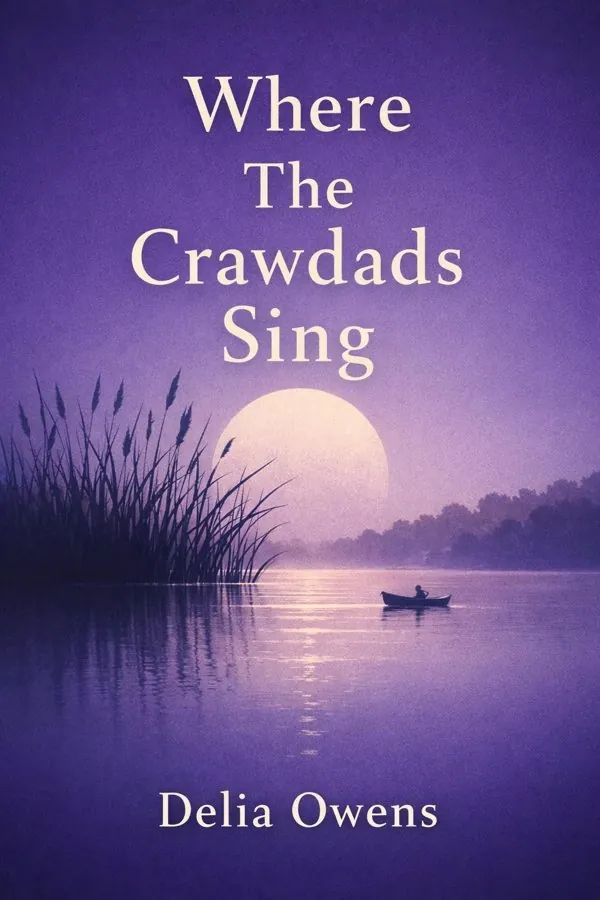
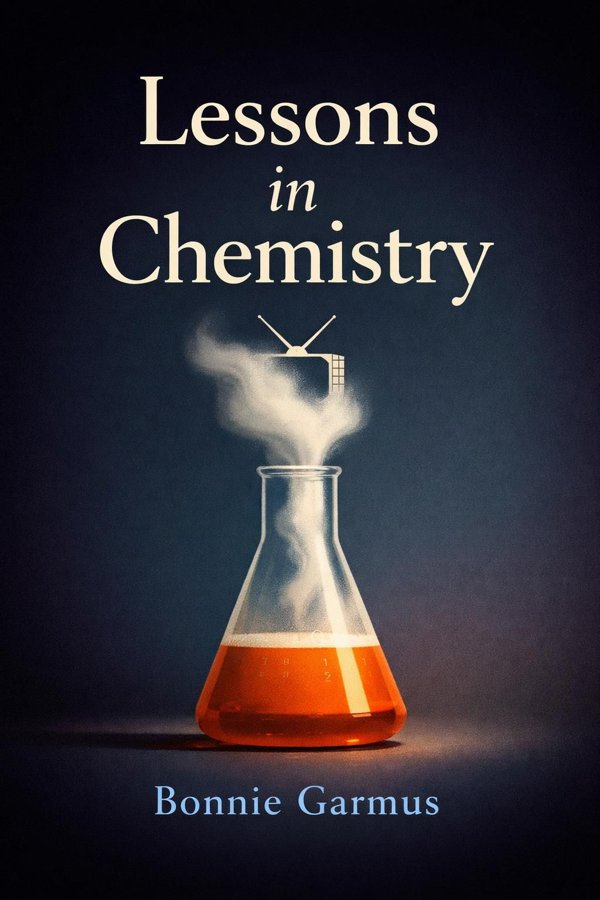
Where the Crawdads Sing
Lessons in Chemistry
In-Depth Analysis
Where the Crawdads Sing and Lessons in Chemistry are both bestselling works of contemporary fiction built around singular female protagonists, yet they produce their power through very different narrative engines. Delia Owens creates an atmospheric survival narrative fused with a murder mystery, while Bonnie Garmus delivers a satirical, feminist historical novel about intellect, television, and institutional misogyny. Put simply, Owens asks how a girl survives when nearly every human structure fails her; Garmus asks what happens when a brilliant woman refuses to shrink herself for a society that insists she must.
At the center of Where the Crawdads Sing is Kya Clark, the so-called “Marsh Girl,” whose identity is shaped by layered abandonment. Her mother leaves first, then her siblings, and finally her violent father disappears too, leaving Kya to fend for herself in the marsh outside Barkley Cove. Owens makes this more than backstory. Kya’s early deprivation governs how she interprets every later relationship: affection feels precarious, trust feels temporary, and solitude becomes both wound and skill. The marsh is not just setting but surrogate parent. Kya learns tides, shells, feathers, and habitats with the intimacy other children might learn family rituals. This gives the novel its governing idea: nature can be both refuge and moral mirror.
Elizabeth Zott in Lessons in Chemistry also confronts systemic abandonment, though of a different kind. She is not isolated from society like Kya; rather, she is forced to confront it constantly in laboratories, offices, media studios, and homes that dismiss or instrumentalize her. At Hastings Research Institute, Elizabeth’s intelligence is obvious, but the institution sees a woman before it sees a scientist. Garmus uses this repeated condescension to frame the book’s central conflict. Elizabeth is not trying to survive wilderness; she is trying to survive a culture that treats her competence as a social problem. Her relationship with Calvin Evans offers a temporary reprieve because he recognizes her as an intellectual equal. After his death, however, the novel pivots into single motherhood and public reinvention, transforming the kitchen into an arena for scientific and feminist disruption.
The books also differ sharply in how they use genre. Owens blends literary atmosphere with a courtroom mystery, and that suspense architecture shapes the reader’s experience of Kya. We are asked not only to understand her but also to judge her, or at least to examine how quickly a town judges her. Chase Andrews’s death and the subsequent trial expose the social mechanisms that have always marginalized Kya: class snobbery, sexual double standards, and the fear of female otherness. The courtroom scenes do not merely ask whether Kya killed Chase; they ask whether Barkley Cove has ever truly seen her as fully human. Even before the verdict, the town has already converted her difference into guilt.
Lessons in Chemistry uses a more openly comic and polemical mode. Elizabeth becomes the host of Supper at Six, and Garmus turns daytime television into a platform for ideological revolt. Elizabeth does not simply instruct viewers how to cook. She tells women to understand chemical change, to think seriously, and to treat domestic labor not as proof of feminine destiny but as a domain worthy of intellect. This is one of the novel’s sharpest inversions: the medium expected to domesticate Elizabeth becomes the medium through which she radicalizes ordinary viewers. If Kya’s power lies in retreat and observation, Elizabeth’s lies in articulation and public speech.
Stylistically, the contrast is equally strong. Owens writes with sensuous lyricism. Descriptions of marsh grasses, gulls, mudflats, and shell patterns are not decorative; they create an ecological consciousness that explains Kya’s way of perceiving the world. The prose often slows to dwell on natural detail, which reinforces the solitude of Kya’s life. Garmus, by contrast, favors velocity, irony, and aphoristic wit. Her prose invites momentum. Even painful events, including Calvin’s death and Elizabeth’s humiliation at work, are often framed with tonal agility that keeps the novel buoyant. Readers who want immersion and mood may prefer Owens; readers who want energy and sharp social commentary may prefer Garmus.
Another crucial difference lies in each novel’s treatment of love. In Crawdads, Tate Walker offers Kya literacy, companionship, and respect, yet his absence reactivates the primal wound of abandonment. Chase Andrews, meanwhile, embodies seduction wrapped in social danger. Through these men, Owens examines how vulnerable women can be pulled between genuine recognition and manipulative attention. In Lessons in Chemistry, Calvin is not a corrupting force or a lesson in betrayal but a rare model of egalitarian partnership. His death matters so deeply because it removes the one person who understood Elizabeth without requiring her to perform femininity for approval.
Both novels are interested in women made legible on their own terms, but they imagine that process differently. Kya becomes legible through patient self-fashioning: learning to read, publishing her work on shells and marsh ecology, and constructing an inner life independent of social acceptance. Elizabeth becomes legible through confrontation: refusing sexist diminishment, raising Madeline unconventionally, and transforming public language around science and domesticity. Kya’s triumph is private and partially hidden; Elizabeth’s is public and contagious.
For many readers, the deciding factor will be emotional texture. Where the Crawdads Sing is more melancholic, more secretive, and more morally ambiguous, particularly in its ending. Lessons in Chemistry is angrier on the surface but ultimately warmer and more overtly empowering. Owens leaves readers with uneasy admiration. Garmus leaves them with energized defiance. Both are memorable, but they satisfy different literary appetites: one for haunting atmosphere and unresolved ethical complexity, the other for incisive social critique delivered with humor and heart.
Side-by-Side Comparison
| Aspect | Where the Crawdads Sing | Lessons in Chemistry |
|---|---|---|
| Core Philosophy | Where the Crawdads Sing centers on survival, belonging, and the idea that identity can be shaped as much by landscape and neglect as by family or society. Kya’s life suggests that human beings can be formed by isolation yet still hunger for recognition and love. | Lessons in Chemistry argues that intellect, dignity, and ambition should not be constrained by gender norms. Elizabeth Zott’s story is built on the belief that systems can be challenged when a person refuses to accept the categories assigned to her. |
| Writing Style | Delia Owens writes in lush, atmospheric prose, using the marsh as both physical setting and emotional mirror. The novel moves between lyrical nature writing, intimate character study, and courtroom suspense. | Bonnie Garmus uses brisk, witty, highly readable prose with satirical bite. The novel balances emotional loss with comic sharpness, often using dialogue and situational irony to expose sexism and social absurdity. |
| Practical Application | Its practical value is mostly emotional and reflective rather than instructional: it invites readers to think about prejudice, trauma, loneliness, and resilience. Readers may come away with greater empathy for outsiders and a deeper appreciation for the relationship between environment and identity. | Its practical application is more overt, especially around confidence, persistence, and questioning institutional bias. Elizabeth’s insistence on precision, self-respect, and intellectual seriousness offers readers a more directly motivating model. |
| Target Audience | This novel will appeal strongly to readers who enjoy literary-commercial fiction, Southern Gothic atmosphere, coming-of-age stories, and mysteries with emotional depth. It is especially suited to readers who want immersion in setting and mood. | This book is ideal for readers who like feminist historical fiction, character-driven satire, and uplifting stories about women breaking barriers. It also suits book clubs looking for accessible themes around work, motherhood, and social change. |
| Scientific Rigor | Although written by a zoologist, the novel’s science appears mainly through Kya’s observational work in the marsh, her shell studies, and her taxonomic curiosity. The natural history details feel grounded and specific, but they serve atmosphere and character more than formal scientific argument. | Science is central to the novel’s identity, but it functions more as metaphor, language, and thematic framework than strict scientific exposition. Chemistry concepts reinforce Elizabeth’s worldview, though the book prioritizes social critique and character over technical depth. |
| Emotional Impact | Where the Crawdads Sing is piercing in its depiction of abandonment, hunger, shame, and the fragility of trust. Its emotional force comes from Kya’s childhood losses, her tentative relationships with Tate and Chase, and the novel’s morally unsettling ending. | Lessons in Chemistry delivers a different emotional register: indignation, grief, humor, and eventual empowerment. Calvin’s death, Elizabeth’s struggles as a single mother, and her bond with Madeline create warmth even as the novel critiques injustice. |
| Actionability | The book is less actionable in a self-help sense; its lessons are existential and interpretive rather than prescriptive. It changes how readers feel and think more than what they are likely to do. | Lessons in Chemistry is more actionable because its themes naturally translate into behavior: speak precisely, resist condescension, value your expertise, and challenge unfair structures. Readers may find it easier to convert Elizabeth’s example into daily confidence. |
| Depth of Analysis | The novel offers layered questions about class prejudice, gendered vulnerability, the legal system, and whether society creates the very outcasts it later condemns. Its symbolism is subtle, especially in how the marsh reflects Kya’s adaptive instincts. | Garmus’s novel is analytically strongest in its critique of mid-century sexism, media culture, and domestic expectations. It can be blunt where Crawdads is oblique, but that directness gives its arguments clarity and force. |
| Readability | Despite its lyrical passages, the novel is highly readable because it combines emotional immediacy with a mystery structure. The courtroom thread and shifting timelines sustain momentum even for readers who do not usually read literary fiction. | Lessons in Chemistry is extremely accessible, propelled by humor, short scenes, and a charismatic central voice. It is generally the easier and faster read for beginners because its tone is lighter even when the subject matter is serious. |
| Long-term Value | This book lingers through imagery, atmosphere, and moral ambiguity; many readers remember the marsh almost as vividly as Kya herself. It rewards rereading because the ending changes how earlier scenes are interpreted. | Its long-term value lies in its quotable intelligence, social critique, and inspirational energy. Readers may return to it less for mystery than for Elizabeth’s defiant perspective on work, womanhood, and public voice. |
Key Differences
Solitude vs Public Defiance
Kya’s story is fundamentally about a life built in isolation, where survival depends on adapting to the marsh and mistrusting human institutions. Elizabeth’s story, by contrast, unfolds in public arenas such as laboratories and television studios, where she fights openly against sexist expectations.
Nature as Home vs Science as Language
In Where the Crawdads Sing, nature is habitat, teacher, and emotional refuge; Kya’s shell studies and marsh observations are extensions of her identity. In Lessons in Chemistry, science operates less as landscape than as worldview, giving Elizabeth a precise vocabulary to challenge ignorance and reclaim authority.
Mystery Structure vs Social Satire
Owens builds suspense around Chase Andrews’s death, using the investigation and trial to expose the town’s prejudices. Garmus relies less on suspense and more on satirical escalation, especially as Elizabeth’s cooking show becomes a vehicle for criticizing gender norms.
Hidden Knowledge vs Broadcast Influence
Kya’s intelligence develops privately and is recognized slowly, mainly through her published work on marsh life and the quiet respect of people like Tate. Elizabeth’s intelligence becomes public performance, reaching viewers through Supper at Six and influencing women far beyond her immediate circle.
Romantic Vulnerability vs Equal Partnership
Kya’s relationships with Tate and Chase reveal how abandonment makes love both necessary and dangerous, with Chase especially representing manipulation and social threat. Elizabeth’s relationship with Calvin is notable because it is built on mutual intellectual respect rather than rescue, control, or mystique.
Melancholic Ambiguity vs Uplifting Assertion
Where the Crawdads Sing ends with a morally complicated revelation that recasts the novel in a darker, more ambiguous light. Lessons in Chemistry, while marked by grief, trends toward affirmation, empowerment, and the possibility of cultural change.
Class Exclusion vs Institutional Sexism
Kya is marginalized as poor, feral-seeming, and socially other, and the town’s contempt is rooted in class hierarchy as much as gender. Elizabeth’s central obstacle is not exclusion from community life altogether but systematic devaluation within elite and supposedly rational institutions.
Who Should Read Which?
The reader who loves lyrical settings, mystery, and emotionally intense character studies
→ Where the Crawdads Sing
This reader will likely respond to the marsh as a living presence and to the way Kya’s childhood abandonment shapes every later choice. The murder investigation adds momentum, but the deeper appeal is the haunting psychological portrait and the book’s rich ecological atmosphere.
The reader seeking feminist historical fiction with humor and momentum
→ Lessons in Chemistry
Elizabeth Zott offers a compelling blend of brilliance, bluntness, and vulnerability, and the novel’s critique of sexism is both sharp and entertaining. Its television setting, domestic reinvention, and women-in-STEM themes make it especially satisfying for readers who want outrage balanced by wit.
The book club reader who wants broad discussion topics and accessible prose
→ Lessons in Chemistry
It gives groups plenty to discuss immediately: workplace inequality, motherhood, identity, media, science, and the expectations imposed on women. While Where the Crawdads Sing is also discussable, Lessons in Chemistry tends to produce wider-ranging conversation with less need to unpack ambiguity first.
Which Should You Read First?
If you plan to read both, start with Lessons in Chemistry and follow with Where the Crawdads Sing. Garmus’s novel is faster, funnier, and more immediately accessible, making it an easier entry point. Its themes are clear from the start, and Elizabeth Zott’s voice pulls the reader through scenes of workplace sexism, grief, motherhood, and public reinvention with strong narrative momentum. Beginning there gives you an energizing, idea-rich experience. Then move to Where the Crawdads Sing when you are ready for something more atmospheric and emotionally immersive. Owens’s novel rewards slower attention: the marsh descriptions, the gradual building of Kya’s inner life, and the mystery surrounding Chase Andrews all deepen over time. Reading it second can also be fruitful because it offers a striking contrast to Elizabeth’s public defiance. After witnessing a woman challenge society head-on in Lessons in Chemistry, you can appreciate Kya’s quieter, more solitary form of resistance even more fully.
Want the full summary?
Get instant access to this book summary and 100K+ more with Fizz Moment.
Get Free SummaryAvailable on App Store • Free to download
Frequently Asked Questions
Is Where the Crawdads Sing better than Lessons in Chemistry for beginners?
For most beginners, Lessons in Chemistry is the easier starting point. Its prose is brisk, often funny, and structurally straightforward, with a highly accessible central premise: a gifted chemist becomes a TV cooking host in the 1960s and uses that platform to challenge sexism. Where the Crawdads Sing is still very readable, but it asks more patience from the reader because of its lyrical marsh descriptions, shifting timelines, and mystery framework. If a beginner prefers suspense, nature writing, and emotional intensity, Crawdads may still work beautifully. If they want momentum, wit, and clear thematic stakes, Lessons in Chemistry is usually the better entry point.
Which book has stronger female empowerment themes: Where the Crawdads Sing or Lessons in Chemistry?
Lessons in Chemistry presents female empowerment more directly and explicitly. Elizabeth Zott confronts sexism in scientific institutions, motherhood, television culture, and everyday language, and the novel repeatedly shows her refusing to compromise her intellect to make others comfortable. Where the Crawdads Sing is also about female resilience, but in a quieter, less programmatic way. Kya’s empowerment comes through survival, self-education, ecological expertise, and emotional endurance rather than public resistance. If you want a novel that openly critiques patriarchy and inspires rebellion, choose Lessons in Chemistry. If you want a subtler portrait of a woman creating selfhood despite abandonment and social exclusion, choose Crawdads.
Is Lessons in Chemistry or Where the Crawdads Sing more emotional?
Both are emotional, but they create different kinds of feeling. Where the Crawdads Sing is more sorrowful, immersive, and haunting. Kya’s childhood abandonment, her hunger for love, and the community’s rejection produce a steady ache that lingers long after the plot ends. Lessons in Chemistry mixes grief with humor and indignation. Calvin’s death and Elizabeth’s struggles as a single mother are genuinely moving, but the novel often converts pain into momentum and wit. If you want cathartic melancholy and atmospheric loneliness, Crawdads hits harder. If you want emotional depth balanced by comedy, hope, and righteous anger, Lessons in Chemistry may feel more rewarding.
Which novel is better for book clubs: Where the Crawdads Sing vs Lessons in Chemistry?
Both are excellent book club picks, but for different reasons. Where the Crawdads Sing generates discussion around its ending, the ethics of survival, the role of nature in identity, and whether the town’s prejudice shapes the reader’s own assumptions. It also invites debate about class and justice in the courtroom sections. Lessons in Chemistry is often even more book-club-friendly because its themes are immediately discussable: sexism in the workplace, unpaid domestic labor, single motherhood, media influence, and women in STEM. It tends to spark more contemporary parallels, while Crawdads may lead to more interpretive and symbolic conversation. Choose based on whether your group prefers moral ambiguity or social critique.
How do the science elements compare in Where the Crawdads Sing and Lessons in Chemistry?
The science in Where the Crawdads Sing is ecological and observational. Kya studies shells, birds, marsh life, and patterns in the natural world, and those details deepen both setting and character. Science there is intimate, field-based, and tied to survival. In Lessons in Chemistry, science is conceptual, linguistic, and ideological. Elizabeth uses chemistry not only as a profession but as a way of explaining order, transformation, and truth. The book does not function like a technical science novel; instead, chemistry becomes a vocabulary for challenging domestic stereotypes and intellectual condescension. Readers who enjoy nature-focused science may prefer Crawdads, while readers drawn to women-in-STEM themes will likely prefer Lessons in Chemistry.
If I liked the mystery in Where the Crawdads Sing, will I enjoy Lessons in Chemistry?
Possibly, but not for the same reason. Where the Crawdads Sing contains a genuine mystery structure centered on Chase Andrews’s death, the investigation, and the trial, so part of its momentum comes from suspense and withheld truth. Lessons in Chemistry is not driven by a whodunit plot. Its tension comes from whether Elizabeth can retain her integrity and reshape the world around her despite sexism, grief, and public scrutiny. If what you loved in Crawdads was pacing, emotional stakes, and a distinctive female protagonist, then Lessons in Chemistry may still satisfy you. If what you most wanted was murder-mystery suspense, it will feel very different.
The Verdict
These novels are comparable in popularity and in their focus on unconventional women, but they ultimately satisfy different reading desires. Where the Crawdads Sing is the stronger choice if you want atmosphere, solitude, nature writing, and a story shaped by abandonment, class prejudice, and moral ambiguity. Its greatest achievement is Kya herself: a protagonist whose inner life feels inseparable from the marsh that shelters and forms her. The courtroom plot adds propulsion, but the book’s true power lies in its haunting portrait of survival and in the unsettling questions it leaves behind. Lessons in Chemistry is the better pick if you want a more outward-facing, idea-driven novel with wit, momentum, and explicit feminist critique. Elizabeth Zott is memorable not because she is mysterious, but because she is uncompromising. Her movement from laboratory marginalization to televised authority gives the book an energizing arc, and its treatment of sexism, motherhood, and public speech makes it especially resonant for contemporary readers. If forced to recommend one for the broadest audience, Lessons in Chemistry has the edge because it is more immediately accessible, more versatile in tone, and easier to hand to a wide range of readers. But if your priority is emotional immersion and literary atmosphere rather than social satire and uplift, Where the Crawdads Sing may be the more affecting and artistically distinctive experience. Neither is simply “better”; each excels in a different emotional and thematic register.
Related Comparisons



Want to read both books?
Get AI-powered summaries of both Where the Crawdads Sing and Lessons in Chemistry in just 20 minutes total.