
The Kite Runner vs A Man Called Ove: Which Should You Read?
A detailed comparison of The Kite Runner by Khaled Hosseini and A Man Called Ove by Fredrik Backman. Discover the key differences, strengths, and which book is right for you.
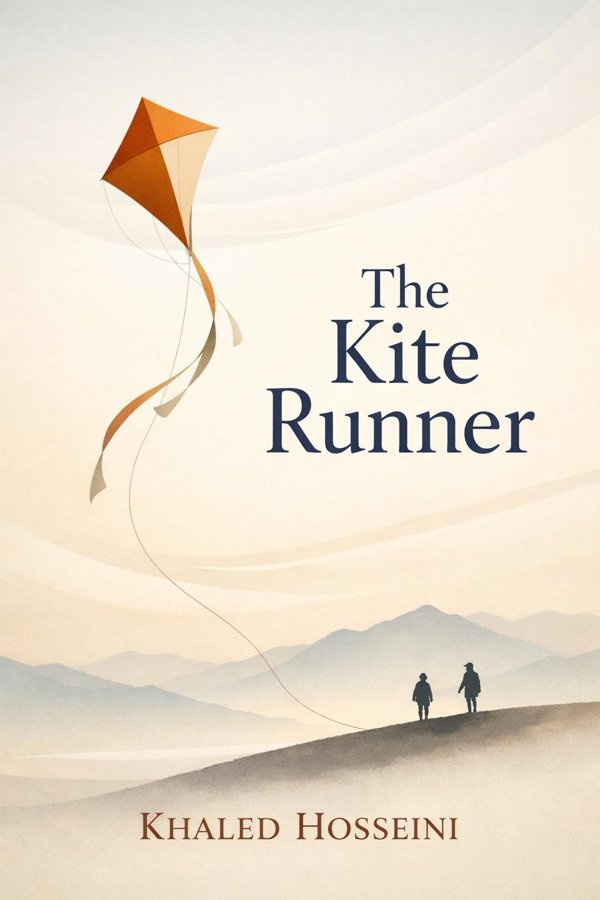
The Kite Runner
A Man Called Ove
In-Depth Analysis
Although The Kite Runner and A Man Called Ove are both accessible, emotionally driven works of fiction, they operate on strikingly different scales and ask different things of the reader. Khaled Hosseini’s novel is a sweeping story of betrayal, class, ethnicity, exile, and historical devastation, while Fredrik Backman’s novel is an intimate tragicomic portrait of grief softened by neighborhood life. Put simply, The Kite Runner confronts the reader with moral failure that cannot be undone; A Man Called Ove shows how ordinary human contact can slowly pull someone back from emotional extinction.
The most obvious difference is narrative scope. The Kite Runner begins in 1970s Kabul, where Amir and Hassan grow up in a world structured by hierarchy even before politics destroys it. Amir is a privileged Pashtun, Hassan a Hazara servant’s son; their friendship is loving but unequal from the start. Hosseini makes this imbalance central, not incidental. The alley assault after the kite tournament is devastating not only because of the violence itself, but because it crystallizes Amir’s deepest flaw: he values Baba’s approval and his own comfort over Hassan’s safety. The novel’s enduring power comes from the fact that this is not a misunderstanding or youthful accident. Amir sees, knows, and does nothing. Everything that follows—his cruelty toward Hassan, the framing with the stolen watch and money, the departure of Ali and Hassan, and his later life in America—unfolds under the shadow of that choice.
A Man Called Ove, by contrast, is less concerned with a single irreparable betrayal than with the afterlife of loss. Ove is introduced as a neighborhood curmudgeon policing parking rules, mailboxes, and proper behavior. Backman invites readers initially to laugh at his rigidity, but the novel carefully transforms that comic surface into an anatomy of grief. Through flashbacks, we see Ove’s love for Sonja, his practical competence, his principled stubbornness, and the ways life repeatedly humiliates and wounds him. The structure matters: instead of moving from innocence to guilt, as The Kite Runner does, Ove moves from apparent bitterness to revealed tenderness. Where Amir’s interior life is defined by concealment, Ove’s is defined by misrecognition. People think they understand him because he is rude; Backman’s achievement is to show how incomplete that judgment is.
Their emotional strategies are also quite different. Hosseini aims for tragic intensity. Scenes like the kite tournament, Baba’s illness in America, and Amir’s return to Taliban-ruled Afghanistan are designed to accumulate moral and historical weight. Even the famous line, “For you, a thousand times over,” changes meaning across the novel, moving from childhood devotion to a redemptive echo at the end. Backman, on the other hand, relies on tonal oscillation. Ove’s attempted suicides are interrupted by mundane neighborly chaos: Parvaneh needs help, a cat appears, someone cannot drive properly, somebody needs a radiator fixed. This structure could have felt schematic, but Backman uses repetition to make a larger point. Life does not save Ove through revelation or grand moral reckoning; it saves him by making him necessary again.
Another major distinction lies in how each novel treats society. The Kite Runner is deeply embedded in Afghanistan’s political history. The Soviet invasion, refugee life in California, and the brutality of Taliban rule are not just backdrop but pressure systems shaping identity and conscience. Amir’s private guilt is repeatedly mirrored by public collapse. His betrayal of Hassan sits inside larger patterns of ethnic prejudice against Hazaras and a broader national story of violence and denial. This gives the novel an allegorical dimension: the personal and political are inseparable. A Man Called Ove is social too, but in a far more local sense. Its world is a housing area, a workplace memory, a marriage, a circle of neighbors. Institutions appear—health systems, bureaucracy, property rules—but the novel’s central social unit is the small community. Backman’s focus is not national trauma but everyday interdependence.
The protagonists also differ sharply as moral centers. Amir is compelling because he is compromised. He narrates from a position of retrospective shame, and the reader’s trust in him depends on his willingness to expose his own cowardice. His later rescue of Sohrab matters precisely because it does not erase what he did to Hassan. Redemption in The Kite Runner is partial, costly, and ethically insufficient in the clean sense readers may want. Ove, however, is morally decent long before he becomes socially legible. His problem is not hidden treachery but grief turned into severity. He must be rejoined to life, not taught the basics of conscience.
In terms of craftsmanship, Hosseini’s novel is stronger in symbolic architecture and historical breadth, while Backman’s is stronger in comic timing and cumulative character revelation. Hosseini uses recurring objects and phrases—kites, cleft lip imagery, the slingshot, the pomegranate tree—to bind childhood memory to adult reckoning. Backman builds meaning through pattern: every irritated interaction with neighbors slowly becomes evidence of attachment. If The Kite Runner feels like a moral tragedy with a national canvas, A Man Called Ove feels like a chamber piece about grief that opens into communal warmth.
Which is the better novel depends on what one values. The Kite Runner is more ambitious, more devastating, and more analytically rich. It is the book to choose for readers who want fiction that fuses personal guilt with history and leaves difficult ethical questions unresolved. A Man Called Ove is the better choice for readers seeking emotional accessibility, humor alongside sadness, and a redemptive faith in everyday kindness. Both are memorable, but they endure for different reasons: Hosseini because he refuses to let betrayal become simple, Backman because he shows that love can persist in habit, annoyance, and practical care long after joy seems lost.
Side-by-Side Comparison
| Aspect | The Kite Runner | A Man Called Ove |
|---|---|---|
| Core Philosophy | The Kite Runner is built around moral accountability, the persistence of guilt, and the difficult possibility of redemption. Amir’s journey suggests that personal cowardice can scar an entire life, but also that ethical repair, though incomplete, remains necessary. | A Man Called Ove centers on grief, human connection, and the quiet dignity of ordinary responsibility. Ove’s worldview begins in rigid order and resentment, but the novel argues that community can slowly restore meaning to a life narrowed by loss. |
| Writing Style | Hosseini writes in an emotionally direct, image-rich style that balances intimate confession with historical sweep. His prose often uses recurring motifs—kites, scars, pomegranate trees, slingshots—to link childhood innocence with later trauma. | Backman’s style is conversational, ironic, and warmly comic even when addressing loneliness and death. He alternates present-day neighborhood scenes with flashbacks that gradually reveal why Ove’s bluntness masks loyalty, pain, and devotion. |
| Practical Application | Its practical value lies less in behavior tips than in moral reflection: it invites readers to examine complicity, class privilege, ethnic prejudice, and the cost of silence. It is especially useful for discussions of guilt, exile, father-son expectations, and historical trauma. | A Man Called Ove offers more immediately relatable social lessons about patience, intergenerational friendship, caregiving, and checking on isolated neighbors. Readers may come away more attentive to hidden grief and less quick to dismiss difficult personalities. |
| Target Audience | Best suited to readers who want emotionally intense literary-commercial fiction with historical and political depth. It appeals strongly to book clubs, students, and readers interested in Afghanistan, immigration, and redemptive narratives. | Best for readers who enjoy character-driven contemporary fiction, bittersweet humor, and uplifting stories about community. It is especially accessible to readers who like curmudgeon-with-a-heart narratives and emotionally satisfying ensemble casts. |
| Scientific Rigor | As a work of fiction, it has no scientific framework, but it carries substantial psychological realism in its portrayal of shame, repression, and trauma. Its historical backdrop—monarchy, Soviet invasion, Taliban rule—adds sociopolitical seriousness to the narrative. | It also lacks scientific rigor in a formal sense, but it is psychologically persuasive about bereavement, routine, suicidal ideation, and social reattachment. Its realism comes from behavioral detail rather than historical or institutional analysis. |
| Emotional Impact | The emotional force is devastating and cumulative, especially in the alley assault, Baba’s decline, and Amir’s return to Taliban-controlled Kabul. The novel works by making readers sit with guilt and then testing whether redemption can ever match the original harm. | Its emotional impact comes through contrast: deadpan comedy gives way to deep sorrow as Ove’s life with Sonja is revealed. The book repeatedly shifts from laughter to tenderness, making its pathos feel earned rather than manipulative. |
| Actionability | The novel is ethically provocative but not highly actionable in a step-by-step sense; it changes readers more through self-examination than through direct guidance. Its strongest call is to confront past failures rather than rationalize them. | This book is more actionable at the everyday level because it models small acts of care: helping neighbors, showing persistence, and taking lonely people seriously. Its lessons can be translated into daily behavior more readily than Hosseini’s grander moral drama. |
| Depth of Analysis | The Kite Runner supports rich analysis across multiple layers: ethnic hierarchy between Pashtuns and Hazaras, masculinity, migration, and the relation between private betrayal and national collapse. It rewards close reading because symbols and plot turns echo one another across decades. | A Man Called Ove has depth too, especially in its treatment of grief, masculinity, aging, and social belonging, but it is narrower in historical and political scope. Its complexity lies primarily in character revelation and tonal control rather than broad cultural commentary. |
| Readability | Despite the heaviness of its subject matter, the narrative is highly readable because Hosseini structures it around suspense, confession, and long-term consequences. Some readers may find the violence and emotional intensity challenging, but the prose itself is accessible. | Backman is extremely readable, using short comic beats, repeating neighborhood interactions, and clear emotional signposting. Even readers who do not usually read literary fiction often find Ove easy to enter because of its humor and episodic momentum. |
| Long-term Value | It has strong long-term value for readers interested in rereading, teaching, and discussing moral injury and historical memory. The novel often lingers because its central betrayal is unforgettable and its redemption remains morally complicated. | Its long-term value lies in comfort, empathy, and rereadability; many readers return to it for its humane portrait of community and resilience. It may be less analytically expansive than The Kite Runner, but it endures through emotional generosity and universal recognizability. |
Key Differences
Scale of Storytelling
The Kite Runner spans decades and moves from monarchical Kabul to Soviet invasion, refugee America, and Taliban rule, giving it a broad historical canvas. A Man Called Ove stays comparatively local, using a neighborhood and a handful of relationships to explore one man’s grief and renewal.
Central Emotional Engine
Hosseini drives his novel through guilt and betrayal, especially Amir’s failure to protect Hassan after the kite tournament. Backman builds his story around bereavement and isolation, showing how Ove’s life after Sonja’s death becomes bearable again through reluctant community ties.
Tone
The Kite Runner is serious, tense, and often tragic, with moments of tenderness overshadowed by violence and regret. A Man Called Ove mixes melancholy with dry comedy, using Ove’s irritation with modern life and his neighbors as a route into deeper feeling.
Type of Redemption
In The Kite Runner, redemption is painful, incomplete, and morally contested; Amir’s later actions matter, but they cannot erase what he did. In A Man Called Ove, redemption is gentler and more communal, arriving through daily usefulness, affection, and renewed belonging.
Use of Supporting Characters
Hassan, Baba, Rahim Khan, Assef, and Sohrab function in The Kite Runner as moral mirrors and catalysts in Amir’s journey. In A Man Called Ove, Parvaneh, Sonja, the cat, and the surrounding neighbors gradually dismantle Ove’s isolation and reveal his hidden capacities for care.
Political and Social Context
The Kite Runner is deeply shaped by ethnic prejudice and political upheaval, especially the Pashtun-Hazara divide and the effects of war and exile. A Man Called Ove engages social reality more through everyday institutions, aging, and community life than through large-scale political conflict.
Reading Experience
Reading The Kite Runner often feels like entering a moral trial: it is gripping, painful, and difficult to shake off. Reading A Man Called Ove feels more like emotional thawing, where initial amusement slowly opens into compassion and bittersweet affirmation.
Who Should Read Which?
The reader who wants emotionally intense, morally complex fiction
→ The Kite Runner
This reader will appreciate Amir’s compromised narration, the unforgettable betrayal at the novel’s center, and the way private guilt intersects with Afghanistan’s history. The book offers rich symbolism, difficult ethical questions, and a lasting sense of tragic consequence.
The reader who wants warmth, humor, and a cathartic but comforting story
→ A Man Called Ove
Backman’s novel is ideal for someone who likes tearjerkers softened by comedy and humane observation. Ove’s interactions with Parvaneh, the neighbors, and even the cat create a deeply satisfying arc from isolation to connection.
The book club or classroom reader looking for discussion material
→ The Kite Runner
It generates stronger debate around ethnicity, masculinity, migration, violence, and the limits of redemption. Specific scenes and symbols—the kite tournament, the alley, Baba’s secrets, Sohrab’s rescue—give groups a lot to analyze beyond immediate emotional response.
Which Should You Read First?
If you plan to read both, start with A Man Called Ove and follow it with The Kite Runner. Backman’s novel is the gentler entry point: its humor, short scenes, and community-centered structure make it easy to settle into, even though it deals with loneliness and death. It prepares you emotionally without exhausting you. Then move to The Kite Runner when you are ready for a heavier, more historically grounded work that asks harder questions about guilt, complicity, and redemption. That order also creates an interesting contrast. Ove shows how human connection can rescue a person from despair in everyday life; The Kite Runner then tests a darker question—whether connection can survive betrayal and historical violence. If you reverse the order, The Kite Runner may leave such a strong emotional mark that Ove feels comparatively lighter and less consequential than it actually is. Starting with Ove and ending with Hosseini gives you an upward path into greater moral and emotional intensity.
Want the full summary?
Get instant access to this book summary and 100K+ more with Fizz Moment.
Get Free SummaryAvailable on App Store • Free to download
Frequently Asked Questions
Is The Kite Runner better than A Man Called Ove for beginners?
For beginners, A Man Called Ove is usually the easier starting point. Its prose is lighter, the chapter-by-chapter momentum is driven by humor and neighborhood incidents, and Ove’s emotional arc is easy to follow even when the subject turns serious. The Kite Runner is also very readable, but it asks readers to confront sexual violence, ethnic discrimination, war, and sustained guilt. If by “better for beginners” you mean emotionally approachable and stylistically welcoming, Backman often wins. If you mean memorable, discussion-rich, and morally layered, The Kite Runner may be the stronger first serious contemporary novel.
Which book is more emotionally devastating: The Kite Runner or A Man Called Ove?
The Kite Runner is more emotionally devastating in a tragic sense. The alley scene, Amir’s long silence, Baba’s decline, and the return to Afghanistan give the novel a cumulative grief tied to both personal betrayal and national collapse. A Man Called Ove can be deeply moving, especially in its portrayal of bereavement and loneliness, but it repeatedly cushions sorrow with comedy, companionship, and warmth. Backman wants readers to cry, but he also wants them to feel restored. Hosseini is harsher: he insists that some damage cannot be cleanly repaired, which is why his novel often leaves a deeper wound.
What are the biggest themes in The Kite Runner vs A Man Called Ove?
The Kite Runner is fundamentally about guilt, betrayal, ethnic hierarchy, father-son longing, exile, and the pursuit of redemption. Its key dramatic engine is Amir’s failure to act and the lifelong consequences of that moral collapse. A Man Called Ove focuses on grief, loneliness, aging, routine, masculinity, and the healing power of community. Ove’s story asks how a life hollowed by loss can regain purpose through unwanted but ultimately life-saving human connection. Both books value love and loyalty, but Hosseini examines violated loyalty, while Backman examines surviving loyalty after death.
Is A Man Called Ove or The Kite Runner better for a book club discussion?
The Kite Runner is generally better for book clubs that want sustained, high-level discussion. It opens conversations about Afghanistan’s modern history, Pashtun-Hazara relations, masculinity, immigration, trauma, and the ethics of redemption. Nearly every major plot turn invites debate: Was Amir forgivable? What did Baba know or fail to acknowledge? Does rescuing Sohrab redeem anything? A Man Called Ove is also excellent for book clubs, especially those interested in grief, depression, aging, and neighborhood bonds, but its interpretive range is narrower. It often produces heartfelt conversation; The Kite Runner tends to produce more morally and politically layered debate.
Which novel has more literary depth, The Kite Runner or A Man Called Ove?
The Kite Runner has greater literary depth if we measure depth by symbolic design, historical context, and ethical complexity. Hosseini links personal memory to national catastrophe and uses repeated motifs—kites, scars, the slingshot, storytelling—to create echoes across time. A Man Called Ove is not shallow; it is carefully structured and emotionally intelligent, especially in its management of flashbacks and tonal contrast. However, its ambition is more concentrated around one man’s grief and one community’s response. Backman excels in humane storytelling, while Hosseini reaches further into history, class, and moral ambiguity.
Should I read The Kite Runner or A Man Called Ove if I want a hopeful ending?
Choose A Man Called Ove if you want the more reliably hopeful reading experience. Even though it deals openly with death and despair, its emotional design moves toward belonging, mutual care, and the reaffirmation of life through relationships. The Kite Runner ends with a form of hope, especially in Amir’s gesture toward Sohrab, but that hope is fragile and hard-won. It does not erase trauma, and the novel is careful not to offer easy absolution. In other words, both books contain hope, but Backman’s hope comforts while Hosseini’s hope trembles.
The Verdict
If you want the more ambitious, haunting, and discussion-rich novel, choose The Kite Runner. It is the stronger book in terms of moral complexity, symbolic resonance, and historical scope. Hosseini does more than tell a personal story: he places private betrayal inside systems of class, ethnicity, migration, and war, creating a novel that lingers because it refuses easy forgiveness. Readers who value fiction that wounds, challenges, and provokes serious thought will likely find it the more significant achievement. Choose A Man Called Ove if you want a novel that is emotionally generous, highly readable, and restorative without being superficial. Backman is exceptionally skilled at turning comic irritation into compassion, and Ove becomes memorable not because he changes into someone else, but because the reader gradually sees the love already hidden inside his routines and bluntness. It is the better recommendation for readers looking for warmth, humor, and a life-affirming experience. Overall, The Kite Runner is the more powerful literary work, while A Man Called Ove is the more comforting and broadly crowd-pleasing one. They are not really rivals so much as complements: one asks how a person lives after betraying love, the other asks how a person lives after losing it. Your choice should depend on whether you want catharsis through moral reckoning or healing through human connection.
Related Comparisons



Want to read both books?
Get AI-powered summaries of both The Kite Runner and A Man Called Ove in just 20 minutes total.