
To Kill a Mockingbird vs The Great Gatsby: Which Should You Read?
A detailed comparison of To Kill a Mockingbird by Harper Lee and The Great Gatsby by F. Scott Fitzgerald. Discover the key differences, strengths, and which book is right for you.
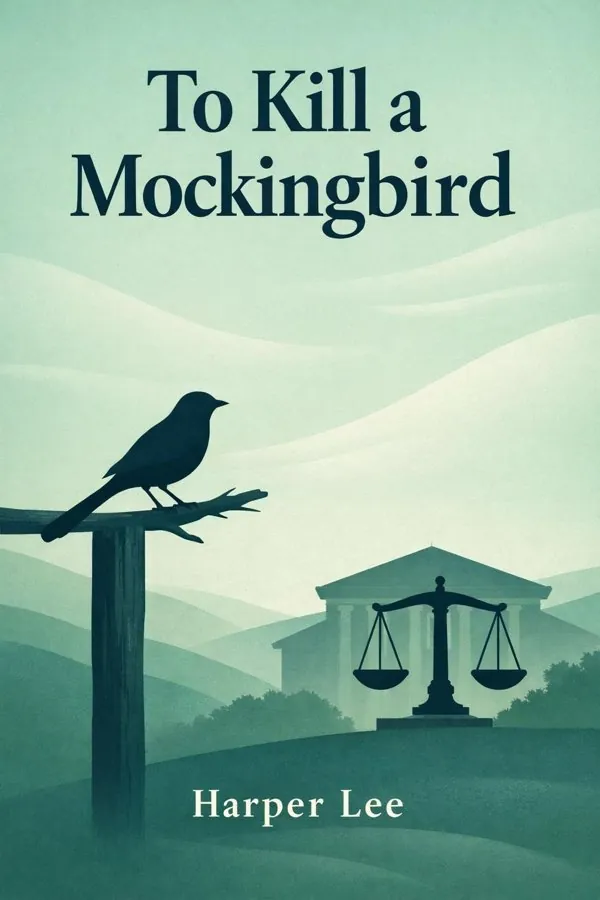
To Kill a Mockingbird
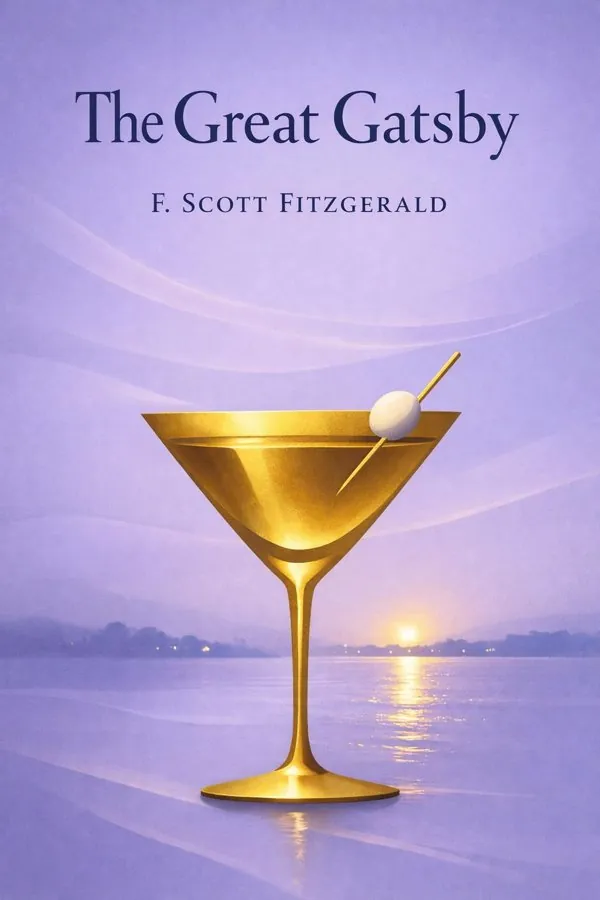
The Great Gatsby
In-Depth Analysis
Harper Lee’s "To Kill a Mockingbird" and F. Scott Fitzgerald’s "The Great Gatsby" are touchstones of American literature, yet they approach their social critiques from fundamentally different angles, both stylistically and philosophically.
Lee’s novel is rooted in the moral education of Scout Finch, a young girl growing up in the racially segregated South. The methodology is one of gradual revelation: the child’s perspective allows the reader to witness the slow erosion of innocence by systemic injustice. Through episodes like Scout’s interactions with Boo Radley or her confusion during Tom Robinson’s trial, Lee exposes the hypocrisy and cruelty embedded in Maycomb’s traditions. Atticus Finch, Scout’s father, stands as the moral center—his insistence on seeing the world from others’ perspectives (“You never really understand a person until you consider things from his point of view… until you climb into his skin and walk around in it”) becomes the novel’s guiding ethos. The trial of Tom Robinson is not merely a plot device but a crucible in which the town’s prejudices are laid bare; the children’s horror and Atticus’s quiet dignity force the reader to confront uncomfortable truths.
In contrast, Fitzgerald’s approach in "The Great Gatsby" is one of ironic detachment. Narrator Nick Carraway is both participant and observer, drawn into Gatsby’s world even as he judges it. The novel’s structure centers on the mystery of Gatsby’s origins, the allure of his wealth, and his obsessive love for Daisy Buchanan. Fitzgerald’s prose is lush and symbolic—the green light at the end of Daisy’s dock, the eyes of Doctor T. J. Eckleburg, and the endless parties are all loaded with meaning. Where Lee’s Maycomb is bounded by tradition and poverty, Fitzgerald’s Long Island is a playground for the rich, where dreams are both made and dashed. Gatsby’s pursuit of Daisy mirrors the larger American Dream: both are ultimately unattainable, and their pursuit leads only to ruin.
Philosophically, Lee’s work is fundamentally optimistic, holding out hope that individual acts of courage and empathy can effect change, however small. When Boo Radley emerges as a protector rather than a monster, and when Scout finally sees the world through his eyes, the novel suggests that understanding and compassion can bridge even the deepest divides. Fitzgerald, by contrast, offers a bleaker vision. Gatsby’s dream is corrupted by materialism and nostalgia; the Buchanans retreat into their wealth, unscathed by the wreckage they leave behind. The final lines—"So we beat on, boats against the current, borne back ceaselessly into the past"—underscore the futility of recapturing lost ideals.
Practically, "To Kill a Mockingbird" can inspire readers to examine their own moral choices and societal roles. The story’s immediacy—Scout’s questions, Jem’s heartbreak, and Atticus’s unwavering principles—make it a powerful tool for awakening empathy and promoting justice. Its impact is evident in how it is frequently used in educational settings to prompt discussions about race, fairness, and civic responsibility. "The Great Gatsby," meanwhile, serves as a warning about the dangers of self-delusion and the seductive, destructive power of dreams. Its critique is less about action and more about recognition: readers are meant to see themselves in Nick’s ambivalence, recognizing both the allure and emptiness of chasing status or lost love.
In terms of literary craft, Lee’s straightforward, evocative narrative voice stands in contrast to Fitzgerald’s ornate, layered sentences. Where Lee relies on clear characterization and moral dilemmas, Fitzgerald employs ambiguity and symbolism—Gatsby himself is an enigma, his parties dazzling but hollow, his love for Daisy both sincere and doomed. This difference in style also affects accessibility: Lee’s work is generally more approachable for younger readers, while Fitzgerald’s subtle irony and allusive prose demand more from the reader.
Ultimately, both novels interrogate the American experience, but from different vantage points. "To Kill a Mockingbird" asks what it means to be just and empathetic in the face of entrenched prejudice; "The Great Gatsby" asks whether the ideals of the American Dream are ever truly attainable, or whether they are illusions that inevitably lead to disappointment. Both books leave a lasting mark on readers, shaping not only how we understand literature, but how we reflect on society and ourselves.
Side-by-Side Comparison
| Aspect | To Kill a Mockingbird | The Great Gatsby |
|---|---|---|
| Core Philosophy | "To Kill a Mockingbird" champions moral integrity and empathy, using Atticus Finch’s defense of Tom Robinson to interrogate racial injustice and ethical responsibility. | "The Great Gatsby" examines the disillusionment of the American Dream and the hollowness beneath wealth, as Gatsby’s relentless pursuit of Daisy reveals the spiritual emptiness of the Roaring Twenties. |
| Narrative Perspective | The story is told through the eyes of Scout, a child whose innocence gradually yields to awareness, providing an intimate and evolving view of Maycomb’s society. | Fitzgerald’s narrative unfolds through Nick Carraway, an outsider who offers a reflective, often critical lens on Gatsby and the privileged elite of Long Island. |
| Setting and Atmosphere | Set in small-town, Depression-era Alabama, the novel immerses readers in a community shaped by tradition, poverty, and prejudice. | The opulent mansions and frenetic parties of Jazz Age Long Island evoke a world of excess, superficiality, and social stratification. |
| Writing Style | Harper Lee employs clear, evocative prose with a strong sense of voice, blending innocence and gravity to create emotional resonance. | Fitzgerald’s style is lyrical and symbolic, rich with imagery and subtle irony, capturing both the allure and the emptiness of his characters’ pursuits. |
| Emotional Impact | The novel’s emotional core is profound, as readers accompany Scout’s journey from innocence to a mature understanding of injustice and compassion. | Gatsby’s longing and inevitable tragedy evoke a poignant sense of loss and futility, leaving the reader with a lingering melancholy. |
| Themes | Lee foregrounds race, justice, and moral courage, challenging readers to confront social bias and the meaning of true integrity. | Fitzgerald interrogates the corrupting influence of wealth, the illusion of love, and the unattainability of the American Dream. |
| Characterization | Characters like Atticus, Scout, and Boo Radley are drawn with nuance, embodying both the flaws and virtues of their community. | Gatsby remains enigmatic, while Daisy and Tom represent the moral ambiguity and carelessness of their class; Nick’s conflicted narration adds complexity. |
| Long-term Value | The novel’s lessons on empathy and justice remain immediately relevant, frequently taught in schools for its enduring moral questions. | As a critique of the American Dream, "The Great Gatsby" continues to captivate and provoke debate about aspiration, disillusionment, and social mobility. |
| Readability | Accessible and engaging, Lee’s prose makes the book suitable for a wide audience, including younger readers. | While beautifully written, Fitzgerald’s dense symbolism and subtle irony may challenge some readers, demanding close attention. |
| Practical Implications | The novel urges readers to examine their own prejudices and moral choices, offering practical lessons in empathy and ethical action. | Rather than proposing solutions, Gatsby serves as a cautionary tale, prompting reflection on the costs of obsession and self-deception. |
Key Differences
Narrative Voice
'To Kill a Mockingbird' uses the innocent, evolving perspective of Scout to gradually reveal the complexities of Maycomb, while 'The Great Gatsby' employs Nick Carraway’s retrospective, morally conflicted narration to mediate the reader’s view of Gatsby and his milieu.
Central Themes
Lee’s novel foregrounds race, justice, and moral education, exemplified by Atticus’s defense of Tom Robinson. Fitzgerald’s work centers on the illusion and corruption of the American Dream, with Gatsby’s pursuit of Daisy symbolizing broader societal disillusionment.
Setting and Social Context
'To Kill a Mockingbird' is set in a small, tradition-bound Southern town during the Great Depression, focusing on community dynamics and prejudice. 'The Great Gatsby' inhabits the glittering, restless world of Jazz Age Long Island, emphasizing class and excess.
Writing Style
Harper Lee’s clear, straightforward prose contrasts with Fitzgerald’s ornate, symbolic, and sometimes ambiguous language, demanding different levels of reader engagement.
Character Development
Lee’s characters, particularly Scout and Atticus, undergo significant growth and change in response to moral challenges, whereas many of Fitzgerald’s characters, including Gatsby and Daisy, remain enigmatic or static, serving more as symbols than fully realized individuals.
Emotional Tone
'To Kill a Mockingbird' offers hope through empathy and personal growth despite injustice, while 'The Great Gatsby' ends on a note of futility and melancholy, highlighting the tragic costs of unfulfilled dreams.
Approach to Social Critique
Lee’s critique is explicit and direct, inviting readers to take a stand against injustice. Fitzgerald’s is more oblique, relying on irony and symbolism to expose the emptiness and moral decay of his characters’ world.
Who Should Read Which?
The High School Student
→ To Kill a Mockingbird
Harper Lee’s novel is both accessible and essential for younger readers. Its clear prose, relatable coming-of-age narrative, and direct engagement with moral and social issues make it a staple for students grappling with questions of justice and empathy.
The Aspiring Literary Critic
→ The Great Gatsby
Fitzgerald’s work is ideal for readers who appreciate layered symbolism, complex irony, and the challenge of interpreting ambiguous characters and themes. It rewards close reading and offers rich material for literary analysis.
The Social Justice Advocate
→ To Kill a Mockingbird
Readers passionate about equity and ethical action will find Lee’s direct confrontation with racism and injustice both stirring and instructive. The novel’s focus on moral courage and personal responsibility remains powerfully relevant.
Which Should You Read First?
For most readers, especially those new to classic American literature or younger audiences, 'To Kill a Mockingbird' is the ideal starting point. Its accessible style, compelling plot, and emotionally vivid characters provide an immediate and meaningful reading experience. The book’s direct engagement with questions of justice, empathy, and social responsibility establishes a strong foundation for thinking critically about literature’s role in society. Afterward, 'The Great Gatsby' can be approached with greater appreciation for its subtleties—readers will be better equipped to parse Fitzgerald’s dense symbolism, irony, and nuanced take on the American Dream. For well-read adults or those already familiar with literary devices and themes of disillusionment, starting with 'The Great Gatsby' may offer a more challenging, rewarding experience. In classroom or comparative settings, reading Lee first often creates a useful contrast before tackling Fitzgerald’s more ambiguous critique.
Want the full summary?
Get instant access to this book summary and 100K+ more with Fizz Moment.
Get Free SummaryAvailable on App Store • Free to download
Frequently Asked Questions
Is 'To Kill a Mockingbird' better than 'The Great Gatsby' for beginners?
Yes, 'To Kill a Mockingbird' is generally better suited for beginners. Harper Lee’s accessible prose and the clear, linear narrative through Scout’s perspective make it easier for new readers to follow. The novel’s themes of justice and empathy are directly explored, often through dialogue and concrete events, which helps readers engage with the material. In contrast, 'The Great Gatsby' features more abstract symbolism, a subtler narrative voice, and complex irony that can be challenging for those new to literary fiction.
Which book deals more directly with issues of race and social justice?
'To Kill a Mockingbird' addresses race and social justice head-on. The plot centers around Atticus Finch’s defense of Tom Robinson, a Black man falsely accused of rape, and exposes the deep-seated racism and injustice in Depression-era Alabama. Through the courtroom drama and the children’s growing awareness, Lee brings these issues to the foreground. 'The Great Gatsby,' while touching on class and social mobility, does not focus on race or justice with the same directness or depth.
Is 'The Great Gatsby' more relevant for readers interested in the American Dream?
Absolutely. 'The Great Gatsby' is perhaps the definitive American novel about the pursuit and disillusionment of the American Dream. Gatsby’s relentless quest for wealth and love, symbolized by the green light, provides a nuanced critique of aspiration and its consequences in a rapidly modernizing society. While 'To Kill a Mockingbird' touches on social mobility, its focus is not on the American Dream in the same symbolic, central way as Fitzgerald’s novel.
Which book has a stronger emotional impact?
Both novels are emotionally powerful, but 'To Kill a Mockingbird' often strikes readers more deeply due to its focus on innocence, loss, and moral awakening. The journey of Scout and Jem as they confront the harsh realities of their community is intensely moving, particularly during Tom Robinson’s trial and its aftermath. 'The Great Gatsby' delivers a quieter, more melancholic impact, evoking the pain of unfulfilled dreams and the emptiness of material success.
Can 'To Kill a Mockingbird' and 'The Great Gatsby' be taught together in a classroom setting?
Yes, teaching these novels together can provide a rich comparative study of American society, literature, and values. Students can explore contrasting portrayals of morality, justice, class, and the American Dream, as well as differences in narrative technique and symbolism. Comparing Scout’s moral growth to Nick’s ambivalence, or Atticus’s integrity to Gatsby’s self-delusion, can foster critical thinking and deeper literary appreciation.
Which novel offers more nuanced character development?
'To Kill a Mockingbird' offers more nuanced development of its main characters. Scout, Jem, and Atticus evolve significantly, confronting complex moral dilemmas that challenge their beliefs and shape their identities. While 'The Great Gatsby' features compelling characters, many, including Gatsby himself, remain enigmatic or are defined by their symbolic roles, such as Daisy’s embodiment of unattainable desire.
The Verdict
Both 'To Kill a Mockingbird' and 'The Great Gatsby' are indispensable works, but their appeal and utility differ depending on the reader’s interests and background. 'To Kill a Mockingbird' is the stronger choice for readers seeking a direct, emotionally resonant exploration of justice, morality, and empathy. Its accessible style, rich character development, and immediate relevance to discussions about race and social responsibility make it ideal for students, book clubs, and anyone interested in moral questions in society. 'The Great Gatsby' is better suited for readers drawn to symbolism, irony, and the complexities of the American Dream. Its more demanding style rewards attentive, reflective readers and those interested in the interplay between aspiration, love, and societal decay. Readers who appreciate lyrical prose and layered narrative will find much to savor here. Ultimately, both books are best experienced with attention to their differences: Lee’s optimism and focus on personal growth versus Fitzgerald’s elegiac meditation on dreams and disappointment. For those new to literary fiction, start with Lee; for those seeking a subtler, more ambiguous critique of American ideals, Fitzgerald is essential. Both, however, offer enduring insights into the human condition.
Related Comparisons

Want to read both books?
Get AI-powered summaries of both To Kill a Mockingbird and The Great Gatsby in just 20 minutes total.