
The 5 Love Languages vs Hold Me Tight: Which Should You Read?
A detailed comparison of The 5 Love Languages by Gary Chapman and Hold Me Tight by Sue Johnson. Discover the key differences, strengths, and which book is right for you.
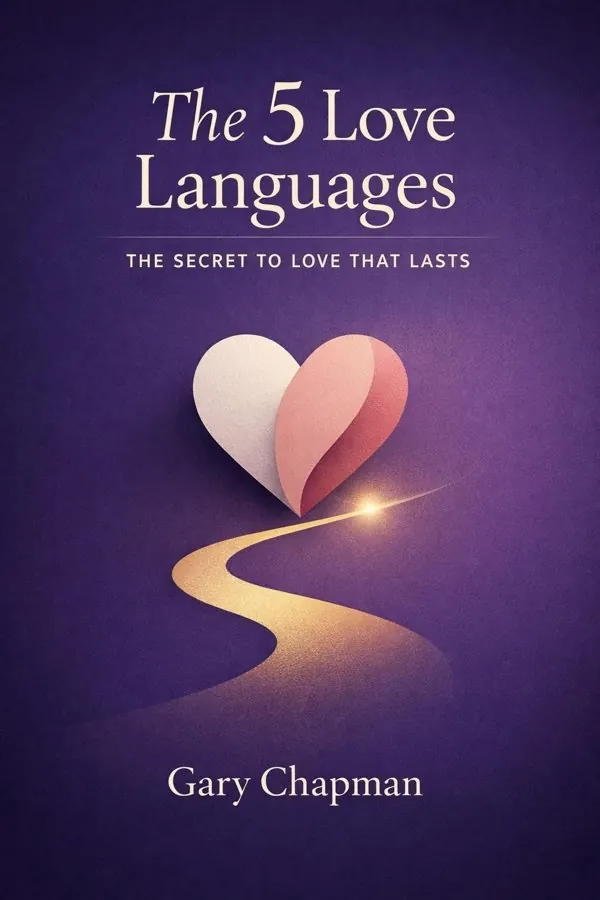
The 5 Love Languages
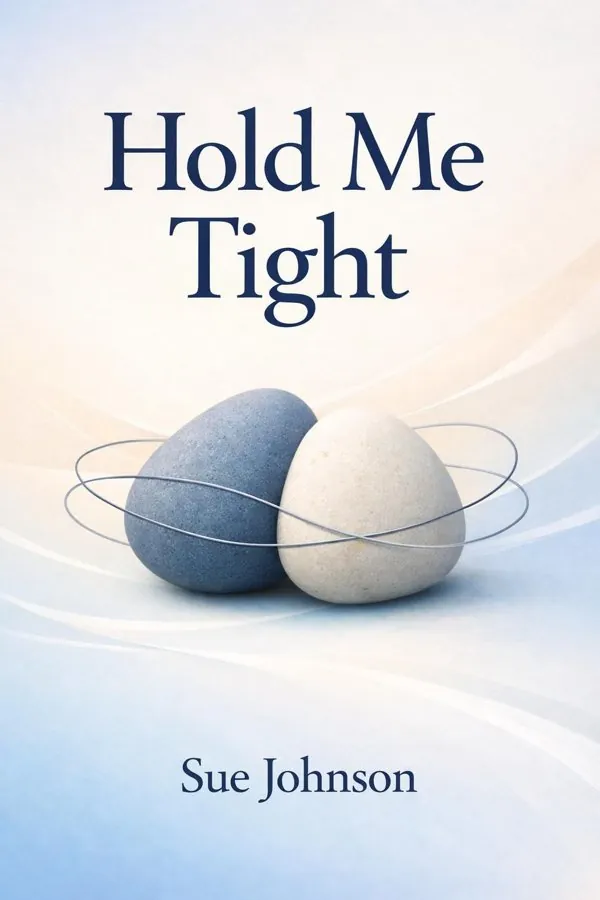
Hold Me Tight
In-Depth Analysis
Gary Chapman’s The 5 Love Languages and Sue Johnson’s Hold Me Tight are both relationship books about helping couples feel more loved, but they diagnose the problem of disconnection at very different levels. Chapman works at the level of communication preference; Johnson works at the level of emotional attachment. That distinction matters, because the books may appear complementary on the surface while actually offering different theories of what love is, why it fails, and how repair happens.
Chapman’s core insight is elegantly simple: people often express love in ways that feel natural to them but fail to land with their partner. One spouse may believe devotion is best shown through acts of service, while the other feels unloved without words of affirmation or quality time. In Chapman’s language, the message is being sent, but in the wrong code. This is why his metaphor of the “emotional love tank” is so effective. It converts an abstract relational problem into a practical one: if your partner’s tank is empty, your intentions alone are not enough; you must learn to fill it in the way they can receive.
That practical simplification is the book’s main strength. The chapters on Words of Affirmation, Quality Time, and Receiving Gifts give readers concrete handles for behavior change. For example, Chapman sharply distinguishes quality time from mere physical proximity; watching television in the same room is not the same as giving undivided attention. That distinction often lands with couples who assume co-presence equals connection. Likewise, his reframing of gifts as visible symbols of love rather than evidence of materialism helps rescue a category many readers initially dismiss. Chapman succeeds because he translates vague frustration into specific, observable habits.
But the same simplicity that makes The 5 Love Languages powerful also limits it. It can explain why affection misses the mark, yet it does not fully explain why couples get trapped in repeating cycles of blame, withdrawal, panic, or numbness. It tells you how to express love more effectively, but less about what happens when one partner cannot hear love because they are flooded by insecurity, resentment, or fear. That is where Hold Me Tight goes much deeper.
Johnson’s framework, rooted in attachment theory and Emotionally Focused Therapy, begins from the claim that adult romantic love is fundamentally about emotional bonding and secure connection. Couples are not just exchanging preferences; they are asking urgent attachment questions: Are you there for me? Can I reach you? Do I matter when I am vulnerable? This shifts the conversation from behavioral style to emotional safety. In Johnson’s account, a harsh argument about chores or silence after work is rarely just about the surface issue. It is often a protest against perceived abandonment, criticism, or inaccessible love.
Her concept of “Demon Dialogues” is especially important because it gives couples a way to see their conflict as a pattern rather than as proof that one partner is simply the villain. A classic example in EFT is the pursue-withdraw cycle: one partner criticizes or presses for contact, the other retreats or shuts down, and each reaction confirms the other’s fear. The pursuer experiences the withdrawal as indifference; the withdrawer experiences the pressure as attack. Johnson’s genius is to show that underneath both reactions is a threatened bond. The surface behaviors differ, but both people are asking for safety in distorted ways.
This is why Hold Me Tight can be more transformative for distressed couples. The book’s structured conversations, such as recognizing the Demon Dialogues, finding raw spots, and revisiting rocky moments, do not merely improve expression; they reorganize the emotional interaction itself. A couple using Chapman’s framework might improve affection by learning that one partner values physical touch while the other needs quality time. A couple using Johnson’s framework might realize that the real issue is that touch has become loaded with rejection, or that time together feels unsafe because every conversation escalates into criticism. Johnson goes beneath the preferred language to the conditions that make any language receivable.
That said, Hold Me Tight is not automatically the better book for every reader. Its emotional demands are higher. Chapman allows readers to make immediate progress without first excavating deep vulnerabilities. For relatively stable couples, or for readers new to relationship work, that is a major advantage. The 5 Love Languages offers a low-resistance entry point into intentional love. It is memorable, nonthreatening, and easy to implement. In many functioning but unsynchronized relationships, that may be enough to create meaningful improvement.
Johnson’s book is stronger when the relationship is not merely out of sync but structurally insecure. If a couple is locked in repeated injury, chronic misattunement, or emotional distance, learning to give the right kind of compliment or gift may help around the edges without reaching the center. Johnson addresses the center. She treats love not as a set of preferences but as an attachment bond vulnerable to alarm and rupture. That gives her book greater explanatory depth and stronger long-term value for couples in pain.
Ultimately, these books are best seen not as direct substitutes but as tools operating at different layers. Chapman helps couples answer, “How does my partner best receive love?” Johnson helps them answer, “What happens between us when love feels threatened?” The first improves transmission; the second repairs the bond. For couples with mild misunderstanding, Chapman may be sufficient. For couples whose misunderstandings are symptoms of deeper insecurity, Johnson is far more powerful. If forced to choose one as the more comprehensive relationship book, Hold Me Tight wins. But if the goal is immediate, accessible behavioral improvement, The 5 Love Languages remains unmatched in clarity and usability.
Side-by-Side Comparison
| Aspect | The 5 Love Languages | Hold Me Tight |
|---|---|---|
| Core Philosophy | Gary Chapman argues that many relationship problems come from mismatched preferred ways of expressing and receiving love. His central model is simple: identify a partner’s primary love language and communicate affection in that form to keep the 'emotional love tank' full. | Sue Johnson frames relationship distress through adult attachment theory. Rather than focusing mainly on preferred expressions of care, she argues that couples need emotional responsiveness, accessibility, and engagement to create a secure bond. |
| Writing Style | The writing is direct, conversational, and highly accessible, built around anecdotes, counseling stories, and memorable labels like 'Words of Affirmation' and 'Quality Time.' It reads like a practical guide for a broad audience. | Johnson’s style is warmer but more clinical and therapeutic, blending case studies with psychological explanation. The prose is still readable, but it asks the reader to engage more deeply with emotional process and relational patterns. |
| Practical Application | Chapman gives readers a clear behavioral toolkit: offer praise, spend focused time, give meaningful gifts, perform acts of service, or increase physical touch depending on the partner’s preference. The application is immediate and easy to test in daily life. | Johnson organizes change around seven key conversations, such as identifying 'Demon Dialogues,' finding 'raw spots,' and revisiting painful moments. The practical work is less about surface behavior and more about changing the emotional logic of the relationship. |
| Target Audience | This book is ideal for couples who want an introductory framework and concrete habits they can adopt quickly. It especially suits readers who feel loving but ineffective in how they show that love. | This book is better suited to couples facing recurring conflict, emotional distance, or attachment insecurity. It also appeals to readers interested in therapy-informed explanations of why relationships become trapped in painful cycles. |
| Scientific Rigor | The 5 Love Languages is influential and intuitive, but its framework is not presented with the same empirical grounding as a formal psychological treatment model. Its strength lies more in usefulness and memorability than in research depth. | Hold Me Tight is explicitly rooted in attachment theory and Emotionally Focused Therapy, both tied to clinical research and therapeutic practice. Johnson positions her book within a broader psychological literature on bonding, distress, and repair. |
| Emotional Impact | Chapman often produces recognition and relief: readers suddenly see why sincere efforts have been missed or misread. The emotional effect is validating, but usually lighter and less confrontational. | Johnson tends to produce deeper emotional recognition by exposing fear, shame, loneliness, and protest beneath conflict. The book can feel more transformative because it reframes fights as desperate bids for connection rather than simple incompatibility. |
| Actionability | Its advice is highly actionable because each category maps onto specific repeatable behaviors. A reader can finish a chapter and immediately plan changes such as daily encouragement or scheduled undistracted time. | The action steps are powerful but harder to execute without reflection, vulnerability, and sometimes therapeutic support. Readers must learn not just what to do, but how to soften defenses and speak from deeper emotional needs. |
| Depth of Analysis | Chapman offers a focused framework that explains a common communication problem very well, but it intentionally simplifies relational complexity. It is strongest as a lens, not a full theory of love, conflict, trauma, or attachment. | Johnson provides a deeper account of why couples become reactive, pursue-withdraw, or emotionally shut down. Her analysis reaches beneath behavior into the attachment fears that drive those recurring patterns. |
| Readability | This is the easier and faster read, with a structure readers can summarize after a single sitting. Its categories are sticky and culturally portable, which helps explain its long popularity. | Hold Me Tight remains accessible, but it requires more emotional concentration because the concepts build on one another. Readers may need to pause and reflect, especially during sections on painful interaction cycles. |
| Long-term Value | Its long-term value lies in giving couples a shared vocabulary for everyday care and preventing neglect through intentional habits. Many readers return to it as a tune-up tool rather than as a deep repair manual. | Its long-term value is greater for couples who need durable structural change in the bond itself. Because it addresses attachment injuries and conflict cycles, it can remain relevant through crises, transitions, and repair after rupture. |
Key Differences
Communication Preferences vs Attachment Needs
Chapman focuses on how people prefer to receive love, such as through quality time or words of affirmation. Johnson focuses on whether partners feel emotionally safe and securely connected, asking deeper questions like whether a loved one is truly available in moments of distress.
Behavioral Tools vs Emotional Restructuring
The 5 Love Languages gives practical actions you can implement immediately, like expressing appreciation daily or planning undistracted time together. Hold Me Tight aims to change the emotional pattern beneath conflict, such as transforming a pursue-withdraw cycle into a conversation about fear and longing.
Simplicity vs Psychological Depth
Chapman’s model is intentionally streamlined and easy to remember, which makes it effective for broad audiences. Johnson’s model is more layered, explaining how past hurts, raw spots, and attachment alarms shape present reactions.
Low-Conflict Entry Point vs Distress-Oriented Repair
Chapman is ideal for couples who basically care for each other but feel mismatched in expression. Johnson is more useful when a relationship includes recurring blowups, shutdowns, or a sense that every disagreement taps a deeper wound.
Popular Self-Help Framework vs Therapy-Derived Model
The 5 Love Languages reads like distilled counseling wisdom packaged for everyday use. Hold Me Tight emerges from Emotionally Focused Therapy, so its structure resembles a guided therapeutic process with conversations designed to repair bond injuries.
Surface Symptom Relief vs Root-Cause Diagnosis
If one partner feels unloved because the other rarely offers focused attention, Chapman’s framework can fix that symptom quickly. But if focused attention is impossible because every attempt ends in defensiveness or fear, Johnson is better at diagnosing the underlying relational injury.
Universal Memorability vs Conditional Difficulty
Almost anyone can remember the five categories and apply them without much resistance. Johnson’s concepts are arguably more powerful, but they require emotional honesty and the willingness to revisit painful moments, which can make the book harder but also more transformative.
Who Should Read Which?
A couple that is stable but keeps missing each other in everyday life
→ The 5 Love Languages
This pair likely needs a better map of how affection is communicated, not a full therapeutic model. Chapman’s categories can quickly reveal why one partner’s effort through acts of service, gifts, or encouragement is not landing as intended.
A couple stuck in recurring arguments, distance, or one partner pursuing while the other withdraws
→ Hold Me Tight
Johnson directly addresses repetitive negative cycles and the attachment fears underneath them. Her framework helps couples stop treating each other as the problem and start identifying the emotional pattern that traps them both.
An individual reader interested in both practical advice and deeper relational insight
→ Hold Me Tight
While Chapman is more instantly usable, Johnson offers a richer explanation of love, conflict, and vulnerability that extends beyond simple preference matching. Readers who enjoy understanding root causes will likely find Hold Me Tight more intellectually and emotionally rewarding.
Which Should You Read First?
For most readers, the best order is to read The 5 Love Languages first and Hold Me Tight second. Chapman provides an accessible gateway into relationship work: the framework is easy to grasp, easy to discuss with a partner, and immediately actionable. Couples can quickly test whether they have been loving each other sincerely but ineffectively. That early success can build goodwill and motivation. Then read Hold Me Tight to go deeper. Once you understand how your partner tends to receive love, Johnson helps you examine why those loving efforts sometimes still fail. Her focus on attachment, Demon Dialogues, and vulnerable conversations is especially valuable after you have exhausted simpler behavior changes. In that sense, Chapman helps you improve the message, while Johnson helps you repair the bond that receives the message. The one exception: if your relationship is already marked by severe conflict, chronic withdrawal, or repeated emotional injuries, start with Hold Me Tight. In distressed relationships, deeper emotional safety must often be rebuilt before love-language techniques can work consistently.
Want the full summary?
Get instant access to this book summary and 100K+ more with Fizz Moment.
Get Free SummaryAvailable on App Store • Free to download
Frequently Asked Questions
Is The 5 Love Languages better than Hold Me Tight for beginners?
Yes, for most beginners The 5 Love Languages is the easier starting point. Chapman gives readers a simple framework with memorable categories like Words of Affirmation and Quality Time, so couples can quickly identify patterns and make changes right away. Hold Me Tight is also readable, but it asks readers to examine attachment fears, conflict cycles, and emotional vulnerability at a deeper level. If you are new to relationship books and want immediate practical takeaways, Chapman is usually the more accessible first read. If you already know your relationship issues run deeper than communication style, Johnson may be the more useful beginner book despite being more demanding.
Which book is more effective for saving a struggling marriage: The 5 Love Languages or Hold Me Tight?
For a seriously struggling marriage, Hold Me Tight is usually more effective because it addresses the emotional structure of distress, not just the expression of care. Johnson’s ideas about Demon Dialogues, raw spots, and attachment insecurity help explain why couples keep having the same fight in different forms. The 5 Love Languages can still help, especially when spouses are sincere but mismatched in how they show affection. However, if the marriage includes repeated shutdowns, resentment, protest, or fear of rejection, Chapman’s model may be too surface-level on its own. In those cases, Johnson’s EFT-based approach offers a stronger repair framework.
What is the difference between love languages and attachment theory in relationships?
Love languages focus on preferred modes of giving and receiving affection, while attachment theory focuses on the need for emotional security and responsiveness. In Chapman’s model, the problem is often that one partner is expressing love in a way the other does not naturally register. In Johnson’s model, the deeper problem is that partners feel emotionally unsafe, unreachable, or alone during moments of vulnerability. A person may know they enjoy quality time, for example, but if they fear abandonment or criticism, even quality time may not feel comforting. Love languages explain preference; attachment theory explains emotional survival inside a bond.
Should couples read Hold Me Tight before or after The 5 Love Languages?
Most couples should read The 5 Love Languages first if they want a quick, low-conflict entry into relationship improvement. It gives immediate behavioral tools and a shared vocabulary without requiring difficult emotional excavation. Hold Me Tight is better read after that if the couple realizes the real problem is not just missed signals but recurring painful cycles. However, if the relationship is already in visible distress, with frequent escalation, withdrawal, or unresolved hurts, starting with Hold Me Tight may be wiser. The best order depends on whether your main issue is miscommunication or emotional disconnection.
Is Hold Me Tight more evidence-based than The 5 Love Languages?
Yes, Hold Me Tight is generally more evidence-based because it is grounded in attachment theory and Emotionally Focused Therapy, both of which have substantial clinical and research backing. Johnson explicitly connects her book to a therapeutic model used in couples counseling. The 5 Love Languages is hugely influential and often very helpful, but its popularity comes more from intuitive usefulness and broad relatability than from a comparably rigorous research framework. That does not make Chapman’s advice worthless; it simply means Johnson offers a stronger scientific foundation for why couples bond, panic, and repair.
Can The 5 Love Languages and Hold Me Tight be used together?
Absolutely, and they often work best together when used in the right order. Chapman helps couples become more intentional about everyday expressions of love, such as praise, focused attention, and tangible thoughtfulness. Johnson helps them understand why those expressions may fail when the relationship is caught in threat, shame, or distance. For example, learning that your partner values words of affirmation is useful, but Johnson would also ask whether those words can be trusted emotionally or whether the bond has been damaged. Together, the books combine behavioral clarity with emotional depth.
The Verdict
If you want the more comprehensive and psychologically robust relationship book, Hold Me Tight is the stronger choice. Sue Johnson offers a deeper explanation of why couples suffer, showing how criticism, withdrawal, anger, and numbness are often expressions of threatened attachment rather than mere incompatibility. Her model is especially valuable for couples stuck in repeated conflict or emotional distance, and it has the advantage of being grounded in a researched therapeutic approach. That said, The 5 Love Languages remains the more immediately usable book for the average reader. Gary Chapman’s framework is simple, memorable, and actionable in a way few relationship books are. It excels at solving a very common problem: sincere love being expressed in a form the partner does not readily feel. For many decent but disconnected couples, that insight alone can produce real change. So the recommendation depends on the depth of the problem. If your relationship is basically healthy but out of sync, start with The 5 Love Languages. If your relationship feels fragile, repetitive, or emotionally painful, choose Hold Me Tight. If possible, read both: Chapman for daily practice, Johnson for deeper repair. But if only one can make the cut, Hold Me Tight is the better long-term investment because it addresses the foundation of emotional bonding, not just its preferred outward forms.
Related Comparisons


Want to read both books?
Get AI-powered summaries of both The 5 Love Languages and Hold Me Tight in just 20 minutes total.