
Extreme Ownership vs Can't Hurt Me: Which Should You Read?
A detailed comparison of Extreme Ownership by Jocko Willink and Can't Hurt Me by David Goggins. Discover the key differences, strengths, and which book is right for you.
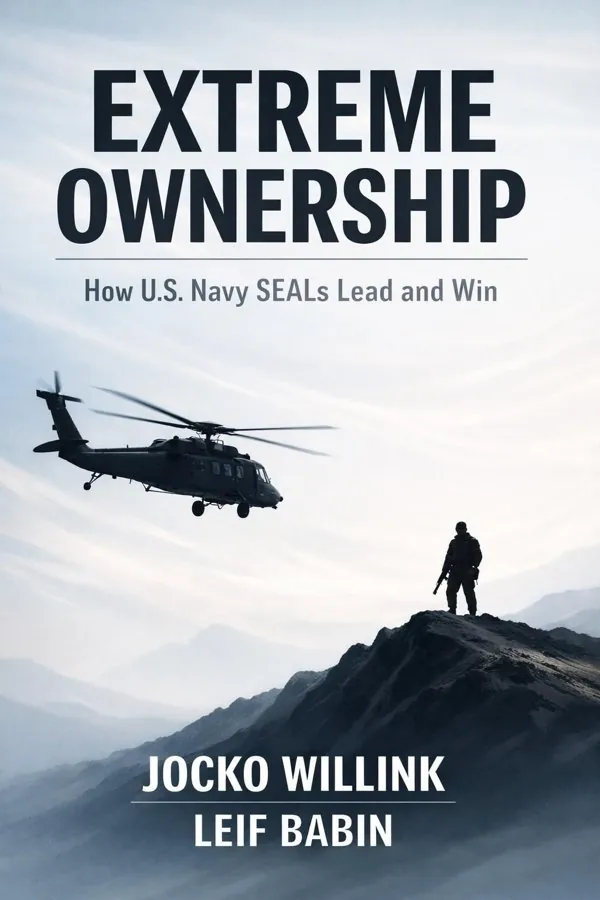
Extreme Ownership
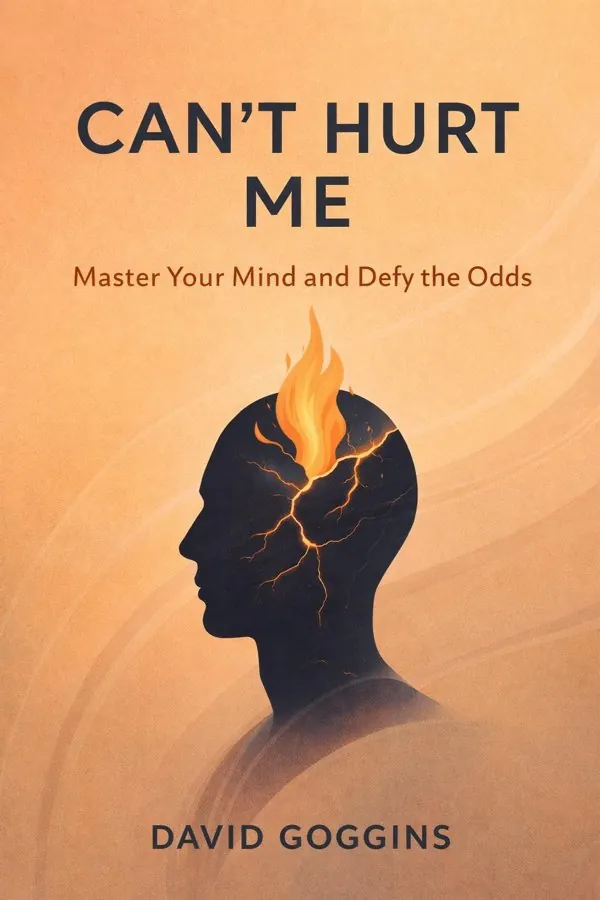
Can't Hurt Me
In-Depth Analysis
Extreme Ownership by Jocko Willink and Leif Babin and Can't Hurt Me by David Goggins both emerge from the crucible of Navy SEAL training and combat, yet they chart distinct courses in their approach to personal growth, leadership, and resilience. Both books have achieved cult status among readers seeking transformation, but their methodologies, philosophical roots, and practical implications diverge sharply.
Extreme Ownership’s foundation is the battlefield, where the stakes are life and death, and mistakes can mean tragedy. Willink and Babin’s key insight is that leadership is the decisive factor in any team’s success or failure. Each chapter presents a combat episode—such as the tragic consequences of friendly fire in Ramadi—that is meticulously dissected to extract a universal principle. For example, the titular 'Extreme Ownership' is introduced when Willink recounts accepting full responsibility for a failed mission, refusing to blame subordinates or circumstances. This principle is then mapped onto corporate scenarios, such as project mismanagement or interdepartmental conflict, highlighting how the same leadership failures and remedies apply. The systematic structure—combat story, leadership lesson, business application—provides a clear, repeatable framework that readers can readily adapt to their own organizations.
In contrast, Can't Hurt Me is raw, visceral, and intensely personal. Goggins’ journey starts in an abusive home, continues through years of poverty, obesity, and racism, and climaxes in the punishing world of SEAL training and ultramarathons. Goggins frames his philosophy as a battle against the 'Governor'—the mental limiter that holds us back. His methodology is less about structured frameworks and more about relentless self-confrontation. Each chapter concludes with a challenge, such as the 'Accountability Mirror,' where readers are urged to face their own excuses and weaknesses. Goggins’ approach is to push readers to their perceived breaking points, using his own suffering as proof that the mind is the true battlefield. The narrative is unfiltered: Goggins recounts running on broken legs, enduring racism, and overcoming the urge to quit, all to illustrate that pain and suffering are the crucibles of self-mastery.
Philosophically, Extreme Ownership is about collective responsibility and interdependence. The authors stress that a leader’s job is to own everything in their world, but also to empower and support their team. The book’s lessons—such as 'No Bad Teams, Only Bad Leaders'—underscore the idea that organizational change flows from the top down. The practical implications are clear: managers and executives can adopt these principles to drive better accountability, clearer communication, and higher performance in teams. The book’s military anecdotes, while dramatic, are always in service of these broader lessons, and the business applications are grounded in real consulting experiences with corporate clients.
Can't Hurt Me, meanwhile, is radically individualistic. Goggins’ message is that nobody is coming to save you; transformation depends solely on your willingness to embrace discomfort and push through pain. The 'cookie jar' technique—drawing on past wins to fuel present determination—or the '40% rule'—the claim that most people tap out at just 40% of their capacity—are psychological hacks derived from Goggins’ own experience, not from organizational research. The book's methodology is less about creating systems and more about cultivating an unbreakable mind through exposure to hardship. While Extreme Ownership is about elevating teams, Can't Hurt Me is about conquering the self.
Methodologically, the books differ in their use of evidence and persuasion. Extreme Ownership is didactic and structured, moving from story to principle to application, with a focus on reproducibility and clarity. It is designed to be a manual for leaders, offering concrete steps: for example, the need to 'believe' in the mission before conveying it to subordinates, or to 'check the ego' to avoid costly mistakes. Can't Hurt Me, by contrast, is more testimonial and motivational. Goggins does not lay out a stepwise plan for success; instead, he invites readers to witness his suffering and draw their own conclusions. The book’s power lies in its authenticity and the extremity of Goggins’ experiences.
Practically, Extreme Ownership is more suitable for those seeking to lead or manage groups. Its lessons are directly applicable in business, non-profits, and other organizations, and its frameworks are designed for repeatable use. Can't Hurt Me’s practical value is in its ability to inspire individuals to begin their own journey of self-overcoming, regardless of their starting point. The endurance challenges Goggins proposes are not universally accessible, but the mindset shift he advocates—toward embracing adversity rather than fleeing it—can be life-changing.
In sum, while both books are rooted in the extreme demands of military life, they serve different purposes. Extreme Ownership is a leadership manual for teams and organizations, grounded in principles tested under fire and translated for civilian life. Can't Hurt Me is a memoir and call to arms for personal transformation, urging readers to break their own limits. Both are powerful, but their strengths lie in different domains.
Side-by-Side Comparison
| Aspect | Extreme Ownership | Can't Hurt Me |
|---|---|---|
| Core Philosophy | Extreme Ownership is built on the principle that leaders must take complete responsibility for their team's outcomes, both successes and failures, emphasizing accountability and the ripple effect of leadership. | Can't Hurt Me focuses on radical personal accountability, mental toughness, and the power to redefine one’s limits through relentless self-discipline and overcoming adversity. |
| Writing Style | Willink and Babin use a structured, direct style, alternating between vivid combat narratives and clear application of each lesson to business scenarios. | Goggins writes in an unfiltered, raw, and confessional voice, blending memoir with motivational challenge, often breaking the fourth wall to directly address the reader. |
| Practical Application | Each chapter concludes with actionable leadership principles, paired with real-world business examples, making the lessons easy to implement in team settings. | Goggins provides 'evolution' challenges at the end of each chapter, encouraging readers to undertake demanding mental and physical tasks for personal growth. |
| Target Audience | Aimed at leaders, managers, and anyone responsible for teams, especially those in high-pressure business or organizational environments. | Targets individuals seeking to overcome personal adversity, those interested in self-improvement, endurance athletes, and readers drawn to transformation stories. |
| Scientific Rigor | While grounded in military experience and anecdotal evidence, the book does not cite scientific studies, focusing instead on field-tested leadership lessons. | Draws primarily from Goggins’ personal story, with minimal reference to scientific research, instead relying on experiential proof and anecdotal results. |
| Emotional Impact | Inspires through high-stakes battlefield stories and the gravity of command, but maintains an instructive, professional tone. | Deeply emotional and brutally honest, Goggins’ memoir is designed to shock, motivate, and elicit strong self-reflection in readers. |
| Actionability | Highly actionable for team leaders, with concrete steps and frameworks for improving group performance and accountability. | Actionable on an individual level, with direct mental and physical challenges that demand personal commitment but may be difficult for some to execute. |
| Depth of Analysis | Offers systematic dissection of leadership situations, exploring causes, effects, and alternative approaches to common team problems. | Delves deeply into the psychology of personal suffering and resilience, but less so into systematic frameworks or broader organizational questions. |
| Readability | Clear, concise, and accessible, with structured chapters and repetition of key ideas for reinforcement. | Conversational but intense, sometimes graphic, and unflinchingly honest; might be challenging for sensitive readers. |
| Long-term Value | Provides enduring frameworks that can be referenced repeatedly as leadership challenges arise. | Offers lasting inspiration, especially in moments of personal struggle, but less reusable for structured team scenarios. |
Key Differences
Focus: Team vs. Individual
Extreme Ownership centers on team leadership and collective responsibility, using organizational and battlefield examples, while Can't Hurt Me is focused on radical individual transformation and personal resilience.
Methodology
Willink and Babin employ a structured, story-principle-application format, translating lessons from combat to business. Goggins uses a memoir format, with personal stories and end-of-chapter challenges meant to provoke internal change.
Writing Tone
Extreme Ownership maintains a professional, instructive tone, even during dramatic combat stories. Can't Hurt Me is raw, confessional, and often confrontational, with graphic descriptions and direct addresses to the reader.
Practical Exercises
Extreme Ownership’s exercises are tailored for leaders to use with teams, such as debriefs and communication strategies. Can't Hurt Me offers individual challenges, like the 'Accountability Mirror,' that require deep self-reflection and physical or mental action.
Target Audience
Extreme Ownership is ideal for managers, executives, and those in organizational roles, whereas Can't Hurt Me is best suited for individuals seeking personal development, especially through mental and physical endurance.
Emotional Tone
Extreme Ownership is inspiring but measured, focusing on lessons learned rather than emotional catharsis. Can't Hurt Me is emotionally charged, with graphic accounts of trauma, pain, and triumph.
Long-term Usefulness
Extreme Ownership provides frameworks and principles that can be referenced and applied repeatedly in leadership scenarios. Can't Hurt Me offers lasting inspiration and mindset shifts but is less suited to structured, ongoing team development.
Who Should Read Which?
The Team Leader
→ Extreme Ownership
This reader is responsible for managing people or projects and wants actionable frameworks to improve team performance. Extreme Ownership’s combat-tested leadership principles and business applications make it the perfect guide for driving accountability and trust within a group.
The Aspiring Self-Improver
→ Can't Hurt Me
This individual is focused on overcoming personal obstacles, building mental toughness, or achieving remarkable individual goals. Can't Hurt Me delivers the raw motivation and practical challenges needed for radical self-transformation.
The Overwhelmed Professional
→ Extreme Ownership
For professionals feeling bogged down by workplace chaos or team dysfunction, Extreme Ownership provides clarity, structure, and methods for regaining control and boosting effectiveness through disciplined leadership.
Which Should You Read First?
For readers interested in both personal transformation and leadership, reading Can't Hurt Me first can be highly motivating. Goggins’ story of overcoming adversity and developing mental toughness lays a powerful psychological foundation. This mindset shift is invaluable for anyone about to undertake the challenges of leading others, as strong self-discipline and resilience are prerequisites for effective leadership. Once readers have internalized Goggins’ lessons on self-mastery, Extreme Ownership offers the next logical step: translating personal discipline into team leadership and organizational success. For those already in leadership positions, starting with Extreme Ownership may be more practical, as it addresses immediate workplace challenges. However, those coming from a place of personal struggle or looking to build inner strength should begin with Can't Hurt Me. Ultimately, the optimal order depends on whether your primary goal is self-mastery (start with Goggins) or leadership excellence (start with Willink and Babin).
Want the full summary?
Get instant access to this book summary and 100K+ more with Fizz Moment.
Get Free SummaryAvailable on App Store • Free to download
Frequently Asked Questions
Is Extreme Ownership better than Can't Hurt Me for beginners in leadership?
Yes, Extreme Ownership is generally better suited for beginners in leadership roles. Its structured approach, clear principles, and detailed real-world examples make it accessible to those new to management or team leadership. The book provides step-by-step applications of each principle, making it easy for novices to implement changes in their professional environments. In contrast, Can't Hurt Me is more focused on personal transformation and mental toughness, which may not directly address the specific needs of beginner leaders.
Can Can't Hurt Me help with overcoming personal adversity more effectively than Extreme Ownership?
Absolutely. Can't Hurt Me is fundamentally a memoir of overcoming severe adversity, from childhood trauma to grueling physical challenges. Goggins shares explicit strategies, such as the 'Accountability Mirror' and 'cookie jar' techniques, that are tailored to help individuals break through mental barriers. While Extreme Ownership does touch on personal responsibility, its focus is more on team dynamics and leadership, making Can't Hurt Me the stronger choice for readers seeking tools for personal resilience.
Which book offers more practical exercises for self-improvement?
Can't Hurt Me provides more direct and challenging exercises for self-improvement. Each chapter ends with a concrete 'evolution' challenge, pushing readers to take bold actions such as setting audacious goals or confronting personal weaknesses. Extreme Ownership, while actionable in the context of teams, does not feature exercises tailored for solo self-improvement; its principles are best applied in group or organizational contexts.
Is Extreme Ownership suitable for non-business readers?
Extreme Ownership is primarily tailored to business and organizational leadership, but its underlying principles—taking responsibility, fostering trust, and maintaining discipline—are universally applicable. Readers outside of business can still gain valuable insights into personal and familial leadership, though they may need to adapt the case studies and examples to their own contexts.
How do the emotional impacts of the two books compare?
Can't Hurt Me delivers a more intense emotional experience, as Goggins recounts deeply personal struggles with pain, trauma, and perseverance. Readers often report feeling both shocked and inspired by his honesty. Extreme Ownership is motivating, but its emotional impact is tempered by a professional, instructional tone, focusing more on responsibility and performance than on raw personal struggle.
Which book is better for team leaders looking for actionable advice?
Extreme Ownership is the superior choice for team leaders. Its chapters are designed as leadership lessons, each illustrated with combat and business examples, and conclude with specific, actionable advice for managing teams. Can't Hurt Me, while inspiring, is more focused on individual achievement and does not provide structured guidance for team leadership.
The Verdict
Extreme Ownership and Can't Hurt Me are both powerful books born from the intense world of Navy SEALs, but they serve distinctly different purposes. Extreme Ownership is the definitive manual for leaders, managers, and anyone seeking to influence groups or organizations. Its clear frameworks and actionable principles make it indispensable for those who need to drive performance, accountability, and trust within teams. The book’s strength lies in its ability to translate battlefield-tested lessons into practical strategies for business and beyond. Can't Hurt Me, in contrast, is an unyielding call to personal transformation. Goggins’ story is not just inspirational—it’s a blueprint for mental fortitude and radical self-discipline. If your primary goal is to conquer your own limitations, overcome adversity, or ignite a personal revolution, Goggins provides the raw tools and mindset shifts necessary to do so. In summary, choose Extreme Ownership if you seek structured leadership wisdom for group success, or Can't Hurt Me if you desire motivation and strategies for pushing your individual boundaries. Both are excellent, but their impact depends on your personal or professional needs.
Related Comparisons
Want to read both books?
Get AI-powered summaries of both Extreme Ownership and Can't Hurt Me in just 20 minutes total.