
Extreme Ownership vs Dare to Lead: Which Should You Read?
A detailed comparison of Extreme Ownership by Jocko Willink and Dare to Lead by Brene Brown. Discover the key differences, strengths, and which book is right for you.
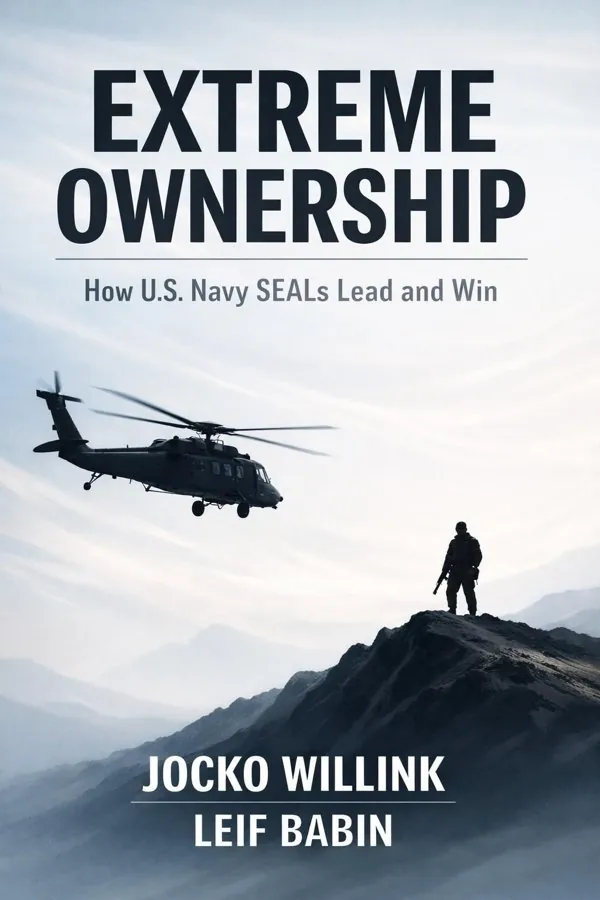

Extreme Ownership
Dare to Lead
In-Depth Analysis
Extreme Ownership and Dare to Lead are both seminal works in the field of leadership, yet they diverge dramatically in their philosophical underpinnings, methodologies, and practical implications. Jocko Willink’s Extreme Ownership is deeply rooted in military experience, presenting leadership as a matter of total responsibility and uncompromising discipline. In contrast, Brené Brown’s Dare to Lead is grounded in social science research, focusing on vulnerability, courage, and emotional intelligence as the bedrock of effective leadership.
Extreme Ownership is structured around the authors’ experiences as Navy SEALs during the Iraq War. Each chapter opens with a battlefield scenario, illustrating a fundamental leadership principle under fire. For example, the eponymous concept of "extreme ownership" is illustrated through an incident where Willink takes full responsibility for a friendly-fire tragedy—demonstrating that leaders must own mistakes, failures, and results, regardless of circumstances. This approach is unapologetically hierarchical: leadership is about setting the example, enforcing discipline, and making tough calls. Principles such as "There Are No Bad Teams, Only Bad Leaders" reinforce the idea that outcomes are a direct reflection of the leader’s choices and mindset.
Practical application in Extreme Ownership is straightforward. Each war story is followed by a business case study, showing how the lesson translates to the boardroom, factory floor, or startup. The advice is clear: eliminate excuses, communicate decisively, and create a culture of relentless accountability. The book’s language is clipped and forceful, echoing military cadence, which lends urgency but can sometimes oversimplify complex organizational dynamics.
Dare to Lead, by contrast, is informed by two decades of qualitative research on shame, vulnerability, and leadership. Brown’s methodology involves interviews, focus groups, and case studies from a wide range of industries. She challenges the idea that leadership is synonymous with stoicism or invulnerability. Instead, she argues that "rumbling with vulnerability"—having tough conversations, admitting mistakes, and showing empathy—is the key to innovation and resilience. In the chapter "Living into Our Values," Brown provides practical exercises to help leaders identify and operationalize their core principles, while "Braving Trust" breaks down trust into actionable behaviors like reliability and accountability.
Brown’s writing is personal and engaging, rich with stories from her own life and those of the leaders she’s studied. Rather than dictating rules, she invites readers into a process of self-reflection and cultural transformation. Whereas Willink’s approach is top-down and directive, Brown’s is collaborative and emergent: the leader’s role is to create psychological safety so that teams can thrive, experiment, and recover from failure.
These methodological differences lead to divergent practical implications. Extreme Ownership is tailor-made for environments where clarity, discipline, and rapid execution are vital—think first responders, military units, or sales teams under pressure. Its principles are easy to memorize and implement but may struggle in complex or emotionally charged workplaces where nuance and empathy are required. Dare to Lead, while less prescriptive, offers tools for building trust, managing difficult emotions, and fostering a culture of learning. Its impact may be slower to materialize but is likely deeper and more sustainable, especially in knowledge-driven, creative, or caregiving professions.
In summary, Extreme Ownership champions responsibility, discipline, and decisive action, providing a leadership playbook for those who thrive on structure. Dare to Lead offers a counterpoint: true courage lies in vulnerability and connection, and sustainable success depends on a leader’s ability to foster trust, empathy, and psychological safety. The books are best seen as complementary rather than mutually exclusive—offering distinct toolkits for different contexts, challenges, and personalities.
Side-by-Side Comparison
| Aspect | Extreme Ownership | Dare to Lead |
|---|---|---|
| Core Philosophy | Extreme Ownership is built around the idea that leaders must take absolute responsibility for everything in their domain, rejecting excuses and placing the burden of success or failure squarely on themselves. | Dare to Lead centers on the belief that courageous leadership stems from vulnerability, trust, and empathy, challenging leaders to embrace discomfort and foster authentic connection. |
| Writing Style | Willink’s style is direct, disciplined, and anecdotal, often structured around vivid war stories that segue into practical business lessons. | Brown's prose is conversational, research-driven, and rich in narrative, blending personal stories with case studies and psychological insights. |
| Practical Application | Each chapter provides a military example followed by a clear business application, making the lessons actionable for managers and team leaders. | Brown provides practical exercises, reflection prompts, and tools to help readers build trust and resilience within themselves and their organizations. |
| Target Audience | Ideal for leaders in high-stakes, hierarchical, or performance-driven environments who value discipline and structure. | Best suited for leaders, HR professionals, and those interested in culture-building, emotional intelligence, and fostering innovation. |
| Scientific Rigor | Relies primarily on personal experience and anecdotal evidence from military operations, with limited reference to formal research. | Draws on years of qualitative research in social work, psychology, and organizational behavior, grounding its advice in empirical studies. |
| Emotional Impact | The narrative intensity and high-stakes scenarios evoke respect for discipline and accountability but can feel emotionally distant. | Brown’s emphasis on vulnerability and empathy encourages deep emotional engagement and personal introspection. |
| Actionability | Lessons are distilled into clear, repeatable principles—such as 'Cover and Move' and 'Decentralized Command'—that can be implemented quickly. | Action steps require self-reflection and cultural shifts, making them more gradual but potentially transformative over time. |
| Depth of Analysis | Focuses on core principles, sometimes at the expense of nuance, with leadership framed as a matter of personal discipline. | Explores the complexities of human behavior, organizational dynamics, and internal barriers to leadership, offering a more layered analysis. |
| Readability | The book’s straightforward, no-nonsense language and structured format make it accessible and quick to read. | While accessible, the book’s reflective exercises and psychological concepts require more active engagement from the reader. |
| Long-term Value | Principles are memorable and easy to reference, especially for those in traditional leadership roles or team management. | Provides frameworks for ongoing personal and cultural development, making it a resource readers can revisit as their leadership context evolves. |
Key Differences
Leadership Philosophy
Extreme Ownership views leadership as a function of personal responsibility and discipline, rooted in military command structures. Dare to Lead sees leadership as relational, emphasizing vulnerability, empathy, and trust as essential to effective influence.
Source of Authority
Willink’s authority comes from lived experience as a Navy SEAL, with lessons distilled from real combat scenarios. Brown’s approach is grounded in two decades of qualitative research and interviews across diverse organizations.
Approach to Mistakes
Extreme Ownership insists that leaders take full ownership of mistakes, using them as learning opportunities but focusing on control and correction. Dare to Lead encourages open discussion of mistakes as a path to learning, innovation, and deeper connection.
Application Format
In Extreme Ownership, each principle is paired with a war story and a direct business application, making the advice highly actionable and clear-cut. Dare to Lead integrates exercises and reflection prompts, encouraging gradual, internalized change and culture transformation.
Emotional Engagement
Willink’s narrative is emotionally reserved, focusing on the gravity of responsibility. Brown’s writing is emotionally rich, inviting readers to connect with their own vulnerabilities and emotions.
Ideal Context
Extreme Ownership works best in structured, high-stakes environments where discipline and clarity are paramount. Dare to Lead excels in organizations prioritizing innovation, inclusivity, and psychological safety.
Scientific Foundation
Extreme Ownership is based on anecdotal evidence and field-tested tactics. Dare to Lead draws from empirical research, providing a stronger foundation for its recommendations.
Who Should Read Which?
The Action-Oriented Manager
→ Extreme Ownership
This reader needs actionable, straightforward advice for managing teams under pressure. Extreme Ownership’s clear principles and military-tested lessons offer immediate tools to boost accountability and performance.
The Culture Builder
→ Dare to Lead
Focused on fostering trust, innovation, and psychological safety, this reader will benefit most from Dare to Lead’s research-backed frameworks for vulnerability, empathy, and sustainable culture change.
The New Team Leader
→ Extreme Ownership
For someone stepping into leadership for the first time, Extreme Ownership provides a straightforward guide to taking responsibility and setting expectations, making it easier to establish authority and build credibility quickly.
Which Should You Read First?
For readers new to leadership or those working in results-driven, hierarchical environments, beginning with Extreme Ownership provides a solid grounding in accountability, discipline, and decisive action. Its lessons are easy to grasp and immediately applicable, making it a practical starting point for managers or team leaders seeking quick wins. However, for those in collaborative, creative, or people-focused fields, starting with Dare to Lead may be more beneficial, as it lays the groundwork for emotional intelligence, trust, and adaptive leadership. Ideally, readers should approach both books as complementary. Read Extreme Ownership first for its foundational principles, then follow with Dare to Lead to deepen understanding of relational dynamics and culture-building. This sequence ensures leaders develop both operational rigor and the emotional agility necessary for long-term success.
Want the full summary?
Get instant access to this book summary and 100K+ more with Fizz Moment.
Get Free SummaryAvailable on App Store • Free to download
Frequently Asked Questions
Is Extreme Ownership better than Dare to Lead for beginners in leadership?
Extreme Ownership offers a set of clear, straightforward principles that are easy for beginners to grasp and apply, especially if they're stepping into traditional or high-pressure leadership roles. Its military anecdotes and direct advice make it accessible, but it may lack the nuance needed for more complex, people-oriented environments. Beginners interested in developing emotional intelligence or team culture may find Dare to Lead more comprehensive, though it requires more introspection.
Which book is more practical for corporate leaders: Extreme Ownership or Dare to Lead?
Corporate leaders in fast-paced, results-driven environments may find Extreme Ownership more directly actionable, as its principles can be quickly implemented to drive accountability and performance. However, those aiming to create innovative, psychologically safe, and resilient organizations will benefit from the tools and exercises in Dare to Lead, which addresses trust, vulnerability, and emotional intelligence—key factors in long-term organizational health.
Does Dare to Lead offer more research-based advice than Extreme Ownership?
Yes, Dare to Lead is grounded in Brené Brown’s extensive qualitative research on leadership, shame, and vulnerability, drawing from thousands of interviews and case studies. In contrast, Extreme Ownership is primarily based on personal experience and anecdotal evidence from military operations, offering less formal research backing but highly practical insights.
Is Extreme Ownership suitable for building team culture?
Extreme Ownership can help instill a culture of accountability, discipline, and clear communication within teams. However, its focus is more on responsibility and execution than on the emotional and relational aspects of culture. For those looking to build trust, inclusivity, and psychological safety as part of their team culture, Dare to Lead provides a more nuanced and holistic approach.
Who should read Dare to Lead instead of Extreme Ownership?
Leaders seeking to foster innovation, adaptability, and emotional intelligence within their organizations should prioritize Dare to Lead. Brown’s focus on vulnerability, empathy, and trust is particularly beneficial for HR professionals, educators, healthcare leaders, and anyone looking to lead in environments where relationships and human dynamics are central to success.
What is the main difference in the leadership models presented by Extreme Ownership and Dare to Lead?
Extreme Ownership advocates for a model where the leader is the ultimate authority and takes full responsibility for all outcomes, emphasizing discipline and command. Dare to Lead, on the other hand, promotes shared leadership through vulnerability, trust, and collaboration, suggesting that leaders are most effective when they empower others and create space for open dialogue.
Can both books be used together for a balanced leadership approach?
Absolutely. The accountability and discipline from Extreme Ownership can provide clarity and structure, while the vulnerability and trust-building from Dare to Lead can foster team cohesion and innovation. Combining both approaches enables leaders to address both the operational and relational dimensions of leadership, resulting in more balanced and effective teams.
The Verdict
Extreme Ownership and Dare to Lead offer distinct, yet complementary, perspectives on leadership. Extreme Ownership is an excellent fit for those who thrive in high-pressure, results-driven environments or who need to instill a sense of discipline and responsibility within their teams. Its principles are clear, memorable, and easy to implement, especially for new leaders or those in traditional hierarchical organizations. However, it may lack the depth required for navigating complex interpersonal dynamics or fostering creative, inclusive cultures. Dare to Lead, conversely, is indispensable for leaders committed to creating psychologically safe, innovative, and resilient organizations. Its frameworks for vulnerability, trust, and empathy are particularly relevant in today’s fast-evolving workplaces, where adaptability and connection drive success. Brown’s research-driven approach offers depth and nuance, making it ideal for HR professionals, educators, and anyone leading through influence rather than authority. Ultimately, the choice depends on context and personal leadership style. For immediate, actionable guidance on ownership and accountability, start with Extreme Ownership. For sustainable, people-focused leadership, Dare to Lead is the better long-term investment. The most effective leaders will draw from both toolkits, adapting their approach to the needs of their teams and organizations.
Related Comparisons

Want to read both books?
Get AI-powered summaries of both Extreme Ownership and Dare to Lead in just 20 minutes total.