
Can't Hurt Me vs Grit: Which Should You Read?
A detailed comparison of Can't Hurt Me by David Goggins and Grit by Angela Duckworth. Discover the key differences, strengths, and which book is right for you.
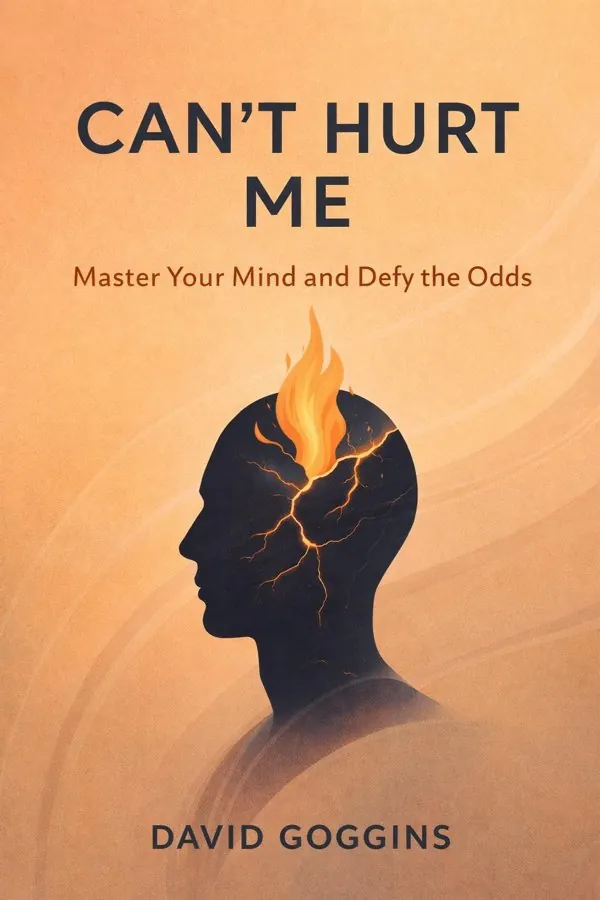
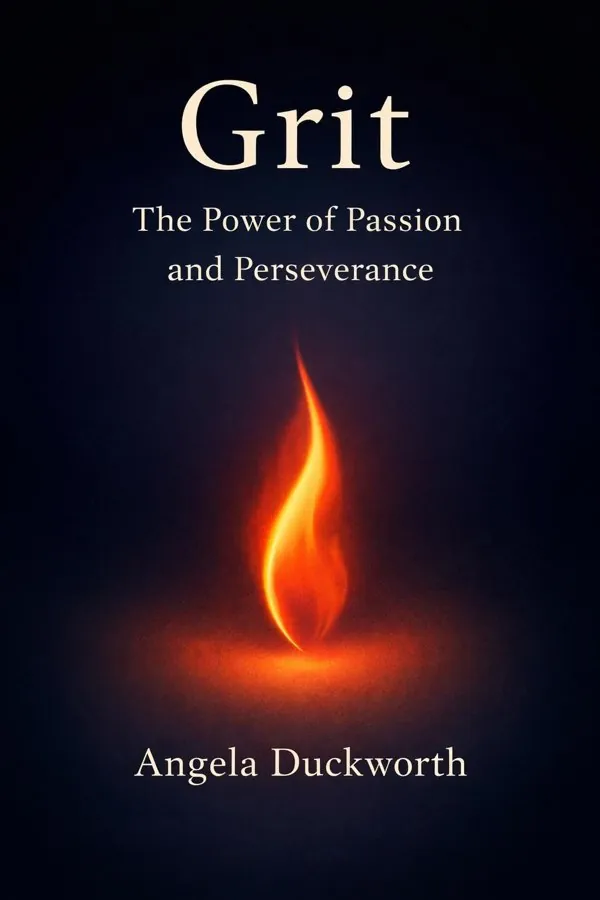
Can't Hurt Me
Grit
In-Depth Analysis
David Goggins’ 'Can’t Hurt Me' and Angela Duckworth’s 'Grit' both tackle the question of what enables extraordinary achievement, but they do so from distinctly different vantage points—one personal and anecdotal, the other scientific and analytical.
Goggins’ memoir is, at its core, an odyssey of survival and transformation. He recounts a childhood marred by trauma—abuse, poverty, and racism—that led to obesity and depression in his early adulthood. Yet, his narrative pivots not on victimhood but on radical responsibility. Through vivid, sometimes harrowing stories—such as training for Navy SEALs Hell Week with fractured bones or running ultramarathons with life-threatening injuries—Goggins argues that pain and adversity are not obstacles but essential crucibles for forging mental toughness. He introduces concepts like the '40% rule' (the claim that most people only tap into about 40% of their potential) and repeatedly issues challenges to the reader, making the book an interactive call to arms against self-imposed limitations.
Duckworth, by contrast, takes a methodical approach. Her book opens by defining 'grit' as a blend of passion and perseverance, then meticulously builds her case through psychological research. She draws on studies of West Point cadets, spelling bee champions, and elite athletes to show that grit, more than talent, predicts long-term achievement. Duckworth explores the 'talent myth'—the common misconception that innate ability trumps effort—citing empirical evidence to the contrary. Throughout, she shares practical frameworks, such as 'deliberate practice' and the 'interest-discovery model,' and offers tools for parents, teachers, and leaders to foster grit in others.
Methodologically, the books could not be more different. Goggins’ evidence is his own body and mind: his suffering, endurance, and triumphs. While his prescriptions are compelling—'callous your mind,' 'embrace the suck,' 'do something that sucks every day'—they are rooted in his singular life. This lends the book a raw power, but also limits its generalizability; not everyone can—or should—emulate his extremes. In contrast, Duckworth’s research is broad and systematic. She references multi-year studies, psychometric measurements, and controlled interventions. Her advice is actionable yet measured, suggesting, for example, that individuals identify their passions, set long-term goals, and persevere through setbacks with incremental progress and reflective practice.
Philosophically, Goggins embodies the existential 'self-overcoming' ethos: adversity is a forge, and suffering is to be sought rather than avoided. His worldview is uncompromising, even Spartan, privileging pain as the pathway to growth. Duckworth’s perspective is more humanistic and optimistic. She acknowledges obstacles but frames them as opportunities for growth through sustained effort and curiosity-driven engagement. Her narrative is inclusive: everyone, not just the exceptional or the wounded, can cultivate grit.
Practically, Goggins’ approach is best suited for readers seeking immediate, visceral motivation—to break out of inertia or confront acute adversity. His 'accountability mirror' exercise, for example, demands brutal honesty and daily self-reflection. Duckworth’s recommendations, such as the 'hard thing rule' (committing to pursue one challenging activity at a time), foster resilience within a sustainable, everyday framework—ideal for parents, teachers, and professionals.
In sum, 'Can’t Hurt Me' electrifies with its intensity and unfiltered narrative, serving as a testament to the outer limits of human endurance. 'Grit' persuades with its scholarship and applicability, offering a blueprint for persistent growth. Both books share a belief in the transformative power of effort, but their means, tone, and intended audiences diverge significantly. Readers seeking scientific grounding and broad applicability will find Duckworth indispensable; those looking for a jolt of hard-edged inspiration will be galvanized by Goggins.
Side-by-Side Comparison
| Aspect | Can't Hurt Me | Grit |
|---|---|---|
| Core Philosophy | David Goggins centers his philosophy on unyielding mental toughness, arguing that anyone can radically surpass their perceived limits through hardship and self-discipline. | Angela Duckworth focuses on the scientific study of 'grit,' positing that passion and perseverance—rather than innate talent—are the true engines of long-term success. |
| Writing Style | Goggins employs a raw, conversational memoir style, using graphic anecdotes and direct challenges to readers, creating an urgent, visceral narrative. | Duckworth's tone is more analytical and accessible, blending personal anecdotes with academic research and interviews, resulting in a measured, explanatory prose. |
| Practical Application | Can't Hurt Me offers concrete, often extreme, challenges and exercises for readers to push their limits, with a focus on self-accountability and mental callousing. | Grit provides evidence-based strategies, such as deliberate practice and cultivating passion, that can be adapted across domains like education, sports, and business. |
| Target Audience | This book resonates with those seeking visceral motivation, especially athletes, military aspirants, and anyone drawn to transformative, high-intensity self-improvement stories. | Grit appeals broadly—students, educators, professionals, and parents—offering research-grounded insights for anyone interested in sustainable achievement. |
| Scientific Rigor | Goggins relies primarily on personal experience and anecdote, offering little in the way of scientific study or psychological theory. | Duckworth grounds her arguments in rigorous psychological research, referencing longitudinal studies, controlled experiments, and statistical analysis. |
| Emotional Impact | Goggins’ harrowing accounts of abuse, racism, and near-fatal endurance events evoke a strong emotional response, motivating through empathy and awe. | Duckworth inspires more subtly, using stories of perseverance from diverse fields to evoke hope and a sense of agency rather than shock or awe. |
| Actionability | The book pushes readers toward immediate, often dramatic, action through explicit challenges and a 'no excuses' ethos. | Grit encourages sustained, incremental change, advocating for building habits and mindsets over time rather than abrupt transformation. |
| Depth of Analysis | Can't Hurt Me delves deeply into Goggins’ personal journey, but its analysis is largely introspective and lacks broader theoretical framing. | Grit systematically examines the components of perseverance, using a blend of empirical data, theory, and cross-domain examples. |
| Readability | The memoir’s candid, plainspoken style and short chapters make it highly readable, though the content can be intense. | Duckworth’s clear structure and accessible language make complex ideas easy to digest, suitable even for readers with little background in psychology. |
| Long-term Value | Readers may find lasting inspiration in Goggins’ story, especially those facing personal adversity, though the extremity of his approach may not apply to all contexts. | Grit’s generalizable, research-based concepts offer enduring relevance across life stages and situations, making it a resource to revisit repeatedly. |
Key Differences
Personal Narrative vs. Scientific Research
'Can't Hurt Me' draws almost exclusively from David Goggins’ personal journey, using anecdote and direct experience. In contrast, 'Grit' builds its arguments on broad psychological studies, interviews, and data analysis.
Intensity of Approach
Goggins advocates for extreme mental and physical challenges, sometimes bordering on the superhuman (e.g., running on broken legs). Duckworth promotes incremental, sustainable growth through passion and perseverance, avoiding extremes.
Targeted Advice
'Can't Hurt Me' is best for those seeking immediate, dramatic change or facing acute adversity. 'Grit' offers tools and frameworks for anyone seeking long-term achievement, including parents, students, and professionals.
Actionability
Goggins provides explicit, high-intensity challenges that can be started immediately. Duckworth focuses on building habits and mindsets over time, emphasizing gradual progress.
Emotional vs. Analytical Tone
'Can't Hurt Me' is deeply emotional and raw, aiming to shock and inspire through personal struggle. 'Grit' is measured, using data and stories to encourage and instruct without overwhelming intensity.
Breadth of Applicability
'Grit' offers advice for a wide range of contexts—education, parenting, business—while 'Can't Hurt Me' is most directly relevant to personal adversity and high-stakes physical or mental challenges.
Who Should Read Which?
The Busy Professional
→ Grit
Professionals looking for sustainable success and advancement will benefit from Duckworth’s research-backed frameworks, which can be applied directly to workplace challenges and long-term career growth.
The Aspiring Athlete or Military Candidate
→ Can't Hurt Me
Goggins’ story and challenges resonate deeply with those facing intense physical or mental demands. His ethos of 'mind callousing' and pushing through pain offers a blueprint for overcoming extreme adversity.
The Parent or Educator
→ Grit
Duckworth devotes significant attention to helping adults cultivate grit in children and students, making her book a practical resource for fostering resilience and passion in the next generation.
Which Should You Read First?
For readers entirely new to the science of achievement or those who prefer a measured, research-backed framework, 'Grit' should be read first. Duckworth’s accessible explanations and wide-ranging examples provide a solid foundation in the principles of perseverance and passion, making it easier to adapt the lessons to any personal or professional goal. This is especially true for educators, parents, or professionals seeking sustainable growth strategies. Once familiar with grit’s underlying science, readers can turn to 'Can't Hurt Me' for a powerful, narrative-driven boost. Goggins’ memoir offers a real-world case study in pushing beyond limits and can serve as a catalyst for action—particularly for those feeling stagnant or facing significant adversity. However, readers already familiar with self-help theory or those craving immediate, visceral motivation may benefit from starting with Goggins to ignite change, then using 'Grit' to sustain and structure their efforts.
Want the full summary?
Get instant access to this book summary and 100K+ more with Fizz Moment.
Get Free SummaryAvailable on App Store • Free to download
Frequently Asked Questions
Is 'Can't Hurt Me' better than 'Grit' for beginners to self-improvement?
For absolute beginners, 'Grit' may be more accessible. Duckworth systematically builds her arguments, provides digestible summaries of psychological research, and offers practical, incremental steps for readers new to personal development. 'Can't Hurt Me' is far more intense, presenting extreme challenges that may intimidate those just starting their journey. However, readers who respond well to raw motivation and real-life transformation stories may find Goggins’ memoir the spark they need.
Which book offers more scientifically validated strategies: 'Can't Hurt Me' or 'Grit'?
'Grit' is rooted in rigorous psychological research, drawing on decades of empirical studies, experiments, and statistical analyses. Duckworth explains concepts like deliberate practice and the grit scale, providing actionable advice with scientific backing. In contrast, 'Can't Hurt Me' is based on Goggins' personal experiences; while inspirational, its strategies have not been systematically tested or validated in scientific literature.
Is 'Can't Hurt Me' suitable for people who dislike extreme approaches?
While 'Can't Hurt Me' is undeniably motivating, much of Goggins’ advice is couched in extreme examples and mentalities—such as pushing through broken bones or embracing pain as a daily habit. Readers averse to high-intensity or all-or-nothing approaches may find it off-putting. Those preferring gradual, research-backed strategies will likely resonate more with the balanced methods presented in 'Grit.'
Does 'Grit' offer advice for parents and educators?
Yes, 'Grit' dedicates multiple chapters to helping parents and teachers foster grit in children and students. Duckworth introduces concepts like the 'hard thing rule' and discusses how to nurture passion and perseverance in young people, drawing on her own experiences as a teacher and researcher. This makes 'Grit' particularly valuable for anyone guiding others in their personal development.
Which book provides more direct, actionable exercises for personal challenge?
'Can't Hurt Me' is structured around explicit challenges—such as the 'accountability mirror' and 'cookie jar' strategy—designed to push readers outside their comfort zones. Goggins encourages immediate, often radical, action. While 'Grit' offers practical frameworks, its exercises are oriented toward sustained, long-term cultivation rather than immediate transformation.
Can the principles in 'Grit' be applied to career advancement and business?
Absolutely. Duckworth draws on examples from the corporate world and provides detailed explanations of how passion, perseverance, and deliberate practice contribute to professional success. Her research-backed insights can help readers set long-term career goals, maintain motivation, and persist through workplace setbacks.
The Verdict
Both 'Can't Hurt Me' and 'Grit' are powerful explorations of what it takes to achieve extraordinary personal growth, but they serve different needs and reader profiles. 'Can't Hurt Me' is a relentless, electrifying memoir that will inspire those who feel trapped by their circumstances or who thrive on tales of overcoming the impossible. Its greatest strengths are its emotional honesty and its ability to jolt readers into taking action, but its intensity and extremity may not suit everyone. In contrast, 'Grit' stands out for its universal applicability, scientific rigor, and practical guidance. Duckworth’s approach is inclusive, offering readers from all backgrounds a roadmap for building perseverance and passion over the long term. Her evidence-based strategies can be tailored to any age or context, making 'Grit' a valuable resource for parents, educators, professionals, and anyone seeking sustainable self-improvement. Recommendation: If you are seeking a research-backed, adaptable framework for long-term growth, start with 'Grit.' If you crave visceral motivation or need a dramatic example of overcoming adversity, 'Can't Hurt Me' will deliver. Ideally, read both: 'Grit' for the science and scaffolding, 'Can't Hurt Me' for the raw fuel to get started.
Related Comparisons
Want to read both books?
Get AI-powered summaries of both Can't Hurt Me and Grit in just 20 minutes total.