
Good to Great vs Extreme Ownership: Which Should You Read?
A detailed comparison of Good to Great by Jim Collins and Extreme Ownership by Jocko Willink. Discover the key differences, strengths, and which book is right for you.
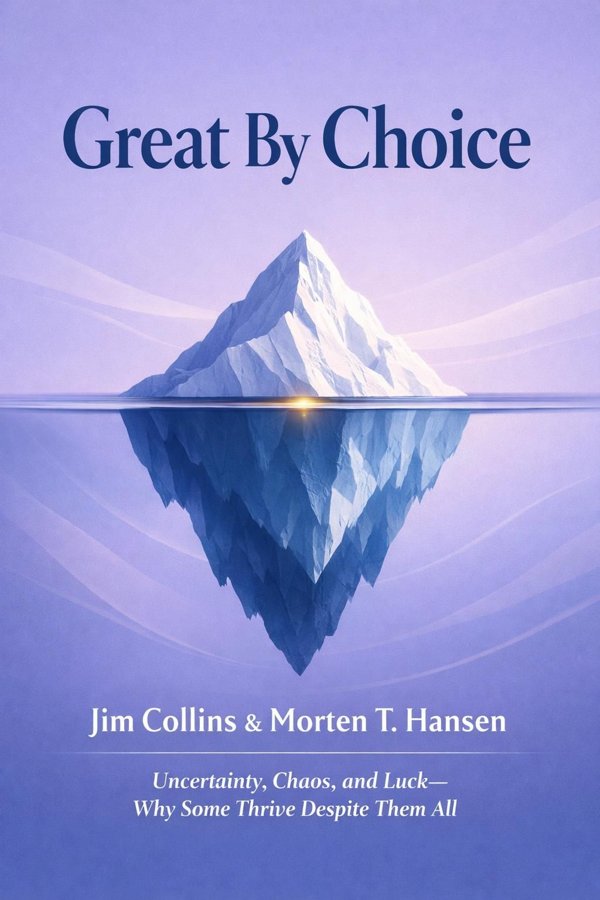
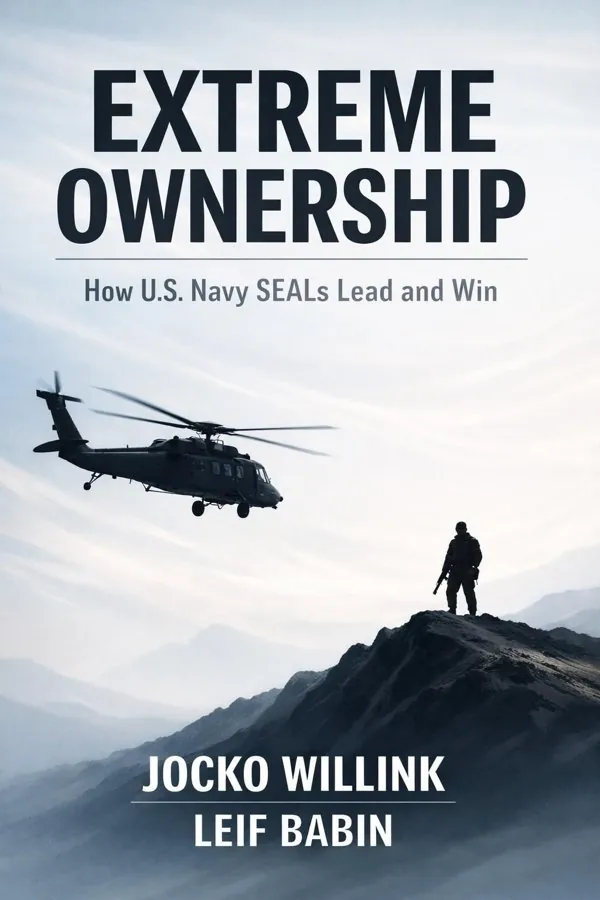
Good to Great
Extreme Ownership
In-Depth Analysis
Jim Collins’ 'Good to Great' and Jocko Willink and Leif Babin’s 'Extreme Ownership' are both modern classics in the leadership and business genre, yet they differ fundamentally in their approach, methodology, and the scope of their intended impact.
'Good to Great' is the product of nearly a decade of rigorous research, in which Collins and his team studied thousands of companies to identify those that made the leap from mediocrity to sustained greatness. The methodology is exhaustive: Collins employs comparative analysis, carefully choosing 'comparison companies' and systematically identifying what separated the best from the rest. The result is a series of frameworks: Level 5 Leadership (humility and fierce resolve), the Hedgehog Concept (knowing what you can be the best at), the Flywheel Effect (building momentum over time), and the 20 Mile March (consistent, disciplined progress). Collins’ writing is analytical, almost academic, yet he distills his findings into memorable concepts like 'fire bullets, then cannonballs'—testing small changes before making big bets. The focus is on empirical evidence: what actually works, as opposed to what is merely popular or intuitive.
In contrast, 'Extreme Ownership' is unapologetically experiential. Drawing on their time as Navy SEAL commanders in Ramadi, Willink and Babin structure each chapter around vivid battlefield anecdotes, extracting leadership principles such as 'No Bad Teams, Only Bad Leaders,' 'Check the Ego,' and the eponymous 'Extreme Ownership.' Their lessons are less theoretical and more visceral: the consequences of poor leadership, lack of discipline, or failure to communicate are rendered in life-or-death terms. Each principle is first illustrated with a combat story, then translated directly into business or civilian applications—bridging the gap between high-stakes warfare and everyday leadership challenges. The writing is brisk, clear, and highly motivational, designed to spur immediate action.
Philosophically, the books diverge as well. Collins advocates for humility, disciplined thought, and empirical validation—a belief that greatness is built over time through sustained effort, not heroic individualism. He emphasizes the importance of organizational culture and strategic clarity, as seen in the SMaC Recipe (Specific, Methodical, and Consistent practices). For example, he highlights the '20 Mile March' as a metaphor for steady, measured progress—companies that survived chaos did so by sticking to clear performance markers, not by reacting impulsively to external shocks.
Willink and Babin, on the other hand, posit that leadership is fundamentally about accountability. 'Extreme Ownership' means accepting full responsibility not just for one’s own actions, but for the outcomes of the entire team. The book’s stories—such as Willink’s account of a friendly-fire incident and his immediate acceptance of blame—underscore that leaders must forgo excuses and own the results. Their emphasis is on decisive action, communication, and the willingness to accept hard truths, even when uncomfortable. The principle 'No Bad Teams, Only Bad Leaders' crystallizes this: team performance is a direct reflection of leadership quality.
Methodologically, 'Good to Great' is a model of scientific rigor, relying on quantitative data, long-term performance metrics, and comparative analysis. Its findings are backed by empirical evidence, which lends them credibility and weight in the world of business theory. However, this approach can sometimes leave readers craving more immediate, personal guidance—especially for those not leading large organizations.
'Extreme Ownership' trades breadth and scientific rigor for depth of personal insight. Its methodology is rooted in real-world, high-pressure experiences and the authors’ reflections on their successes and failures. While this makes the lessons more relatable and gripping, it also introduces the risk of anecdotal bias; what works in a Navy SEAL platoon might not always translate neatly to a corporate boardroom. Still, the book’s principles—such as 'Believe' and 'Check the Ego'—transcend context, offering universal guidance on self-management and team leadership.
Practically, 'Good to Great' offers frameworks that are most applicable at the organizational or senior leadership level. Implementing its ideas—like the SMaC Recipe or the Flywheel Effect—requires time, patience, and often, buy-in from an entire organization. In contrast, 'Extreme Ownership' is immediately actionable; its principles can be adopted by any leader, regardless of position or industry, and often produce quick, visible results in team dynamics and accountability.
In summary, 'Good to Great' excels in depth, rigor, and strategic insight for those aiming to transform organizations, while 'Extreme Ownership' shines in its immediacy, emotional resonance, and universal applicability for leaders at all levels. Both books are essential, but serve different needs and contexts.
Side-by-Side Comparison
| Aspect | Good to Great | Extreme Ownership |
|---|---|---|
| Core Philosophy | Good to Great champions disciplined, empirical decision-making and the pursuit of greatness through sustained, methodical efforts and leadership humility. | Extreme Ownership asserts that leaders must take total responsibility for outcomes, believing that there are no bad teams, only bad leaders, and prioritizes decisive action and accountability. |
| Writing Style | Collins' writing is analytical, research-driven, and methodical, structured around data, case studies, and conceptual frameworks. | Willink and Babin write in a direct, narrative-driven style, sharing vivid anecdotes from their military experiences and translating them into leadership lessons. |
| Practical Application | Good to Great provides actionable frameworks like the Hedgehog Concept and the 20 Mile March, but often remains at the organizational strategy level. | Extreme Ownership distills lessons into clear, actionable leadership principles applicable at both individual and team levels, often with immediate relevance. |
| Target Audience | Aimed at executives, managers, and business strategists seeking to understand and build organizations capable of sustained excellence. | Targets leaders at all levels—business, military, or personal—who are looking for hands-on guidance to improve team performance and accountability. |
| Scientific Rigor | Good to Great is grounded in nearly a decade of research, using rigorous comparative analysis and empirical data to identify patterns of success. | Extreme Ownership is based on personal experience and anecdotal evidence, offering practical wisdom but less formal scientific methodology. |
| Emotional Impact | Collins’ tone is measured and inspiring but rarely emotional, focusing on intellectual engagement rather than personal motivation. | Willink and Babin’s battlefield stories evoke strong emotions, often stirring readers to action with their intensity and immediacy. |
| Actionability | Many concepts require organizational buy-in and long-term implementation, making them less readily actionable for individuals. | Principles are distilled into immediately actionable steps for leaders, regardless of organizational size or context. |
| Depth of Analysis | Delves deeply into the data behind why some companies outperform others, dissecting factors like leadership, culture, and discipline. | Focuses on a limited set of principles, explored through multiple real-life examples, with less emphasis on theoretical depth. |
| Readability | Accessible but dense, requiring close attention to grasp the nuances and frameworks presented. | Highly readable and fast-paced, thanks to engaging storytelling and clear, concise writing. |
| Long-term Value | Offers enduring frameworks and ideas that have shaped business thinking for decades. | Provides memorable leadership principles that can be revisited and applied repeatedly, especially in high-pressure environments. |
Key Differences
Methodology
Good to Great is based on comprehensive, empirical research analyzing thousands of companies over nearly a decade, resulting in robust frameworks. Extreme Ownership derives its principles from the authors' direct, personal experiences in military leadership roles, focusing on anecdotal evidence and storytelling.
Scope and Application
Good to Great focuses on organizational transformation, offering strategies for achieving greatness at the company level. Extreme Ownership addresses leadership at the individual and team level, with principles that can be applied in any context, not just business.
Writing Style
Collins employs an academic, structured approach heavy with data and case studies, while Willink and Babin use gripping narratives drawn from combat, resulting in a more immediate and emotionally engaging read.
Actionability
Good to Great's concepts often require organizational commitment and a long-term view, making them less immediately actionable for individuals. Extreme Ownership's principles can be implemented quickly by any leader, regardless of their formal authority.
Emotional Intensity
Good to Great is intellectually stimulating but emotionally reserved, focusing on analysis and evidence. Extreme Ownership leverages the intensity of combat stories to inspire and motivate readers at a personal level.
Target Audience
Good to Great is aimed at senior leaders, executives, and those charged with strategic decision-making. Extreme Ownership is written for a broad range of leaders, from entry-level managers to seasoned executives, and even non-business professionals.
Who Should Read Which?
The New Leader
→ Extreme Ownership
This reader is just starting their leadership journey and needs straightforward, actionable advice. Extreme Ownership’s principles are immediately applicable and its engaging storytelling style builds confidence and clarity in leadership roles.
The Organizational Strategist
→ Good to Great
This reader is responsible for shaping company culture or driving systemic change. Good to Great's research-based frameworks and focus on long-term excellence make it essential for those seeking to elevate organizations, not just teams.
The Time-Pressed Professional
→ Extreme Ownership
For readers seeking quick wins and practical principles that can be implemented without a deep dive into business theory, Extreme Ownership delivers concise, actionable lessons that fit into a busy schedule.
Which Should You Read First?
For most readers, starting with Extreme Ownership is advantageous. The book’s direct, narrative-driven approach and emphasis on personal accountability provide an accessible entry point to leadership principles that are universally relevant. New leaders or those facing immediate challenges will find its actionable guidance invaluable for building confidence and improving team dynamics. Once readers have a firm grasp of foundational leadership concepts and have begun applying them, Good to Great serves as the ideal next step. Collins’ research-intensive frameworks offer a broader, long-term perspective on building and sustaining organizational excellence, best appreciated with some practical leadership experience. However, for senior executives or those already responsible for strategic transformation, beginning with Good to Great may be more beneficial. Ultimately, the two books complement each other: Extreme Ownership instills leadership discipline and accountability, while Good to Great offers the roadmap for scaling these qualities across an entire organization.
Want the full summary?
Get instant access to this book summary and 100K+ more with Fizz Moment.
Get Free SummaryAvailable on App Store • Free to download
Frequently Asked Questions
Is Good to Great better than Extreme Ownership for beginners in leadership?
Good to Great offers deep, research-driven frameworks but assumes some familiarity with business concepts and organizational dynamics, making it best suited for readers with some leadership experience. Extreme Ownership, on the other hand, is highly accessible due to its clear, story-driven format and immediately practical lessons. Beginners in leadership will likely find Extreme Ownership more approachable and easier to implement right away, while Good to Great may serve as a valuable next step once foundational leadership skills are established.
Which book, Good to Great or Extreme Ownership, is more evidence-based?
Good to Great is firmly grounded in empirical research, with Collins and his team conducting comparative studies and rigorous data analysis over several years to identify what sets great companies apart. Extreme Ownership, while based on real-life military experiences, relies primarily on anecdotal evidence and personal insights. For readers seeking scientifically validated principles, Good to Great is the more evidence-based choice.
Who should read Good to Great instead of Extreme Ownership?
Good to Great is ideal for executives, managers, or entrepreneurs interested in transforming entire organizations, building long-term strategy, and understanding the deeper drivers of sustained success. Its frameworks and insights are best applied in situations where systemic change and organizational culture are central concerns. In contrast, those seeking immediate, actionable advice for personal leadership challenges might find Extreme Ownership more directly relevant.
Is Extreme Ownership suitable for non-military or non-business leaders?
Absolutely. While Extreme Ownership draws heavily on military anecdotes, the leadership principles it espouses—such as taking responsibility, fostering trust, and maintaining discipline—are universally applicable. The book's structure explicitly translates combat lessons into business and everyday scenarios, making it valuable for coaches, teachers, community leaders, and anyone responsible for leading teams or groups.
Can Good to Great and Extreme Ownership be read together for a comprehensive leadership perspective?
Reading both books provides a well-rounded perspective: Good to Great offers strategic, long-term frameworks for organizational transformation, while Extreme Ownership delivers powerful, actionable guidance for day-to-day leadership and personal accountability. Together, they complement each other by bridging the gap between big-picture strategy and ground-level execution, benefiting leaders aiming for both organizational excellence and strong team performance.
How do the practical implications differ between Good to Great and Extreme Ownership?
Good to Great's frameworks often require organizational alignment and time to implement—such as developing a SMaC Recipe or building a Flywheel—making its impact most pronounced in established companies or teams with a mandate for change. Extreme Ownership's principles can be adopted by individuals or small teams immediately, focusing on mindset shifts like total accountability and clear communication, with results visible in short order.
The Verdict
Both Good to Great and Extreme Ownership are indispensable works, but their strengths suit different audiences and leadership challenges. Good to Great is best for those seeking to understand what differentiates truly great organizations from the merely good, offering a roadmap for sustainable, systemic change rooted in data and long-term thinking. Its frameworks are most powerful for senior leaders, executives, and those responsible for shaping organizational culture and strategy. Extreme Ownership, in contrast, is a must-read for anyone in a leadership position—regardless of experience level or industry—who needs actionable advice on building accountability, resilience, and trust within teams. Its lessons, distilled from high-stakes military leadership, translate seamlessly into everyday business and life, making it especially valuable for new leaders or those facing immediate team challenges. Ultimately, if your primary goal is to transform an organization over the long term, start with Good to Great. If you need to improve your personal leadership effectiveness or team performance right away, begin with Extreme Ownership. Many readers will benefit from both, using the insights of each to navigate the journey from good to great leadership.
Related Comparisons

Want to read both books?
Get AI-powered summaries of both Good to Great and Extreme Ownership in just 20 minutes total.