
Greenlights vs Born a Crime: Which Should You Read?
A detailed comparison of Greenlights by Matthew McConaughey and Born a Crime by Trevor Noah. Discover the key differences, strengths, and which book is right for you.
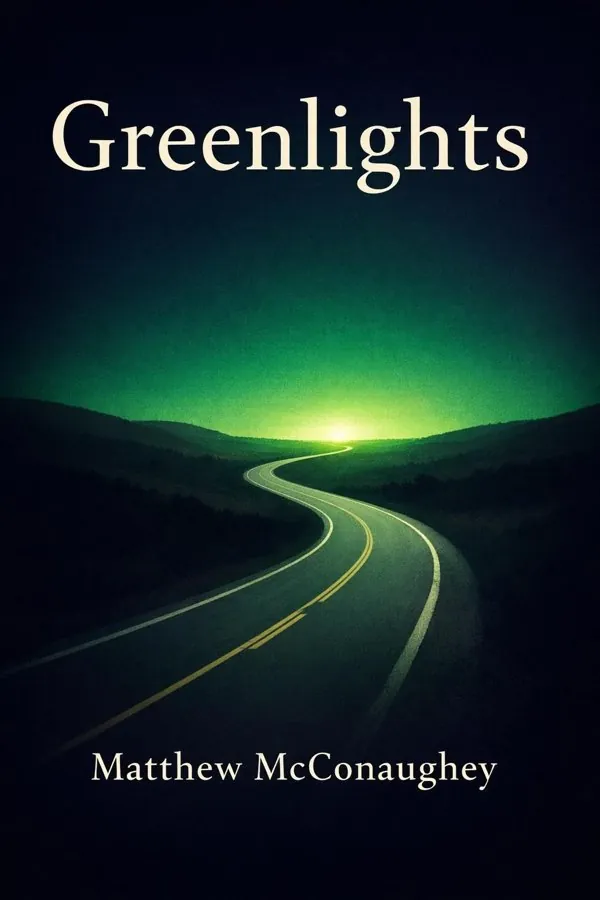
Greenlights
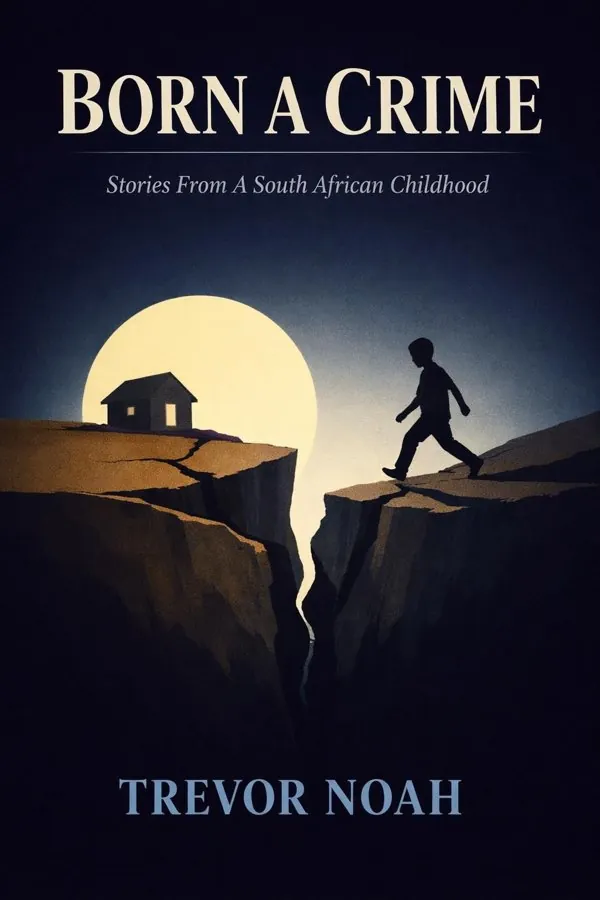
Born a Crime
In-Depth Analysis
Matthew McConaughey’s Greenlights and Trevor Noah’s Born a Crime are both memoirs by highly recognizable public figures, yet they operate on strikingly different frequencies. Both books are rooted in voice, both rely on humor to metabolize pain, and both trace the making of a public self through formative experiences. But where Greenlights is primarily a philosophy of personal navigation, Born a Crime is a story of formation under political constraint. McConaughey asks how an individual can interpret life well; Noah asks how an individual survives, improvises, and grows inside a world designed to deny his very legitimacy.
Greenlights is built around an organizing metaphor: a “greenlight” is not merely good fortune but the ability to turn or reinterpret obstacles so they propel you forward. McConaughey draws this philosophy from journals spanning decades, and the memoir often reads like a collage of scenes, sayings, dares, and self-invented rules. His Texas upbringing is crucial here. In the material about Uvalde, family life appears chaotic but formative: fists, storytelling, love, and faith all mingle in a culture where intensity is normal. That background helps explain the tone of the whole book. McConaughey presents himself as someone shaped by exuberance, conflict, masculine testing, and a deep attachment to instinct. Even his discussion of studying law before pivoting toward acting fits the broader pattern: success comes when one listens to the “inner signal” rather than to respectable scripts.
Born a Crime, by contrast, is structured less as a manifesto than as a sequence of sharply observed episodes that reveal the absurdity and brutality of apartheid and its aftermath. Noah’s very existence as the child of a Black Xhosa mother and white Swiss father was criminalized under South African law. This is not simply background; it defines the memoir’s emotional and intellectual stakes. The fact that he could not publicly hold his mother’s hand, and that they sometimes had to pretend to be strangers, gives the title its full force. From the beginning, Noah’s identity is not an abstract question of self-discovery but a legal and social problem produced by the state. That difference alone separates the books: McConaughey’s main struggle is authenticity amid success; Noah’s begins with visibility, illegibility, and danger.
The books also diverge sharply in how they convert experience into meaning. McConaughey is a natural mythologizer. He turns his life into parable, often extracting direct lessons and memorable slogans. This can be energizing. Readers who want a memoir that doubles as motivational literature will find Greenlights rich with portable phrases and attitude shifts. Yet this same quality can narrow the book’s analytical depth. McConaughey is strongest when narrating moments of risk, romance, family inheritance, and career redirection, but he is less interested in sustained social interpretation. He wants to show how to ride life’s waves, not fully map the ocean.
Noah, meanwhile, is exceptionally skilled at moving from scene to structure. His reflections on language are a prime example. When he explains that speaking someone’s language can cross tribal and social boundaries, he is not merely sharing a charming childhood trick. He is showing that language, in South Africa, is power, protection, intimacy, and strategy. Likewise, his depictions of poverty and small-scale enterprise reveal not only individual hustle but also the ingenuity demanded by unstable conditions. The memoir’s famous emotional center—his relationship with his mother—works on multiple levels too. Patricia Noah is not just a beloved parent; she embodies faith, defiance, and imaginative resistance. Her insistence on education, churchgoing, and possibility becomes a form of rebellion against the constraints placed on Black life.
Humor matters immensely in both books, but it serves different purposes. In Greenlights, humor is often charismatic self-presentation. McConaughey uses it to charm, disarm, and elevate incidents into fables of cool, luck, and earned wisdom. In Born a Crime, humor is closer to a survival technology. Noah’s jokes often heighten rather than soften reality, because they reveal the absurd logic of racist classification, family improvisation, and social contradiction. His comedy sharpens critique.
Emotionally, Born a Crime also reaches deeper and with more volatility. Greenlights contains vulnerability, including reflections on family, love, failure, and the cost of public identity, but it remains fundamentally affirmative. The governing movement is toward acceptance and momentum. Born a Crime, however, places laughter beside loneliness, confusion, poverty, and violence, including the devastating material connected to his mother’s suffering. The emotional power comes from contrast: Noah can make a reader laugh and then force an encounter with fear, exclusion, or grief in the next paragraph.
In terms of readership, the distinction is clear. Greenlights is best read as a hybrid of celebrity memoir and idiosyncratic self-help. It is appealing when one wants energy, confidence, and a language of personal resilience. Born a Crime is the stronger all-around literary memoir. It offers not only a memorable childhood narrative but also a sophisticated understanding of how race, law, language, religion, and family shape personhood.
Ultimately, both books succeed because their authors understand performance, voice, and timing. But Trevor Noah’s memoir is the more substantial achievement. It transforms a singular life into a broader meditation on systems and survival without losing intimacy or wit. McConaughey’s book is often delightful and invigorating, yet it remains centered on the cultivation of a worldview. Noah gives readers not just a worldview, but a world—historically specific, emotionally layered, and urgently human.
Side-by-Side Comparison
| Aspect | Greenlights | Born a Crime |
|---|---|---|
| Core Philosophy | Greenlights argues that life becomes richer when you learn to recognize opportunity inside difficulty. McConaughey’s guiding idea is that setbacks can become "greenlights" if met with patience, humor, self-trust, and willingness to reframe experience. | Born a Crime is grounded less in personal optimization than in survival through systems of oppression. Noah’s philosophy centers on adaptability, linguistic fluency, moral alertness, and the idea that identity is shaped by political structures as much as by individual choice. |
| Writing Style | McConaughey writes in a loose, improvisational, aphoristic voice that often mimics oral storytelling and journal fragments. The style is charismatic, nonlinear, and intentionally shaggy, blending poetry, slogans, family legend, and self-mythology. | Noah writes with tighter narrative control, balancing comic timing with sociopolitical clarity. His prose is cleaner and more classically structured, moving between vivid scenes from childhood and sharp explanations of apartheid, race categories, and language politics. |
| Practical Application | Greenlights offers direct life lessons readers can adapt to ambition, creativity, relationships, and resilience. McConaughey frequently extracts maxims from his experiences, inviting readers to apply his mindset to their own turning points. | Born a Crime provides practical insight indirectly, through example rather than instruction. Readers learn about resourcefulness, code-switching, entrepreneurship, and emotional endurance, but Noah rarely packages these lessons as step-by-step advice. |
| Target Audience | This book will appeal most to readers who enjoy celebrity memoirs, motivational reflection, and unconventional self-help. Fans of personal reinvention narratives and charismatic voice-driven nonfiction are likely to connect strongly with it. | Noah’s memoir suits readers interested in race, history, identity, family, and humor forged under pressure. It reaches beyond fans of the author because its subject matter includes both intimate storytelling and a lucid account of apartheid’s human consequences. |
| Scientific Rigor | Greenlights is not evidence-driven and makes no real claim to scholarly authority; its wisdom is experiential and intuitive. Its authority depends on McConaughey’s lived stories rather than research, data, or systematic argument. | Born a Crime is also memoir rather than social science, but it carries stronger historical and structural grounding. Noah contextualizes his life within apartheid law and social classifications, giving the book more analytical credibility even without academic formalism. |
| Emotional Impact | McConaughey’s memoir is emotionally effective through swagger, vulnerability, family memories, romantic longing, and his search for authenticity. The emotional arc is often uplifting, with pain filtered through gratitude and theatrical self-awareness. | Noah’s book hits harder because humor coexists with danger, loneliness, and domestic violence. The scenes involving his mother, his inability to fit neatly into racial categories, and later acts of violence create a sharper emotional contrast and deeper ache. |
| Actionability | Greenlights is highly actionable if a reader wants memorable principles: stay relative, catch the frequency, trust the process, turn red lights into green ones. Its slogans are portable and intentionally designed to be remembered and reused. | Born a Crime is actionable in a subtler sense: it teaches readers to listen for context, respect language, and understand how systems shape behavior. Its lessons are powerful but less immediately translatable into a personal rulebook. |
| Depth of Analysis | The book excels at introspection but often prefers intuition over extended analysis. McConaughey is more interested in extracting meaning from his own life than in deeply unpacking the larger cultural systems around him. | Noah combines personal memory with social interpretation, especially when discussing apartheid categories, multilingualism, religion, and poverty. The result is a memoir with greater interpretive depth about society as well as self. |
| Readability | Greenlights is brisk, entertaining, and easy to dip into because of its episodic structure and punchy voice. Some readers, however, may find the stylized phrasing and self-conscious eccentricity occasionally distracting. | Born a Crime is highly readable, with excellent pacing and clear transitions between anecdote and reflection. Even when addressing heavy subjects, Noah’s humor and narrative discipline keep the book accessible. |
| Long-term Value | Its long-term value lies in quotable mindset shifts and the pleasure of revisiting a distinctive persona. Readers may return to it for energy, confidence, and perspective during moments of personal uncertainty. | Its long-term value is broader because it remains relevant as both a coming-of-age story and a lens on race, history, family, and language. It rewards rereading not just for inspiration but for insight into how private lives are shaped by public systems. |
Key Differences
Personal Philosophy vs Historical Condition
Greenlights is organized around a worldview: how to convert life’s obstacles into momentum. Born a Crime is organized around a historical fact: Noah’s very birth was illegal under apartheid, so the memoir begins from political reality rather than personal philosophy.
Self-Mythologizing vs Social Explanation
McConaughey often turns events into legend, building a charismatic persona out of Texas stories, career pivots, and hard-won slogans. Noah, by contrast, frequently pauses to explain the racial logic of apartheid, tribal distinctions, or the practical importance of language, making his memoir more interpretive.
Motivational Tone vs Survival Tone
Greenlights invites readers to feel emboldened; even difficulty is reframed as usable material for growth. Born a Crime certainly inspires too, but its baseline is survival and adaptation within poverty, violence, and structural exclusion.
Loose Journal Collage vs Tight Narrative Arc
Greenlights draws heavily from decades of journals, which gives it a fragmented, freewheeling quality full of sayings and side roads. Born a Crime is more tightly composed, with episodes that build a coherent portrait of childhood, adolescence, and the central influence of Noah’s mother.
Celebrity Memoir Appeal vs Broader Cultural Relevance
Part of Greenlights’ appeal comes from access to McConaughey’s persona and the backstage story of how he became himself. Born a Crime transcends celebrity because its concerns—race, family, belonging, language, and injustice—remain meaningful even if a reader knows little about Trevor Noah.
Direct Lessons vs Embedded Lessons
McConaughey often states the lesson outright, turning episodes into advice about timing, courage, and perspective. Noah tends to let readers infer the lesson from scenes, such as learning how language crosses boundaries or how humor can function in dangerous environments.
Affirmative Emotion vs Contrasting Emotion
Greenlights maintains a largely affirmative emotional register, mixing vulnerability with confidence and gratitude. Born a Crime relies on sharper contrasts, placing comic scenes beside loneliness, fear, and violence, which creates a more piercing emotional effect.
Who Should Read Which?
Reader interested in race, history, and socially grounded memoir
→ Born a Crime
This reader will appreciate Noah’s ability to connect intimate childhood stories to the mechanics of apartheid, language politics, and post-apartheid inequality. The memoir offers both emotional immediacy and substantial historical insight.
Reader seeking motivation, personal reinvention, and quotable life advice
→ Greenlights
McConaughey’s memoir is built around reframing setbacks and cultivating an intentional outlook. Its journal-like structure, memorable slogans, and high-energy voice make it especially appealing to readers who want inspiration they can apply quickly.
Reader who values literary craft, humor, and strong emotional payoff
→ Born a Crime
Noah combines comic precision with structural control and genuine pathos, especially in his portrayal of his mother and his unstable place within South African society. It is the more polished and emotionally layered book.
Which Should You Read First?
Read Born a Crime first, then Greenlights. Noah’s memoir provides the stronger narrative foundation and the greater intellectual and emotional depth, so it is the better anchor text. Starting there gives you a richly contextualized story about childhood, identity, race, language, and resilience, all delivered with clarity and humor. It also sets a high standard for what memoir can do when personal narrative is fused with social history. Following it with Greenlights works well because McConaughey’s book is more impressionistic and energizing. After Noah’s tightly structured, politically grounded memoir, Greenlights can feel like a tonal release: looser, more aphoristic, and more explicitly focused on personal attitude. In that order, the books complement each other rather than compete. Noah shows how a life is shaped by systems and relationships; McConaughey shows how one person narrates experience into a guiding philosophy. If you reverse the order, Born a Crime may overshadow Greenlights even more starkly. Read Noah for substance first, then McConaughey for momentum and reflection.
Want the full summary?
Get instant access to this book summary and 100K+ more with Fizz Moment.
Get Free SummaryAvailable on App Store • Free to download
Frequently Asked Questions
Is Greenlights better than Born a Crime for beginners?
If by beginners you mean readers who are new to memoirs and want something breezy, motivational, and easy to sample in short bursts, Greenlights may be the easier entry point. Its chapters often function like stand-alone stories, and McConaughey’s voice is deliberately punchy and aphoristic. However, if beginners want a memoir with stronger narrative cohesion and a clearer emotional arc, Born a Crime is often the better choice. Noah’s storytelling is more structured, and his humor helps readers absorb difficult material about apartheid, poverty, and family. So Greenlights is better for readers seeking vibe and life lessons; Born a Crime is better for readers seeking story and substance.
Which memoir is more inspiring: Greenlights or Born a Crime?
They inspire in different ways. Greenlights is inspirational in the classic self-development sense: it encourages readers to reinterpret setbacks, trust instinct, and live with greater authenticity. McConaughey turns personal turns of fate into memorable principles, making the book feel like a motivational companion. Born a Crime is inspiring in a more hard-won, human sense. Noah’s resilience emerges from navigating illegality, racism, instability, and violence, while his mother models extraordinary courage and belief. If you want direct encouragement and quotable mindset shifts, Greenlights is more immediately inspiring. If you want inspiration rooted in endurance, moral complexity, and historical reality, Born a Crime leaves the stronger lasting impression.
What are the biggest differences between Greenlights and Born a Crime as memoirs?
The biggest difference is scope. Greenlights is inward-facing and philosophical, organized around McConaughey’s attempt to explain how he lives and what he has learned from risk, fame, family, and self-reinvention. Born a Crime is both personal and political, using Noah’s childhood to illuminate apartheid, racial classification, language politics, and social survival. Stylistically, McConaughey is looser, more slogan-driven, and more interested in vibe; Noah is more structured, explanatory, and precise. Emotionally, Greenlights tends toward uplift and swagger, while Born a Crime balances humor with genuine danger and pain. One is a memoir of perspective; the other is a memoir of formation under pressure.
Is Born a Crime better than Greenlights for book clubs or classroom discussion?
Yes, in most cases Born a Crime is better suited for book clubs and classroom settings. It opens discussion on race, law, colonial history, multilingualism, religion, poverty, entrepreneurship, and the role of mothers in shaping identity. The memoir also invites close analysis of how humor can coexist with trauma and social critique. Greenlights can still work well in discussion groups, especially those interested in masculinity, ambition, celebrity, authenticity, and personal philosophy. But its insights are more individual and impressionistic, whereas Born a Crime naturally generates broader conversations that connect private memory to public history. For layered group discussion, Noah’s memoir offers more interpretive range.
Which book has more practical life lessons, Greenlights or Born a Crime?
Greenlights has more explicit life lessons. McConaughey repeatedly distills his experiences into reusable concepts about timing, discipline, perspective, risk, and resilience. Readers who like to underline maxims or walk away with phrases they can apply to work and relationships will find more of that here. Born a Crime contains profound life lessons too, but they arise through narrative rather than instruction. Noah teaches adaptability, the social power of language, the value of humor, and the importance of reading situations accurately, yet he rarely converts those insights into a personal handbook. So Greenlights is more practical in a direct, motivational sense; Born a Crime is more practical in an observational, human sense.
Should I read Greenlights or Born a Crime if I want an emotionally powerful memoir?
Choose Born a Crime if emotional power is your top priority. Greenlights has moving sections about family, failure, and the search for authenticity, but its prevailing tone is buoyant and self-possessed. Even painful moments are often reframed toward wisdom and forward motion. Born a Crime creates a more intense emotional range because Noah’s humor is set against real vulnerability: growing up between racial categories, living with instability, and witnessing violence that affects his family, especially his mother. The result is a memoir that can make readers laugh, ache, and reflect at once. Greenlights uplifts; Born a Crime penetrates more deeply.
The Verdict
If you are choosing only one of these memoirs, Born a Crime is the stronger and more essential book. Trevor Noah achieves the rarer literary balance: he is funny without becoming evasive, analytical without sounding didactic, and deeply personal without losing sight of the political world that shaped him. His memoir works at multiple levels simultaneously—as a childhood story, a portrait of an extraordinary mother, a study of race and language, and an account of how systems distort ordinary life. It is the book more likely to stay with a wide range of readers and to reward rereading. That said, Greenlights should not be dismissed as merely lightweight celebrity reflection. At its best, McConaughey’s memoir is vivid, eccentric, and genuinely invigorating. It offers a memorable philosophy of reframing adversity and pursuing authenticity, and its journal-based structure gives it an intimate, off-the-cuff charm. Readers who want energy, confidence, and a distinctive voice may find it exactly the right book at the right time. So the recommendation depends on purpose. Read Born a Crime if you want the better-crafted memoir, deeper emotional stakes, and richer social insight. Read Greenlights if you want an entertaining, quotable, motivational memoir driven by personality and perspective. For most readers, Noah’s book is the better starting point and the more substantial achievement. McConaughey’s is the better follow-up when you want inspiration with swagger.
Related Comparisons
Want to read both books?
Get AI-powered summaries of both Greenlights and Born a Crime in just 20 minutes total.